
Hear from Our Customers
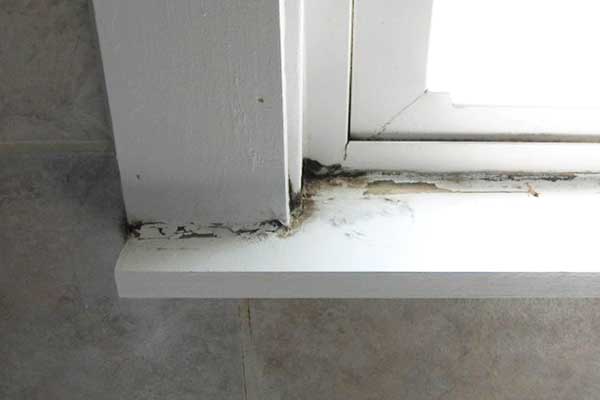
The air feels different. You stop second-guessing whether that musty smell in the basement is something serious. You stop wondering if the dark spot behind the drywall is still growing. That’s what professional mold removal in Old Westbury actually delivers — not just a cleaner surface, but real confidence that the problem is resolved and documented.
Old Westbury’s housing stock tells a specific story. The median construction year here is 1969, and roughly 15% of homes predate 1940. That means a lot of older building envelopes — no modern vapor barriers, limited attic ventilation, and deep basements that were never designed with today’s moisture standards in mind. Add in the dense tree canopy that keeps these properties shaded and slow to dry after rain, and you have conditions that give mold every advantage. Getting ahead of it — and keeping it gone — requires more than wiping down a surface.
For homeowners in Old Westbury, there’s also a financial dimension that’s hard to ignore. At Old Westbury’s median home value of $1.6 million, even a modest mold-related value reduction represents hundreds of thousands of dollars in exposure. And since New York amended its Property Condition Disclosure law in June 2023 to require mold disclosure in residential sales, documented remediation isn’t just peace of mind — it’s protection for your transaction.
We’ve been serving Nassau and Suffolk Counties since the early 1990s. We’ve worked in Old Westbury, Brookville, Muttontown, East Hills, and across the North Shore long enough to know exactly how these properties behave — the deep basements that hold water after a wet spring, the attics in older estate homes that trap moisture all winter, the complex rooflines that collect debris and leak quietly for months before anyone notices.
Every technician we send to your property is IICRC-certified. Not just the project lead — every person on the crew. We’re also fully licensed under New York State’s Article 32 mold law, which has required separate licensing for mold assessment and remediation since 2016. That matters because a lot of contractors operating in Nassau County today aren’t compliant, and that creates real liability for the homeowner.
We handle both water damage restoration and mold remediation under one roof. That’s not common. And for Old Westbury homeowners managing large, complex properties, having one accountable team handle the source and the symptom is a meaningful difference.
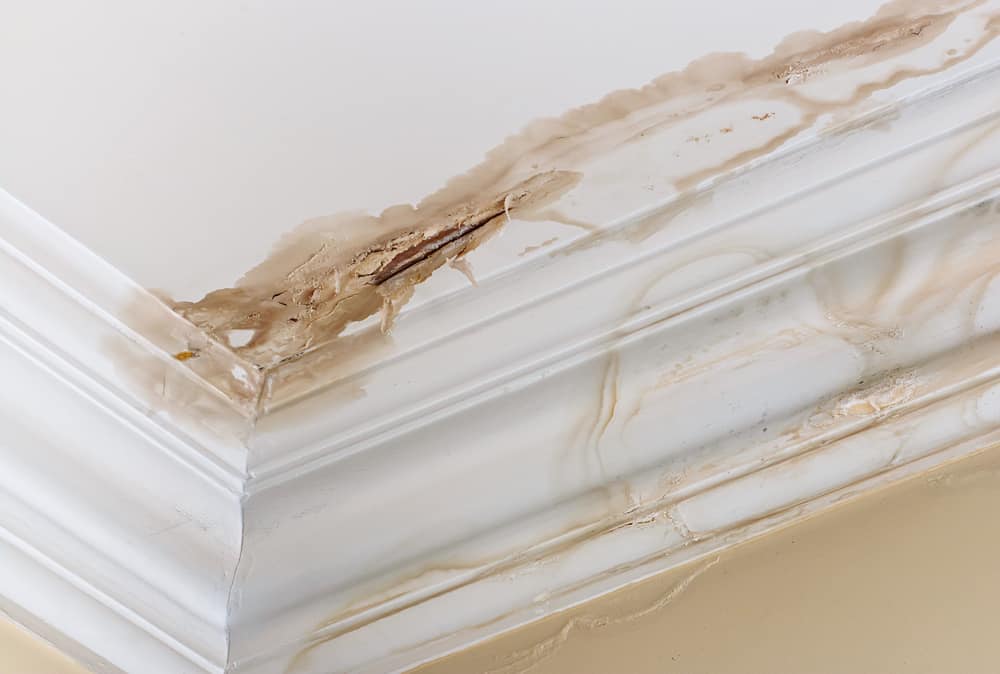
It starts with a thorough inspection — and not just the kind where someone walks around with a flashlight. Our 5-point protocol includes boroscopic wall cavity examination, air sampling, surface swab sampling, non-invasive moisture level measurement, and identification of the water intrusion point that’s feeding the mold. In older Old Westbury homes with plaster walls and complex building envelopes, that wall cavity inspection step alone catches problems that a visual-only inspection would completely miss.
Once we know what we’re dealing with, we contain the affected area to prevent spore migration through the rest of your home. Remediation follows — removing contaminated materials, treating surfaces, and addressing the moisture source so the mold doesn’t come back in six months. Because we also do water damage restoration, we’re not handing you off to a second contractor to fix the leak or dry out the basement. That work happens with the same team, on the same timeline.
After remediation, we conduct post-remediation clearance testing with the same lab-grade analysis used in the initial inspection. You receive chain-of-custody documentation — the kind that satisfies insurance adjusters, real estate attorneys, and New York’s 2023 property disclosure requirements. Under Article 32, the company that performs your assessment cannot be the same company that does your remediation, and we operate in full compliance with that requirement. We’ll walk you through how that works before anything starts.
Ready to get started?
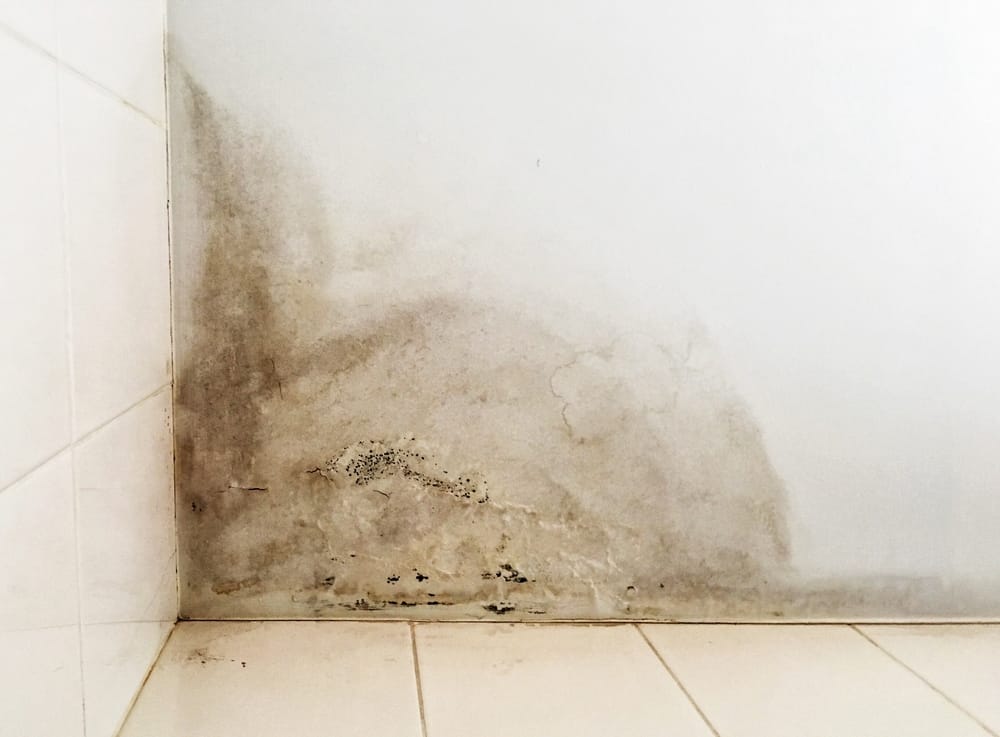
Mold in Old Westbury tends to show up in predictable places given the local conditions. Attic mold is common in the older estate-style homes throughout the village — warm, moist air rises from the living space and condenses against cold roof sheathing in under-ventilated attics, especially during the freeze-thaw cycles that hit Nassau County every winter. Basement mold removal is another frequent call, particularly in the spring when snowmelt and rain saturate the soil around foundations and hydrostatic pressure pushes water through older foundation walls. Crawl space mold removal, bathroom mold removal, and HVAC-related mold are also part of what we handle regularly.
For homes near the Long Island Expressway corridor — whether you’re coming off Exit 39 or Exit 41 onto Route 107 — the combination of heavy tree canopy, high ambient humidity from Long Island Sound, and aging construction creates a mold risk environment that’s genuinely different from newer-build communities further south in Nassau County. We account for those local conditions in how we approach each job.
We also handle commercial mold removal in Old Westbury for institutional properties. SUNY Old Westbury, NYIT’s Northern Boulevard campus, and the surrounding institutional buildings face the same moisture and mold challenges as any large, aging structure — and we have the crew, the equipment, and the documentation protocols to handle jobs at that scale. Residential or commercial, the standard is the same: certified technicians, lab-confirmed results, and a written clearance report when the work is done.
Yes — and this is one of the most important things to understand before you hire anyone. New York State’s Article 32 law, which has been in effect since January 1, 2016, requires that mold assessment and mold remediation be performed by separately licensed professionals. The same company cannot legally conduct both the assessment and the remediation on the same property. That’s not a technicality — it’s a structural requirement designed to protect homeowners from conflicts of interest.
In 2025, the NYS Department of Labor is actively stepping up audits, license checks, and enforcement penalties — particularly on larger projects and institutional renovations. Old Westbury properties, which tend to be large and complex, often fall into the scope where compliance scrutiny is higher. Hiring an unlicensed or non-compliant contractor doesn’t just put the work at risk — it can create liability for you as the homeowner. We are fully licensed under Article 32, and we’ll explain exactly how the assessment and remediation separation works before any work begins on your property.
Mold removal cost in Old Westbury varies more than most people expect — and the size and age of the homes here are a big reason why. Nationally, mold remediation averages around $2,300, with a range of roughly $10 to $25 per square foot for standard remediation and $15 to $30 per square foot for attic, crawl space, or basement work. But Old Westbury properties are not average. Large estate-style homes with deep basements, expansive attics, and complex building envelopes mean that the affected area is often larger and harder to access than in a typical Nassau County home.
The actual cost depends on where the mold is, how far it has spread, what materials are affected, and whether the underlying moisture source needs to be addressed — which it almost always does. Getting a real number requires an inspection, not a phone estimate. What we can tell you is that we offer up to $500 toward your insurance deductible to help offset out-of-pocket costs, and we work with insurance adjusters regularly to support the claims process with the documentation they need.
In Old Westbury specifically, the two most common drivers are moisture intrusion from below and condensation from above. Basement mold typically traces back to hydrostatic pressure — the high water table in this area, combined with spring snowmelt and rain saturating the soil around older foundations, pushes water through foundation walls and floor-wall joints. If your basement has ever had standing water or a sump pump that worked overtime, there’s a good chance moisture has been getting in longer than you’ve realized.
Attic mold is a different mechanism. Warm, humid air from the living space rises and hits the cold roof sheathing — especially in older homes with poor ridge ventilation, which is common in the pre-1970 construction that makes up a significant portion of Old Westbury’s housing stock. That condensation accumulates over time and creates ideal conditions for mold growth that most homeowners never see until it’s well established. Both problems are solvable, but they require addressing the source — not just the mold itself.
As of June 14, 2023, yes. New York amended its Property Condition Disclosure Statement to require sellers to disclose known indoor mold in residential real estate transactions. That change applies directly to Old Westbury home sales, and given the median home value here — around $1.6 million, with many properties well above that — the stakes of getting this wrong are significant.
If mold is discovered during a buyer’s inspection and you haven’t addressed it, you’re looking at potential deal collapse, price renegotiation, or legal exposure depending on what was disclosed and when. The right move is to handle it before listing — with a licensed contractor, lab-confirmed clearance testing, and chain-of-custody documentation that you can hand to a buyer’s attorney or inspector without hesitation. That kind of paper trail doesn’t just protect the transaction; it signals to buyers that the property has been properly maintained, which matters in a market like Old Westbury where buyers are sophisticated and their inspectors are thorough.
It depends on the scope, but for the kind of large estate-style properties common in Old Westbury, you should plan for more time than a typical suburban job. A contained bathroom mold situation might take one to two days. A basement or attic with significant spread — which is more common in the older homes throughout this village — can run three to five days or longer, particularly if structural materials need to be removed and replaced.
The post-remediation clearance testing adds time to the overall timeline as well. Lab results typically come back within two to three business days after sampling. That step is not optional if you want documented proof that the remediation was successful — and in Old Westbury, where you may need that documentation for an insurance claim, a real estate transaction, or simply your own peace of mind, it’s worth building into your expectations from the start. We’ll give you a realistic timeline after the initial inspection, once we know exactly what we’re dealing with.
It can — but only if the moisture source that caused it wasn’t fully resolved. Mold doesn’t appear randomly. It needs water, and in Old Westbury, that water is usually coming from somewhere specific: a leaking roof, a foundation that’s letting in groundwater, a gutter system overwhelmed by leaf debris from the heavy tree canopy, or an attic that’s not ventilating properly. Remove the mold without fixing the source, and you’ll be back in the same situation within a season.
This is exactly why the full-service approach matters for properties in this area. When the same team handles both the mold remediation and the underlying water damage or moisture issue, nothing gets missed and nothing gets handed off. The remediation is built on a dry, stable foundation — literally. Post-remediation clearance testing then confirms the result with lab analysis, so you’re not taking anyone’s word for it. If the samples don’t pass, the work isn’t done. That’s the standard we hold ourselves to on every job in Old Westbury, regardless of the size of the property.
Useful Links
Other Services we provide in Old Westbury