
Mold Removal in Shelter Island, NY
When Your Island Home's Been Closed All Winter, This Is the Call to Make First
Hear from Our Customers
Residential Mold Removal Shelter Island NY
The air smells clean again. You’re not second-guessing whether it’s safe for your kids or your parents to be inside. You’re not opening every window hoping it’ll clear on its own because it won’t, and you already know that.
On Shelter Island, the conditions that feed mold are built into the landscape. You’re surrounded by water on every side. The humidity doesn’t go away between seasons it just shifts. Homes here, most of them built in the 1970s or earlier, weren’t designed with today’s moisture standards in mind. Crawl spaces, attic cavities, and unfinished basements in older wood-framed houses absorb that coastal moisture quietly, and when a property sits closed from October through May, there’s nothing stopping a slow leak or a failed sump pump from turning into a full mold situation by the time you arrive for Memorial Day weekend.
What changes after proper mold remediation isn’t just the smell. It’s the confidence. You know the walls aren’t harboring something behind the drywall. You know the air your family is breathing has been tested and cleared. And if there was water damage underneath the mold rotted framing, damaged insulation, compromised subfloor that’s been addressed too, not just sprayed over and handed back to you.
Licensed Mold Remediation Companies Shelter Island NY
We’ve been operating on Long Island for over 31 years serving Suffolk County communities from the western townships all the way out to the East End, including Shelter Island and the other island communities that require logistical planning to reach. This isn’t a directory listing with a Shelter Island tag attached to it. We’ve shown up, crossed the water, and done the work repeatedly.
Every technician on a First Response job is IICRC-certified and operating under a valid New York State mold remediation license, as required by Article 32 of the NY Labor Law. That license isn’t optional it’s the law and it’s something you should ask every contractor for before they step foot on your property. We’re fully licensed, bonded, and insured, and we work directly with your insurance carrier so you’re not managing that process alone from a Manhattan apartment while your Shelter Island home sits waiting.
We handle the full scope: inspection, remediation, water damage restoration, structural drying, and final cleaning. One company, one call, one coordinated job because on an island where every contractor trip means a ferry crossing, that matters more than it does anywhere else on Long Island.
Professional Mold Removal Services Shelter Island NY
It starts with a thorough inspection. Using moisture meters, particle counters, and HEPA-equipped diagnostic equipment, we identify where mold is present including the places you can’t see. Behind drywall, under flooring, inside HVAC ductwork, in attic insulation that’s been sitting damp all winter. On Shelter Island, where homes often go months without anyone inside to catch a drip or notice a smell, the visible mold is rarely the whole story.
Once the scope is clear, containment goes up before anything else. Negative air pressure and physical barriers keep spores from spreading to unaffected areas of the home during the removal process. Then comes the actual remediation physical removal of mold-affected materials, not surface spraying. HEPA filtration runs throughout. Any structural components that need to come out get removed properly, and if framing, insulation, or drywall needs to be replaced, that’s handled as part of the same job.
Because New York State’s Article 32 law requires that mold assessment and remediation be performed by separate licensed entities, post-remediation clearance testing is conducted independently giving you a verified, documented confirmation that the air quality meets safe standards before the job is considered complete. For seasonal homeowners coordinating from off-island, we can walk you through every step remotely and provide full written documentation for your records and your insurance file.
Ready to get started?
Black Mold Removal Shelter Island NY
Shelter Island’s environment creates mold in specific, predictable places and our service is built around that reality, not a generic checklist. Basement mold removal and crawl space mold removal are among the most common calls here, because low-lying areas in older homes absorb ground moisture year-round, and unheated crawl spaces in vacant seasonal properties are essentially incubators during a long winter. Attic mold removal is equally common salt air accelerates the breakdown of roofing materials and flashing, and when water finds its way in through a deteriorating roof edge, the attic is the first place it settles.
Bathroom mold removal, HVAC duct cleaning, and air quality testing are also part of what we address when the situation calls for it. If your home has been closed for months and the ventilation system has been sitting stagnant in a humid coastal environment, the ductwork is worth looking at before you start running the system again. Toxic mold cleanup including black mold removal follows the same rigorous containment and extraction protocol regardless of mold species, because the process that protects your family is the same either way.
For Shelter Island’s small commercial properties the inns, restaurants, and hospitality businesses that define the island’s economy we offer commercial mold removal with the same licensing, the same IICRC-certified crew, and the same commitment to getting the job done completely so you’re not losing operating days to a half-finished remediation.
How does a mold removal company actually get to Shelter Island to do the work?
It requires planning that most mainland contractors don’t bother with. Getting a crew and a full equipment load to Shelter Island means coordinating around the North Ferry from Greenport or the South Ferry from North Haven both of which run on schedules that don’t care about your emergency timeline. A company that’s never worked on the island before might show up underprepared, realize they left something critical on the mainland, and cost you an entire day waiting for the next crossing.
We’ve been serving Long Island’s East End for over 31 years, including island and waterfront communities that require this kind of advance logistics planning. When we schedule a job on Shelter Island, the crew arrives with everything needed to complete the work no extra trips, no surprise delays, no ferry-related excuses. That level of preparation is something you should ask about directly before hiring any contractor to come out to the island.
How do I know if my Shelter Island home has a mold problem after being closed all winter?
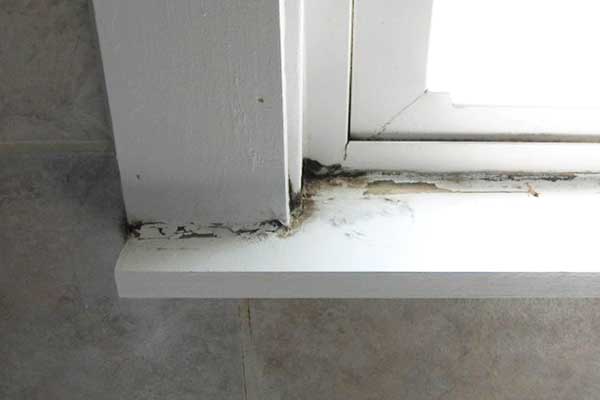
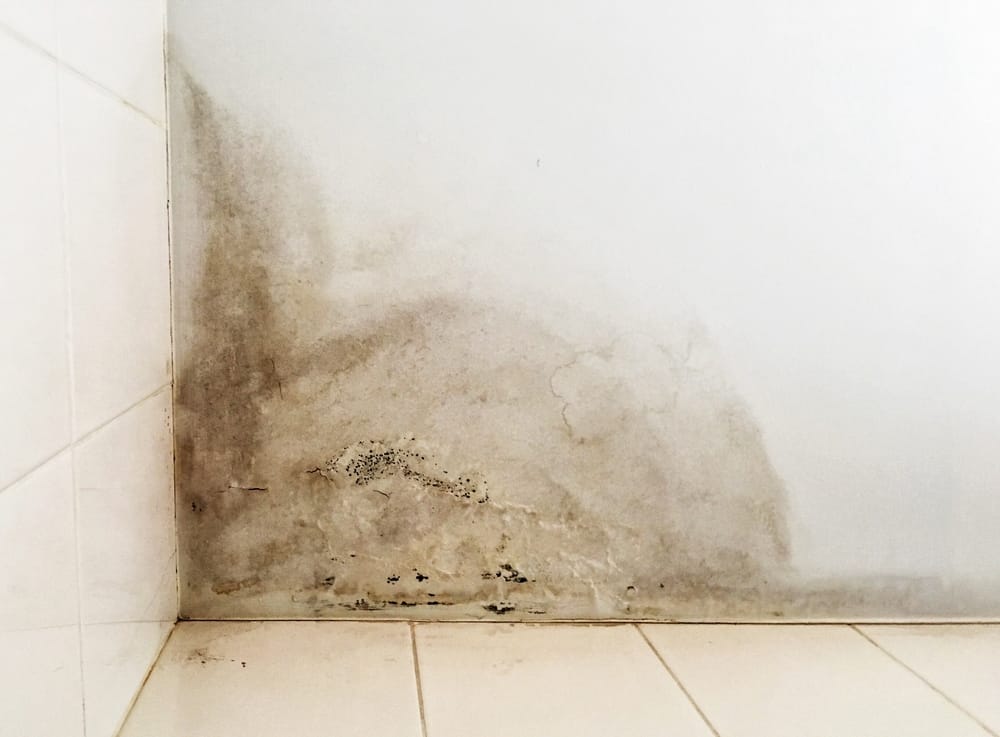
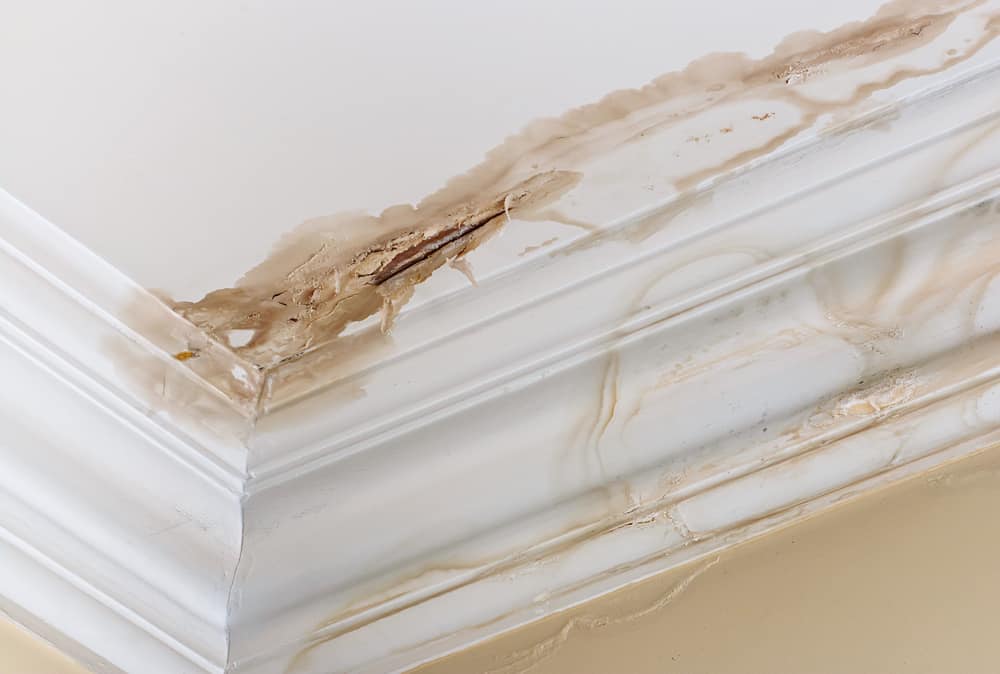
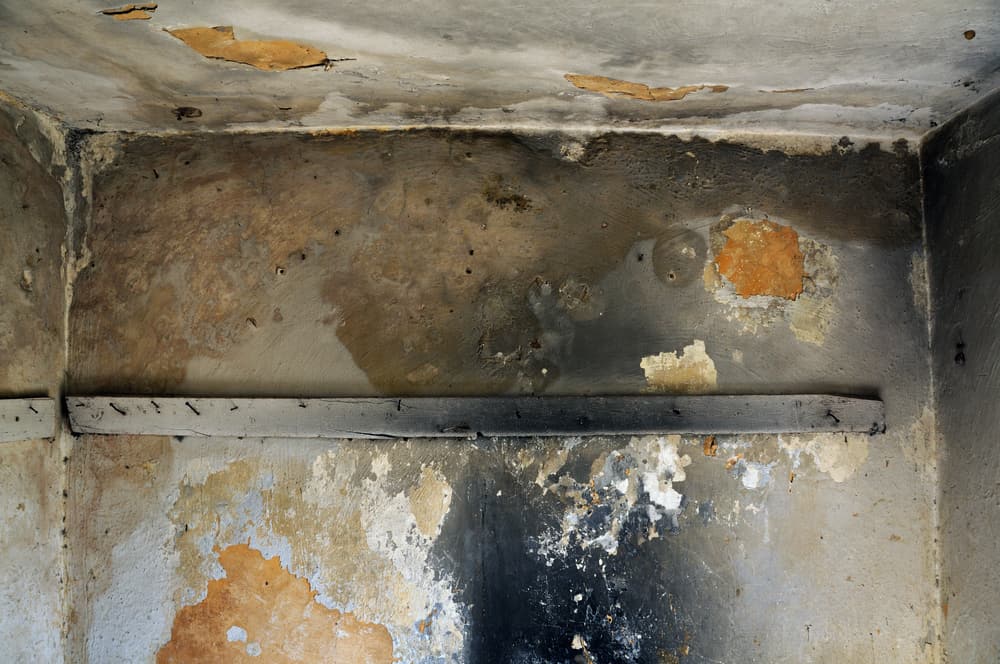
The most obvious sign is smell a musty, earthy odor that hits you when you first open the door after months away. But mold doesn’t always announce itself that clearly. Discoloration on walls, ceilings, or around window frames is another indicator, as is visible moisture staining or warped wood in areas like the crawl space, basement, or attic. If your sump pump failed during the winter or you notice any signs of a plumbing issue, assume moisture got somewhere it shouldn’t have.
On Shelter Island, where homes often sit unoccupied from fall through spring, the risk window is long. A slow roof leak, condensation buildup in an unheated crawl space, or a frozen pipe that thawed and dripped for weeks can allow mold to establish itself well before you ever return. The safest approach is a professional mold inspection at the start of each season not because something is necessarily wrong, but because finding a contained problem early costs a fraction of what it costs to remediate one that’s had six months to spread through wall cavities and framing.
Does homeowners insurance cover mold removal in Shelter Island, NY?
It depends on the cause. Most standard homeowners insurance policies will cover mold remediation when the mold resulted directly from a covered water damage event a burst pipe, storm-driven water intrusion, or a sudden appliance failure. What they typically won’t cover is mold that developed from long-term neglect, deferred maintenance, or gradual moisture buildup over time. On Shelter Island, where storm surge flooding is a documented and recurring event the harbor flooded into Bridge Street in April 2024 storm-related mold claims are not uncommon.
The documentation you submit with your claim matters enormously. Insurance carriers look for a clear chain of evidence connecting the mold to a specific, covered event. We work directly with insurance carriers on behalf of homeowners, preparing the damage documentation and remediation reports in the format carriers require. For seasonal homeowners managing a Shelter Island property from a distance, that coordination can be the difference between a paid claim and a denied one.
What's the difference between mold remediation and just cleaning mold off a surface?
Surface cleaning including bleach treatments addresses what you can see. It does not address what’s behind it, underneath it, or already airborne in your home. Mold that’s visible on a wall surface has almost always colonized into the material itself, and in older homes like most of those on Shelter Island, that often means it’s inside the drywall, the wood framing, or the insulation behind it. Wiping the surface and calling it done leaves the root system intact, and the mold returns usually faster the second time.
Professional mold remediation means physical removal of affected materials under controlled containment conditions, with HEPA filtration running to capture airborne spores throughout the process. It means negative air pressure barriers to prevent cross-contamination to unaffected rooms. And it means post-remediation air quality testing by an independent licensed assessor required under New York State’s Article 32 law to verify that the environment is actually safe before the job is closed out. That’s the difference between a surface fix and a real one.
How much does mold removal typically cost in Shelter Island, NY?
For most residential mold remediation projects, the range nationally runs from roughly $1,200 to $3,800, with basement and crawl space jobs often landing between $1,500 and $6,000 depending on the extent of the affected area and whether structural materials need to be removed and replaced. Attic mold remediation typically falls between $1,000 and $4,000. On Shelter Island, where labor carries a premium and every contractor trip involves ferry logistics, you should expect to invest toward the higher end of those ranges for thorough, properly documented work.
What drives cost more than anything else is how long the mold has had to spread. A contained problem caught during a pre-season inspection is dramatically less expensive to address than one that’s been growing through wall cavities and subfloor systems for an entire winter. The most cost-effective thing a Shelter Island homeowner can do is schedule an inspection early in the season rather than waiting until the smell becomes impossible to ignore. We provide clear, written estimates before any work begins what’s quoted is what’s charged.
Is mold removal in Shelter Island Heights handled the same way as the rest of the island?
The remediation process itself follows the same IICRC-certified protocol regardless of which part of the island you’re on proper containment, physical removal, HEPA filtration, and independent post-remediation clearance testing. But Shelter Island Heights has its own characteristics worth knowing. The neighborhood sits in the northwestern corner of the island near the North Ferry terminal, with a concentration of older homes on narrower streets many of them wood-framed properties that predate modern moisture barriers by decades. That building stock, combined with the area’s proximity to the water and the persistent humidity that comes with it, makes attic mold, crawl space mold, and moisture intrusion through aging rooflines particularly common there.
Access to Shelter Island Heights is also worth planning around crews coming from the East End typically use the North Ferry from Greenport, which means scheduling around that crossing. We factor all of that into job planning so the work starts on time and runs without the delays that come when a contractor underestimates what it takes to get to and work on an island community.
Useful Links
Other Services we provide in Shelter Island