
Hear from Our Customers
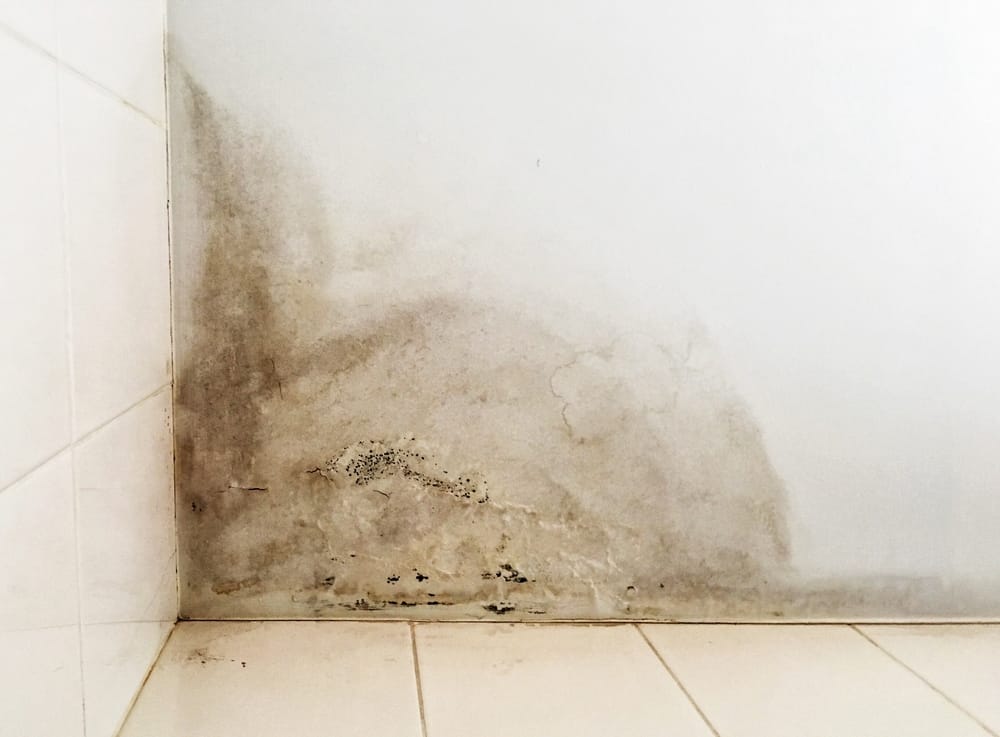
The musty smell in the basement stops being something you explain away. The dark patch on the attic sheathing stops growing. You stop wondering whether the air your family is breathing is making someone sick — and you have the lab results to prove it’s safe.
That matters more in South Farmingdale than people realize. Most of the homes here were built between the 1940s and 1960s, long before vapor barriers, modern attic ventilation standards, or moisture-resistant materials were required. Cape Cod-style homes — and there are rows of them throughout this community — have low-clearance attic spaces that trap heat and humidity. Nassau County’s dense clay soil holds water against foundations. Those two things together create conditions where mold doesn’t just appear — it keeps coming back if the job isn’t done right the first time.
Getting proper mold removal in South Farmingdale, NY also protects what you’ve built financially. Homes in this ZIP code carry a median value around $572,000. Mold issues can cut that value by 20% to 37%, and half of interested buyers walk away the moment they hear the word. A documented, cleared remediation doesn’t just fix the problem — it keeps your investment intact.
We’ve been doing this work across Nassau and Suffolk Counties for over three decades. That’s not a marketing number — it’s the difference between a company that’s seen the inside of hundreds of post-war Cape Cods, ranches, and split-levels and one that hasn’t. We’re based in West Babylon, right down the Southern State Parkway from South Farmingdale, and we show up as neighbors — not as a franchise routing your call to a dispatch center two counties away.
Every technician on our team is IICRC-certified. Not just the senior staff. Everyone. We hold the New York State licenses required for both mold assessment and remediation, and we follow the law that many homeowners don’t know exists — the one that prohibits the same company from doing both your testing and your remediation on the same property. We explain that upfront because you deserve to know the rules before you hire us.
It starts with inspection, and ours goes deeper than a visual walkthrough. We use a 5-point protocol: boroscopic wall cavity examination to look inside walls without tearing them open, air sampling, surface swab sampling, moisture level measurement, and water intrusion point identification. In South Farmingdale’s older homes — where mold often lives inside wall cavities, behind insulation, or under flooring — that thoroughness is what separates a real answer from a guess.
Once we know exactly what we’re dealing with, specimens go to a third-party lab. Results come back in 2 to 3 business days, documented with photographs and a chain-of-custody record that holds up in insurance claims and real estate transactions. That documentation matters here, where home sales are active and buyers’ agents routinely request mold clearance before closing.
Remediation follows the assessment — handled by a separate licensed team, as New York State law requires. We contain the affected area, remove the mold, and address the moisture source that caused it. If there’s water damage underneath the problem, we handle that too. The job ends with post-remediation clearance testing, so you have written, lab-confirmed proof that your home is clean. Not our word for it. Documented evidence.
Ready to get started?
Mold doesn’t limit itself to one room, and neither do we. In South Farmingdale homes, the most common problem areas are attics — especially in Cape Cods where airflow is limited and heat builds up — and basements or crawl spaces where Nassau County’s clay soil keeps the ground around your foundation consistently damp. We also handle bathroom mold removal in South Farmingdale, NY, where poor ventilation in older homes lets moisture accumulate behind tile and around fixtures for years before anyone notices.
Beyond the typical spots, we cover toxic mold cleanup in South Farmingdale, NY for more serious infestations, including black mold, and we work in both residential and commercial properties along the Route 110 corridor and throughout the surrounding area. Every job includes the full inspection protocol, lab-confirmed testing, licensed remediation, and post-clearance documentation — not a subset of it based on the size of the job.
One thing worth knowing: We offer eligible clients up to $500 toward their out-of-pocket insurance deductible for mold, water, or fire-related claims. No other mold removal company we’re aware of in this market offers that. It doesn’t change the quality of the work — it just takes one financial pressure off a situation that already has enough of them.
No — and this is something a lot of South Farmingdale homeowners don’t know until they’re already in the middle of hiring someone. New York State law specifically prohibits a licensed mold company from performing both the assessment and the remediation on the same property. The law exists to prevent conflicts of interest — if the same company tests your home and then tells you what work needs to be done, there’s an obvious incentive to overstate the problem.
What this means practically is that you need two separate licensed contractors: one for the inspection and testing, and one for the actual removal. We hold the required licenses and operate in full compliance with this law. We’ll walk you through exactly how the process works so you’re not caught off guard by it. If you’ve already been quoted by a company offering to do both under one contract, that’s worth a closer look before you sign anything.
Mold can begin growing within 24 to 48 hours of water exposure. In South Farmingdale, this becomes particularly relevant after nor’easters and heavy rain events, which regularly push water into basements and crawl spaces through foundation walls and window wells. Older homes with aging window seals and roofing are also vulnerable to interior water intrusion during storms. If you’ve had any kind of water event — even something that seemed minor — and you’re now noticing a musty smell or visible discoloration on walls or ceilings, don’t wait. The longer moisture sits, the more surface area mold claims, and the more involved the remediation becomes.
Black mold — most commonly Stachybotrys chartarum — gets a lot of attention, and for good reason. It thrives in consistently damp environments, which makes the basements and crawl spaces of South Farmingdale’s older homes a natural target, especially given Nassau County’s clay soil and the groundwater pressure it creates against foundations.
Removing it safely isn’t a DIY job. It requires proper containment to prevent spores from spreading to unaffected areas of your home, negative air pressure systems, full personal protective equipment for technicians, and careful disposal of contaminated materials. The moisture source has to be identified and corrected, or the mold will return. Every black mold job we do includes lab-confirmed identification, licensed remediation, and post-clearance testing to verify the space is safe before containment is removed. You’ll have documentation showing exactly what was found, what was done, and what the air quality readings look like after.
The actual cost depends on several factors: where the mold is, how far it’s spread, what type of mold it is, and whether there’s underlying water damage that also needs to be addressed. A small bathroom mold situation is a very different job than a full attic remediation in a Cape Cod where mold has been growing unchecked for a season or two.
What you should expect from us is a written estimate after a proper inspection — not a number given over the phone before anyone has looked at your home. If you’re going through homeowners insurance, the claim process matters too. We work alongside insurance adjusters regularly, and eligible clients can apply up to $500 toward their out-of-pocket deductible, which takes some of the financial sting out of an already stressful situation. The best thing you can do is get the inspection done first so you’re working with real numbers, not estimates based on nothing.
It comes down to how these homes were built. The Cape Cod style that lines so many streets in South Farmingdale creates low-clearance attic spaces with limited natural airflow. Add in the fact that most of these homes went up in the 1940s through 1960s — before modern ventilation requirements — and you have attics that trap heat and moisture with nowhere for it to go.
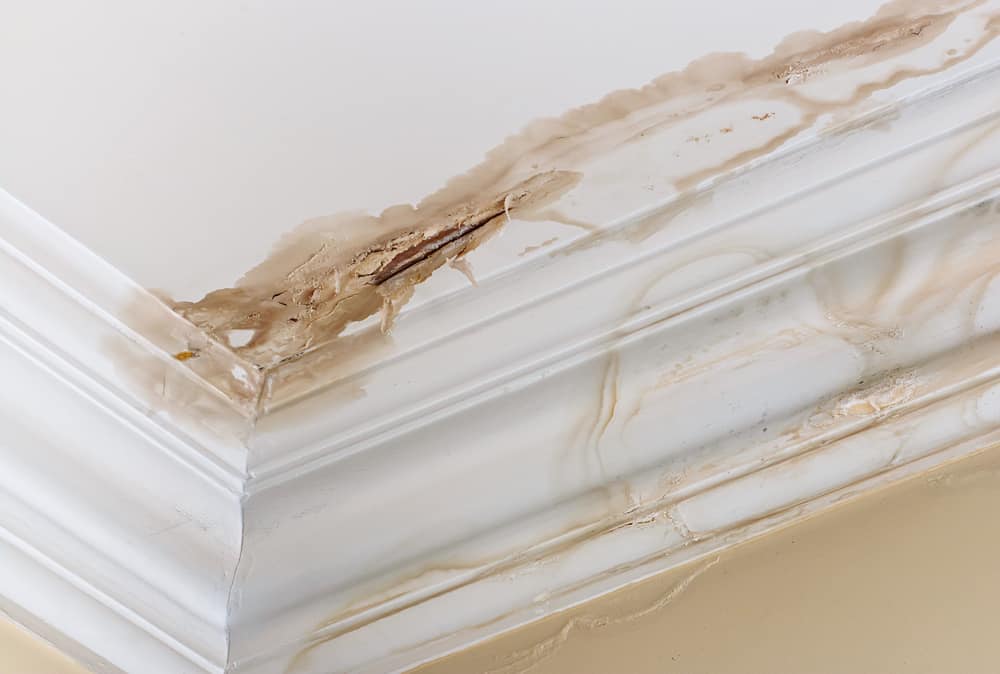
When warm, humid air from the living space below rises into an underventilated attic, it hits the cooler roof sheathing and condenses. That condensation feeds mold growth on the wood, often for months or years before a homeowner notices. Nassau County’s summer humidity — regularly above 70% — accelerates the process. Attic mold is also a common discovery during home sales, when a buyer’s inspector gets up there and finds growth the sellers didn’t know existed. If your home was built before 1970 and you haven’t had the attic checked, it’s worth doing — especially before you list the property.
It depends on the cause. Most standard homeowners insurance policies in New York will cover mold remediation if the mold is a direct result of a covered event — a burst pipe, storm-related water intrusion, or an appliance leak, for example. What they typically won’t cover is mold that developed gradually due to ongoing moisture issues or deferred maintenance, since insurers classify that as a preventable condition.
In South Farmingdale, where nor’easters and heavy rain events regularly cause basement flooding and roof damage, storm-related mold claims are common. The key is documenting the connection between the water event and the mold growth — which is exactly why chain-of-custody lab documentation and a thorough inspection report matter so much. If you have a claim in progress or are trying to figure out whether your situation qualifies, we’ve worked alongside insurance adjusters for over 30 years and can help you understand what the documentation needs to show. And if you do have a covered claim, eligible clients can put up to $500 toward their deductible through our deductible assistance program.
Useful Links
Other Services we provide in South Farmingdale