
Mold Removal in St. James, NY
North Shore Homes Deserve More Than a Surface Fix
Hear from Our Customers
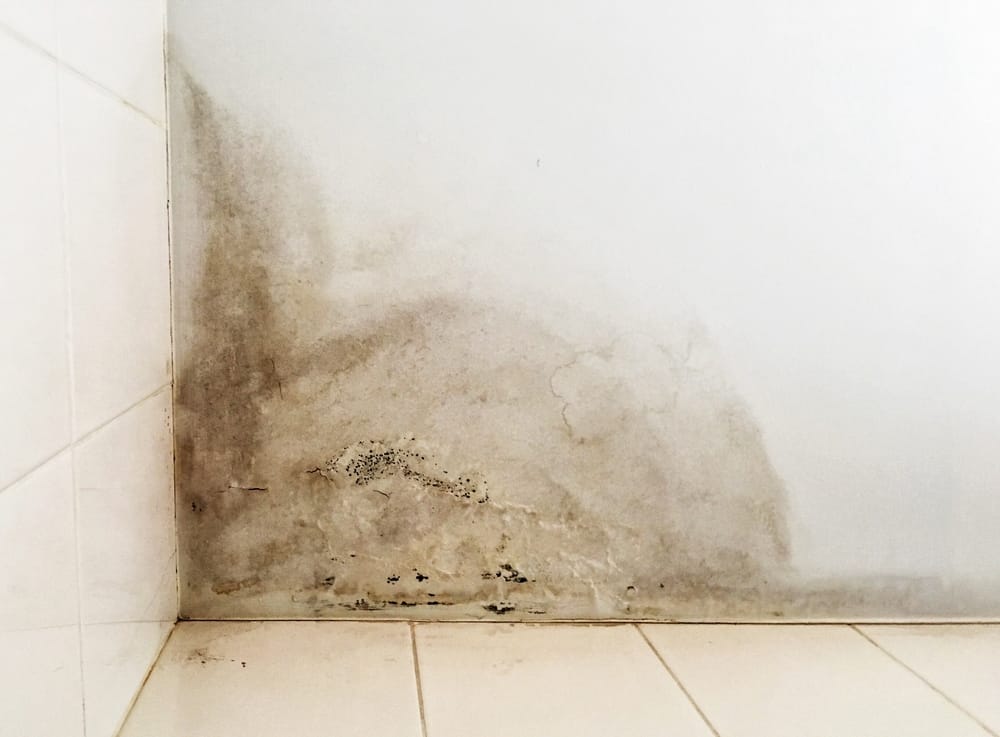
Residential Mold Removal in St. James, NY
The musty smell in the basement stops being something you explain away. You stop wondering if the air in your home is why your kid keeps coughing. That low-level anxiety about what might be growing behind the walls that goes away too. Our professional mold removal in St. James doesn’t just clean what you can see. We find what you can’t.
St. James sits close enough to Stony Brook Harbor and the Nissequogue River that ambient humidity is a year-round reality here not a seasonal inconvenience. Add the fact that a large portion of the housing stock along North Country Road and throughout the hamlet was built in the mid-20th century, with older plumbing, degraded insulation, and foundation designs that weren’t built to handle today’s storm events, and you have exactly the conditions where mold thrives quietly for months before anyone notices.
After the August 2024 North Shore flooding triggered water rescues in St. James, Nesconset, and Smithtown, a lot of basements and crawl spaces got wet and not all of them got dried properly within the 48 to 72-hour window that matters. Mold that took hold after that storm is still growing in homes right now. Getting it removed completely, with post-clearance air testing to confirm it’s gone, is what protects your family and your home’s value for the long term.
Mold Removal Companies in St. James, NY
We’ve been serving St. James and all of Suffolk County for over three decades long before mold remediation became a crowded market. That kind of tenure doesn’t happen by accident. It happens because the work is done right, the pricing is honest, and we show up the same way every time.
Our team is IICRC-certified and fully licensed under New York State’s Article 32 mold remediation requirements the law that’s been in effect since 2016 and that too many contractors quietly ignore. We don’t. We carry full licensing, bonding, and insurance, and we document everything in a way that holds up with your insurance carrier if you need it to.
St. James and the surrounding 11780 ZIP Head of the Harbor, Nissequogue, Nesconset, Kings Park are all part of the territory we’ve worked in for years. This isn’t a company learning your neighborhood. We already know it.
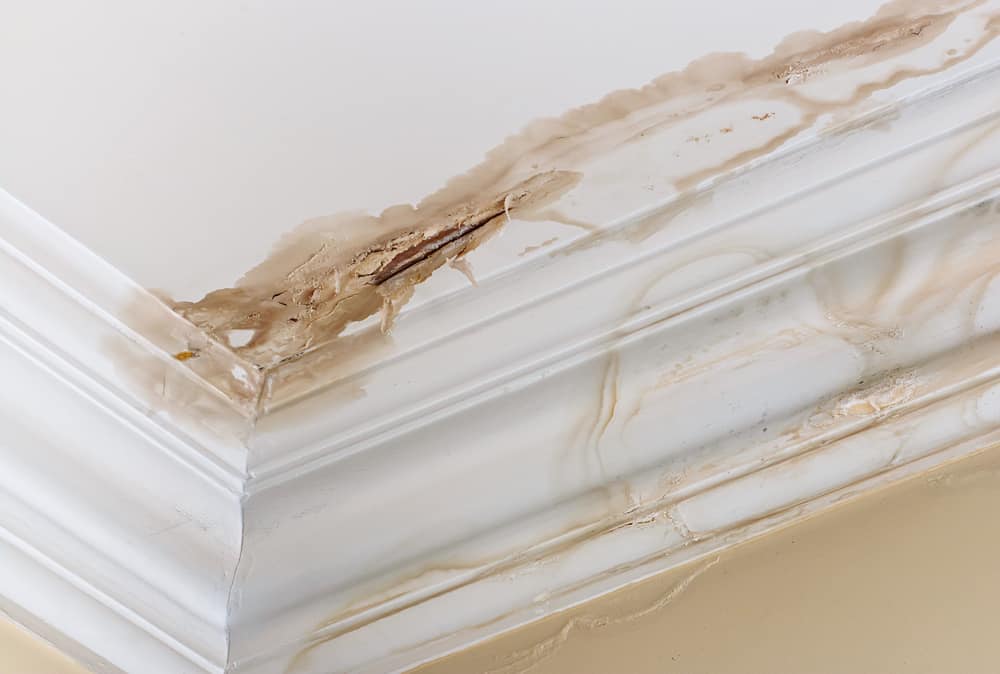
Professional Mold Removal Services in St. James, NY
It starts with a thorough inspection not a quick visual scan, but a real assessment using moisture sensors, particle counters, and air quality testing to find mold that isn’t visible to the naked eye. In older St. James homes, that often means checking inside attic spaces where condensation builds up against roof sheathing in winter, behind walls where plumbing has been slow-leaking for longer than you realize, and in basement areas that took on water during storm events.
Once the scope is clear, containment goes up before any removal begins. Negative air pressure and HEPA air scrubbers keep spores from spreading to unaffected areas of your home while the work is underway. Mold-affected materials drywall, insulation, wood framing are physically removed, not just treated with a surface spray. That distinction matters. Surface treatments don’t eliminate the root system. Physical removal does.
After the remediation is complete, post-clearance air testing confirms the job is done before anything gets rebuilt or closed back up. If your project involves structural repairs drywall replacement, framing work we handle the full restoration as well, which means you’re not left coordinating a second contractor to finish what we started. One call, start to finish.
Ready to get started?
Basement and Attic Mold Removal in St. James, NY
Mold doesn’t stay in one place. It follows moisture and moisture in St. James homes has a lot of places to go. Basement mold is the most common call, especially in homes near the lower-lying areas of the hamlet that absorbed water during the 2024 North Shore storm event. Attic mold is a close second, driven by the temperature differential between heated living spaces and unventilated attic cavities during Long Island winters. Bathroom mold, crawl space mold, and mold from slow plumbing leaks inside walls round out the most frequent scenarios.
We handle all of it residential mold removal, commercial mold removal, and the full spectrum from initial inspection through complete property restoration. For homeowners in the Saint James Historic District or in the older sections of the hamlet near Deepwells Farm on North Country Road, that sometimes means working carefully around original construction materials and flagging whether any structural remediation work will require a building permit through the Town of Smithtown.
The cost of mold removal in St. James typically runs between $1,500 and $6,000 depending on the size and location of the affected area attic and basement jobs tend to sit toward the higher end of that range. You’ll get a clear estimate before anything starts, and that number won’t change unless the scope does and if it does, we’ll tell you why before any additional work begins.
Is mold common in older St. James homes near North Country Road?
It’s more common than most homeowners expect. Homes along North Country Road and throughout the older sections of St. James were built in an era when vapor barriers were minimal, attic ventilation wasn’t a priority, and plumbing systems weren’t designed with leak detection in mind. Over decades, those conditions create the slow, hidden moisture accumulation that mold needs to establish itself often inside wall cavities, under original flooring, or in attic spaces that haven’t been opened in years.
The proximity to Stony Brook Harbor and the Nissequogue River adds ambient humidity to the equation year-round. That doesn’t mean every older home in St. James has a mold problem but it does mean the risk factors are stacked in a way that makes professional inspection worth doing, especially if you’ve noticed musty odors, unexplained allergy symptoms, or any history of water intrusion in the home.
How do I know if my basement has mold after the 2024 North Shore flooding?
The honest answer is that you often can’t tell just by looking. Mold colonizes porous materials drywall, wood framing, insulation from the inside out. By the time you see visible growth or smell something musty, it’s typically been established for weeks or longer. If your St. James basement took on water during the August 2024 storm event that triggered a State of Emergency across Suffolk County and caused water rescues in St. James and Smithtown, and it wasn’t professionally dried within 48 to 72 hours, there’s a real chance mold is present.
A professional inspection using air quality testing and moisture sensors will tell you definitively what’s there and where. That’s a far better starting point than guessing or waiting until the problem is large enough to be unmistakable. Catching it early is always less expensive and less disruptive than addressing it after it’s spread.
What's the difference between mold removal and mold remediation?
Mold removal refers to the physical act of eliminating mold from a surface or material. Mold remediation is the broader process it includes identifying the source of moisture, containing the affected area to prevent spore spread, removing mold-affected materials, treating the environment, and verifying through post-clearance testing that the problem has been fully resolved. In New York State, both activities require a licensed contractor under Article 32 of the Labor Law.
The distinction matters practically because a company that only “removes” mold without addressing the moisture source or verifying air quality afterward is leaving the door open for the problem to return. In St. James homes, where the moisture drivers harbor humidity, aging plumbing, storm infiltration are ongoing, a complete remediation process is the only approach that actually holds.
Does homeowners insurance cover mold removal in New York?
It depends on the cause. Most standard homeowners insurance policies in New York will cover mold removal if it resulted directly from a covered peril a burst pipe, storm-related water intrusion, or a sudden and accidental leak. What they typically won’t cover is mold that developed from long-term neglect, chronic humidity, or a slow leak that went unaddressed over time. The line between those two categories isn’t always obvious, and insurers don’t always make it easy to navigate.
We coordinate directly with insurance carriers, which means we document the damage properly from the start the kind of documentation that supports a claim rather than giving an adjuster a reason to deny it. If you’re unsure whether your situation qualifies, calling us before you call your insurer is often the better first move. We can help you understand what you’re working with before anything is committed to paper.
Do I need to leave my home during mold remediation in St. James, NY?
It depends on the size and location of the affected area. For smaller, contained jobs a bathroom, a section of basement wall, a crawl space most homeowners can stay in the home during remediation as long as the work area is properly contained and negative air pressure is maintained. For larger projects involving attic remediation, significant basement work, or mold that has spread through HVAC systems, temporary relocation is often the safer and more practical choice.
The containment setup we use sealed work zones, HEPA air scrubbers, negative air machines is specifically designed to prevent spores from migrating into living areas while work is underway. Before any job starts, you’ll get a clear picture of what to expect, including whether the scope of work in your St. James home warrants staying or stepping out for a few days. That conversation happens upfront, not after the crew is already inside.
How long does professional mold removal typically take in a St. James home?
Most residential mold removal jobs in St. James run between one and five days, depending on where the mold is, how far it’s spread, and whether restoration work drywall replacement, insulation, framing repairs is part of the scope. A contained bathroom or single basement wall can often be completed in a day or two. Attic remediation, which is one of the more common jobs in this area given how Long Island winters drive condensation into unventilated attic spaces, typically takes two to four days. Larger whole-home situations or projects tied to significant water damage take longer.
The timeline also accounts for post-clearance air testing, which happens after the remediation is complete and before any rebuilt materials are closed back up. That step isn’t optional it’s how you confirm the job actually worked. For homes in St. James that may also require a building permit through the Town of Smithtown for structural repairs, we can walk you through what’s needed so there are no delays once the remediation phase is done.
Useful Links
Other Services we provide in St. James