
Mold Removal in Wading River, NY
When the Sound Brings More Than a Breeze
Hear from Our Customers
Residential Mold Removal in Wading River
The musty smell in the basement stops being something you explain away. The dark patch in the attic corner stops being something you’ll “get to eventually.” When mold is removed completely not painted over, not masked you get your home back. And in Wading River, where homes are worth $640,000 or more, that matters beyond just peace of mind.
Living on the Long Island Sound means your home deals with humidity levels that inland Suffolk County communities simply don’t see. Salt air off the water degrades weatherproofing, works into older siding and framing, and keeps interior moisture elevated long after a storm passes. For homes near Wildwood State Park, dense tree canopy limits the sunlight that would otherwise dry out exterior surfaces naturally which means moisture lingers, and mold follows.
The older housing stock in Wading River compounds all of it. Homes built before modern vapor barriers and ventilation standards weren’t designed to handle what the coastal climate throws at them year-round. Getting mold removed properly with the right containment, the right equipment, and a team that understands what’s actually driving the moisture means it doesn’t come back in six months. That’s the outcome worth paying for.
Licensed Mold Removal Company in Wading River
We’ve been working in Suffolk County homes since before most of our current competitors existed. That’s not a throwaway stat it means we’ve handled mold in the waterfront cottages along Wading River Shores, in the older colonials near the village green, and in crawl spaces of homes that have sat in the shadow of Wildwood State Park for decades. We know this environment because we’ve been part of it for three decades.
We’re IICRC-certified, fully licensed under New York State’s Article 32 mold remediation law, and bonded and insured. We also work directly with insurance carriers which matters when your mold issue started with a nor’easter roof leak or a flooded basement after a Sound-side storm. You shouldn’t have to fight that battle on top of everything else.
What our customers consistently tell us is that the price we quote is the price you pay. No upsell once we’re inside. No scope creep designed to inflate the invoice. Just straightforward work done right.
Mold Remediation Process in Wading River, NY
It starts with a thorough inspection. We use moisture sensors, air quality testing, and particle counters to find mold where it’s hiding not just where it’s visible. In Wading River homes, that often means checking attic sheathing for winter condensation damage, crawl spaces for ground moisture intrusion, and wall cavities near exterior walls that face the Sound. We don’t assume. We verify.
Once we know the full scope, we set up proper containment before anything gets touched. That means plastic sheeting barriers and negative air pressure systems to make sure mold spores don’t travel to clean areas of your home during removal. Everything contaminated drywall, insulation, wood framing gets physically removed, not treated in place. HEPA filtration runs throughout the entire process.
Because Wading River straddles both the Town of Riverhead and the Town of Brookhaven, any structural repairs that follow remediation may require permits from different municipal building departments depending on your address. We’re familiar with both and handle that coordination so you don’t have to figure it out mid-project. After the work is done, post-remediation clearance testing confirms the space is clean before we consider the job finished.
Ready to get started?
Mold Removal Services in Wading River, NY
Mold doesn’t stay in one place, and neither do we. Basement mold removal in Wading River typically involves addressing the moisture source first whether that’s storm-related water intrusion, a failing sump pump, or a foundation wall that’s been absorbing Sound-side groundwater for years. Attic mold removal here is often tied to ventilation issues in older rooflines, where winter condensation builds up silently on roof decking and rafters until it’s discovered during a home inspection. Crawl space mold removal is another common call especially in homes where vapor barriers are absent or degraded, and the high water table keeps ground moisture elevated.
We also handle bathroom mold removal, where older plumbing and inadequate exhaust ventilation in historic homes create persistent moisture problems, as well as commercial mold removal for local businesses along Route 25A and the Wading River Commons area. Toxic mold cleanup including Stachybotrys, the strain most people call “black mold” follows the same rigorous containment and removal protocol regardless of where it’s found.
Every job includes a written estimate upfront, insurance coordination if applicable, and a clear timeline so you know what to expect. Our goal isn’t just to clear the mold it’s to leave your Wading River home in a condition where the problem doesn’t come back.
How do I know if my Wading River home has a mold problem?
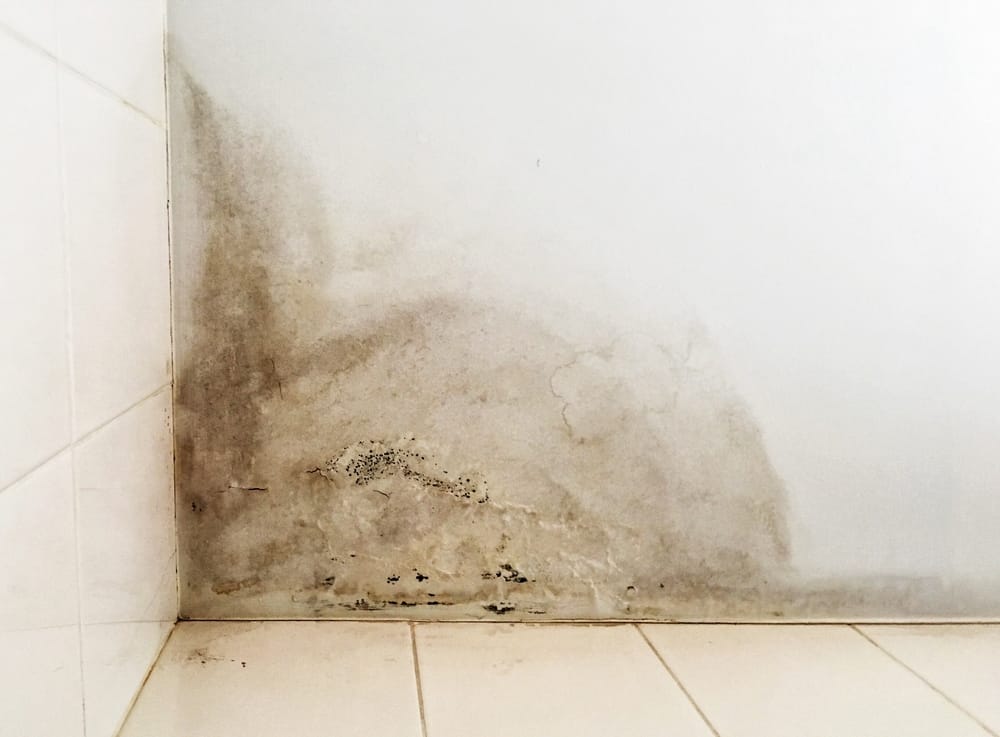
The most obvious signs are visible growth dark patches on walls, ceilings, or in corners and a persistent musty odor that doesn’t go away with cleaning or ventilation. But in Wading River homes, mold often develops in places you can’t see: behind drywall near exterior walls, in attic spaces with poor ventilation, and in crawl spaces where ground moisture has no barrier. The Long Island Sound’s humidity keeps indoor moisture levels elevated even when there’s no visible water damage, which means mold can establish itself slowly and quietly over months.
If you’ve had any water intrusion event a nor’easter roof leak, basement flooding, a burst pipe during a winter cold snap and didn’t have the area professionally dried within 48 to 72 hours, there’s a real chance mold developed. A professional inspection with moisture sensors and air quality testing is the only way to know for certain what’s in your walls and air. Don’t rely on visual checks alone, especially in an older Wading River home.
Does homeowners insurance cover mold removal in New York?
It depends on what caused the mold. If the mold resulted from a sudden, covered water event like a burst pipe or storm-related roof damage your policy may cover remediation costs. If it’s the result of long-term moisture accumulation or deferred maintenance, most policies won’t cover it. New York homeowners insurance policies vary significantly in how they handle mold, and the documentation you submit with the claim matters enormously.
This is one of the reasons working with an experienced restoration company matters from the start. We coordinate directly with insurance carriers and document damage the way adjusters need to see it not just photos, but moisture readings, air quality data, and a clear narrative connecting the mold to the covered event. For Wading River homeowners dealing with Sound-side storm damage, that documentation process is something we’ve done many times, and it can make a real difference in what your claim covers.
What does professional mold remediation actually involve?
Professional mold remediation under New York State’s Article 32 requirements and the IICRC S520 standard involves a lot more than spraying a surface and wiping it down. It starts with identifying the moisture source because if that’s not addressed, mold returns. Then comes containment: plastic sheeting barriers and negative air pressure systems that prevent spores from spreading to unaffected areas of your home during removal.
The actual removal means physically taking out contaminated materials drywall, insulation, wood framing not treating them in place. HEPA air filtration runs throughout the process to capture airborne spores. After removal, the area is treated and dried. The job isn’t considered complete until post-remediation clearance testing confirms the space meets acceptable air quality standards. In Wading River, where older homes often have multiple moisture entry points, a thorough inspection before any work begins is what separates a real remediation from a temporary fix.
How much does mold removal cost in Wading River, NY?
Cost depends on where the mold is, how far it’s spread, and what materials need to be removed. For most basement mold removal jobs in Wading River, you’re typically looking at a range of $1,500 to $6,000. Attic mold removal generally runs $1,000 to $4,000 depending on the size of the affected area and whether roof sheathing needs to be replaced. Crawl space work can range from $500 to $5,000 based on access, the extent of contamination, and whether a vapor barrier needs to be installed or replaced.
These ranges reflect real project costs not teaser estimates designed to get a foot in the door. The written estimate you receive from us before any work begins is the price you pay. For Wading River homeowners with homes valued at $640,000 or more, the cost of professional remediation is almost always significantly less than what mold damage does to a property’s value if it’s discovered during a pre-sale inspection or left to spread further.
Is attic mold common in Wading River, and why does it happen?
Attic mold is one of the most common issues we find in Wading River homes, and it usually comes as a surprise to homeowners because it develops completely out of sight. The cause is almost always the same: warm, humid air from the living space rises into a cold, under-ventilated attic during winter months and condenses on the underside of the roof sheathing. Over weeks and months, that repeated condensation feeds mold colonies on the rafters and decking and nobody knows it’s there until a home inspector finds it.
Wading River’s wooded surroundings near Wildwood State Park limit sunlight on many properties, which means rooflines stay damp longer after rain or snow. Older homes in the community many built well before modern ventilation standards are especially susceptible because the attic airflow was never designed to handle the moisture loads these structures now deal with. If your home is more than 30 years old and hasn’t had an attic inspection recently, it’s worth having one before a buyer’s inspector finds the problem for you.
Can mold come back after it's been professionally removed?
It can but only if the moisture source driving the mold wasn’t addressed during remediation. Mold is a symptom. The real problem is always moisture: a leaking roof, inadequate attic ventilation, a crawl space without a vapor barrier, a basement wall that’s absorbing groundwater. If you remove the mold without fixing what’s feeding it, you’ll be dealing with the same problem again within a season or two.
This is why the inspection phase matters so much. In Wading River, where homes face Long Island Sound humidity year-round, coastal storm exposure from nor’easters, and the moisture-trapping effect of dense wooded surroundings, there’s rarely just one moisture entry point. A thorough remediation identifies all of them not just the obvious one. Post-remediation clearance testing confirms the mold is gone. And if structural repairs are needed to seal the moisture source, we handle that as part of the full restoration process, so you’re not left coordinating a second contractor to finish what the first one started.
Useful Links
Other Services we provide in Wading River