
Mold Removal in West Islip, NY
When Bay Air and Old Walls Work Against You
Hear from Our Customers
Basement Mold Removal West Islip, NY
The musty smell stops being something you explain away. The corner of the basement you’ve been avoiding becomes usable again. And the quiet worry about what your family has been breathing that goes away too. That’s what a proper mold removal job in West Islip actually delivers.
Most of the homes in West Islip were built around 1960, before vapor barriers and modern waterproofing were standard. Concrete block foundations, aging crawl spaces, and decades-old attic ventilation don’t hold up well against the persistent humidity that rolls in off the Great South Bay especially in the canal neighborhoods south of Montauk Highway where the water table is never far below the surface. Mold doesn’t need much of an invitation in conditions like these.
When the remediation is done right, you’re not just getting rid of what’s visible. You’re getting rid of what’s been growing inside wall cavities and behind old drywall for months. Your home’s air quality improves. Your property holds its value. And if you were dealing with this before a home sale or refinance, that obstacle is gone. For West Islip homeowners with significant equity on the line the median home value here is over $640,000 that’s not a small thing.
Mold Removal Companies in West Islip, NY
We’re based in West Babylon right next door to West Islip, separated by Sumpwams Creek. That’s not a technicality. It means when you call, someone who actually knows this area is picking up, and a crew that has worked these streets, these neighborhoods, and these homes for over three decades is the one showing up.
We’re IICRC-certified and fully licensed under New York State’s Article 32 mold remediation requirements the law that’s been in effect since 2016 and that many homeowners don’t know to ask about. Every job is handled by trained technicians, not subcontractors. And the pricing you’re quoted before the job starts is what you pay when it’s done no scope inflation, no surprise line items.
We already have an established track record in West Islip through water damage restoration work. Mold removal is the natural extension of that because in most cases in this community, one follows the other.
Professional Mold Removal Services West Islip, NY
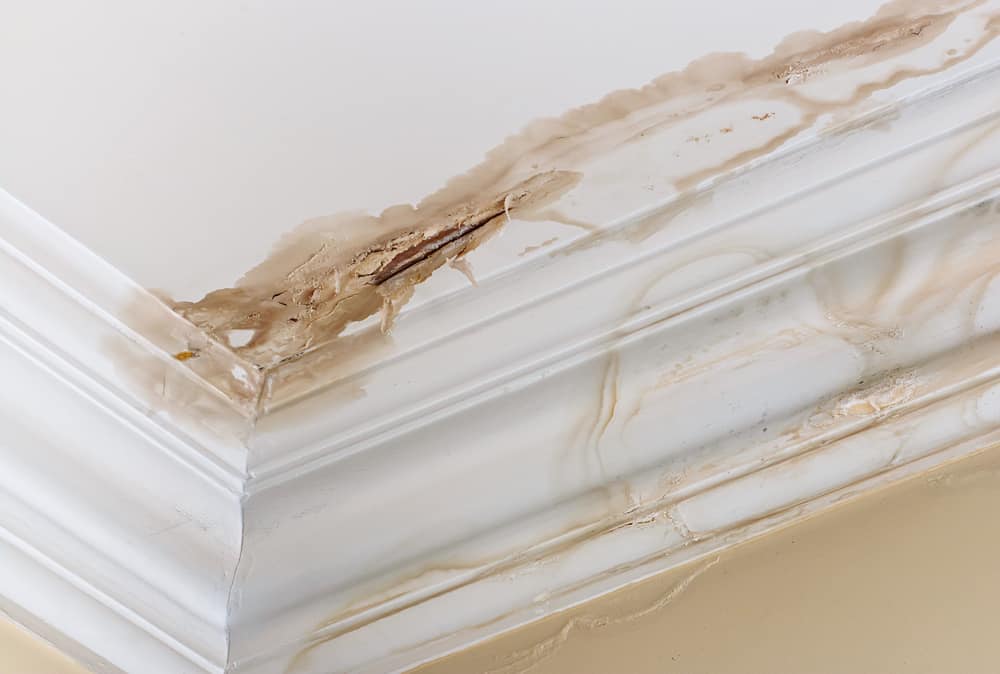
It starts with a thorough inspection not a quick visual walkthrough, but a real assessment using moisture meters and air sampling to find where the mold actually is, including inside walls and above ceilings where you can’t see it. In West Islip’s older housing stock, mold rarely stays where it started. It spreads, and finding the full extent of it before any work begins is what separates a real remediation from a surface wipe-down.
Once the scope is confirmed, containment goes up. That means the affected area is isolated so spores don’t travel to the rest of your home during the removal process. From there, the mold is removed at the source not masked, not painted over. Depending on what’s behind the walls, that may involve removing drywall, treating framing, or addressing insulation that’s been compromised. HEPA air scrubbers run throughout the process to pull airborne particles out of the space.
Under New York State’s Article 32 law, the assessment and the remediation must be handled by separate entities so if you need a formal mold assessment before work can begin, we can walk you through how that works and what to expect. After remediation is complete, post-clearance testing confirms the space is clean. The work isn’t signed off until the air quality numbers back it up.
Ready to get started?
Residential Mold Removal Services West Islip, NY
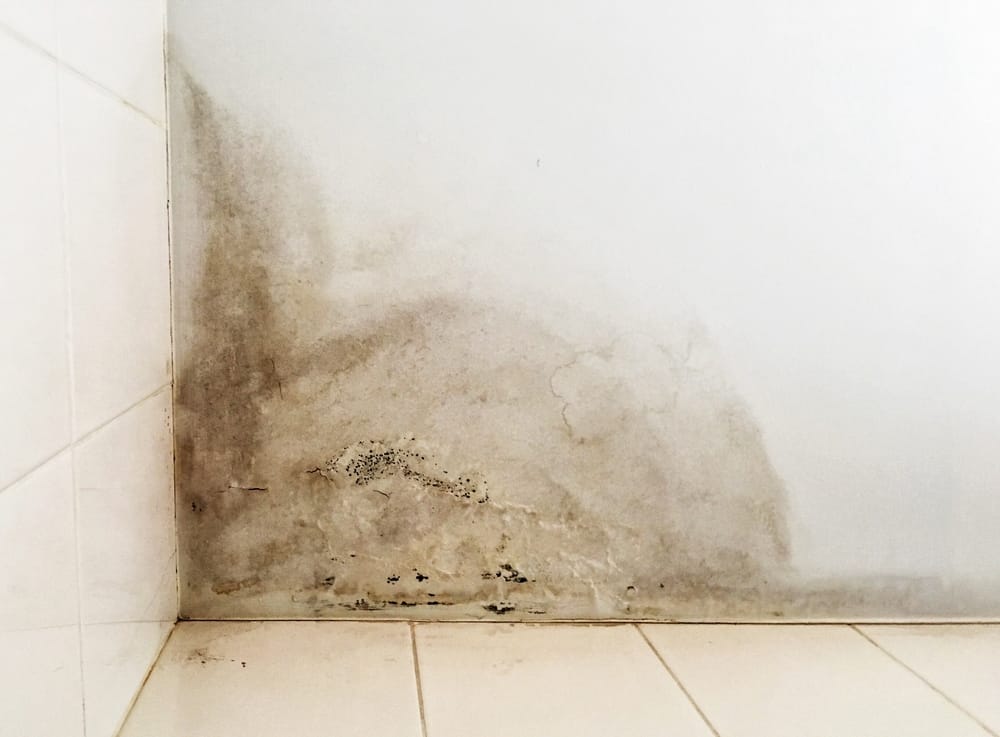
Basement mold removal is the most common call in West Islip and for good reason. The combination of aging foundations, high groundwater levels near the bay, and the flooding history south of Montauk Highway creates conditions where basement moisture is less of an “if” and more of a “when.” We handle full basement mold remediation including containment, source removal, structural drying, and post-clearance verification.
Attic mold removal is the second most frequent issue in West Islip’s mid-century homes. When heating systems push warm air into a poorly ventilated attic during winter, condensation builds on the roof sheathing and mold follows. This is one of the most commonly missed problems during routine home maintenance, and one of the most common flags in home inspections before a sale. Crawl space mold removal is equally relevant for homes in this area that were built on piers or partial foundations rather than full basements.
Beyond residential work, we also handle commercial mold removal in West Islip for businesses along the Sunrise Highway and Montauk Highway corridors, as well as properties connected to the Good Samaritan University Hospital campus. Whether it’s a single room or a full building, the process is the same: find it, contain it, remove it, verify it. And because we’re a full-service restoration company, water damage, structural repairs, and final cleaning are all handled under one roof so you’re not coordinating three different contractors after a flood.
How do I know if I need professional mold removal or can handle it myself?
The general rule under New York State guidelines is that mold covering more than ten square feet requires a licensed professional to remediate and in West Islip, most mold problems that homeowners discover are already beyond that threshold by the time they’re visible. What you see on the surface is usually not the full picture, especially in homes built in the 1950s and 1960s where wall cavities, insulation, and subfloor materials have been absorbing moisture for decades.
DIY mold removal with store-bought products can address surface growth in limited areas, like a bathroom ceiling or a small section of drywall. But if the mold is in your basement, attic, or crawl space or if it showed up after a water intrusion event you’re almost certainly dealing with something that goes deeper than what you can reach with a spray bottle. Disturbing mold without proper containment also releases spores into the air, which can spread the problem to areas of your home that weren’t affected before. Getting a professional assessment first tells you exactly what you’re dealing with before you make that call.
What does mold removal typically cost for a home in West Islip, NY?
For most residential mold removal jobs on Long Island, you’re looking at a range of roughly $1,200 to $6,000 depending on the size of the affected area, where the mold is located, and how much structural material needs to be removed and replaced. Basement and attic jobs the two most common in West Islip tend to fall in the middle to upper end of that range because they often involve more square footage and more hidden growth than a bathroom or laundry room situation.
The biggest driver of cost isn’t usually the mold itself it’s what’s behind it. If the mold has reached the framing, subfloor, or roof sheathing, that material needs to come out and be replaced, which adds to the overall scope. That’s why getting an honest, detailed estimate before any work begins matters. We provide upfront pricing before the job starts, and what’s quoted is what’s charged. West Islip homeowners with homeowners insurance or flood insurance may also have coverage for mold remediation depending on the cause we work directly with insurance carriers to help document and process those claims.
Can mold come back after it's been professionally removed?
Yes if the moisture source that caused it isn’t addressed, mold will return. Removing mold without fixing the underlying problem is like mopping up a leak without turning off the water. In West Islip, the most common reasons mold comes back after remediation are unresolved basement water infiltration through aging foundations, inadequate attic ventilation that continues to create condensation in winter, and crawl spaces that weren’t properly sealed or dehumidified after the initial job.
A professional remediation that’s done correctly addresses both the mold and the conditions that allowed it to grow. That means identifying and correcting the moisture source whether that’s a drainage issue, a ventilation deficiency, or a structural gap that’s letting water in. Our full-service approach includes moisture control and structural repairs alongside the mold removal itself, which is one of the reasons the work holds up. Post-remediation air quality testing also confirms the space is clean before the job is closed out, giving you a documented baseline to reference if any future concerns come up.
Does homeowners insurance cover mold removal in West Islip?
It depends on the cause. Most standard homeowners insurance policies will cover mold removal if the mold resulted from a covered event like a burst pipe, an appliance leak, or storm-related water damage. What they typically won’t cover is mold that developed from long-term neglect, gradual seepage, or flooding from an external water source, which is where a separate flood insurance policy becomes relevant. For West Islip homeowners in FEMA-designated flood zones particularly in the southern neighborhoods near the Great South Bay flood insurance through the National Flood Insurance Program may cover water damage that standard policies exclude.
The claims process for mold remediation can get complicated quickly, especially when both a homeowners policy and a flood policy are potentially involved. Documentation matters enormously: the scope of damage, the cause, and the timeline all factor into how a claim is evaluated. We handle insurance coordination directly, preparing the documentation insurers need and working with your adjuster so you’re not navigating that process alone while also managing a mold situation in your home.
How long does mold removal take from start to finish in a typical West Islip home?
For a contained basement or attic mold problem in a single-family home which covers the majority of jobs in West Islip the active remediation work typically takes one to three days. Larger jobs involving multiple areas, significant structural removal, or post-storm damage across several rooms can run longer. The timeline also depends on how quickly the affected materials dry before post-clearance testing can be completed.
What often surprises homeowners is that the assessment and clearance testing add time on either end of the job but those steps are what make the remediation legally defensible and verifiably complete under New York State’s Article 32 requirements. If you’re dealing with a mold situation that came up during a home sale or refinance, timeline matters a lot. We prioritize scheduling for time-sensitive situations and can give you a realistic project timeline after the initial assessment. For post-storm or post-flooding situations the kind that West Islip’s South Shore location makes more likely than most emergency response is available around the clock.
Is the mold in my West Islip canal-front home more difficult to remediate than a standard property?
Canal-front and bay-adjacent homes in West Islip South do present a more challenging moisture environment than inland properties, and that affects both the remediation process and the long-term strategy for keeping mold from returning. When your home sits directly on or near a canal, the water table is close to the surface year-round. Tidal fluctuations affect groundwater levels, and the ambient humidity in dock-level storage areas, crawl spaces, and lower-level living spaces is consistently higher than what you’d find in a home a mile inland.
That doesn’t mean remediation is impossible it means the approach has to account for ongoing moisture exposure rather than treating the job as a one-time fix. In practice, that often includes more aggressive moisture control measures: encapsulation of crawl spaces, continuous dehumidification systems, and closer attention to foundation gaps and drainage. We’ve worked in canal-front and waterfront properties along the South Shore for over 30 years and understand the difference between remediating a home with a typical basement moisture problem and one where the water table is a permanent neighbor. If your property is in this category, that context shapes every recommendation from the first inspection forward.
Useful Links
Other Services we provide in West Islip