
Hear from Our Customers
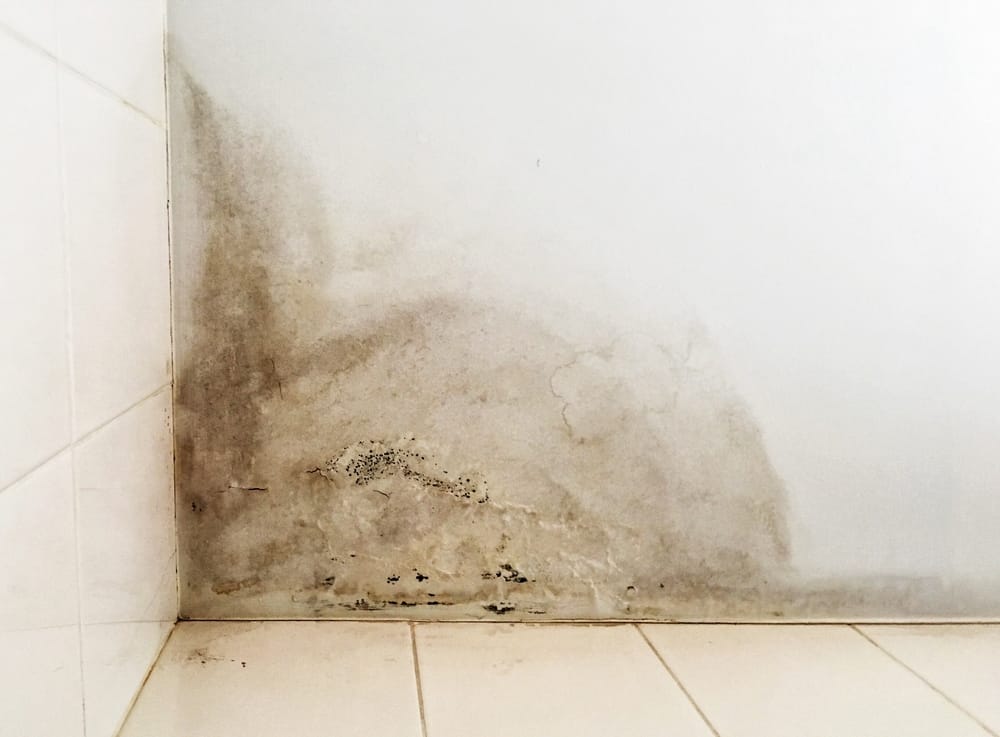
When mold is handled correctly — not just sprayed and painted over — the difference is immediate and lasting. The air in your home feels different. You stop second-guessing what’s behind that wall or under that floor. You stop wondering if it’s coming back next spring when the water table rises again.
That last part matters here specifically. Williston Park sits on Nassau County’s notoriously high water table, and with homes packed onto lots under a square mile of land, there’s limited room for rainwater to go anywhere but toward your foundation. When groundwater finds its way into a century-old basement — and it does — mold can take hold within 24 to 48 hours. Getting rid of it properly means your home stops being a liability and starts being the asset it should be at $800,000-plus in today’s market.
For families in Williston Park, it also means your kids aren’t breathing in something that shouldn’t be there. This village is a place people move to for the schools, the neighborhood, the stability. Mold threatens all of it — your home’s value, your family’s health, and your peace of mind. Proper remediation with clearance testing gives you documented proof that the problem is gone, not just covered up.
We’ve been working across Long Island — Nassau and Suffolk — for over three decades. That’s not a tagline. It means we’ve been inside the kind of homes that line the college-named streets of Williston Park long before mold remediation became a crowded Google search result.
Every technician on our crew holds IICRC certification. Not the owner. Not the supervisor. Everyone. In a category where subcontracting and uncertified labor are common, that’s a standard worth paying attention to. We also carry the licensing required to operate legally in Nassau County — including compliance with New York State’s Article 32 mold law, which requires separate licensing for assessment and remediation. That’s not optional here, and not every company in this market follows it.
We handle water damage restoration alongside mold remediation, which matters because mold doesn’t appear without a moisture source. One call covers both sides of the problem.
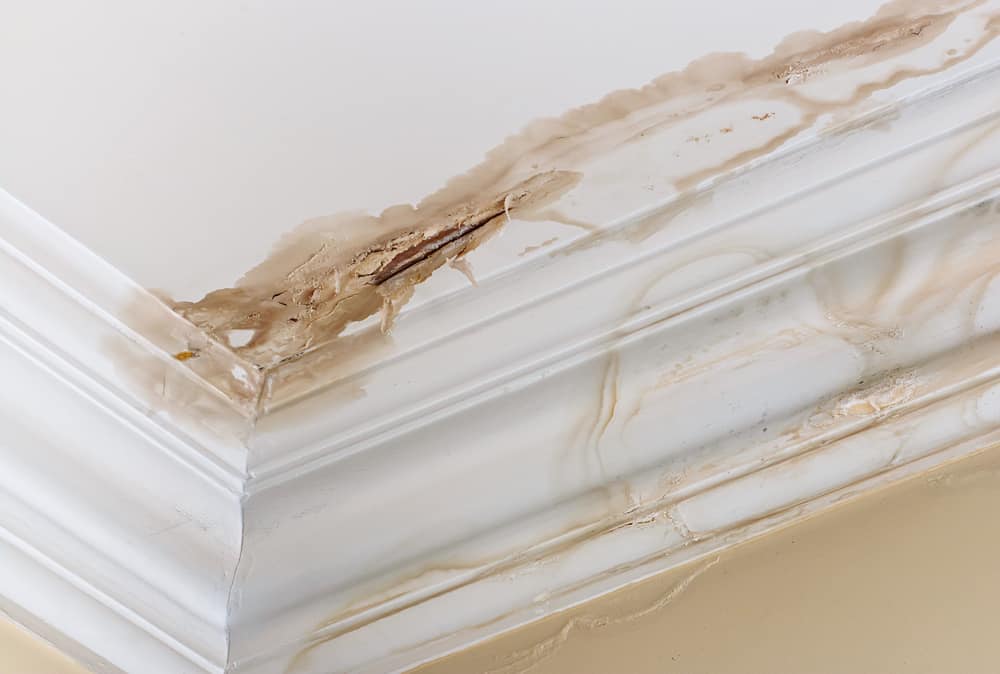
It starts with a thorough inspection — not a quick walkthrough, but a certified technician assessment that includes air sampling, surface swab sampling, moisture measurement, and boroscopic examination of wall cavities where mold hides without showing itself. In Williston Park’s older Dutch Colonial and Cape Cod homes, that last step is especially important. Original framing, finished attic spaces, and century-old wall assemblies can harbor significant mold growth with zero visible signs at the surface.
Once the scope is confirmed, remediation begins with full containment — plastic sheeting, negative air pressure, and HEPA air scrubbers to isolate the work area from the rest of your home. Contaminated materials are physically removed, not treated in place. Surfaces are HEPA-vacuumed and treated with antimicrobial agents. The goal is elimination, not suppression.
After the work is done, post-remediation clearance testing is performed using independent lab analysis. Results come back within two to three business days with chain-of-custody documentation — the kind that holds up in a real estate transaction, an insurance claim, or a legal dispute. In a market where homes sell in under 30 days and two-thirds go above asking price, having that paperwork in hand is not a minor detail. It’s what separates a clean sale from a deal that falls apart at inspection.
Ready to get started?
Mold removal in Williston Park, NY covers a range of problem areas, and each one comes with its own set of conditions. Basement mold removal addresses the groundwater intrusion and hydrostatic pressure that Nassau County homeowners deal with year-round — not just after a storm. Attic mold removal targets the condensation-driven growth that builds up over heating seasons in the steeply pitched roofs common to this village’s period homes. Bathroom mold removal handles the surface and cavity growth that comes with aging plumbing and poor ventilation in homes that predate modern building standards. Crawl space mold removal addresses the damp, low-airflow environments that period construction often left behind.
Every job includes the full inspection protocol, containment setup, physical removal of contaminated materials, antimicrobial treatment, HEPA air scrubbing, and post-remediation clearance testing with third-party lab results. If the mold was caused by water damage — a failed sump pump, a burst pipe, an ice dam that backed up under the roof — we handle that water damage restoration work with the same team. You’re not coordinating two separate contractors while mold continues to spread.
Nassau County also requires contractors performing mold work to hold an Environmental Hazard Remediation Provider license from the county Department of Health, on top of state-level licensing. We operate in full compliance with both — and if you’re working through an insurance claim, our deductible coverage program offers up to $500 toward your out-of-pocket costs.
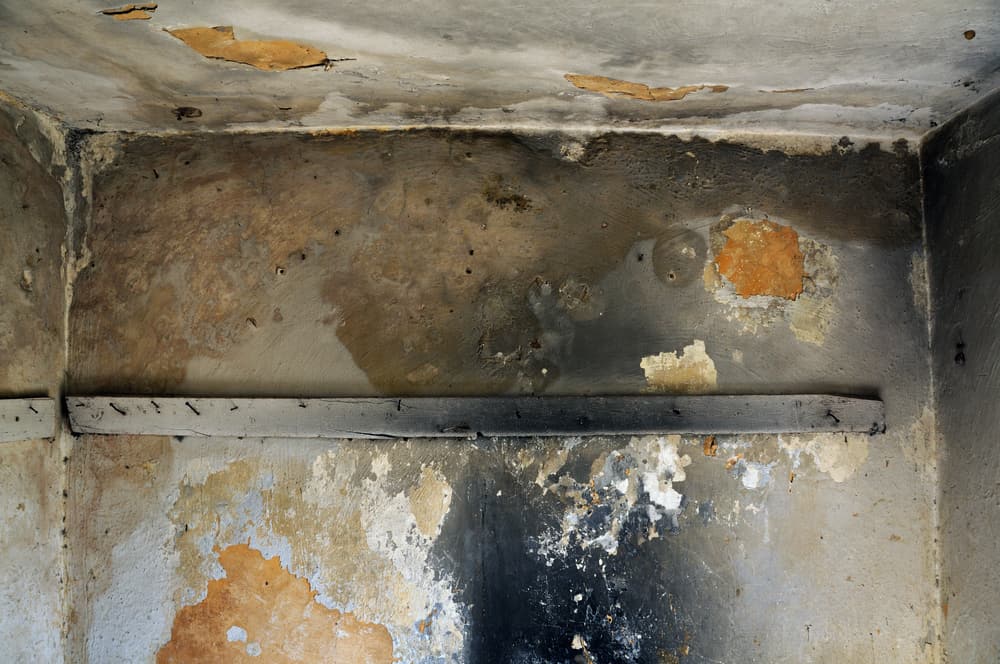
Yes — and it’s not close. Williston Park’s housing stock is predominantly from the 1920s through the 1940s. The original Chatlos “Happiness Homes” and the period construction that followed were built before modern moisture barriers, vapor retarders, and waterproofing systems existed. That means original framing lumber has absorbed and released humidity through a century of seasonal cycles. Foundations were poured without the drainage systems that protect newer homes. Plumbing has aged, corroded, and developed slow leaks that feed moisture into wall cavities for months before anyone notices.
In newer construction, a moisture problem is often caught early because the building materials are tighter and more predictable. In a 90-year-old Dutch Colonial, moisture finds paths that weren’t engineered to be sealed. Mold establishes itself in those spaces — behind plaster, inside wall cavities, under original flooring — and can grow extensively before there’s any visible sign at the surface. That’s exactly why our inspection process includes boroscopic wall cavity examination, not just a visual walkthrough.
The honest answer is that it depends on the scope, location, and severity of the growth. For most residential jobs in Williston Park, mold remediation runs somewhere between $2,300 and $7,000. Standard room remediation typically falls in the $10–$25 per square foot range. Attic and crawl space work — which requires more access effort and is extremely common in Williston Park’s Cape Cod and Dutch Colonial homes — tends to run $15–$30 per square foot due to the difficulty of working in confined, low-clearance spaces.
What drives cost up is usually what’s hidden. A surface mold problem in a bathroom is a different job than mold that has colonized the structural framing in an attic that’s been slowly accumulating condensation for years. Our inspection process exists specifically to define that scope before any work begins, so you know what you’re dealing with and what it will cost before you commit. If you’re filing a homeowners insurance claim, our deductible coverage program — up to $500 — reduces your out-of-pocket exposure. That program is worth asking about when you call.
It can — if the moisture source that caused it isn’t addressed. This is the part that separates a real remediation from a surface-level cleanup. Mold is a symptom. The cause is almost always water: a foundation that’s allowing groundwater in, a plumbing leak inside a wall, an attic that’s not ventilated properly, or a sump pump that failed during one of Nassau County’s increasingly intense rainfall events. In August 2024, Governor Hochul declared a state of emergency in Nassau County following record rainfall that caused widespread flooding across Long Island. Homes that had “dealt with” mold before were dealing with it again — because the underlying moisture problem was never fixed.
When we handle a job, the water damage component is part of the scope — not a referral to someone else. The mold gets removed, and the condition that allowed it to grow gets addressed. Post-remediation clearance testing then confirms the space is clean before the job is considered done. That’s the difference between solving the problem and postponing it.
It depends on the location and extent of the mold, and on whether anyone in the household has respiratory sensitivities, allergies, or immune vulnerabilities. For smaller, contained jobs — a bathroom, a section of a basement — it’s often possible to remain in unaffected areas of your home while work is underway, because our containment setup (plastic sheeting, negative air pressure, HEPA air scrubbers) isolates the work zone from the rest of the living space.
For larger jobs — significant attic mold, extensive basement contamination, or mold that has spread through multiple areas — temporary relocation during active remediation is sometimes the more cautious choice, especially for households with young children, elderly residents, or anyone with asthma or compromised immune function. The technician assessing your home will give you a straight answer on this based on what they find, not a one-size-fits-all recommendation. Our containment protocols are designed to minimize disruption and exposure — but the right call depends on your specific situation.
Sometimes — and the answer usually hinges on what caused the mold. If the mold resulted from a sudden, covered water damage event — a burst pipe, an appliance failure, storm-related water intrusion — most standard homeowners insurance policies will cover the resulting mold remediation as part of the water damage claim. If the mold developed from a slow leak, long-term humidity, or gradual seepage that the insurer considers a maintenance issue, coverage is often denied.
Nassau County’s high water table and aging housing stock create a lot of gray area here. Groundwater seeping through a 90-year-old foundation wall is technically gradual — but it may have been triggered or worsened by a specific storm event that is covered. How the damage is documented matters enormously in these situations. Our inspection process produces chain-of-custody documentation that meets legal evidence standards — the kind that supports an insurance claim and gives your adjuster a clear, professional record of what was found and where. Our $500 deductible coverage program also helps offset your out-of-pocket costs if a deductible applies.
New York State requires separate licensing for mold assessment and mold remediation under Article 32 of the NYS Labor Law, which took effect in January 2016. That means the same company cannot legally perform both the inspection and the remediation on the same property — they require two separately licensed entities. Any contractor telling you they can assess and remediate under a single license is not operating legally in New York.
Nassau County adds a second layer: contractors performing mold work here must hold an Environmental Hazard Remediation Provider license issued by the Nassau County Department of Health, on top of the state-level requirement. This is a Nassau County-specific rule that many homeowners don’t know about — and that some out-of-area contractors operating in Williston Park don’t comply with. Before you hire anyone for mold removal in Williston Park, NY, ask directly whether they hold both the NYS DOL mold license and the Nassau County EHRP license. A compliant contractor will answer that question without hesitation.
Useful Links
Other Services we provide in Williston Park