
Water Damage Restoration in Malverne, NY
When 80-Year-Old Pipes Fail, Every Hour Counts
Hear from Our Customers

Flood Damage Restoration in Malverne, NY
Water damage doesn’t stop when the water does. Moisture hides inside walls, beneath original hardwood floors, and behind the plaster that defines so many of Malverne’s older homes. If it’s not fully extracted and dried not just surface-dry, but structurally dry you’re looking at wood rot, compromised framing, and mold that shows up weeks later when you thought the problem was behind you.
For a home worth close to $790,000 in today’s Malverne market, that’s not a small risk. Incomplete restoration can quietly erode the value of your biggest asset, and in a village where homes sell fast and buyers are sharp, hidden moisture or mold found during an inspection can derail a deal entirely.
What you get from a job done right is simple: dry walls, clean air, and a home that’s structurally sound. No lingering odor. No mold developing in a basement corner two months later. No insurance headaches from documentation that wasn’t done correctly. You get your home back the way it was, or better.
Water Damage Restoration Companies in Malverne, NY
We’ve been serving Malverne and the surrounding Nassau and Suffolk Counties for approximately 30 years. That’s three decades of South Shore homes, aging infrastructure, nor’easters, and the specific challenges that come with restoring pre-war construction the kind that makes up most of Malverne’s roughly 3,247 housing units.
Our team is IICRC-certified, which matters more than it might sound. That certification means the work follows the ANSI/IICRC S500 Standard the same benchmark insurance companies and courts use to determine whether a restoration job was done correctly. When you’re filing a claim on a home in Nassau County, that documentation is what stands between a paid claim and a denied one.
We also offer up to $500 toward your deductible on qualifying claims a real, tangible benefit for Malverne homeowners already managing some of the highest property tax bills in New York State.
Emergency Water Extraction in Malverne, NY
The first call triggers dispatch. We operate 24/7 with a dedicated Nassau County line 516-698-1776 answered by a real person, not a voicemail system. Whether it’s a burst pipe at 2 AM in January or a sump pump that gave out during a nor’easter, our team gets moving immediately.
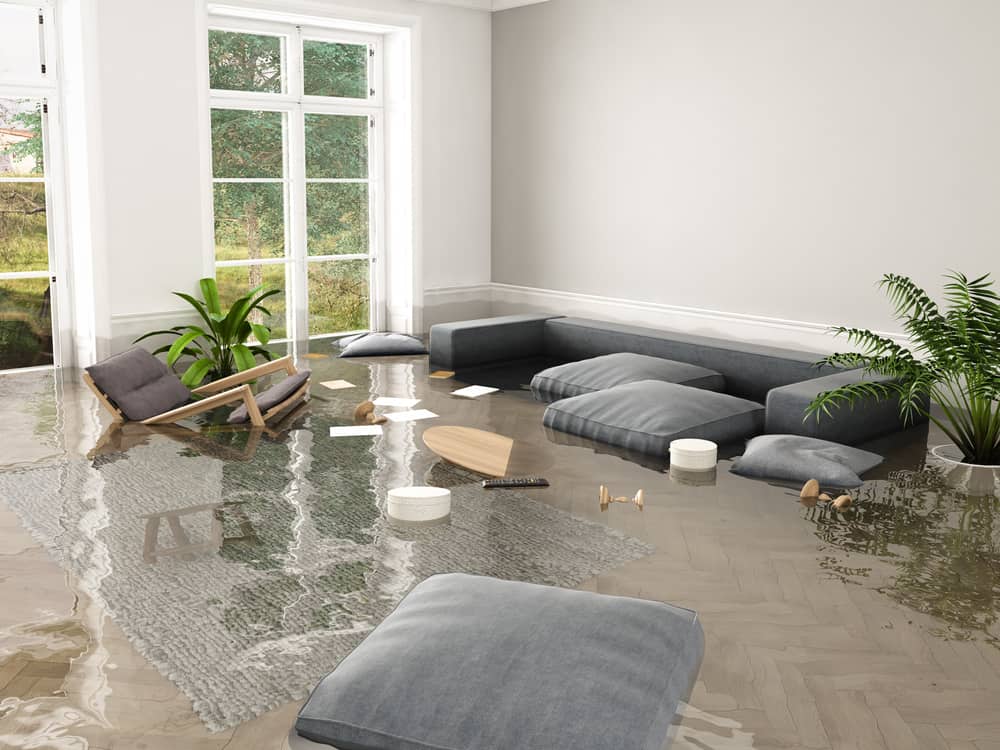
On arrival, the priority is stopping any active water source and beginning emergency water extraction. Commercial-grade equipment goes to work pulling standing water from the affected areas basements, finished floors, wall cavities before moisture has the chance to migrate further into the structure. In Malverne’s older homes, where original plaster walls and decades-old insulation absorb water quickly, this step is time-critical.
Once extraction is complete, the drying phase begins. Industrial air movers and dehumidifiers run continuously, with moisture readings tracked at regular intervals to confirm the structure is reaching safe drying benchmarks. This isn’t guesswork it’s a documented process. The Village of Malverne Building Department may require permits for structural repairs following water damage, and we handle the documentation that supports both the permitting process and your insurance claim from start to finish.

Ready to get started?
Residential Water Damage Cleanup in Malverne, NY
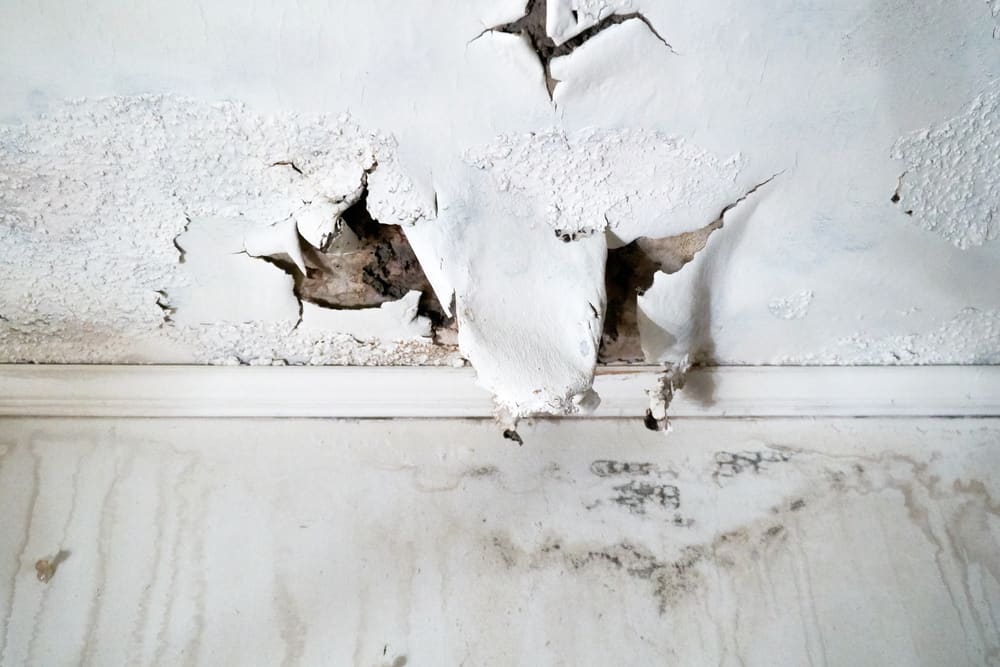
Water damage restoration in Malverne covers a lot of ground depending on what happened and where. Basement flooding from a failed sump pump during a South Shore storm is a different job than ceiling water damage from a second-floor supply line failure but both need the same level of attention to what you can’t see, not just what you can.
We handle the full scope: emergency water extraction, structural drying, moisture mapping, mold prevention treatment, and reconstruction. For Malverne homeowners, that last part matters. A lot of restoration companies hand you off to a separate contractor when the drying is done. We take the job through to completion walls repaired, floors restored, the home back to livable condition without you managing a revolving door of trades.
Mold remediation is also part of the picture when moisture has been present long enough. Under New York State Labor Law Article 32, mold remediation work requires licensing through the NYS Department of Labor. We operate in full compliance with New York State requirements, giving Malverne homeowners the assurance that the work is not only done right, but done legally.

How quickly can a water damage company reach my Malverne home after I call?
Speed is everything in water damage situations. We operate true 24/7 emergency dispatch with a dedicated Nassau County line not a national call center routing your call to whoever’s available. That means when you call at midnight because your basement is flooding, you’re talking to someone who can actually send a team to Malverne.
Response times vary based on location and demand, but our goal is always to arrive within hours not the next business day. In Malverne, where homes are densely situated and basements are nearly universal, water that sits overnight can saturate original plaster walls, original hardwood subfloors, and aging insulation in ways that take significantly longer and cost significantly more to remediate. Getting there fast isn’t a selling point it’s the difference between a manageable job and a major structural problem.
Will my homeowner's insurance cover water damage restoration in Nassau County?
It depends on the cause, and the distinction matters a lot. Most standard homeowner’s insurance policies cover sudden and accidental water damage a burst pipe, an appliance failure, a roof leak from wind-driven rain during a nor’easter. What they typically don’t cover is gradual damage: a slow leak that’s been going on for months, or a foundation that’s been seeping groundwater over time.
For Malverne homeowners, the most common gray area involves basement flooding. If your basement flooded because your sump pump failed during a storm, that may fall under your policy’s equipment breakdown or water backup rider if you have one. Flood damage from rising groundwater or storm surge is typically only covered by a separate NFIP flood insurance policy. The documentation we provide is critical to how your claim is evaluated. We work directly with insurance adjusters and provide the moisture readings, extraction logs, and photo documentation that give your claim the best chance of being processed correctly.
How does water damage in an older Malverne home differ from a newer construction?
Significantly. Malverne’s housing stock has a median construction year of 1942, which means most homes in the village are working with original or near-original plumbing, drainage systems, and building materials that behave very differently from modern construction under water damage conditions.
Plaster walls common in pre-war Malverne Tudors and Cape Cods absorb moisture more aggressively than modern drywall and hold it longer. Original hardwood subfloors can cup and buckle faster. Aging galvanized pipes are more prone to corrosion and secondary failures after a water event stresses them. And older foundation waterproofing, if it hasn’t been updated, may allow groundwater to continue infiltrating even after the primary damage source is addressed. Restoration in these homes requires more careful moisture mapping, longer drying cycles, and a more experienced eye for where water is likely to travel within the structure. A technician who’s only worked in newer construction may miss what’s happening inside an 80-year-old wall cavity.
What's the difference between water mitigation and full water damage restoration?
Mitigation is the emergency phase stopping the damage from getting worse. That includes water extraction, initial drying, and stabilizing the structure so further deterioration doesn’t occur. It’s essential, but it’s not the whole job.
Restoration is what comes after: repairing or replacing what was damaged, rebuilding what couldn’t be saved, and returning the home to its pre-loss condition. For Malverne homeowners, this often means addressing original materials that aren’t easy to match period-appropriate trim, plaster finishes, original hardwood floors which is why working with a company that handles both phases matters. If your mitigation company hands you off to a separate contractor for reconstruction, you’re now coordinating two different businesses, two different timelines, and two different sets of documentation for your insurance claim. We handle both, which keeps the process cleaner and your claim more straightforward.
Can mold really develop that quickly after a basement flood in Malverne?
Yes and in Malverne’s older homes, the conditions are particularly favorable for it. Mold can begin colonizing within 24 to 48 hours of a moisture event, especially in spaces with limited airflow, organic materials like wood framing and drywall, and temperatures in the range that most basements maintain year-round.
Malverne’s pre-war construction adds another layer of concern. Original wood framing, decades-old insulation, and plaster that’s absorbed moisture over multiple seasons create an environment where mold doesn’t just grow on surfaces it moves into the structure itself. A basement that looks dry to the eye after a basic pump-out may still have moisture readings well above safe thresholds inside the walls and beneath the slab. That’s why professional moisture mapping matters: it tells you what’s actually happening inside the structure, not just what’s visible. Mold remediation in New York State also falls under specific licensing requirements, so if mold is found during the restoration process, you want a company that can handle it legally and completely not one that refers you elsewhere.
Does First Response Restoration really cover part of my deductible, and how does that work in Malverne?
Yes, and it’s straightforward. We offer up to $500 toward your out-of-pocket deductible on qualifying water, fire, and mold damage claims. There’s no complicated application process it’s applied directly to your job when you work with us on an insurance claim.
For Malverne homeowners, this carries real weight. Property taxes in the village exceed $10,000 per year for the median household, and a water damage deductible typically runs anywhere from $1,000 to $2,500 depending on your policy. That $500 credit doesn’t change the scope of the work or the quality of the restoration it just reduces what comes out of your pocket during an already stressful situation. It’s also worth noting that no major competitor currently serving the Malverne area publicly offers a comparable program, which makes it a meaningful distinction when you’re comparing your options. If you’re filing a claim and want to understand exactly how the program applies to your situation, our team can walk you through it when you call.
Useful Links
Other Services we provide in Malverne