
Water Damage Restoration in Amagansett, NY
When You Open the Door and Find a Winter's Worth of Damage
Hear from Our Customers

Flood Restoration Services Amagansett, NY
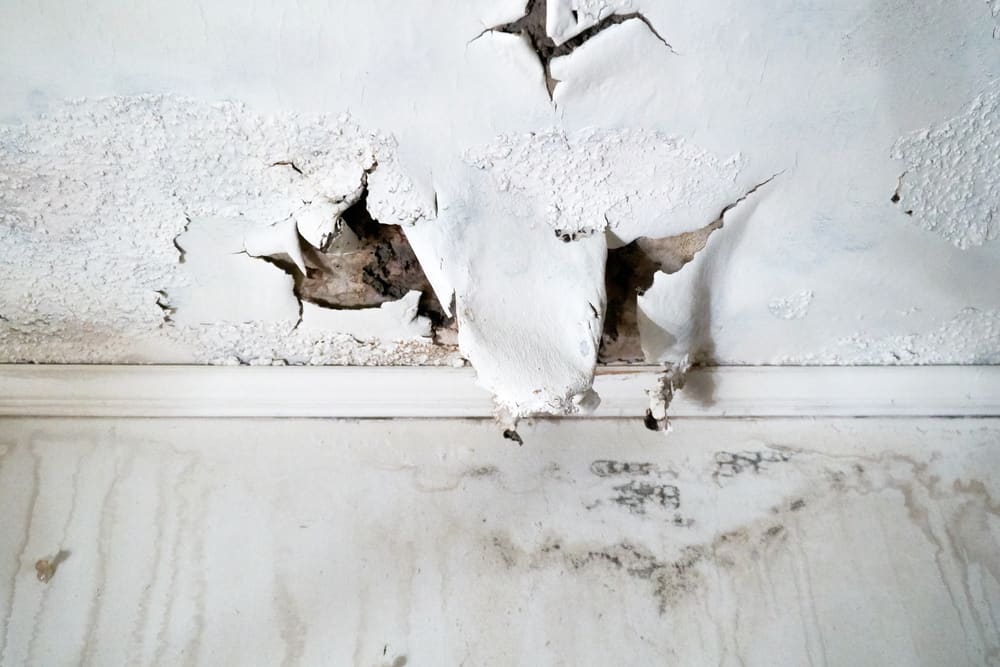
When you walk into your Amagansett property after a long winter and something is wrong water stains on the ceiling, a smell you can’t place, floors that feel soft underfoot the clock is already running. Mold can begin developing within 24 to 48 hours of moisture exposure, and in a home that’s been closed since October, that window closed a long time ago.
What you need at that point isn’t a general contractor. You need a team that knows how to assess months-old water damage, find where it spread, and build a real plan to reverse it.
For properties along The Lanes, the Dunes, or Further Lane in Amagansett, the stakes are considerably higher than a typical suburban water damage job. These are high-value homes many of them historic and the cost of getting the restoration wrong compounds fast. Hidden moisture inside original plaster walls, saturated subfloors beneath hardwood, or mold growing in a crawl space that nobody checked since fall can turn a manageable claim into a six-figure problem if it isn’t handled correctly from the start.
What you get from a proper restoration isn’t just a dry house. It’s documentation that holds up with your insurance adjuster, structural drying that reaches the places a fan never could, and a clear scope of work that gives you confidence the problem is actually solved not just covered up.
Residential Water Damage Repair Amagansett, NY
We’ve been serving Suffolk County homeowners for close to three decades. That means we’ve handled the full range of what Long Island’s South Fork throws at a property: nor’easters with recorded wind gusts over 60 mph, storm surge events along the Atlantic-facing coastline, and the specific kind of slow-burn water damage that happens in a Napeague or Devon Colony home that nobody checked on since Thanksgiving.
Our technicians are IICRC-certified, which matters more than most people realize. Insurance adjusters handling claims on high-value Hamptons properties will ask about credentials. The work being performed to a documented, industry-accepted standard protects your claim not just your home. We’re also licensed, bonded, and insured, and we handle direct billing and coordination with your insurance company so you’re not stuck managing that process from a distance.
We’re a real Long Island company. Not a franchise. Not a lead-generation website with an out-of-state phone number. A Suffolk County team that actually shows up when you call.
Emergency Water Removal Process Amagansett, NY
The first call starts the process. Whether you’re calling from Manhattan after a property manager flagged something, or you’re standing in your Amagansett home looking at a ceiling that didn’t look like that in September, the response is the same someone answers, and our team gets moving. We operate 24 hours a day, seven days a week, because the timing of a burst pipe or a storm-driven leak doesn’t align with business hours.
On arrival, we do a full assessment before anything else. That means moisture mapping with professional-grade detection equipment not a visual inspection that misses what’s inside the walls. In older Amagansett homes with original plaster construction or modified plumbing systems that have been patched over the years, moisture travels in ways that aren’t obvious from the surface. Getting this step right is what separates a complete restoration from one that leaves a problem behind.
From there, the work follows a clear sequence: water extraction, structural drying with industrial dehumidifiers and air movers, antimicrobial treatment where needed, and full documentation throughout. If the damage requires reconstruction flooring, drywall, structural repairs we handle that under the same roof. Any work that touches the structure of a home in the Town of East Hampton falls under the East Hampton Building Department’s permit requirements, and we navigate that process as part of the job, not as an afterthought.
Ready to get started?
Burst Pipe and Flood Damage Restoration Amagansett, NY
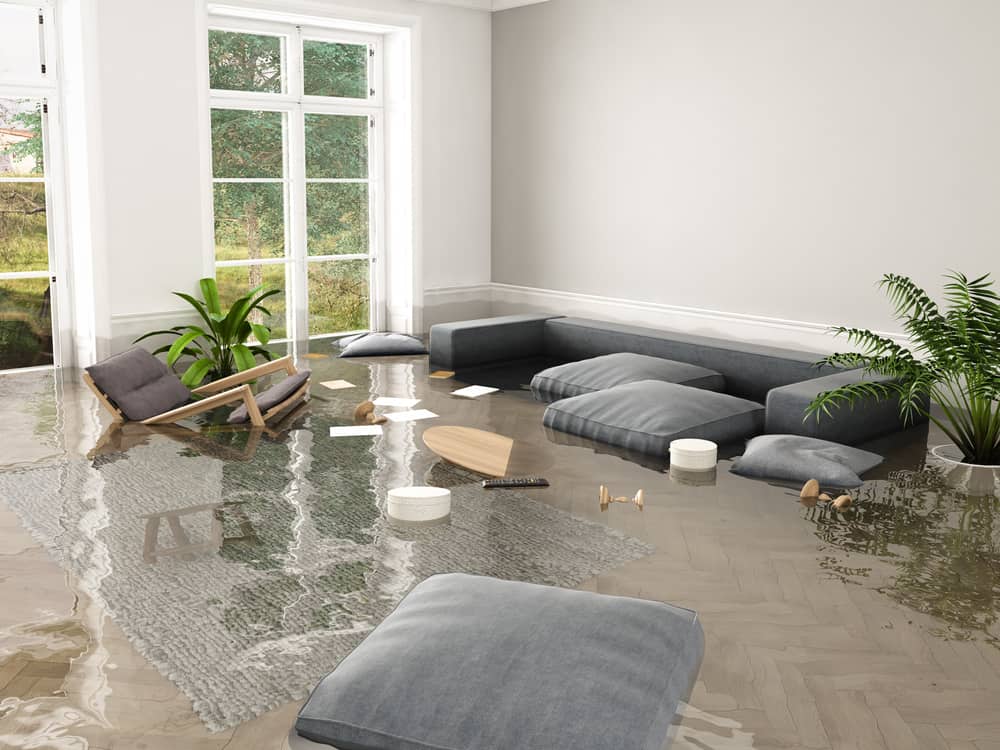
Water damage restoration in Amagansett isn’t a one-size situation. A burst pipe discovered in January after a heating system failure in a closed-up home near Napeague is a fundamentally different job than storm surge damage to a ground-floor space on Further Lane. We handle both and everything in between.
Our core service covers water extraction and removal, structural drying, moisture mapping, mold assessment and remediation, dehumidification, and reconstruction. For properties in FEMA Zone VE which runs along the oceanfront through Amagansett storm-driven water often involves Category 3 contamination from surge or groundwater. That requires a different remediation protocol than a clean-water pipe burst, and the documentation for your insurance claim needs to reflect it accurately. Our IICRC-certified team knows the difference and handles it accordingly.
For seasonal homeowners managing the process remotely, we coordinate directly with property managers and insurance adjusters, provide clear written documentation at every stage, and communicate progress without requiring you to be on-site. New York State law requires licensed mold assessors and remediators for projects involving significant mold growth a threshold that’s easy to reach in a home that’s been holding moisture since November. We carry the appropriate licensing and handle that compliance as part of the restoration, not as a separate conversation.

My Amagansett home was closed all winter how bad could the damage be?
Worse than it looks on the surface, in most cases. When a home sits unoccupied through a Long Island winter and something goes wrong a heating system failure, a supply line that freezes and bursts, a roof leak that starts small and runs for weeks water has time to migrate far beyond the original source. It moves through wall cavities, saturates subfloor systems, seeps into insulation, and creates conditions for mold growth that can be well established by the time anyone opens the door in spring.
In Amagansett specifically, where many properties are closed from October or November through late May, this pattern is common enough that it has its own rhythm in the restoration industry. The first step is always a thorough assessment using moisture detection equipment that can find water inside walls and under floors not just where it’s visible. From that assessment, you get a real picture of the scope, which is what you need before you contact your insurance company and before any work begins.
Does homeowners insurance cover water damage from a burst pipe in Amagansett?
That depends on the source of the damage, and the distinction matters a great deal for your claim. Standard homeowners insurance typically covers sudden, accidental water damage from internal sources a burst pipe, a failed water heater, an appliance that overflows. It does not cover flooding, which is defined as water entering the home from an external source like storm surge, rising groundwater, or overflow from a body of water. For that, you need a separate flood insurance policy through the National Flood Insurance Program or a private flood policy.
In Amagansett, this distinction is particularly important. Properties in FEMA Zone VE along the oceanfront and in lower-lying areas near Napeague Bay face real coastal flood exposure. If storm surge reaches your home, that’s a flood event not a water damage event under a standard policy. Many high-value properties in the Hamptons carry private client insurance policies rather than standard homeowners coverage, which have their own documentation requirements and claims processes. We work directly with insurance companies and adjusters, including those handling private client and surplus-lines policies, to make sure the damage is documented in a way that supports the claim accurately.
How long does water damage restoration take for a Hamptons property?
The honest answer is that it depends on how long the water has been sitting and how far it spread. For a burst pipe discovered quickly in an occupied home, the drying phase alone typically takes three to five days, with the full process extraction, drying, any necessary repairs often wrapping up within two to three weeks. That’s the best-case scenario.
For a seasonal property in Amagansett where water damage went undetected through the winter, the timeline is longer. Moisture that has been sitting for weeks or months has penetrated deeper into structural materials, and mold remediation adds time to the process. Reconstruction of affected areas flooring, walls, ceilings follows the remediation phase and requires permits through the Town of East Hampton Building Department, which has its own review timeline. If you’re working against a Memorial Day deadline to have the property ready for the summer rental season, the earlier you start the process, the more realistic that target becomes. We’ll give you an honest assessment of what’s achievable from the first visit.
What should I do immediately if I discover water damage in my Amagansett home?
Call a restoration company before you do anything else including calling your insurance company. The reason is documentation. When a professional team arrives and assesses the damage before anything is moved, dried, or disturbed, they can document the full scope in a way that supports your insurance claim. If you start cleaning up on your own first, you may inadvertently reduce the documented evidence of the damage, which can affect your settlement.
Beyond that, if the water source is still active a running pipe, an open roof stopping it is the priority. Turn off the water supply if it’s a plumbing issue. Do not use standard household fans or a wet-vac and assume the problem is handled. Consumer-grade equipment cannot remove moisture from inside walls, under floors, or in structural cavities. What looks dry on the surface can still be holding significant moisture that will become a mold problem within days. You can reach us around the clock if you’re discovering this at 10 p.m. on a Saturday after driving out from the city, that’s exactly when our 24/7 availability matters.
Can mold really develop in a closed-up Amagansett home over the winter?
Yes and in a home that’s been holding moisture since November or December, mold growth by the time you return in spring is not just possible, it’s likely. The EPA’s guidance is clear: water-damaged areas need to be dried within 24 to 48 hours to prevent mold growth. In a home where a pipe burst in January and nobody was there to catch it, that window is long gone.
Mold in this context isn’t just a cosmetic issue. It spreads through wall cavities, into HVAC systems, and behind finishes in ways that aren’t visible during a casual walkthrough. In Amagansett’s older homes some with original plaster walls and timber framing that absorbs moisture differently than modern drywall construction mold can establish itself in structural materials that require careful remediation to address properly. New York State law requires licensed mold assessors and remediators for projects involving significant mold growth, and we carry the appropriate licensing to handle that work legally and correctly. Attempting to address serious mold growth without licensed professionals can create liability issues and may complicate your insurance claim.
Why do some restoration companies that show up in Amagansett searches have out-of-state phone numbers?
Because a significant portion of what appears in local search results for water damage restoration in Amagansett are lead-generation websites not actual restoration companies. These sites are built to rank for local searches, collect your contact information or your call, and then sell that lead to whoever bids for it. Some of the phone numbers attached to “Amagansett water damage restoration” listings trace back to Texas, Rochester, or the Hudson Valley. None of those are Long Island companies.
This matters for a few reasons. When you’re dealing with water damage in a high-value Hamptons property, you need a company that will actually show up not a middleman who routes your call to whoever is available. You also need a company with real experience on Long Island’s South Fork: the coastal exposure, the seasonal occupancy patterns, the Town of East Hampton permit process, and the insurance landscape for properties in this market. We’re based in Suffolk County and have been operating on Long Island for nearly 30 years. The 631 area code on our phone number is real. The team that shows up is local. That’s a meaningful difference when the property on the line is worth what Amagansett properties are worth.
Useful Links
Other Services we provide in Amagansett