
Water Damage Restoration in Aquebogue, NY
When Peconic Bay Comes Indoors, You Need More Than a Mop
Hear from Our Customers

Flood Damage Restoration in Aquebogue
Water damage in Aquebogue doesn’t always look like a disaster movie. Sometimes it’s a basement that smells off after a wet spring. Sometimes it’s a soft spot in the floor you noticed weeks after a nor’easter. And sometimes it’s a burst pipe in a vacation home that sat undiscovered through January while you were back in the city. Whatever it looks like when you find it, the outcome you need is the same dry walls, clean air, no hidden moisture, and a home that’s safe to live in again.
Aquebogue’s high water table and proximity to Reeves Creek and Meetinghouse Creek mean that water intrusion here often carries contaminants from estuarine sources not the clean Category 1 water you’d get from a broken supply line. That distinction matters for how the job is handled, how the materials are treated, and what your insurance documentation needs to say. When the process is done correctly, you’re not just dry you’re protected from the mold, the structural compromise, and the claim complications that follow a cleanup that cut corners.
For homeowners along the bay side of Route 25 or in communities like Baywoods, the stakes are real. Median home values in Aquebogue are close to $664,000. Getting the restoration right the first time isn’t a luxury it’s the only option that actually makes financial sense.
Residential Water Damage Repair Aquebogue NY
First Response Restoration & Cleaning has been serving Suffolk County homeowners for nearly three decades. That’s not a marketing number it’s the reason we understand how water moves through a 1960s cape on a high water table lot differently than it moves through a newer waterfront build off Meetinghouse Creek. Aquebogue’s housing stock has its own personality, and our mix of historic farmhouses, mid-century construction, and bay-adjacent newer homes is something we’ve worked in many times over.
Our technicians are fully certified by the IICRC the certification that insurance companies actually recognize and require for documented restoration work. We’re also licensed, bonded, and insured, and we work directly with your insurance company so you’re not stuck translating between your adjuster and your contractor. One call to our Suffolk County line gets the process started. We handle the rest.
Water Removal and Drying Process Aquebogue
The first thing we do when we arrive is assess the full scope of the damage not just what’s visible, but what’s hiding inside walls, under flooring, and in structural cavities. We use professional moisture meters and thermal imaging to map where water has traveled, because in Aquebogue homes with crawl spaces, older framing, or slab-on-grade construction near the water table, the visible damage is rarely the whole story. That assessment also gives us the documentation your insurance company needs from the start.
From there, we extract standing water and set up industrial drying equipment air movers, dehumidifiers, and where needed, desiccant systems calibrated to the specific moisture load in your home. Consumer fans don’t reach inside wall cavities or under subfloors. Ours do. The drying phase typically runs three to five days depending on the severity and the materials involved, and we monitor moisture levels throughout to confirm the structure is actually drying, not just the surface.
If the water source was tidal from Reeves Creek, Meetinghouse Creek, or bay surge we apply antimicrobial treatment to address the biological contamination that comes with estuarine water. Because many properties in the Peconic Bay area fall within FEMA Special Flood Hazard Areas, restoration work involving structural repairs may also require permits through the Town of Riverhead Building Department. We’re familiar with that process and can help you navigate it alongside your insurance claim.

Ready to get started?
Burst Pipe and Flood Restoration Services Aquebogue
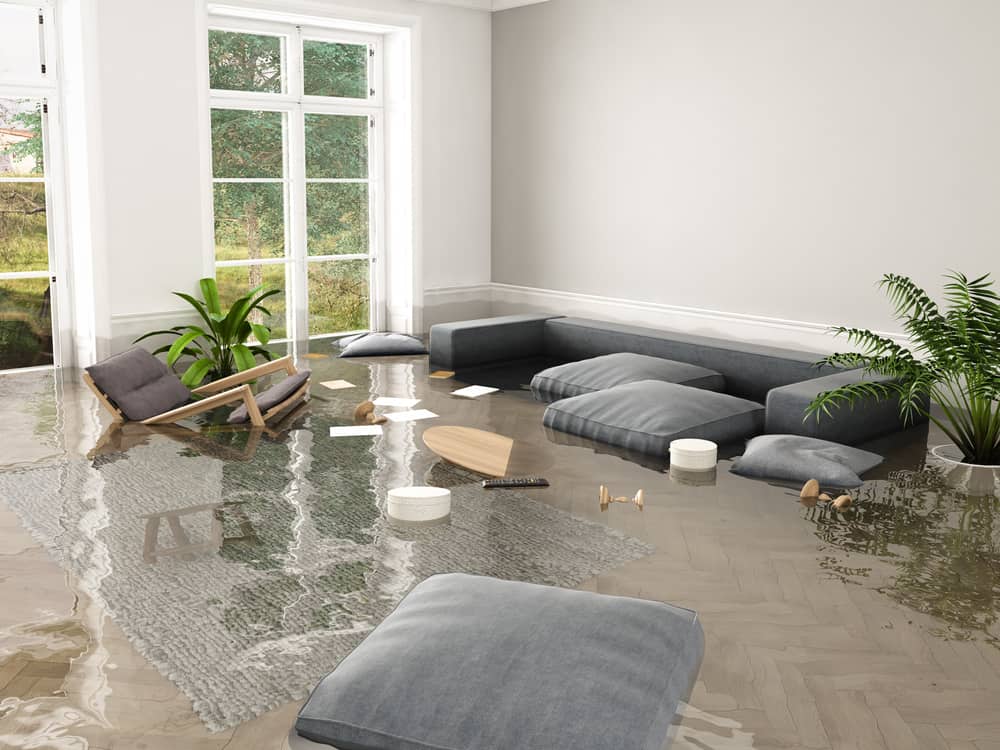
Water damage restoration in Aquebogue covers a wider range of scenarios than most homeowners expect when they first call us. Burst pipe water damage from a frozen supply line in an unheated vacation home. Basement flooding from a failed sump pump after a heavy nor’easter pushes the water table up through the floor. Storm damage restoration after a coastal system drives rain through a compromised roof and into the walls. Sewage backup from aging cast iron drain lines that are common in the area’s mid-century housing stock. Each of these requires a different approach, and we handle all of them.
For seasonal and second-home owners in Aquebogue and there are many the delayed-discovery scenario is one we know well. When a home sits vacant through winter and a pipe lets go in December, the mold is already established by the time you open the door in March. Our moisture mapping finds what the eye misses, and our drying process addresses the full structure, not just the surface you can see.
The full scope of what we handle includes water extraction and structural drying, mold remediation and antimicrobial treatment, odor elimination, contents assessment, and complete reconstruction from framing through finish work. We also coordinate directly with your insurance carrier whether that’s your standard homeowners policy, an NFIP flood policy, or both so the documentation is accurate and the claim process doesn’t stall.

Does homeowners insurance cover water damage from Peconic Bay flooding in Aquebogue?
This is one of the most important distinctions for Aquebogue homeowners to understand, and getting it wrong can mean a denied claim. Standard homeowners insurance covers sudden, accidental water damage from internal sources a burst pipe, a washing machine overflow, a water heater failure. It does not cover flooding. If water enters your home from Peconic Bay, Reeves Creek, Meetinghouse Creek, or any external source during a storm, that is flood damage, and it requires a separate flood insurance policy through the National Flood Insurance Program (NFIP).
Many properties along the bay side of Aquebogue and along the tidal creeks are in FEMA-designated Special Flood Hazard Areas, which means flood insurance is often required if you carry a mortgage. If you have both a homeowners policy and an NFIP policy, the two may cover different parts of the same event your homeowners policy might cover interior damage from a burst pipe that happened simultaneously with storm flooding, while the NFIP policy covers the flood-related portion. Documenting the damage correctly from the start is critical to getting both claims processed accurately. That’s something we handle directly with your insurers so nothing falls through the gap.
How quickly does mold start growing after a basement floods in Aquebogue?
The EPA’s guidance is clear: water-damaged areas need to be dried within 24 to 48 hours to prevent mold growth. In Aquebogue’s coastal environment where summer humidity is high and the water table sits close to the surface in many areas that window can feel even shorter. Mold spores are always present in the air. They need moisture and a surface to land on, and a wet basement gives them both. Visible growth typically appears within 48 to 72 hours, but microscopic growth starts before you can see anything.
This is why waiting to see how bad it gets is one of the most costly decisions a homeowner can make. What might be a $2,000 to $4,000 water extraction and drying job on day one can become a $15,000 or more mold remediation project if it sits for a week. For seasonal homeowners in Aquebogue who discover damage after a period of vacancy, the mold is often already established by the time they arrive. Our moisture mapping identifies exactly where growth is starting even inside walls and under flooring so we can address it before it spreads further.
What should I do immediately after my Aquebogue home floods?
The first thing to do is make sure it’s safe to enter if there’s any chance of electrical hazards from standing water near outlets, panels, or appliances, stay out until power is confirmed off. Once it’s safe, stop the water source if it’s internal (shut off the main water supply for a burst pipe). Then call a restoration company before you call your insurance company. Getting a professional on-site first means the damage is documented accurately before anything is moved or cleaned up, which strengthens your claim significantly.
Don’t run consumer fans or a shop vac and assume you’ve handled it. Those tools can’t reach moisture inside wall cavities, under subfloors, or in the structural framing and in Aquebogue homes with crawl spaces or older construction, that’s exactly where water goes. If the flooding involved water from Reeves Creek, Meetinghouse Creek, or any outdoor source, treat it as contaminated water and don’t let children or pets into the affected area until it’s been properly assessed. Call us at our Suffolk County line and we’ll walk you through what to do while we’re on our way.
How long does water damage restoration take for a home in Aquebogue, NY?
The honest answer is that it depends on the scope of the damage and what materials are involved. For a straightforward basement flooding event a sump pump failure after heavy rain that pushed water table levels up the extraction and drying phase typically runs three to five days, with the full process including any minor repairs wrapping up within two to three weeks. For more extensive damage involving structural framing, subfloor replacement, or mold remediation, the timeline extends accordingly and can run six weeks or longer.
In Aquebogue specifically, a few factors can affect the timeline. Homes with crawl spaces or older framing materials absorb and release moisture more slowly than newer construction, which can extend the drying phase. If the damage involves structural repairs and the property is in a FEMA flood zone, permits through the Town of Riverhead Building Department may be required before rebuild work begins and that adds time to the schedule. We give you a realistic timeline after the initial assessment, not a number designed to get you to sign. We’d rather tell you it’s going to take three weeks and be right than promise one week and leave you frustrated.
Can I stay in my home during water damage restoration in Aquebogue?
In many cases, yes but it depends on which part of your Aquebogue home is affected and what type of water was involved. If the damage is contained to a basement or a single room and the rest of the house is dry and structurally sound, most homeowners can stay put during the drying process. The equipment we run air movers and dehumidifiers is noisy and runs continuously, so it’s not comfortable, but it’s livable.
If the flooding involved contaminated water from an outdoor source like tidal creek overflow or sewage backup, we’ll be direct with you: the affected areas need to be treated as a health hazard until remediation is complete, and in those cases, staying in the home during active remediation is not advisable especially for children, elderly residents, or anyone with respiratory sensitivities. For Aquebogue’s seasonal homeowners, this question sometimes comes up in reverse: can the home sit unoccupied during restoration? Yes, we can manage the process without you on-site. We keep you updated on progress and moisture readings so you’re not in the dark from a distance.
How do I know if my Aquebogue home has hidden water damage I haven't found yet?
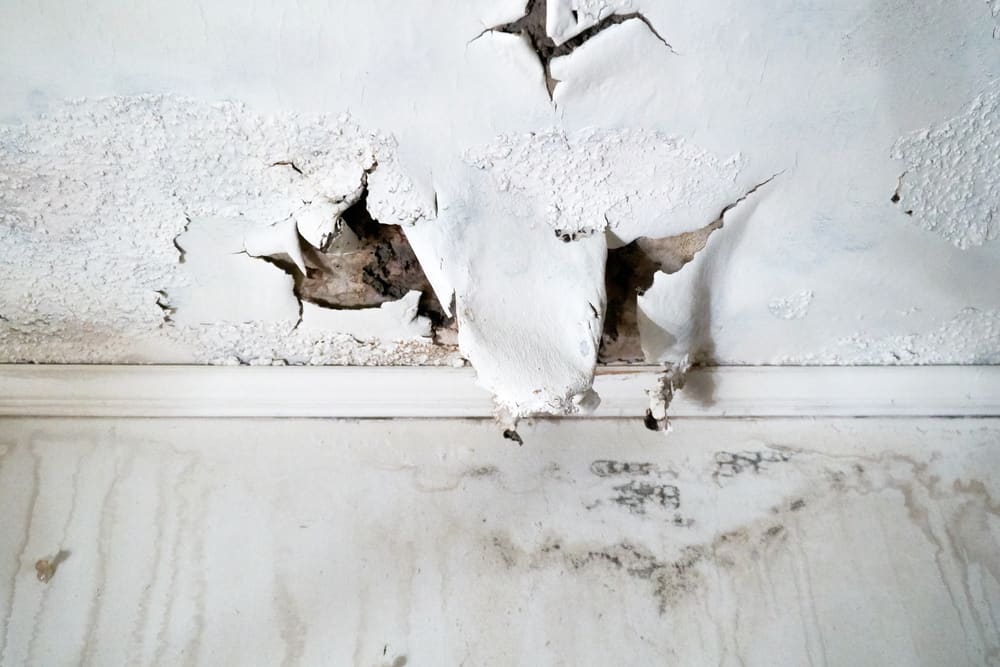
Hidden water damage is genuinely common in Aquebogue, and it’s not always obvious. The most telling signs are a musty smell that doesn’t go away, soft or spongy spots in flooring, paint or wallboard that’s bubbling or staining without a clear cause, and doors or windows that have started sticking in ways they didn’t before. Any of these in a home near Reeves Creek, Meetinghouse Creek, or the Peconic Bay shoreline or in a home that sat vacant through winter should be taken seriously.
Aquebogue’s high water table means that moisture can enter a basement or crawl space from below without any pipe failure or storm event. It’s a slow, chronic process that many homeowners assume is just “how the basement is.” Over time, that persistent moisture creates the conditions for mold growth inside wall cavities and under flooring damage that isn’t visible until it’s already significant. A professional moisture assessment uses thermal imaging and calibrated meters to find what you can’t see. If you’ve had any water event in the past year even one you thought you handled yourself it’s worth having the structure checked. The assessment costs you nothing and gives you a clear picture of what’s actually going on.
Useful Links
Other Services we provide in Aquebogue