
Water Damage Restoration in Atlantic Beach, NY
When the Ocean and the Channel Both Come For Your Home
Hear from Our Customers

Flood Restoration Atlantic Beach NY
The difference between proper restoration and a quick cleanup shows up about three months later behind your drywall, under your subfloor, in the air your family is breathing. When water damage is handled correctly from the start, you’re not left wondering whether something was missed.
For homeowners in Atlantic Beach, that standard matters more than it does almost anywhere else on Long Island. The flooding that reaches this island during a nor’easter or coastal storm isn’t freshwater from a broken pipe it’s Category 3 saltwater from the Atlantic Ocean and Reynolds Channel. Saltwater is corrosive to building materials in ways that freshwater isn’t. It leaves residue inside walls that continues drawing moisture long after the visible water is gone, and if it’s not treated properly, it creates the exact conditions mold needs to establish itself.
Getting this right means your home is structurally sound, your indoor air quality is restored, and your insurance claim is documented in a way that actually holds up. That’s the outcome not just dry floors, but a home you can trust again.
Residential Water Damage Repair Atlantic Beach NY
We’ve been serving Long Island homeowners for nearly three decades, with deep roots in Atlantic Beach and Nassau County’s South Shore communities. We were working here long before Sandy, through Sandy, and in the years of recovery that followed. We know what barrier island restoration actually involves, and we’ve handled it firsthand.
Our team is IICRC-certified, which matters specifically for Atlantic Beach because IICRC certification governs the protocols for contaminated water remediation the Category 3 classification that applies when saltwater from the Atlantic or Reynolds Channel enters a home. Insurance companies recognize this certification, and it’s what ensures the documentation of your claim meets the standard adjusters expect.
We’re licensed, bonded, and insured, and we work directly with your insurance company including coordinating between your homeowners policy and your separate flood policy if you carry both, which most Atlantic Beach homeowners with federally backed mortgages are required to do.
24/7 Water Damage Restoration Atlantic Beach NY
The process starts the moment you call. We dispatch a team immediately day or night because the EPA is clear that water-damaged areas need to be dried within 24 to 48 hours to prevent mold growth. On a barrier island where the ambient humidity is already elevated year-round, that window is not something to test.
When we arrive, the first step is a thorough assessment not just what’s visible, but what’s hiding. We use industrial moisture meters and thermal imaging to locate water inside wall cavities, under flooring, and behind baseboards. This matters especially in Atlantic Beach’s older post-war housing stock, where water travels differently through aging materials than it does in newer construction. If the flooding involved saltwater intrusion, the assessment documents contamination levels, which affects both the remediation approach and the insurance classification.
From there, extraction and structural drying begin using commercial-grade equipment that consumer fans simply can’t replicate. Once the structure is verified dry, any necessary antimicrobial treatment is applied. If reconstruction is needed drywall, flooring, structural components we handle that too, so you’re not coordinating a second contractor while managing an open insurance claim. Because Atlantic Beach has its own building department separate from the Town of Hempstead, any structural work requiring permits goes through the village’s own code enforcement process, and we’re familiar with navigating that.
Ready to get started?
Storm Damage Restoration Atlantic Beach NY
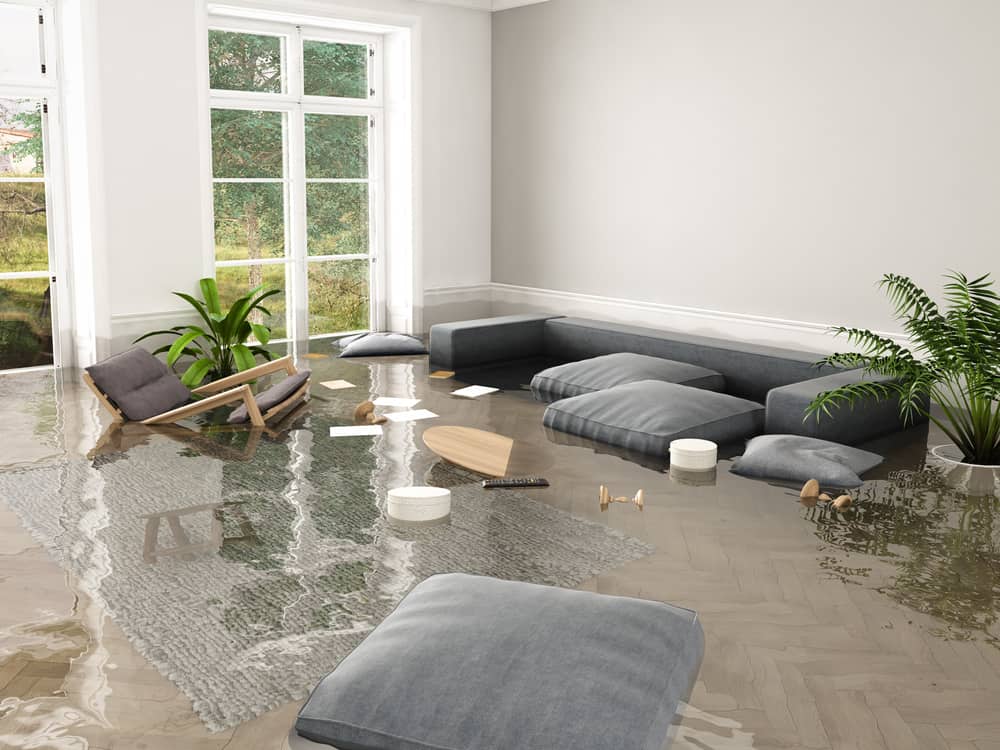
Water damage restoration in Atlantic Beach covers a wider scope than it does in most Long Island communities. Beyond the standard water extraction, structural drying, and mold remediation, coastal flooding here introduces saltwater contamination that requires specific treatment protocols decontamination of affected materials, salt residue removal, and documentation that correctly classifies the damage for insurance purposes.
We handle the full range of what Atlantic Beach homeowners actually face: flooded basement cleanup after a nor’easter pushes Reynolds Channel over its banks, burst pipe water damage in a seasonal home that sat unoccupied through a winter cold snap, storm damage restoration after a coastal surge event, and mold remediation when damage went undetected in a property that wasn’t checked between seasons. The high water table on the barrier island means basement water extraction is often needed even outside of major storm events groundwater pressure alone can push moisture into below-grade spaces when the water table rises.
We also handle the insurance coordination that makes Atlantic Beach claims genuinely complicated. When damage involves both a homeowners policy and a separate NFIP or private flood policy, proper documentation from the start determines what gets covered and what gets disputed. That’s handled directly you’re not left translating between your contractor and your adjuster on your own.

Does homeowners insurance cover storm surge flooding in Atlantic Beach, NY?
Standard homeowners insurance does not cover flooding and that distinction matters enormously in Atlantic Beach. When a nor’easter or hurricane pushes water onto the island from the Atlantic Ocean or Reynolds Channel, that’s classified as flood damage, which falls under a separate flood insurance policy. Most Atlantic Beach homeowners with federally backed mortgages are required to carry flood insurance because the village sits in a FEMA Special Flood Hazard Area, but even those who carry it are sometimes surprised by what each policy covers separately.
Where it gets complicated is when a single storm event causes both types of damage for example, a surge that floods your basement while wind-driven rain also penetrates through a damaged roof. The homeowners policy may cover one, the flood policy the other, and the documentation has to correctly separate them for both claims to be processed. This is exactly why working with a restoration company that understands how to document and categorize damage from the start matters. Getting the paperwork right on day one prevents disputes weeks later when the adjuster reviews the claim.
How quickly does mold start growing after a flood in a coastal home?
The EPA’s guidance is 24 to 48 hours that’s how long you have before conditions become favorable for mold growth in a water-damaged space. In Atlantic Beach, that timeline is compressed further by the environment. The barrier island’s ambient humidity is consistently higher than inland Nassau County communities, and saltwater that enters a home during a storm surge leaves behind residue that continues drawing moisture from the air long after the visible water is gone. That combination elevated baseline humidity plus salt-driven moisture retention means mold can establish itself faster here than it would in a dry inland home.
What makes this especially relevant for Atlantic Beach is the seasonal occupancy pattern. A home that floods during a late October nor’easter and isn’t visited until spring has given mold five or six months to grow unchecked behind walls and under floors. By the time it’s discovered, what might have been a straightforward remediation has become a significantly larger project. If you’re returning to a property that may have been exposed to water during your absence, a professional assessment before you assume everything is fine is worth the call.
What makes saltwater flood damage different from a regular burst pipe?
The water category is completely different, and so is the remediation protocol. A burst pipe typically produces Category 1 clean water the least hazardous, most straightforward to address. Saltwater from the Atlantic Ocean or Reynolds Channel that enters a home during a storm surge is Category 3 contaminated water. It carries biological contaminants, it’s corrosive to concrete, mortar, metal framing components, and electrical systems, and it leaves salt deposits inside building materials that continue to pull moisture from the air even after the bulk water is removed.
From a practical standpoint, this means the drying process alone isn’t sufficient. Affected materials need to be assessed for contamination, treated with appropriate antimicrobials, and in some cases removed entirely if they can’t be adequately decontaminated. The documentation for the insurance claim also needs to correctly reflect the contamination category, because Category 3 damage has different coverage implications and different cost ranges than Category 1. A company that treats a saltwater intrusion event the same way it treats a burst pipe isn’t applying the right protocols for what actually happened in your home.
Can I stay in my house during water damage restoration in Atlantic Beach?
It depends on the scope of the damage and what was in the water. For minor, contained water damage a small appliance leak, a localized pipe burst staying in the home is often fine while drying equipment runs. The equipment is loud and there will be some disruption, but it’s manageable. For more significant damage, especially anything involving Category 3 saltwater intrusion from a coastal storm, the answer is more complicated.
Saltwater flooding introduces contaminants that make affected areas genuinely unsafe to occupy until remediation is complete. If the damage is widespread multiple rooms, subfloor involvement, wall cavity saturation the combination of contamination, industrial drying equipment, and the remediation process itself makes temporary relocation the more practical and safer choice. We’ll be direct with you about this during the initial assessment. For Atlantic Beach homeowners whose properties are second homes or seasonal residences, the timeline question is often less about daily disruption and more about whether the home will be fully restored before the next season and that depends entirely on how quickly the process starts after the damage occurs.
How long does water damage restoration typically take after a major storm?
The honest answer is that it varies, and anyone who gives you a firm number before seeing the damage is guessing. For most water damage situations, the drying phase alone takes three to five days using professional equipment. A more complete restoration extraction, drying, mold prevention treatment, and repairs typically runs two to three weeks for moderate damage. Severe flooding that has compromised structural components or allowed significant mold growth can take considerably longer.
For Atlantic Beach specifically, a few factors affect the timeline that don’t apply in most mainland communities. Saltwater intrusion requires additional decontamination steps that add time to the process. If structural repairs are needed, permits go through Atlantic Beach’s own building department, which operates separately from the Town of Hempstead so that process needs to be factored in. And for homes that experienced delayed-discovery damage after sitting vacant, the remediation scope is usually larger than it would have been if the damage had been caught immediately, which extends the timeline. The sooner the process starts after the damage occurs, the more straightforward the restoration tends to be.
My Atlantic Beach home flooded last season should I have it inspected even if it looks fine now?
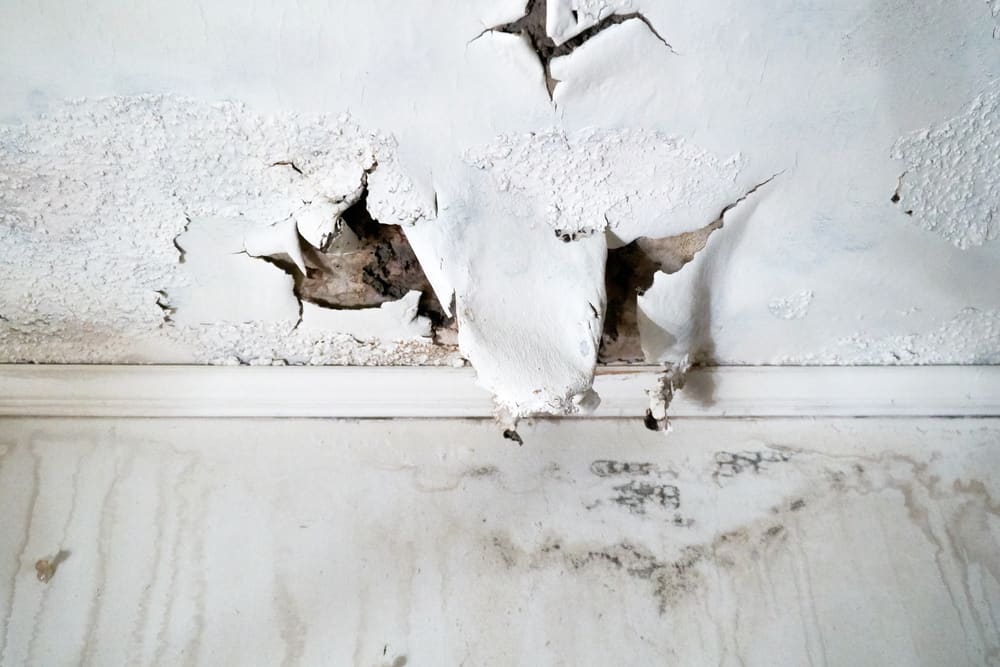
Yes and this is one of the more important calls a barrier island homeowner can make. What looks fine on the surface after a flood is often misleading. Moisture inside wall cavities, under flooring, and in structural components doesn’t always produce visible signs right away. It shows up months later as mold, as soft spots in flooring, as persistent musty odor, or as paint bubbling away from walls that never fully dried.
Atlantic Beach homes are particularly susceptible to this because the combination of saltwater residue and the island’s naturally high ambient humidity creates ongoing moisture conditions inside building materials even after the bulk water is long gone. Homes that were cleaned up quickly after a storm especially by the homeowner or a company that didn’t use professional moisture detection equipment may have hidden moisture that has been slowly feeding mold growth for months. We use thermal imaging and calibrated moisture meters to check the areas that aren’t visible to the eye. If everything reads dry and clean, you have real confirmation. If something is found, you’re dealing with it before it becomes a structural problem or a health concern and before it complicates a future insurance claim or a property sale.
Useful Links
Other Services we provide in Atlantic Beach