
Water Damage Restoration in Baldwin, NY
Baldwin's Canals Don't Wait Neither Should We
Hear from Our Customers

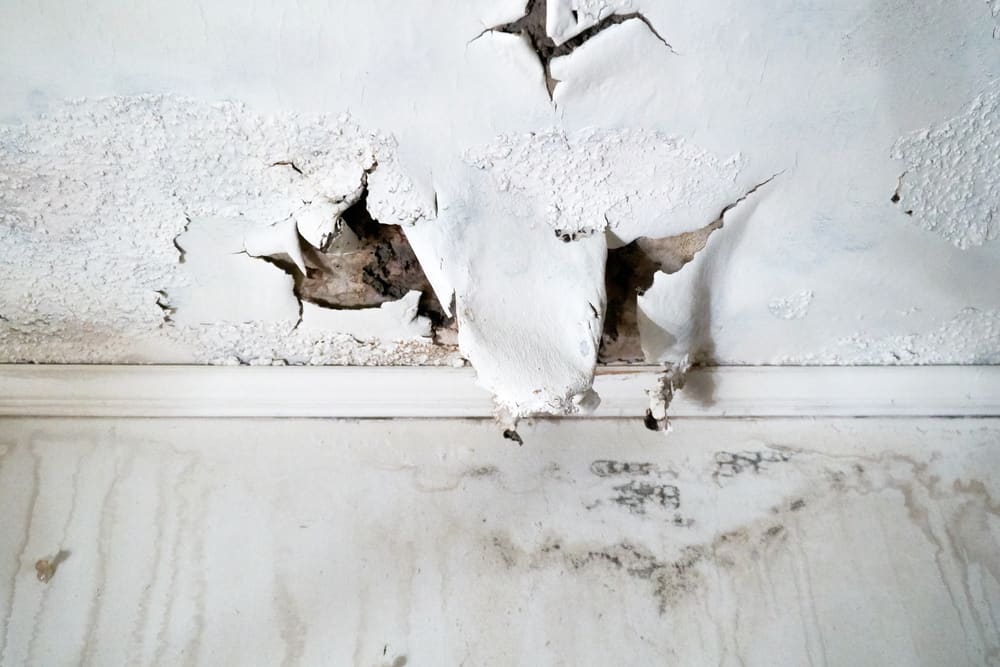
Flood Restoration Baldwin, NY
The goal isn’t just removing the water you can see. It’s making sure nothing is left behind in the places you can’t inside wall cavities, beneath subfloor material, in the framing of a home that’s been absorbing Long Island winters for sixty-plus years. When the job is done right, you’re not calling someone back in six months because mold showed up behind the drywall.
For Baldwin homeowners specifically, that matters more than it does in a lot of other places. The water table here sits unusually high compared to inland Nassau County communities. After a nor’easter pushes bay levels up or a heavy rain saturates the ground, moisture doesn’t just come through a crack it comes up through the slab, through the joints, through the foundation walls of homes that were never built with today’s rainfall intensity in mind. A surface-level cleanup doesn’t cut it here.
And if you’re in the canal neighborhoods of Baldwin Harbor, you’re dealing with something even more layered. Floodwater can encircle a property storm surge from the bay, overflow from the canals, groundwater rising from below all at the same time. Getting that fully remediated, properly documented for your insurance company, and confirmed dry with actual moisture readings is what separates real restoration from a cleanup crew with a wet-vac.
Residential Water Damage Repair Nassau County
We’ve been serving Nassau and Suffolk County homeowners for nearly three decades. That’s not a number thrown on a website it means our team has worked through post-Sandy cleanups on the South Shore, responded to burst pipes in aging Cape Cods off Grand Avenue, and handled the kind of multi-source flooding that Baldwin Harbor canal properties deal with when a storm rolls in off the Atlantic.
We’re headquartered in West Babylon, which puts Baldwin well within our immediate response zone reachable via Sunrise Highway in roughly twenty minutes. When you call, you’re reaching a Nassau County team, not a national dispatch center routing your call to whoever’s available.
Every technician is IICRC-certified, and we’re licensed, bonded, and insured. That matters in a market where post-storm contractor fraud has been a documented problem in Nassau County. It also matters when you’re filing an insurance claim and the adjuster wants to see that the work was performed to recognized industry standards.
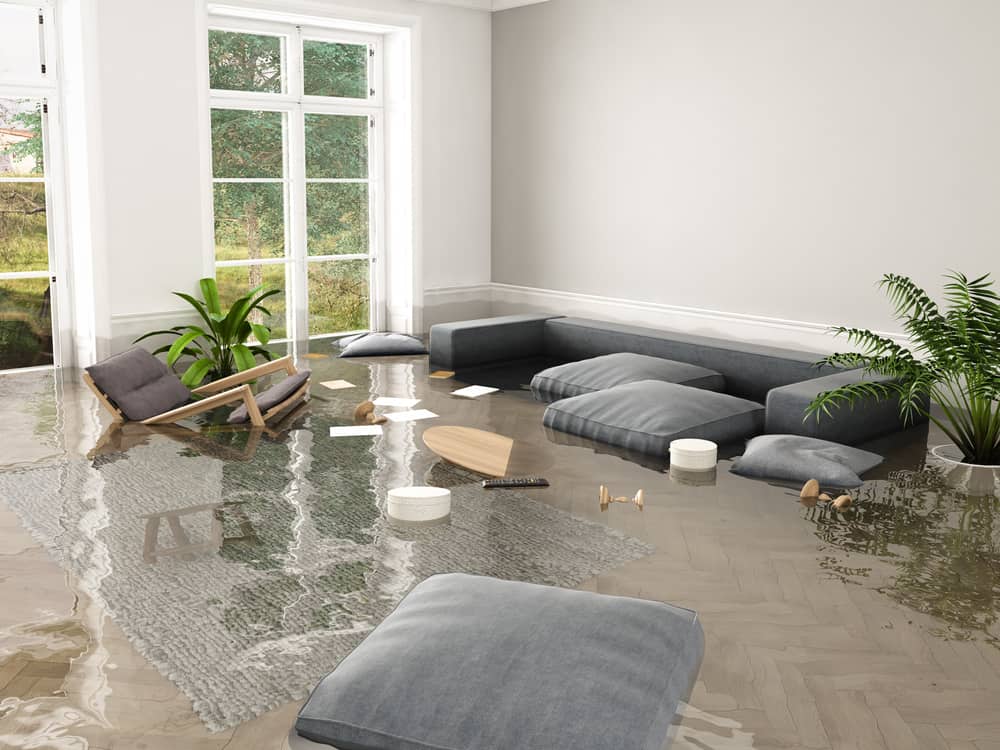
Basement Water Extraction Baldwin, NY
The first step is a free on-site assessment. Before any work starts, our team comes out, evaluates the damage, identifies where moisture has traveled including areas you wouldn’t think to check and documents everything. That documentation isn’t just for your peace of mind. It’s the foundation of your insurance claim, and getting it right from the start prevents disputes with your adjuster later.
From there, water extraction begins. Industrial-grade equipment pulls standing water and begins addressing the moisture that’s already wicked into building materials. In Baldwin’s older homes, that often means working around plumbing configurations and foundation conditions you won’t find in newer construction galvanized pipes, slab construction from the postwar era, footer drain systems that may be partially compromised after decades of use. Our team knows what to expect in this housing stock because we’ve been working in it for years.
Structural drying follows air movers, dehumidifiers, and moisture meters confirm that the affected areas are genuinely dry, not just surface-dry. For homes built before 1980, which covers most of Baldwin, any demolition required as part of the restoration triggers a pre-demolition asbestos survey under New York State Code Rule 56. We handle that as part of the process. Once everything is confirmed dry and cleared, reconstruction begins drywall, flooring, whatever the damage required through to completion.
Ready to get started?
24/7 Water Damage Restoration Baldwin, NY
We handle the entire restoration process under one roof. That means water extraction, structural drying, moisture mapping, antimicrobial treatment, mold prevention, insurance documentation, and full reconstruction not a partial cleanup that leaves you coordinating three other contractors to finish the job.
For Baldwin homeowners, our service scope reflects the specific conditions here. The combination of South Shore storm exposure, FEMA Zone AE and Zone VE flood designations in the canal neighborhoods, and aging housing stock means that water damage events in Baldwin are rarely simple. Burst pipe water damage in a 1960s split-level off Merrick Road is a different job than canal flooding in Baldwin Harbor, and the approach is calibrated accordingly. We’re equipped for Category 1 clean water events, Category 2 gray water situations like washing machine overflows, and Category 3 contamination scenarios sewage backup, floodwater intrusion which are a realistic possibility in Baldwin Harbor when municipal systems get overwhelmed during a major storm.
Insurance coordination is included throughout. We work directly with your insurance company, handle the paperwork, and manage the documentation process. For Baldwin Harbor residents who carry both a standard homeowners policy and a separate National Flood Insurance Program policy, knowing which applies to your specific event and making sure the claim is filed correctly is something our team navigates regularly. You don’t have to figure that out on your own.

Does homeowners insurance cover water damage from flooding in Baldwin, NY?
Standard homeowners insurance covers sudden, accidental water damage from internal sources a burst pipe, an appliance that failed, an HVAC condensate line that backed up. What it does not cover is flooding. If water entered your Baldwin home because bay levels rose, the canals overflowed, or storm surge pushed inland through Baldwin Harbor’s waterfront neighborhoods, that falls under flood damage and flood damage requires a separate National Flood Insurance Program policy to be covered.
This distinction matters a lot in Baldwin because many homeowners in the canal neighborhoods carry both types of policies without fully understanding where one ends and the other begins. The line between “sudden water damage” and “flooding” isn’t always obvious, and how the damage is documented and categorized in the initial claim can significantly affect the outcome. We work directly with both types of insurers and help make sure the damage is classified and documented correctly from the start which is one of the most important things you can do to protect your claim.
How quickly does mold start growing after a basement floods in Baldwin?
The EPA recommends drying water-damaged areas within 24 to 48 hours to prevent mold growth. In practice, mold spores can begin germinating within the first 24 hours under the right conditions and in Baldwin, those conditions are easy to meet. The soil here holds moisture longer than in inland communities, the water table sits close to the surface, and the humidity levels in a flooded basement of a postwar home create exactly the warm, damp environment mold needs to take hold.
What makes this particularly important in Baldwin is that visible mold is rarely the first sign of a problem. By the time you see it on drywall or smell it in the air, it’s been growing inside the wall cavity or beneath the subfloor for days or weeks. A shop vac and a box fan won’t prevent that they don’t reach the moisture that’s already wicked into structural materials. Professional equipment with actual moisture readings is the only way to confirm that a space is genuinely dry, not just dry on the surface.
What causes basement flooding in Baldwin homes even when there's no major storm?
Baldwin’s water table sits unusually high compared to most inland Nassau County communities. During wet seasons or after a period of sustained rainfall, the water table can rise close enough to the surface that hydrostatic pressure builds against basement walls and floors forcing water through any crack, joint, or porous area in the foundation. This can happen on an ordinary rainy week with no storm event, no burst pipe, and no obvious external trigger.
The other common culprit in Baldwin’s housing stock is the plumbing itself. The majority of Baldwin’s homes were built in the 1940s through 1960s, and many still have galvanized steel pipes that corrode from the inside over time. When they fail and they eventually do it’s often without warning and can release a significant volume of water before anyone notices. Footer drain systems from that era are also commonly clogged with sediment or compromised by tree root infiltration after decades in the ground. These are structural conditions specific to Baldwin’s age and geography.
How long does water damage restoration take for a Baldwin, NY home?
The honest answer is that it depends on the scope of the damage, but a typical water damage restoration project one room affected, moderate damage takes roughly two to three weeks from initial extraction through final reconstruction. Minor events can be resolved in a few days. Significant flooding that affects multiple areas, requires structural repairs, or involves mold remediation can extend to several weeks or longer.
For Baldwin homes specifically, a few factors can affect that timeline. Homes built before 1980 which is the majority of Baldwin’s housing stock require a pre-demolition asbestos survey under New York State Code Rule 56 before any demolition work can begin. If asbestos-containing materials are confirmed, licensed abatement has to be completed before reconstruction starts. That adds time, but it’s a required step, not an optional one. Properties in Baldwin Harbor’s FEMA flood zones may also face additional documentation requirements tied to the National Flood Insurance Program, particularly if the repair value approaches the substantial improvement threshold, which can trigger requirements to bring the structure into current flood zone compliance. We navigate all of this as part of the process.
Should I call a restoration company before contacting my insurance company?
You can and in many cases, calling a restoration company first is actually the smarter move. The reason is documentation. When our team arrives before an insurance adjuster, we can assess and document the full scope of the damage while it’s still visible and measurable. That documentation moisture readings, photos, affected areas mapped out becomes the foundation of your claim and makes it significantly harder for an insurer to dispute the extent of the damage later.
This is especially relevant for Baldwin homeowners dealing with the aftermath of a storm or a canal flooding event, where the damage can be coming from multiple directions and the full picture isn’t always obvious from a visual inspection alone. An adjuster who arrives after a surface-level cleanup has already been done may not see what was actually there. Having a professional assessment completed first, with proper documentation, gives you a much stronger position when the claim is being evaluated. We coordinate directly with insurance companies and can work alongside your adjuster once they’re scheduled.
Can I stay in my home during water damage restoration in Baldwin?
In many cases, yes but it depends on the type and extent of the damage. If the affected area is limited to a basement or a single room, and there’s no confirmed mold or sewage contamination involved, most families are able to remain in the home while drying and restoration work is underway. The equipment runs continuously dehumidifiers, air movers and it’s loud, but it’s manageable for most households.
Where it gets more complicated is with Category 3 water events, which are a realistic scenario for Baldwin Harbor homeowners. Category 3 means the water source is highly contaminated floodwater, sewage backup from an overwhelmed municipal system, or canal water that’s carried bacteria and debris into the home. In those situations, the affected areas need to be treated as contaminated until remediation is complete, and depending on the extent of the spread, staying in the home may not be safe or practical. The assessment at the start of the job will give you a clear picture of what you’re dealing with and what the realistic options are. That conversation happens before any work begins, so you’re not making decisions blind.
Useful Links
Other Services we provide in Baldwin