
Water Damage Restoration in Bayport, NY
When Great South Bay Water Enters Your Home, We Get It Out Fast
Hear from Our Customers

Flood Restoration Services in Bayport, NY
When water gets into your home, the clock starts immediately. The EPA is clear: you have 24 to 48 hours before mold begins to take hold. That window doesn’t care whether it’s a nor’easter surge off the Great South Bay, a burst pipe in an old galvanized line, or a washing machine that finally gave out. What matters is what happens in the next few hours and whether the company you call actually knows what they’re doing.
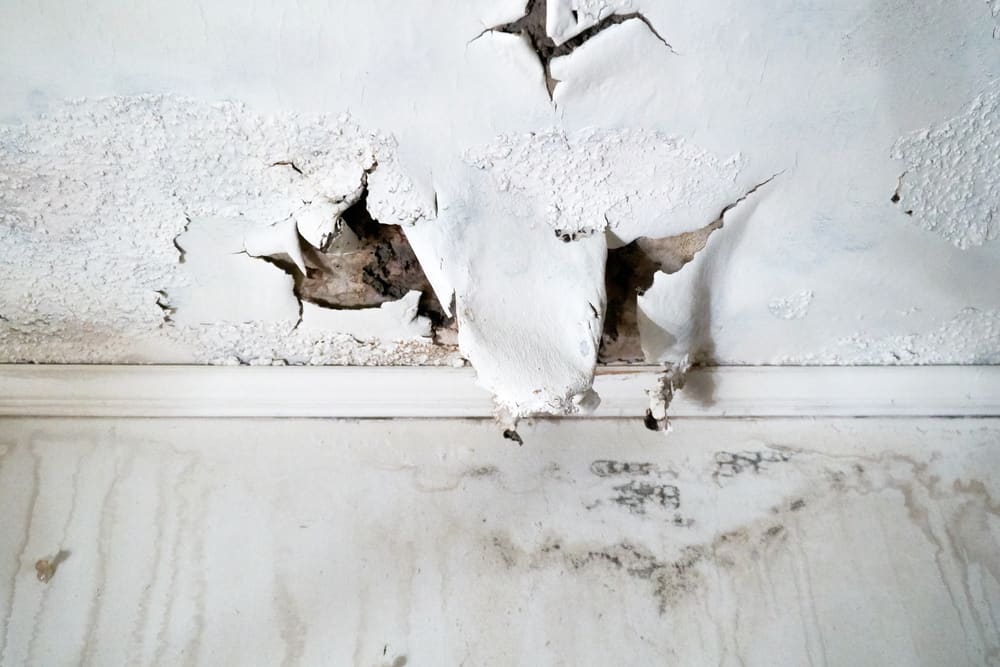
For Bayport homeowners, the outcome you’re after isn’t just a dry floor. It’s knowing the moisture is gone from inside your walls, under your subfloor, and out of the crawl space not just off the surface. Homes south of Middle Road, many of them built in the late 1800s through the 1940s, hold moisture differently than modern construction. Plaster walls, original hardwood, and older foundations absorb water and release it slowly, which means a surface-dry home can still be hiding the conditions that produce a serious mold problem weeks later.
The right restoration outcome means your Bayport home is dry at a structural level, your insurance claim is properly documented, and you’re not dealing with a callback situation six months from now. That’s the standard we work to on every job.
Trusted Water Damage Repair in Bayport, NY
We’re based in West Babylon, Suffolk County roughly 15 to 20 miles from Bayport along the same South Shore corridor. This is not a national franchise routing calls through a 1-800 number. We’re a local company with a 631 area code, IICRC-certified technicians, and nearly three decades of hands-on experience restoring Long Island homes after exactly the kinds of events Bayport sees regularly.
We’ve worked through every major storm cycle that South Shore Suffolk County residents remember the nor’easters, the coastal flood warnings for the south shore bays, and Hurricane Sandy, which produced record flooding in the western Great South Bay and damaged over 14,000 homes in the Town of Islip alone. When a Bayport homeowner calls us after water gets in, they’re not explaining their situation to someone unfamiliar with Great South Bay surge or what it does to a 100-year-old foundation.
We’re licensed, bonded, and insured, and we work directly with insurance companies so you’re not stuck managing that process on your own.
Emergency Water Removal Process in Bayport, NY
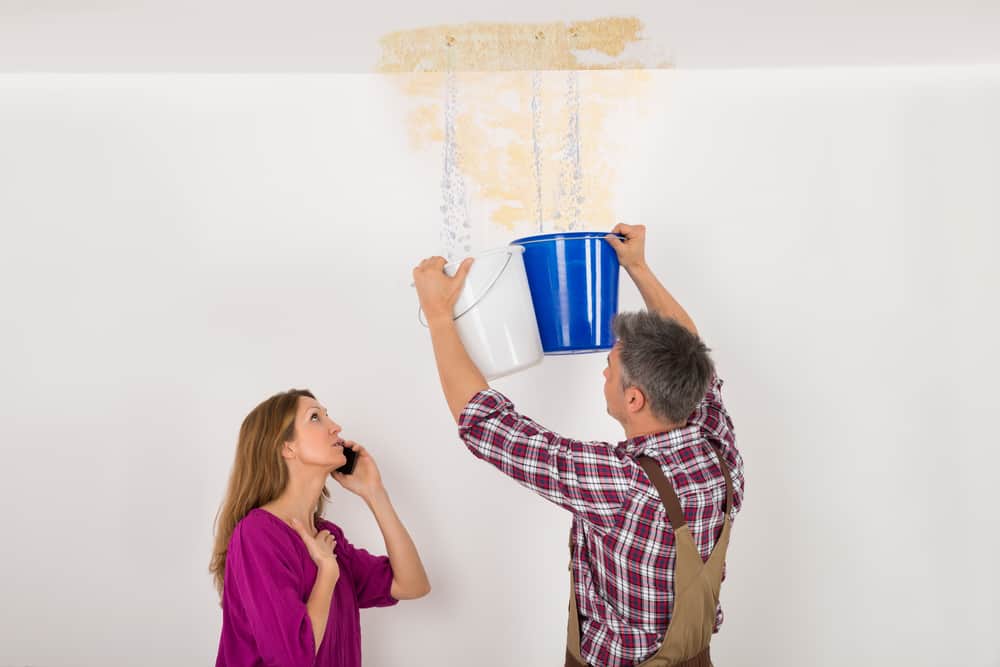
The process starts the moment you call. We’re available 24 hours a day, seven days a week, because water damage doesn’t schedule itself around business hours and in a community like Bayport, where nor’easters can push Great South Bay water into bay-front homes at any hour of the night, that availability is the difference between manageable damage and a much bigger problem.
Once on-site, we begin with a full assessment using professional moisture meters and detection equipment. This step matters more in Bayport than most people realize. In older homes particularly those south of Middle Road with plaster walls, crawl spaces, and original flooring water travels along structural members and settles in places you can’t see. The assessment maps exactly where moisture is present before any drying equipment is placed, so nothing gets missed. If the damage involves structural repairs or reconstruction, we handle the coordination with the Town of Islip Building Division’s permit requirements as part of the process.
From there, we deploy industrial-grade extraction equipment to remove standing water, followed by a structural drying phase using commercial air movers and dehumidifiers. Throughout this phase, we track moisture readings to confirm the drying is progressing at a structural level, not just at the surface. The final step includes antimicrobial treatment to address any microbial risk, and we prepare a full damage report for your insurance carrier. The entire process from first call through documentation is managed under one roof.
Ready to get started?
Residential Water Damage Restoration in Bayport, NY
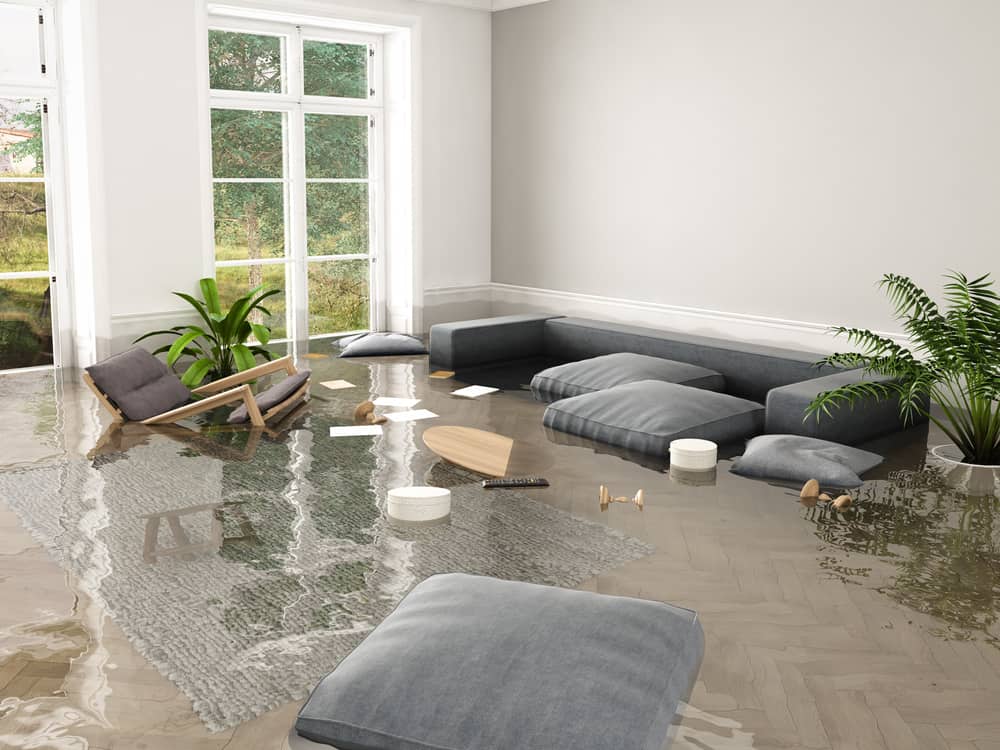
Water damage restoration in Bayport isn’t a one-size job. We deliver the full range of what South Shore homeowners actually deal with from basement water extraction after the water table rises during a sustained rainy stretch, to storm damage restoration following a Great South Bay surge event, to burst pipe water damage in older plumbing systems that have been in the ground since the Eisenhower administration.
For bay-front properties in FEMA Zone AE, many Bayport homeowners are carrying both a standard homeowners policy and a separate NFIP flood insurance policy. That creates a documentation requirement that’s more complex than a typical single-policy claim. We document damage in a format that supports both, reducing the risk of a denial or a gap between what the two policies cover. This isn’t a detail most restoration companies think about but for Bayport homeowners with waterfront or near-waterfront properties, it’s a real issue.
Our scope of work includes water extraction, structural drying, moisture mapping, antimicrobial treatment, and where needed, full rebuild drywall replacement, flooring restoration, and reconstruction handled by the same company that did the mitigation. There’s no handoff to a separate contractor and no gap in accountability. For homeowners in the Bayport-Blue Point area dealing with flooded basement cleanup or broader storm damage, this single-company approach means one point of contact from start to finish.

Does homeowners insurance cover water damage from Great South Bay flooding in Bayport?
This is one of the most important distinctions for Bayport homeowners to understand, and getting it wrong can be expensive. Standard homeowners insurance covers sudden, accidental water damage from internal sources a burst pipe, an appliance that overflows, a roof leak from a storm. It does not cover flooding. Flooding, by insurance definition, means water that enters from the ground up storm surge from the Great South Bay, rising bay water, or groundwater pushing through your foundation during a major storm event.
For that type of damage, you need a separate flood insurance policy, typically through the National Flood Insurance Program. Bay-front properties in Bayport that sit in FEMA Zone AE are in the high-risk 100-year flood zone, which means flood insurance is often required for federally backed mortgages on those properties. If you’re not sure which policy applies to the damage you’re looking at, call us for an assessment first. Proper documentation of the damage source is critical to getting a claim approved, and having a professional on-site before the adjuster arrives strengthens your position significantly.
How quickly does mold start growing after water damage in an older Bayport home?
The EPA’s guidance is 24 to 48 hours and that timeline applies regardless of how old your home is. But in Bayport’s older housing stock, particularly the Victorian and Colonial homes south of Middle Road that date back to the 1870s through 1940s, the risk compounds quickly. Plaster walls, original hardwood floors, and crawl space construction hold moisture longer and release it more slowly than modern drywall and concrete. That means the conditions that support mold growth can persist well past the point where the home appears dry to the eye.
Mold spores are already in the air they’re always present. What they need to germinate is moisture and a surface to land on. In a home with original plaster walls and a crawl space that hasn’t fully dried, those conditions can persist for weeks after an apparent cleanup. This is why professional moisture detection equipment matters: it finds the water that’s still present inside the structure, not just on the surface. If you dried things up yourself and you’re not sure you got it all, that’s worth having checked especially in a Bayport home with the kind of historical construction common in the area.
My Bayport basement gets wet even when there's no storm what's causing that?
Bayport’s sandy soil and proximity to the Great South Bay mean the water table sits closer to the surface than in inland communities. During a prolonged wet stretch even without a named storm that water table rises. When it rises enough, hydrostatic pressure builds against your foundation walls and floor, and water finds its way in through cracks, around sump pump discharge points, or directly through porous concrete block. You don’t need a dramatic event for this to happen. A few weeks of above-average rainfall can be enough.
This type of intrusion is easy to dismiss because it doesn’t feel like an emergency. There’s no burst pipe, no visible storm, just a wet basement that wasn’t wet last month. But the mold risk is identical moisture is moisture, and 24 to 48 hours is still the window. If your basement is showing recurring moisture, that’s a pattern worth addressing with a professional assessment. We can determine whether the source is a rising water table, a foundation issue, or something else, and give you a clear picture of what remediation actually looks like.
How long does water damage restoration take for a flooded basement in Bayport, NY?
For a typical flooded basement one room, moderate water intrusion, no major structural damage the drying phase alone usually runs three to five days using commercial-grade air movers and dehumidifiers. Water extraction itself is typically completed within the first one to three days depending on the volume of water present. The full restoration process, from initial extraction through any necessary repairs, averages around two weeks for most residential jobs, though more extensive damage can extend that timeline.
In Bayport’s older homes, particularly those with crawl spaces rather than full basements, the drying timeline can run longer. Crawl spaces have limited airflow and are prone to retaining moisture in the soil and structural members, which means additional equipment placement and more frequent moisture monitoring. If the damage requires reconstruction replacing drywall, flooring, or structural elements that adds time beyond the drying phase. The most accurate timeline comes from an on-site assessment, which we provide at no charge. You’ll know the actual scope before any work begins.
What's the difference between water damage restoration and just drying things out yourself?
The core difference is equipment reach and documentation. A consumer box fan or a rental dehumidifier moves air and removes some surface moisture. It cannot reach moisture that has wicked into wall cavities, beneath flooring, inside insulation, or into the structural framing of your home. Our professional restoration equipment industrial air movers, commercial dehumidifiers, and thermal imaging tools is designed specifically to find and eliminate moisture at a structural level, not just at the surface.
The documentation piece is just as important, especially for insurance purposes. A professional assessment creates a written record of the damage source, the extent of moisture intrusion, and the steps taken to remediate it. That documentation is what your insurance carrier needs to process a claim. If you dry things yourself and later discover mold or structural damage, you may be in a much harder position to demonstrate that the damage originated from the original event. For a home in Bayport worth $700,000 or more, the cost of cutting corners on documentation is rarely worth it.
Does First Response Restoration and Cleaning Inc. handle both water extraction and the rebuild in Bayport?
Yes and for Bayport homeowners, that matters more than it might seem. Water damage restoration doesn’t end when the drying equipment gets picked up. If water has been present long enough, or in sufficient volume, you’re often looking at drywall that needs to come out, flooring that can’t be saved, or structural elements that require repair before the space is livable again. Coordinating a mitigation company, a separate mold remediator, and a general contractor while also managing an insurance claim is genuinely overwhelming.
We handle the full scope extraction, drying, antimicrobial treatment, and reconstruction under one company. For homeowners in the Bayport-Blue Point area dealing with storm damage restoration or a significant flooded basement cleanup, that means one point of contact, one set of documentation, and one company accountable for the outcome from start to finish. There’s no gap between the mitigation phase and the rebuild phase where things fall through the cracks, and no situation where the restoration company and the contractor are pointing at each other over who’s responsible for a problem that came up mid-project.
Useful Links
Other Services we provide in Bayport