
Water Damage Restoration in Bellport, NY
When Great South Bay Rises, Bellport Homes Need More Than a Quick Dry-Out
Hear from Our Customers

Flood Restoration Bellport, NY
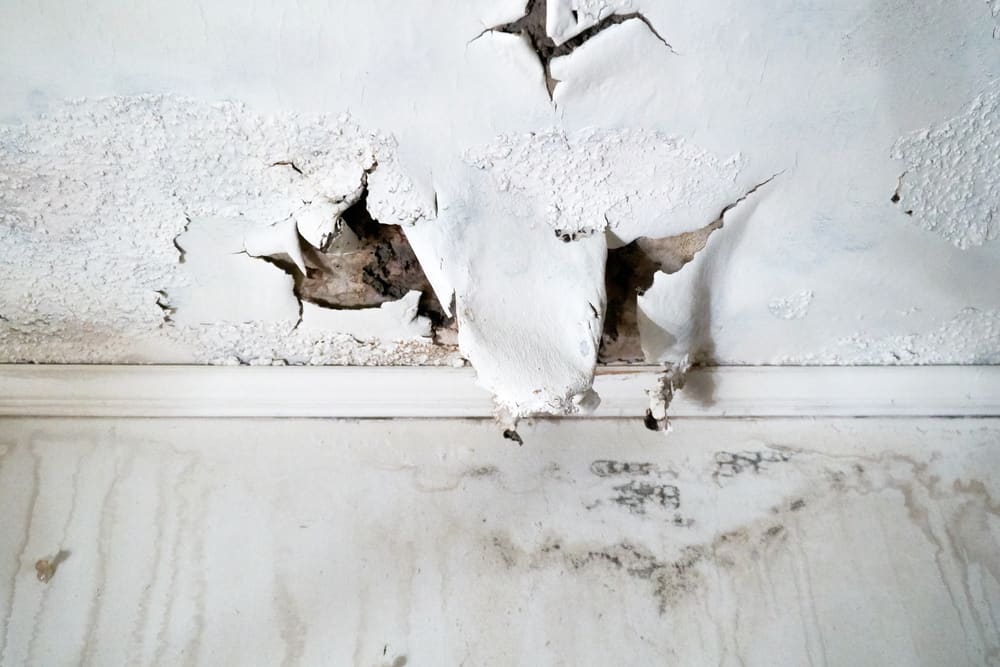
When water gets into your home, the visible damage is only part of the problem. The part you can’t see moisture trapped inside original plaster walls, under hardwood floors, behind century-old baseboards is what turns a manageable situation into a mold remediation project months down the road.
In Bellport’s older homes, many of which date back to the 1800s, that hidden moisture has more places to hide than in a standard post-war ranch. Getting the water out fast matters. The EPA is clear that water-damaged areas need to be dried within 24 to 48 hours to prevent mold growth. But drying fast isn’t the same as drying thoroughly.
Industrial-grade equipment dehumidifiers, air movers, and moisture meters can reach what consumer fans and wet-vacs never will. That’s the difference between a job that’s done and a job that just looks done. For Bellport homeowners specifically, there’s another layer: documentation. Whether you’re filing a standard homeowners insurance claim or navigating the National Flood Insurance Program, the quality of the damage documentation directly affects what you recover. A thorough, properly documented restoration gives your claim the best possible foundation from the start.
Residential Water Damage Repair Bellport, NY
We’re based in West Babylon, Suffolk County on the same South Shore corridor that runs through Bellport. That proximity means we understand the specific water damage patterns here: bay surge from nor’easters, high water tables pushing moisture through foundation walls, older homes with plumbing systems that weren’t designed for modern demands. These aren’t abstract risks. They’re the calls we respond to every season.
Our technicians are IICRC-certified, which is the industry standard that insurance companies expect when reviewing restoration claims. We’re also licensed, bonded, and insured which isn’t just a checkbox. In a village where the Historic District Preservation Commission governs renovation work on homes within Bellport’s six historic districts, having a properly credentialed contractor is the only way to make sure the restoration holds up to scrutiny, both structurally and administratively.
We handle insurance coordination directly. You don’t have to be the go-between for your insurer and us that burden gets lifted from the first call.
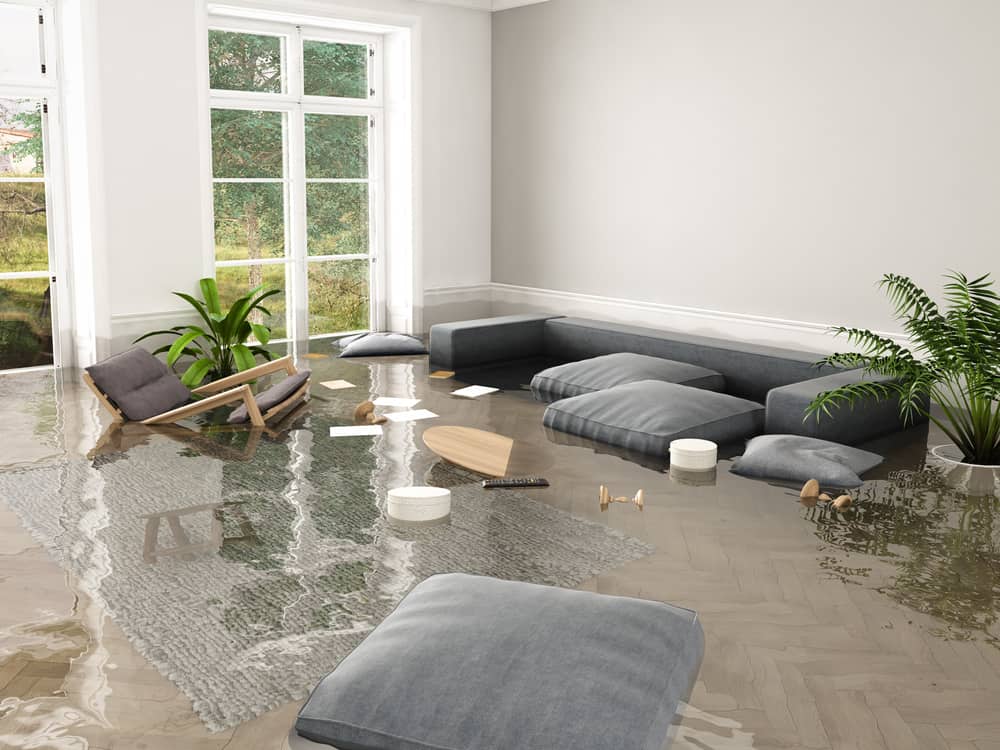
Emergency Water Removal Bellport, NY
The process starts with an assessment not a sales pitch. When we arrive, the first priority is understanding the full scope of the damage, including what’s visible and what isn’t. Moisture meters and thermal imaging identify water that has migrated into walls, subfloors, and structural cavities. In Bellport’s older homes, where original plaster walls and historic millwork are part of what makes the property valuable, knowing exactly where moisture has traveled before cutting anything open is essential.
Once the scope is mapped, water extraction begins. We use industrial pumps and extraction equipment to remove standing water first. Then the drying phase starts air movers and commercial dehumidifiers run continuously, often for several days, until moisture readings confirm the structure has reached safe levels. This phase isn’t rushed, because cutting it short is exactly how hidden moisture problems develop later.
Throughout the process, everything is documented: moisture readings, photos, equipment logs, and a written record of the work performed. This documentation package goes to your insurance company whether that’s a standard homeowners policy or an NFIP flood policy, both of which are common in Bellport given the village’s coastal flood zone designation. If structural repairs or reconstruction are needed, we coordinate that work, so there’s no gap between the restoration phase and the rebuild.
Ready to get started?
24/7 Water Damage Restoration Bellport, NY
Water damage restoration covers the full scope from the initial emergency response through structural drying, mold prevention, and final reconstruction. There are no handoffs to separate contractors mid-project. We’re the same team that extracts the water, monitors the drying, handles the documentation, coordinates with your insurer, and completes any necessary repairs.
For Bellport specifically, this matters in a few concrete ways. A significant portion of homes in the village are weekend or seasonal residences. If you’ve returned to find water damage that’s been sitting for days a burst pipe during a cold snap, post-storm moisture that went undetected the situation is more complex than a same-day leak. Mold may already be developing behind walls. Our assessment accounts for that reality, not just the surface-level water.
We also handle direct insurance billing and claims coordination. We document damage in a format that insurers and adjusters recognize, which reduces the back-and-forth that often delays claims. For homeowners carrying NFIP flood coverage common in Bellport’s repetitive-loss flood zone the documentation requirements are stricter than a standard policy, and our process reflects that. Emergency response is available around the clock, every day, because water damage doesn’t wait for business hours and neither do we.

Does homeowners insurance cover water damage from flooding in Bellport, NY?
This is one of the most important distinctions to understand before you file anything. Standard homeowners insurance covers sudden, accidental water damage from internal sources a burst pipe, a failed water heater, an appliance overflow. It does not cover flooding. Flooding, by insurance definition, means water that enters from outside the structure storm surge, overland flow, groundwater and that requires a separate National Flood Insurance Program policy.
In Bellport, this matters more than in most Suffolk County communities. The village sits directly on Great South Bay and is classified within the Town of Brookhaven’s NFIP repetitive-loss area, meaning properties here have flooded repeatedly and collected claims over time. Many Bellport homeowners carry both a standard homeowners policy and an NFIP flood policy. When damage occurs, the source of the water determines which policy applies and sometimes both are involved in the same event. Having a restoration company that understands both claims processes and can document damage accordingly is the difference between a smooth claim and a protracted dispute with your insurer.
How quickly does mold start growing after water damage in an older Bellport home?
Mold spores can begin germinating within 24 hours under the right conditions. Visible growth typically appears within 48 to 72 hours, but microscopic growth starts earlier than that before you’d ever see it. In a home that’s been closed up for several days, like a Bellport weekend property that sat unoccupied after a nor’easter, that window has often already passed by the time the owner walks through the door.
The construction of older Bellport homes accelerates the risk. Victorian and Greek Revival houses were built with materials original plaster, old-growth hardwood, stone foundations that absorb and retain moisture differently than modern construction. Moisture can sit inside plaster walls or beneath original hardwood floors without any visible sign on the surface. That’s why a professional assessment using moisture meters isn’t optional after any significant water event in a home like this. The goal isn’t just to dry what you can see it’s to confirm that what you can’t see has also been addressed before the job is closed out.
What should I do immediately after my Bellport basement floods?
The first step is safety don’t enter a flooded basement if there’s any possibility the water has reached electrical outlets, panels, or appliances. Shut off power to that area at the breaker if you can do so safely from a dry location. Then call us. Don’t wait to see how it drains on its own.
While you’re waiting for our crew to arrive, document everything you can with your phone photos and video of the water level, visible damage, and any contents that were affected. This documentation supports your insurance claim and establishes the condition at the time of discovery. Avoid using household fans or wet-vacs as a substitute for professional extraction. They don’t have the capacity to remove water from structural cavities, and running fans in a space with standing water can actually spread moisture further before the source is contained. In Bellport’s low-lying coastal areas, where the water table is already close to the surface, basement flooding can involve groundwater intrusion in addition to whatever triggered the event and that requires professional assessment to address correctly.
How does water damage restoration work on a historic home in Bellport Village?
Restoring a historic home in Bellport Village requires more care and more planning than a standard restoration job. The materials are different original plaster, old-growth wood, historic millwork and they respond to moisture differently than modern drywall and engineered lumber. Cutting corners on the drying process in a home like this doesn’t just create a mold risk; it can cause irreversible damage to materials that can’t be replicated.
There’s also the regulatory layer. Bellport’s Historic District Preservation Commission governs renovation and restoration work on homes within the village’s six historic districts. Any structural work that follows water damage replacing damaged wall sections, repairing flooring, addressing structural members needs to be documented and, in some cases, reviewed for compliance with preservation standards. Working with a licensed, experienced restoration company that understands this process matters here in a way it simply doesn’t in a newer subdivision. Proper documentation of the pre-existing condition, the damage, and the proposed remediation protects both the homeowner and the integrity of the historic structure.
How long does water damage restoration typically take for a Bellport home?
The timeline depends entirely on the severity and scope of the damage. For a contained situation a burst pipe affecting one room, caught quickly the extraction and drying phase typically runs three to five days, with any necessary repairs following after. For more extensive damage involving multiple rooms, structural saturation, or mold development, the full process can take two to three weeks or longer.
In Bellport, a few local factors can extend that timeline. Older homes with plaster walls and original subfloors take longer to dry than modern construction because the materials are denser and hold moisture more stubbornly. If the damage occurred in a property that was unoccupied for several days before being discovered which is common in the village’s secondary residence market the drying phase starts from a more saturated baseline. And if the damage involves storm surge or groundwater intrusion rather than a clean water source, the remediation process is more involved because the water itself carries contaminants that require additional treatment. A realistic timeline is established after the initial moisture assessment, not before it.
Can a restoration company really handle my insurance claim, or do I have to manage that myself?
We can take on most of the heavy lifting. That means documenting the damage in the format insurers and adjusters expect, communicating directly with your insurance company, and billing them directly rather than putting you in the middle. You still need to initiate the claim with your insurer, but the back-and-forth that tends to drag the process out the documentation requests, the adjuster questions, the scope disputes is handled by our team.
For Bellport homeowners, this is especially relevant because many properties here involve more than one policy. If you have both a standard homeowners policy and an NFIP flood policy, the documentation requirements differ between them, and the source of the water determines which policy covers which portion of the damage. Getting that wrong in the documentation phase can delay or reduce your claim. We’ve been coordinating directly with insurance companies on Long Island for nearly 30 years, which means we understand what adjusters look for and how to present the damage record in a way that supports the claim rather than complicating it.
Useful Links
Other Services we provide in Bellport