
Water Damage Restoration in Blue Point, NY
Bay-Side Homes Need More Than a Wet-Vac
Hear from Our Customers

Flood Restoration in Blue Point, NY
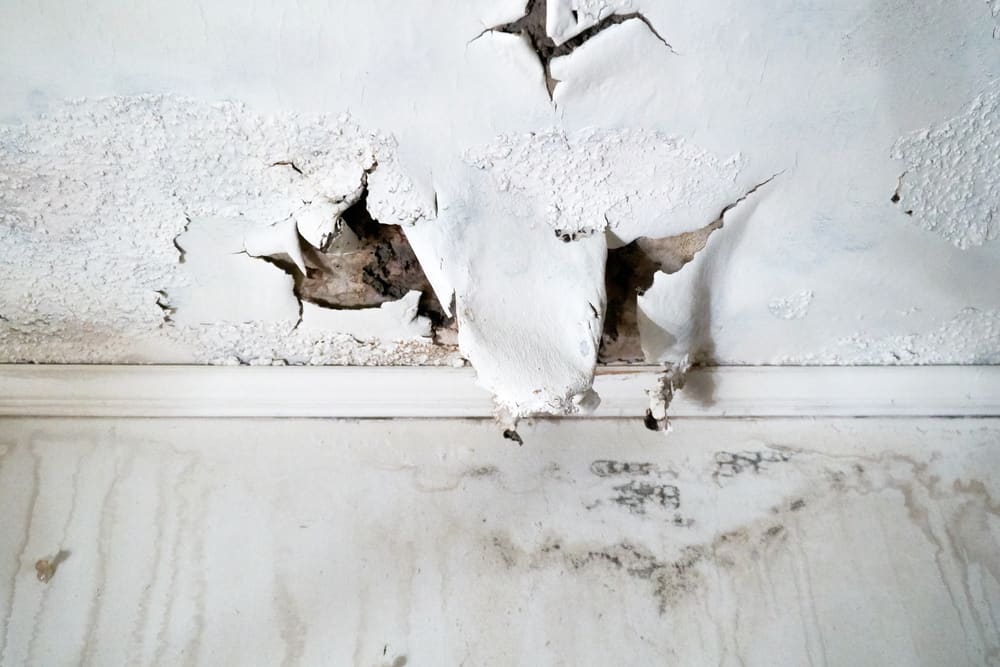
When water gets into a Blue Point home whether it’s bay-driven flooding pushing up from the south side of Montauk Highway, a failed sump pump in a 1950s Cape Cod basement, or a burst pipe in aging plumbing that’s been quietly corroding for decades the damage doesn’t stop when the water stops. Moisture wicks into wall cavities, soaks through subfloor materials, and settles into insulation where no fan can reach it. The visible mess is just the beginning.
What you actually need is someone who can find all of it, dry all of it, and document all of it for your insurance company. That’s the difference between a cleanup and a real restoration. When the job is done right, you’re not left wondering six months later why there’s a musty smell coming from the corner of your basement because the moisture that would have caused it was found and eliminated the first time.
For Blue Point homeowners with significant equity in their properties, cutting corners on water damage restoration isn’t a cost-saving move. It’s a risk to the home itself. The EPA is clear that water-damaged areas need to be dried within 24 to 48 hours to prevent mold growth. Every hour matters, and so does the quality of the work that follows.
Residential Water Damage Repair, Blue Point, NY
We’re based in West Babylon a fellow South Shore Suffolk County community connected to Blue Point by the same coastal geography, the same aging housing stock, and the same exposure to nor’easters that roll in off the bay. When you call 631-587-5300, you’re reaching a local team, not a national dispatch center routing your job to whoever happens to be available.
We’ve been operating on Long Island for nearly three decades. That means we’ve responded to every major storm event that has hit the South Shore since the mid-1990s, including the flooding that devastated South Shore communities during Hurricane Sandy. We know what water intrusion looks like in a 1960s ranch home on a high water table. We know how the Great South Bay behaves during a nor’easter. That institutional knowledge is what you’re getting when you call.
Every technician is IICRC-certified, and we’re licensed, bonded, and insured which matters both for the quality of the work and for the integrity of your insurance claim.
Basement Water Extraction Process, Blue Point, NY
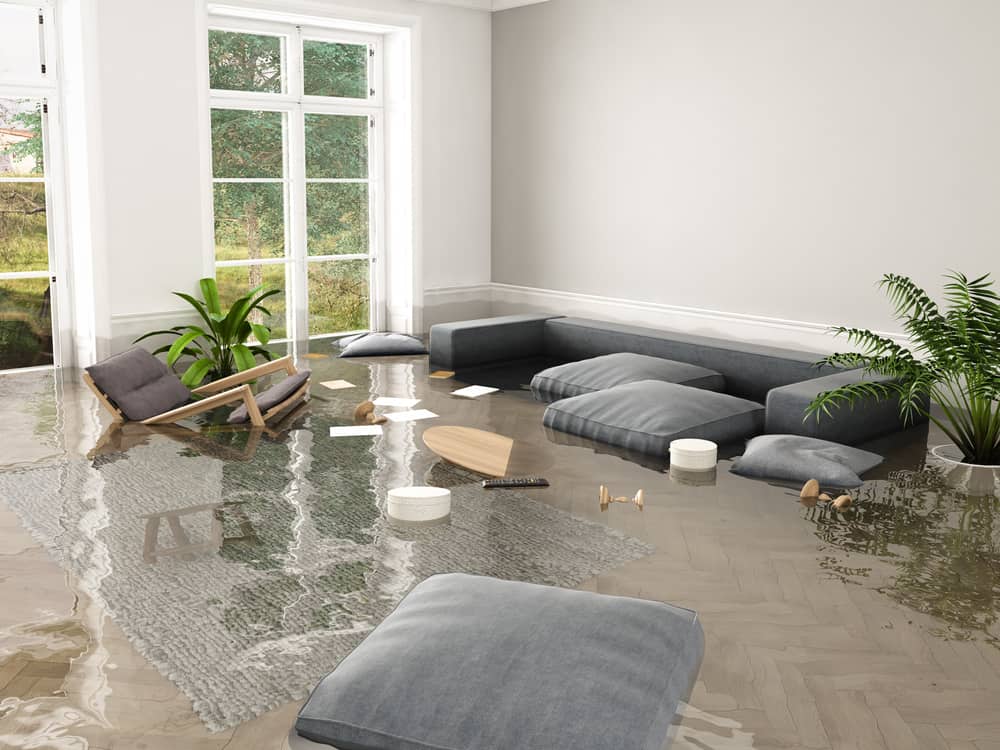
The first step is getting someone to your Blue Point home fast because in a South Shore community where basements sit on a notoriously high water table and bay-driven flooding can saturate a foundation quickly, time directly affects the scope of the damage. We offer 24/7 emergency response, so the clock doesn’t keep running while you wait for business hours.
Once on-site, we do a full moisture assessment not just a visual check of the standing water, but a systematic inspection using moisture meters and thermal imaging to find water inside walls, beneath flooring, and in structural cavities that look dry on the surface. In Blue Point’s older Cape Cods and ranch homes, hidden moisture is the rule, not the exception. The assessment drives the restoration plan, which is also the documentation your insurance adjuster will need.
From there, the process moves through water extraction, structural drying with industrial-grade dehumidifiers and air movers, antimicrobial treatment to prevent mold from taking hold, and full reconstruction if the damage warrants it. Any structural repairs in Blue Point fall under Town of Brookhaven permitting requirements, and mold remediation work in New York State is governed by Labor Law Article 32 we handle both, so you don’t have to figure out the regulatory side on your own. The goal is one company, one call, and a job that doesn’t leave loose ends.

Ready to get started?
Storm Damage Restoration Services, Blue Point, NY
Blue Point’s water damage profile is specific. The community sits at roughly 10 feet of elevation on the edge of the Great South Bay, and the housing stock predominantly Cape Cods and ranch-style homes built between the 1930s and 1960s was constructed on a high water table that has been pressing against foundations for generations. What that means in practice is that water damage here rarely comes from a single, simple source. It might be storm surge from a nor’easter combining with a sump pump that couldn’t keep up. It might be a supply line failure in a 60-year-old basement laundry room. It might be gradual groundwater intrusion that’s been slowly wicking into a concrete block foundation for years.
We handle the full range: emergency water removal and extraction, structural drying, flooded basement cleanup, burst pipe water damage repair, mold remediation, and complete reconstruction. For properties south of Montauk Highway where coastal flood exposure is higher, we’re experienced with the documentation requirements that come with NFIP flood insurance claims not just standard homeowners policies.
We also work directly with your insurance company, handling the communication and billing on your behalf. You don’t have to become an expert in claims language during one of the more stressful situations you’ll face as a homeowner. That’s what nearly 30 years of restoration experience looks like when it’s actually put to work for you.

Does homeowners insurance cover basement flooding in Blue Point, NY?
It depends on what caused the flooding, and that distinction matters a lot in Blue Point. Standard homeowners insurance covers sudden, accidental water damage from internal sources a burst pipe, a failed water heater, a washing machine supply line that let go. It does not cover flooding from an external source, which includes water driven in from the Great South Bay during a storm or groundwater rising through your foundation. For that type of damage, you’d need a separate flood insurance policy through the National Flood Insurance Program.
The reason this matters specifically in Blue Point is that the community’s position on the South Shore at roughly 10 feet of elevation with bay frontage means some properties, particularly those south of Montauk Highway, sit within or near FEMA-designated flood hazard areas. If your home is in a mapped flood zone, your mortgage lender may have already required you to carry flood insurance. If you’re not sure which policy applies to your situation, call us at 631-587-5300 before you call your insurance company. Getting the damage properly documented first strengthens your claim regardless of which policy covers it.
How fast does mold start growing after a basement floods?
Faster than most people expect. The EPA’s guidance is that water-damaged areas need to be dried within 24 to 48 hours to prevent mold growth and that’s under normal conditions. In a Blue Point basement on a high water table, where ambient moisture levels are already elevated and the space may not have great air circulation, the conditions for mold growth are even more favorable. Mold spores are always present in the air; they just need a wet surface to land on and start colonizing.
The more important point is that visible mold the kind you can see on drywall or baseboards is a lagging indicator. By the time you can see it, it’s already been growing for a day or two, and it’s likely established in wall cavities and insulation you can’t see at all. This is why surface-level cleanup with consumer fans and a wet-vac is genuinely risky in older Blue Point homes. The moisture stays locked inside the structure, and the mold follows. Industrial drying equipment and a proper moisture assessment after extraction are what actually close the loop.
What's the difference between water damage restoration and just drying things out?
Drying is one step in restoration it’s not the whole thing. When a home in Blue Point takes on water, the process that follows involves moisture mapping to find where water has traveled, extraction of standing water, structural drying using industrial dehumidifiers and air movers calibrated to the volume of water involved, antimicrobial treatment to address mold risk, and documentation of every step for insurance purposes. If there’s structural damage compromised drywall, damaged flooring, saturated insulation reconstruction is part of the job too.
Consumer-grade equipment can move surface water and reduce visible moisture. What it can’t do is pull moisture out of inside wall cavities, concrete block foundations, or the subfloor structure of a 1950s Cape Cod where water has wicked up through the framing. In Blue Point’s older housing stock, that hidden moisture is almost always present after a significant water event. Professional restoration closes the gap between “looks dry” and “is actually dry” and that gap is where mold problems and structural damage come from.
How long does water damage restoration take for a Blue Point home?
For most water damage situations, the drying phase alone takes three to five days using professional equipment. A more complete restoration extraction, drying, mold prevention treatment, and any structural repairs typically runs two to three weeks from start to finish, though the range can be wider depending on how much water entered the home and how far it traveled into the structure.
In Blue Point specifically, a few factors can affect the timeline. Older homes with concrete block foundations or older framing materials tend to hold moisture longer than newer construction. Basements on the high South Shore water table can be slower to fully dry if groundwater is still pressing against the foundation during the drying process. And if the damage involves storm surge from the Great South Bay which carries contaminants that classify it as Category 3 water under IICRC standards the remediation protocol is more involved than a clean-water pipe burst. We’ll give you a realistic timeline after the initial assessment, not a generic estimate.
Should I call the restoration company or my insurance company first?
Call the restoration company first. This is counterintuitive for a lot of homeowners, but it’s the right sequence. Getting a professional team on-site quickly limits the damage and since mold can begin forming within 24 to 48 hours, every hour you spend on hold with your insurance company is an hour the water is sitting in your walls. More importantly, a professional restoration team can document the damage properly before anything is disturbed, which is exactly what your insurance adjuster needs to process the claim.
We work directly with insurance companies on your behalf. Once you’ve called us and we’re on-site, we handle the communication, documentation, and billing with your insurer whether that’s a standard homeowners policy covering a burst pipe or an NFIP flood policy covering bay-driven flooding. You’re not left navigating claims language while also dealing with a flooded basement. The restoration starts immediately, and the insurance process runs alongside it rather than ahead of it.
Is water damage restoration in Blue Point covered under flood insurance or homeowners insurance?
The answer depends entirely on the source of the water. Homeowners insurance covers sudden, accidental damage from internal sources think burst pipes, appliance failures, or a water heater that gives out. Flood insurance through the NFIP covers water that enters from outside the structure, including storm surge from the Great South Bay, overland flooding during heavy rain events, and groundwater that rises and enters through foundation walls or floor drains.
In Blue Point, this distinction is especially relevant because the community faces both types of risk. A nor’easter can drive bay water into homes on the south side of Montauk Highway while simultaneously causing pipes to freeze and burst in homes throughout the hamlet. The same storm can trigger two different coverage types depending on which part of the damage you’re filing for. We have nearly 30 years of experience working with both policy types on Long Island, and we document damage in a way that supports the specific claim you’re filing so you’re not leaving money on the table because the paperwork didn’t match the coverage.
Useful Links
Other Services we provide in Blue Point