
Water Damage Restoration in Centerport, NY
When Centerport Harbor Surges, Every Hour Counts
Hear from Our Customers

Flood Restoration Centerport, NY
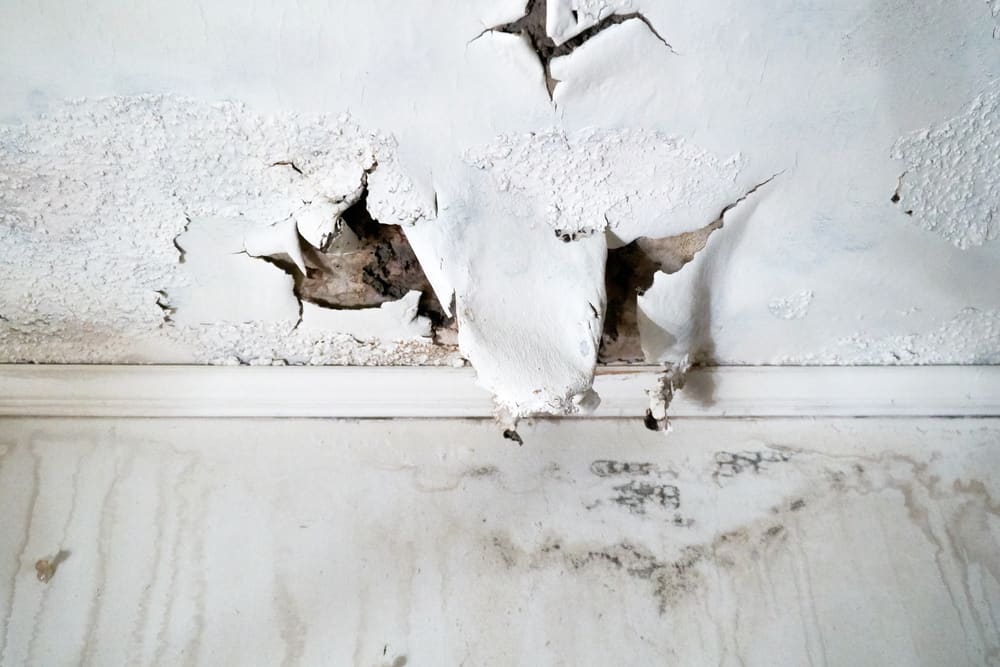
Water damage in Centerport isn’t just about a wet floor. It’s about what’s happening inside your walls, under your subfloor, and behind the baseboards of a home that may have been standing since the 1950s. The older the home, the more places water hides and the more damage it does quietly before you ever see it.
When we finish a job, you’re not left guessing. Moisture levels are measured and documented at every stage, the drying is verified not assumed and the scope of work is recorded in a format your insurance adjuster will actually accept. That matters a lot when you’re filing a claim on a Centerport home worth $700,000 or more.
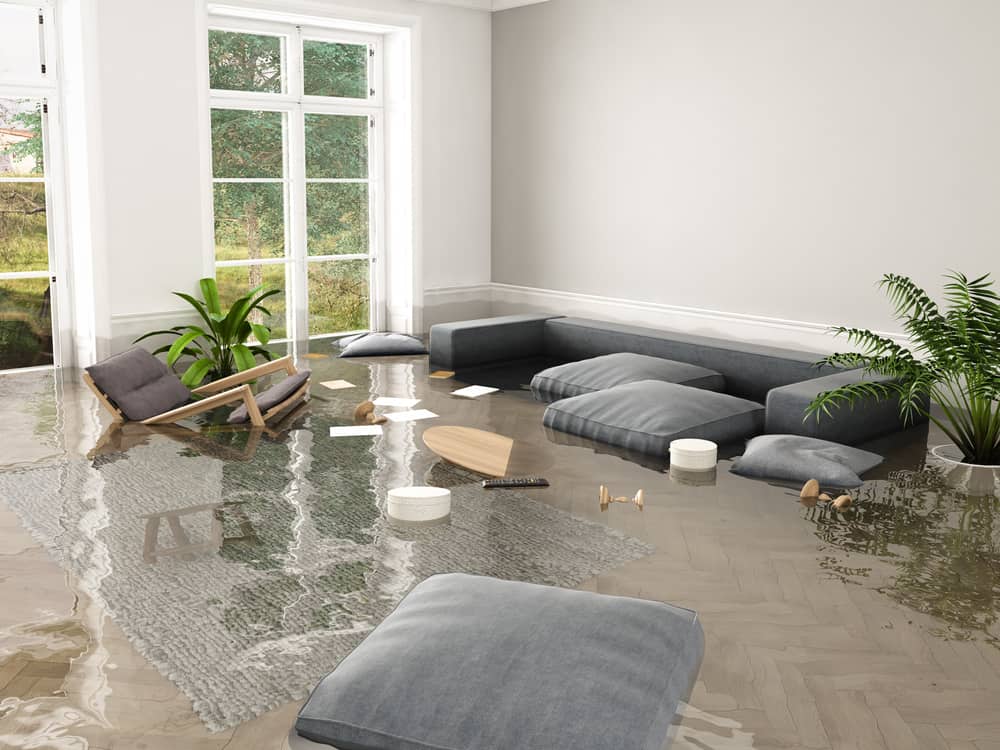
Centerport Harbor is a narrow inlet off Northport Bay, and when a nor’easter pushes water in from Long Island Sound, that funnel geometry concentrates the surge rather than dispersing it. Knowing that distinction and responding to it correctly is the difference between a clean remediation and a mold problem six months from now. Harbor-facing homes face a flooding risk that’s genuinely different from what inland Long Island communities deal with.
Residential Water Damage Repair Centerport, NY
We’ve been serving Centerport and the broader Huntington area since the mid-1990s. That’s not a marketing figure it means our team has worked through nor’easters, tropical systems, pipe failures, and the full range of water damage scenarios that Centerport homes actually face. We’ve been part of this community the entire time.
We’re based in West Babylon and carry a 631 area code a genuine Suffolk County operation, not a national call center routing jobs to whoever’s available. Our technicians are IICRC-certified, which means the work follows the same standards that insurance companies expect when they review a claim. We’re also licensed, bonded, and insured, which matters when someone is doing structural drying work in a Centerport home near the Harborfields school district where property values reflect decades of careful investment.
There’s no pressure to commit before you know what you’re dealing with. A free on-site assessment tells you the scope before any work begins.
24/7 Water Damage Restoration Centerport, NY
When you call, you reach a real person not a voicemail. We run 24/7 emergency response, so whether a sump pump failed at 2 a.m. during a nor’easter or a pipe let go on a Sunday morning, the process starts immediately. A team is dispatched, and the first priority is stopping the source and containing the spread.
On arrival, our crew does a full moisture assessment not just what’s visible, but what’s inside walls, under floors, and in the structural cavities that consumer-grade fans will never reach. In a Centerport home built in the 1950s or earlier, that step is especially important. Original plaster walls and hardwood floors absorb water differently than modern materials, and the drying approach has to account for that. Industrial-grade air movers and dehumidifiers are set up to pull moisture out of the structure itself, not just the surface.
From there, the process moves through drying verification, antimicrobial treatment where needed, and full documentation throughout. If the damage reaches the reconstruction phase replacing drywall, subfloor, or structural framing we handle that too. Any structural work in Centerport falls under the Town of Huntington’s building department, and we’re familiar with what that process involves. You won’t be left to figure out permits on your own.
Ready to get started?
Burst Pipe Water Damage Centerport, NY
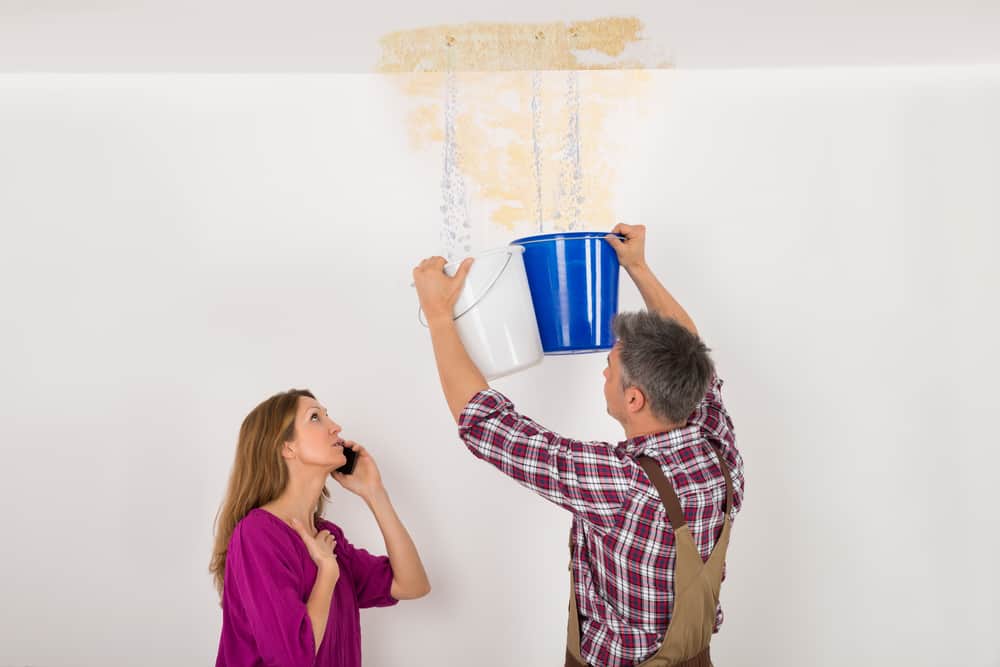
Water damage restoration with us covers everything from the emergency call through the final rebuild. That includes water extraction, structural drying, dehumidification, mold prevention treatment, contents assessment, and reconstruction of any structural elements that can’t be salvaged. There are no named service tiers the scope is determined by what the damage actually requires, not by a package you choose off a menu.
For Centerport homeowners, a few scenarios come up more often than others. Sump pump failures during power outages are common when nor’easters knock out electricity to the hamlet’s tree-lined streets. Burst pipes in older homes particularly the converted bungalows in the HBCA district near the harbor’s west side tend to affect plaster walls and original hardwood that require a more careful drying approach than modern construction. And for homes on or near the Vanderbilt Peninsula, harbor surge events involve water that may carry contaminants from the bay, which changes the remediation protocol.
Insurance coordination is built into the process. We work directly with your insurance company, handle the documentation, and bill the insurer directly where coverage applies. If you carry both a standard homeowners policy and a separate flood insurance policy which many Centerport residents near the harbor do we understand how to document the event so the right policy is applied to the right damage.

Does homeowners insurance cover water damage from a flooded basement?
It depends entirely on what caused the flooding. Standard homeowners insurance typically covers sudden, accidental water damage from internal sources a burst pipe, a failed water heater, an appliance overflow. What it does not cover is flooding from external sources like storm surge, groundwater, or overflowing bodies of water. For that, you need a separate flood insurance policy, usually through the National Flood Insurance Program.
This distinction matters a lot in Centerport. If your basement floods because a pipe burst during a February cold snap, your homeowners policy likely covers it. If Centerport Harbor surges during a nor’easter and water enters your foundation, that’s a flood event and only a flood policy pays for it. Many homeowners near the harbor carry both, which is smart given Centerport’s documented surge risk. We work directly with both types of insurers and can help you understand which policy applies to your specific situation before the claim is filed.
How fast does mold start growing after water damage in my home?
The EPA’s guidance is clear: mold can begin growing within 24 to 48 hours of water exposure under the right conditions. Mold spores are always present in the air they just need moisture and a surface to colonize. Once they find it, visible growth typically appears within 48 to 72 hours, but the microscopic growth starts well before you can see anything.
In a Centerport home with original plaster walls or older insulation, this timeline can be even more unforgiving. These materials are highly absorbent and hold moisture deep inside their structure long after the surface appears dry. A fan pointed at a wet wall won’t solve that. Industrial drying equipment air movers, dehumidifiers, and moisture meters that read inside the wall cavity is what actually stops the clock. The sooner professional extraction and structural drying begins, the smaller the remediation scope and the lower the total cost.
What should I do the moment I discover water damage in my Centerport home?
The first thing is to stop the source if you safely can shut off the water supply if it’s a burst pipe, or stop using appliances connected to the affected line. Don’t run water anywhere in the house until the source is identified. If there’s standing water near any electrical panel, outlets, or appliances, don’t enter that area call a professional first.
Once the immediate safety concern is handled, call a restoration company before you call your insurance company. Getting a professional on-site early means the damage is documented properly before an adjuster arrives, which protects your claim. Take photos of everything you can see standing water, affected walls, damaged contents but don’t start moving things around or running fans before the restoration team assesses the situation. Consumer-grade fans can actually spread moisture to unaffected areas in an older Centerport home, making the scope larger. In homes with finished basements and aging infrastructure, acting quickly and correctly in the first hour makes a real difference in the final outcome.
How long does water damage restoration typically take from start to finish?
For most water damage situations, the drying phase alone takes three to five days using professional equipment. A straightforward burst pipe in one or two rooms water extracted, walls dried, no mold can be resolved in under two weeks from start to finish. More extensive damage, particularly anything involving structural repairs or mold remediation, can run three to six weeks or longer depending on scope.
In Centerport, a few factors can extend that timeline. Homes with original plaster walls hold moisture longer than drywall and require more drying time before reconstruction can begin. If the damage triggers a permit requirement through the Town of Huntington’s building department which applies to any structural repair work that adds processing time to the reconstruction phase. And if a harbor surge event affects multiple homes in the area simultaneously, demand for restoration services increases across the board. Scheduling a response quickly after the event helps. Our 24/7 availability means you can get on the schedule immediately, rather than waiting until the next business day when the queue is already full.
Can I stay in my house during the water damage restoration process?
In most cases, yes but it depends on the extent of the damage and which areas of your home are affected. If the water damage is contained to a basement or a single room, the rest of the house is typically livable while drying equipment runs. The equipment is loud, and dehumidifiers run continuously, but most families manage to stay in place during the drying phase.
Where it becomes more complicated is when the damage affects primary living areas, HVAC systems, or when mold remediation is required. Mold remediation involves containment barriers and negative air pressure to prevent spores from spreading to clean areas of the home during active remediation, those zones are off-limits. If you have children or anyone with respiratory sensitivities, it’s worth discussing the situation with our team before deciding whether to stay or make temporary arrangements. We’ll give you a straight answer about what the conditions in your home actually look like, rather than a one-size-fits-all recommendation.
Why do some Centerport homes near the harbor need a different restoration approach?
The water itself is the reason. When Centerport Harbor surges during a storm, the water entering a home isn’t clean tap water from a burst pipe it’s harbor water, which can carry sediment, bacteria, and contaminants from the bay. Under the IICRC’s water damage classification system, that type of water is typically Category 2 or Category 3, depending on harbor proximity and conditions. Category 3 is the most contaminated classification and requires a significantly more involved remediation protocol: affected materials that can’t be thoroughly cleaned and dried certain types of insulation, carpet padding, and porous structural materials generally need to be removed rather than dried in place.
This matters for insurance documentation too. The water category affects what your adjuster expects to see in the scope of work, and a restoration company that doesn’t classify and document it correctly can create problems with the claim. Our IICRC-certified technicians follow the S500 standard for water damage restoration, which includes proper water categorization from the start. For waterfront and near-waterfront homes on the Vanderbilt Peninsula or along the harbor-facing streets of the HBCA district, that classification step isn’t a formality it’s what determines whether the job is done right.
Useful Links
Other Services we provide in Centerport