
Water Damage Restoration in Cold Spring Harbor, NY
Cold Spring Harbor's Historic Homes Deserve More Than a Surface Fix
Hear from Our Customers

Flood Restoration Services in Cold Spring Harbor
The real problem with water damage isn’t always what you can see the day it happens. It’s what’s sitting inside your walls, under your floors, or in a crawlspace two weeks later when mold has already started forming. That’s the outcome nobody wants and it’s exactly what a rushed or incomplete cleanup leads to.
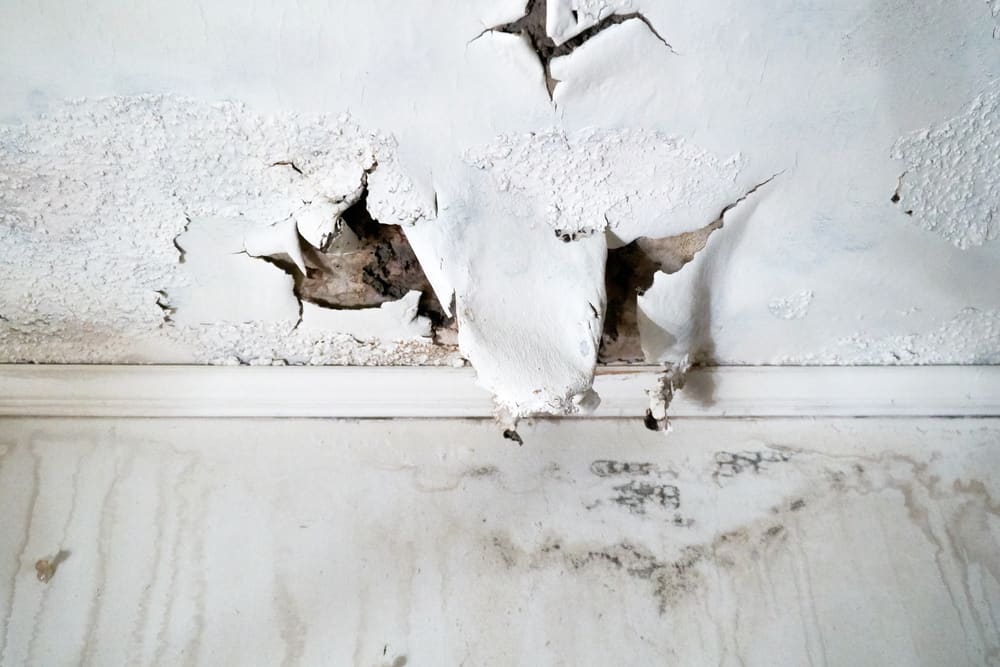
Cold Spring Harbor homes are particularly vulnerable to this. A significant portion of the housing stock here was built before 1940, and many of those structures were never designed with modern waterproofing in mind. Original plaster walls, older foundations, and crawlspaces without vapor barriers don’t respond to water the same way a newer build does. When moisture gets in, it finds places to hide that a shop vac and a box fan will never reach.
What you get with a proper restoration is the confidence that the job was done all the way through not just the visible surface, but the structural cavities, the subfloor, the wall assembly. We use industrial moisture meters, professional-grade drying equipment, and our team knows what they’re looking for in a North Shore home built in the 1920s through 1970s. The goal isn’t just dry. It’s verifiably dry, documented, and done in a way that holds up when your insurance adjuster reviews the file.
Residential Water Damage Repair in Cold Spring Harbor
We’ve been serving Long Island homeowners since the mid-1990s. That means our team has worked through nor’easters, pipe bursts in February, and post-storm flooding in communities all across Nassau and Suffolk County, including Cold Spring Harbor and the North Shore towns along the Sound.
Cold Spring Harbor sits in Suffolk County, and that’s exactly where we operate with a dedicated local number (631-587-5300) and teams that actually know the area. Not a national franchise routing your call through a dispatch center. Not a lead generation site with an Arizona area code showing up in your search results. We’re a real Long Island company that has been in this county long enough to understand what restoration work looks like in a 1940s colonial with original plaster versus a 1980s split-level with drywall.
Every technician on our team is IICRC-certified, and we’re fully licensed, bonded, and insured. When you’re dealing with a property worth what Cold Spring Harbor homes are worth, those credentials aren’t optional.
24/7 Water Damage Restoration Process Cold Spring Harbor
When you call, someone picks up day or night. The first step is getting a technician to your property quickly, because the EPA is clear that water-damaged areas need to be dried within 24 to 48 hours to prevent mold growth. That window doesn’t pause because it’s a Sunday or because a nor’easter knocked out power along Route 25A.
Once on site, we do a full assessment not just a visual walkthrough, but moisture mapping with professional meters that detect what’s hiding inside wall cavities, under flooring, and in crawlspaces. In Cold Spring Harbor, where many homes have crawlspaces instead of full basements and where older construction means more unpredictable moisture pathways, this step matters more than it does in a newer home with a standard layout.
From there, water extraction begins, followed by structural drying using industrial air movers and dehumidifiers. We monitor moisture levels throughout the drying phase typically three to five days and adjust equipment placement as readings change. Once the structure is verified dry, the scope of any needed repairs is documented in full.
For work that goes beyond standard mitigation into structural reconstruction, the Town of Huntington Building Department governs permitting for Cold Spring Harbor properties, and we handle that coordination as part of the process. Throughout all of it, we work directly with your insurance company, documenting everything to the standard adjusters require.

Ready to get started?
Burst Pipe and Basement Water Extraction Cold Spring Harbor
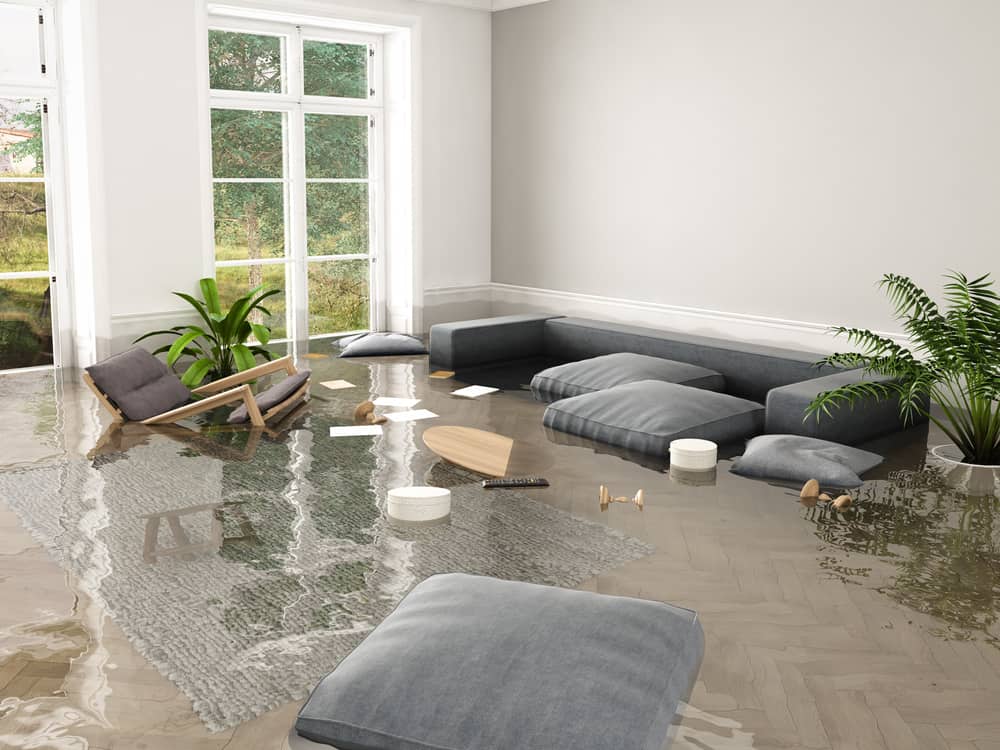
Basement flooding is the most common water damage call we receive from Cold Spring Harbor and it’s not hard to understand why. Homes built in the 1920s through the 1970s weren’t constructed with the waterproofing systems required by today’s codes. When a nor’easter pushes surge into Cold Spring Harbor’s tidal embayment and the water table rises, or when a pipe bursts during a hard February freeze, those older foundations feel it first.
We handle the full scope: emergency water extraction, structural drying, basement water extraction, crawlspace drying, mold prevention treatment, and reconstruction when needed. For Cold Spring Harbor’s historic homes including Victorian-era structures near the harbor village core along Route 25A that also means working carefully around original materials. Some of the oldest homes in this area may contain asbestos-containing materials in original plaster coatings, insulation, or roofing underlayment, and any restoration work that involves demolition requires proper assessment before that scope proceeds. This is not something every contractor is equipped to handle, and it’s one of the reasons experience in older Long Island homes specifically matters here.
We also coordinate directly with your insurance company from start to finish handling documentation, direct billing, and the communication that most homeowners find exhausting to manage on their own. Storm damage restoration, burst pipe water damage, flooded basement cleanup, and mold remediation following a water event are all part of what we handle under one roof, with one point of contact.

Does homeowners insurance cover water damage in Cold Spring Harbor, NY?
It depends on the source of the water, and this distinction matters a lot in Cold Spring Harbor. Standard homeowners insurance typically covers sudden, accidental water damage a burst pipe, a washing machine overflow, a roof breach from a falling tree during a nor’easter. What it does not cover is flooding. If water enters your home from outside tidal surge from Cold Spring Harbor’s harbor during a storm, groundwater seeping through an older foundation that falls under flood insurance, which is a separate policy through the National Flood Insurance Program or a private carrier.
For properties near the harbor village core along Route 25A, understanding which policy applies before you file is important. We work directly with insurance companies and can help you document the damage in a way that accurately reflects the source and scope which is what determines whether a claim gets approved or denied. Getting the documentation right from the start is far easier than trying to appeal a denial after the fact.
How fast does mold grow after a basement flood on Long Island?
Faster than most people expect. The EPA’s guidance is that water-damaged areas need to be dried within 24 to 48 hours to prevent mold growth. Mold spores can begin germinating within the first 24 hours under the right conditions and Cold Spring Harbor’s proximity to Long Island Sound means the ambient humidity here is already elevated, especially during summer months. That humidity accelerates the timeline.
In practice, this means that if your basement floods on a Tuesday night and you wait until Thursday afternoon to call someone, you may already be dealing with early-stage mold in wall cavities or under flooring even if the surface looks dry. This is especially true in homes with crawlspaces, which are common on the North Shore and which tend to trap moisture without adequate vapor barriers. The sooner extraction and structural drying begin, the smaller the remediation scope and the lower the overall cost.
What should I do immediately after my basement floods in Cold Spring Harbor?
The first thing to do is make sure it’s safe to enter. If there’s any chance the flooding reached electrical outlets, panels, or appliances, don’t go in until the power is off. Once it’s safe, stop the source if you can shut off the water supply if it’s a burst pipe, or close any openings if storm water is still coming in.
After that, call a restoration company before you start mopping anything up. Consumer-grade wet-vacs and fans can remove standing water from hard surfaces, but they can’t pull moisture out of wall assemblies, subfloor systems, or crawlspaces. In Cold Spring Harbor’s older homes, where original materials absorb and hold moisture differently than modern construction, surface-level cleanup often leaves enough hidden moisture behind to produce mold within a week. Documenting the damage with photos before anything is moved or cleaned also matters for your insurance claim adjusters need to see the condition as it was found, not after you’ve already started cleaning up.
How long does water damage restoration take for a Cold Spring Harbor home?
For most residential water damage situations, the drying phase alone takes three to five days. That’s the time needed for industrial air movers and dehumidifiers to bring moisture levels in walls, floors, and structural cavities down to acceptable readings. The full restoration timeline from initial extraction through any needed repairs and reconstruction averages around two weeks for moderate damage, though significant structural damage or widespread mold can extend that considerably.
Cold Spring Harbor’s older housing stock can add complexity to the timeline. Pre-war homes with original plaster walls, hardwood floors, and older framing dry differently than modern drywall and engineered lumber. Moisture moves more slowly through dense original materials, which means drying equipment needs to run longer and monitoring needs to be more frequent. If the restoration scope involves any structural demolition removing damaged plaster, opening wall cavities and the home predates 1980, a pre-demolition assessment for asbestos-containing materials may be required before that work can proceed, which adds a step to the process. We account for all of this in the initial assessment so there are no surprises mid-project.
Is a burst pipe water damage claim covered differently than storm flood damage?
Yes, and the difference is significant. A burst pipe is considered sudden, accidental water damage originating from inside the home that’s typically covered under a standard homeowners insurance policy. Storm flooding that enters from outside whether from tidal surge, surface runoff, or groundwater is not covered by homeowners insurance and requires a separate flood policy.
Where Cold Spring Harbor homeowners sometimes run into trouble is with the gray area in between. If a nor’easter drives water through a compromised roof or a failed window seal, that may be covered as wind-driven rain under your homeowners policy. If the same storm pushes tidal water up from the harbor and it enters through your foundation, that’s flood damage and requires flood coverage. The source matters, and so does how it’s documented. We photograph and document the damage in a way that clearly establishes the source and pathway which is the foundation of a successful claim, regardless of which policy applies.
Why does water damage restoration cost more on Long Island than national averages suggest?
A few factors drive the difference. Labor costs in Suffolk County are higher than the national average, and New York State’s licensing requirements for restoration contractors including separate licensing for mold assessment and mold remediation under the NYS Mold Law add a compliance layer that not every state requires. When you hire a properly licensed contractor here, you’re paying for credentials that protect you legally and ensure the work holds up to insurance scrutiny.
For Cold Spring Harbor specifically, the housing stock adds another layer. Restoring a 1930s Victorian with original plaster, historic millwork, and a stone foundation is a different job than restoring a 1995 colonial with standard drywall and a poured concrete basement. The materials behave differently, the moisture pathways are less predictable, and the care required to avoid damaging irreplaceable historic details takes more time. In a community where median home values exceed $1.5 million, the cost of cutting corners hidden mold discovered six months later, a structural issue that compounds, an insurance claim that gets denied because the work wasn’t properly documented far outweighs the difference between a qualified contractor and a cheaper alternative.
Useful Links
Other Services we provide in Cold Spring Harbor