
Water Damage Restoration in East Atlantic Beach, NY
When Your Home Sits Between Two Water Sources, You Need a Team That Understands Both
Hear from Our Customers

Flood Restoration Services, East Atlantic Beach NY
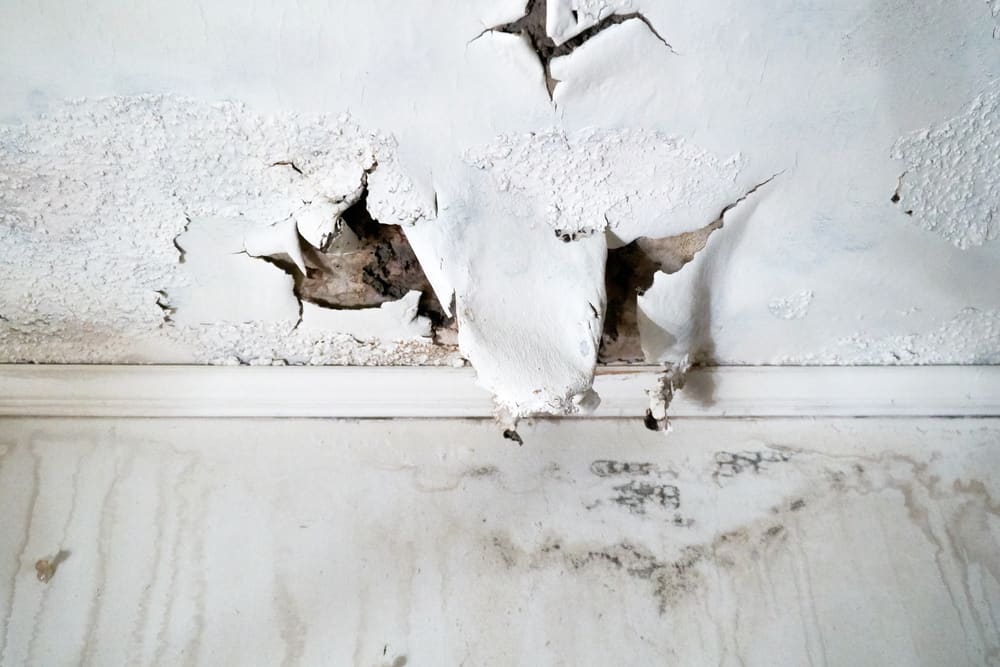
When water gets into a barrier island home, the damage rarely stops at the surface. It moves into wall cavities, underneath flooring, into insulation, and through the structural materials that make up the bones of your house. By the time you can see the problem clearly, the hidden damage has usually been building for hours.
What you want and what you deserve is a team that finds all of it, not just the obvious part.
For East Atlantic Beach homeowners, the stakes are higher than they are in most Nassau County communities. With home values regularly exceeding a million dollars and a housing stock that includes Cape Cods and colonials built in the 1940s and 1950s, the combination of aging materials and barrier island flood exposure creates a damage profile that demands a thorough, certified response. A surface-level cleanup job doesn’t cut it here.
When we finish the job, you get a home that’s actually dry not just dry to the touch. Moisture readings documented. Mold risk addressed before it becomes a mold problem. Insurance paperwork handled. And a clear record of the scope and process that holds up whether you’re dealing with your homeowners policy, your NFIP flood policy, or both.
Residential Water Damage Repair, Nassau County NY
We’ve been serving Long Island homeowners for nearly three decades. That means our team has worked through nor’easters, hurricanes, and the kind of catastrophic flooding that hit the Long Beach Barrier Island during Sandy in 2012. We know what barrier island water damage looks like, how it behaves differently from mainland flooding, and what it takes to actually remediate it correctly.
We’re based in West Babylon and cover all of Nassau County, including the South Shore barrier island communities where East Atlantic Beach sits. When you call, you’re reaching a local team not a national call center routing your job to whoever’s available. That matters when you’re on an island with limited access points and a storm that just came through.
Every technician is IICRC-certified. We’re licensed, bonded, and insured. And we work directly with your insurance company which, in East Atlantic Beach, often means navigating both a standard homeowners policy and a separate NFIP flood policy at the same time.
24/7 Water Damage Restoration, East Atlantic Beach NY
The first call triggers an immediate response. Because East Atlantic Beach is only accessible via the Atlantic Beach Bridge from the west, the Long Beach Bridge through Island Park, or the Loop Parkway from the east, we account for access conditions especially after a storm when bridge traffic can be heavy or roads on the island are compromised. Our goal is to be on-site as fast as conditions allow, because the EPA’s guidance is clear: water-damaged areas need to be dried within 24 to 48 hours to prevent mold growth.
Once on-site, the first step is a full assessment not just a visual scan, but moisture mapping using professional-grade meters and thermal imaging to locate water that has migrated behind walls, under floors, and into structural cavities. In older barrier island homes where materials have been exposed to decades of salt air and repeated humidity cycles, hidden moisture is the rule, not the exception. The assessment documents everything, which matters enormously for insurance purposes.
From there, industrial water extraction equipment removes standing water, followed by a structured drying phase using commercial-grade air movers and dehumidifiers. Progress is monitored daily with moisture readings until the structure reaches the target dryness levels. If mold remediation, structural repairs, or reconstruction are needed, we handle those too one company, one process, from extraction through rebuild.
Because East Atlantic Beach falls within a Town of Hempstead jurisdiction with FEMA flood zone requirements, any reconstruction work is coordinated to meet current base flood elevation standards. This detail matters if your repairs cross the threshold that triggers compliance review.
Ready to get started?
Storm Damage Restoration and Flood Cleanup, East Atlantic Beach
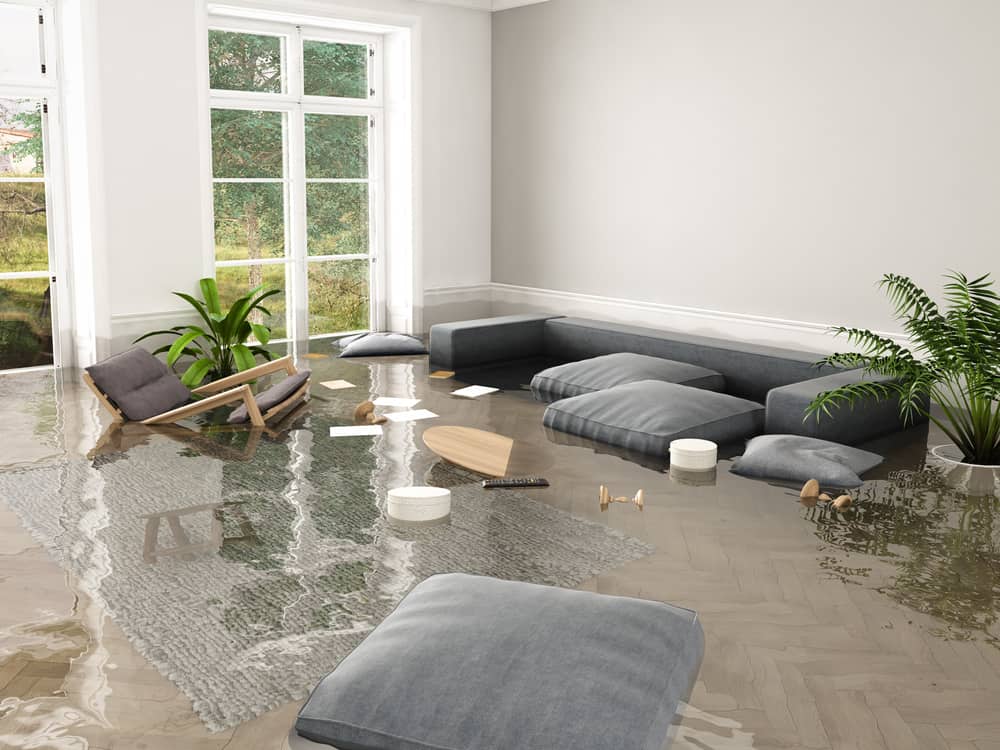
East Atlantic Beach’s position between Reynolds Channel and the Atlantic Ocean means that water damage here rarely comes from a single source. During a nor’easter or hurricane, storm surge can push water in from the bay side along Bay Boulevard while ocean-driven flooding approaches from the south. That dual-exposure dynamic is something a restoration company either understands or it doesn’t and it changes how a job is scoped and executed.
The services we deliver in East Atlantic Beach cover the full range of what barrier island homes actually need: emergency water removal and extraction, structural drying with industrial dehumidifiers and air movers, moisture mapping and documentation, mold remediation and prevention, sewage backup cleanup (a Category 3 water damage scenario that the Greater Atlantic Beach Water Reclamation District has documented as a real risk during major storm events), and full reconstruction when structural damage requires it. Fire damage restoration and board-up services are also available when a storm event causes compound damage.
For East Atlantic Beach homeowners who carry both a homeowners insurance policy and a separate NFIP flood policy, documentation is everything. Every step of the process is documented in a format that insurance adjusters including NFIP flood adjusters recognize and accept, because the work is performed to IICRC standards. That documentation is what separates a clean claim from a disputed one, and it’s one of the clearest practical reasons why certification matters in a community with this level of flood exposure.

Does homeowners insurance cover water damage in East Atlantic Beach, NY?
This is one of the most important questions to get right before you file a claim, and the answer depends on where the water came from. Standard homeowners insurance covers sudden, accidental water damage from internal sources a burst pipe, a washing machine overflow, a water heater failure. It does not cover flooding.
If the water entered your home because of storm surge from Reynolds Channel or ocean-driven flooding from a major storm, that falls under flood damage, which requires a separate NFIP flood insurance policy. In East Atlantic Beach, this distinction matters more than it does in almost any other Nassau County community, because the barrier island geography means many water damage events involve both types of water intrusion simultaneously.
A storm can drive ocean flooding through your foundation while a burst pipe from the same freeze event causes internal water damage and those two claims go to two different policies. We document the damage in a way that clearly identifies the source and scope for each policy, which reduces the risk of a denial and helps both claims move forward without the homeowner having to manage the paperwork fight alone.
How fast does mold start growing after water damage in a flooded home?
Mold spores can begin germinating within 24 hours under the right conditions, and visible growth typically appears within 48 to 72 hours. This timeline is what the EPA and the National Flood Insurance Program both document as the reason professional drying needs to start as quickly as possible after a water damage event.
In East Atlantic Beach, that timeline has a practical complication. The island’s limited bridge access means that in the immediate aftermath of a major storm, getting a restoration crew on-site may take longer than it would for a mainland community. That’s exactly why calling immediately the moment conditions are safe enough to allow access is critical. Every hour of delay is an hour closer to mold conditions that could have been prevented.
Our 24/7 availability means you can make that call at 11 PM when the storm clears, not wait until the next business morning. We’re positioned to respond quickly to East Atlantic Beach’s unique access constraints.
How long does water damage restoration take for a barrier island home?
For most residential water damage situations, the drying phase alone takes three to five days, and a complete restoration from initial extraction through final repairs typically runs about two to three weeks. More extensive damage widespread flooding, structural involvement, or mold remediation can extend that timeline significantly.
In East Atlantic Beach specifically, a few factors can affect the timeline. Older homes built in the 1940s and 1950s which make up a significant portion of the barrier island housing stock often have materials that hold moisture differently than newer construction. Plaster walls, older subfloor assemblies, and construction methods from that era can require longer drying times and more monitoring.
Additionally, any reconstruction that constitutes a “substantial improvement” under Town of Hempstead floodplain regulations generally repairs exceeding 50% of a structure’s market value must comply with current FEMA base flood elevation requirements, which can add permitting time to the overall project timeline. We walk you through what to expect at each stage so there are no surprises.
What should I do immediately after my East Atlantic Beach home floods?
The first priority is safety. Don’t re-enter the home until you’re confident the structure is stable and there’s no electrical hazard floodwater and live electricity are a fatal combination. If the flooding came from a storm surge event, be aware that the water may be contaminated with sewage.
During Sandy, the Greater Atlantic Beach Water Reclamation District reported that 100 million gallons of untreated sewage flowed into residential streets on the barrier island that’s a Category 3 water damage scenario, and it requires a different level of remediation than clean water damage.
Once it’s safe to enter, document everything with photos and video before touching anything. Call your insurance company to report the claim, and call us to get professional extraction and drying started. Don’t try to dry it out yourself with household fans consumer-grade equipment can’t reach moisture inside walls and under floors, and incomplete drying is the primary cause of mold problems that show up weeks later. The sooner professional equipment is running, the better your outcome.
Can I stay in my home during water damage restoration in East Atlantic Beach?
It depends on the extent of the damage and which areas of the home are affected. For localized damage a burst pipe in one room, for example most homeowners can remain in the home while drying equipment runs. The equipment is loud and the process involves restricted access to affected areas, but it’s manageable.
For more extensive flooding events, particularly those involving sewage contamination or damage to HVAC systems and multiple rooms, temporary relocation is often the safer and more practical choice. In East Atlantic Beach, where storm events can affect multiple areas of a home simultaneously given the dual-exposure geography, widespread flooding scenarios are more common than in inland Nassau County communities.
Your insurance policy may cover additional living expenses (ALE) if you need to temporarily vacate this is worth confirming with your insurer early in the process. We can help you understand the scope of the damage and what it means for your ability to stay in the home before you make that decision.
Why does IICRC certification matter when choosing a water damage company in East Atlantic Beach?
IICRC certification means the technicians performing your restoration have been trained and tested to a specific industry standard the IICRC S500 Standard for Professional Water Damage Restoration. It governs how different categories of water damage are identified and treated, how drying is documented, and what constitutes a completed job. Insurance companies, including NFIP flood insurance adjusters, recognize IICRC-certified work as meeting the standard required for a valid claim.
In East Atlantic Beach, this is not an abstract credential. After Sandy, many barrier island homeowners discovered that restoration work performed by non-certified contractors created two problems: hidden moisture that led to mold months later, and insurance claims that were disputed or denied because the documentation didn’t meet the standard the adjuster required.
A community that has been through that experience once has a very clear reason to verify certification before signing anything. Our IICRC-certified technicians document every step of the process moisture readings, drying logs, scope of work in a format that protects your claim and gives you a defensible record of what was done and why.
Useful Links
Other Services we provide in East Atlantic Beach