
Water Damage Restoration in East Hills, NY
When the Risk Lives Inside Your Walls, Not on the Shore
Hear from Our Customers

Flood Restoration Nassau County NY
When water gets into a home in East Hills, the stakes are different than almost anywhere else on Long Island. You’re not dealing with a basic water intrusion in an unfinished space you’re dealing with custom hardwood floors, finished basements, high-end millwork, and a property that represents a serious financial investment. Getting the restoration right the first time isn’t optional.
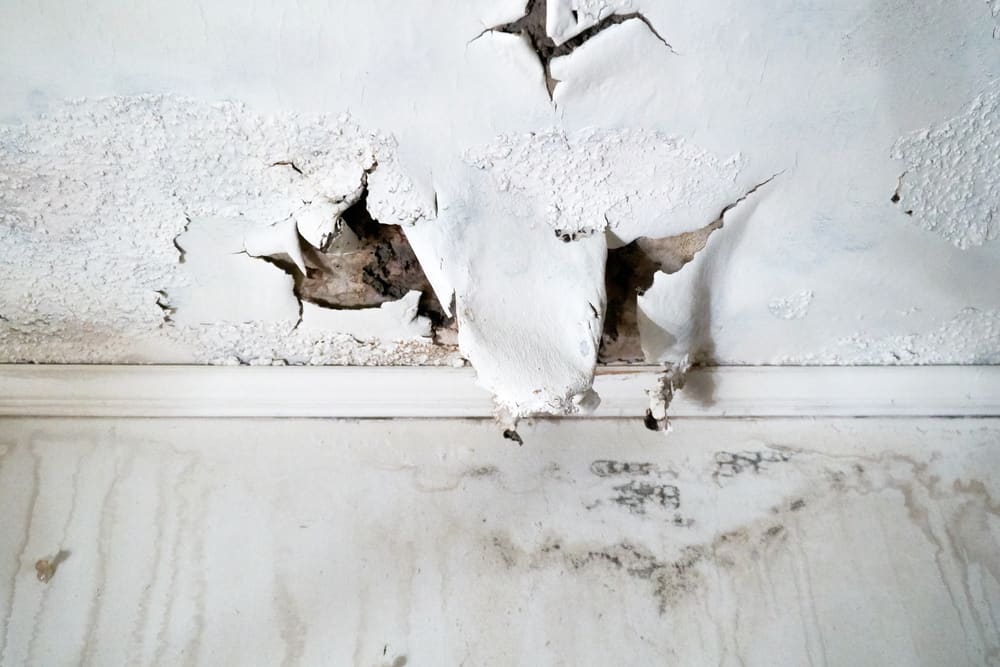
The homes in East Hills Strathmore, Country Estates, Norgate, Lakeville Estates were largely built in the late 1940s through the early 1960s. That puts most of the housing stock at 60 to 75 years old. The plumbing installed in a 1952 Colonial was designed to last 40 to 50 years. When galvanized steel supply lines corrode from the inside out or an original cast iron drain line finally gives way, the water doesn’t just sit on the surface it migrates into walls, under floors, and behind the finished materials you’ve spent years updating.
What you need after that happens is a complete resolution: water extracted, moisture mapped through the structure, everything dried to industry standard, and the damage documented properly so your insurance claim reflects the real scope of what occurred. That’s what water damage restoration in East Hills actually looks like when it’s done correctly.
Residential Water Damage Repair East Hills NY
We’ve been working in Nassau County for nearly three decades. That means our team has been inside the post-war Colonials and ranch homes that define East Hills long enough to understand exactly how they behave when water gets in. We know where it travels, where it hides, and what it takes to get it out completely.
We’re based in West Babylon and maintain dedicated Nassau County coverage with a local 516 number not a national call center routing jobs to whoever’s available. When you call, you’re reaching a Long Island operation that has worked with Nassau County insurance adjusters, understands the Village of East Hills’s building permit requirements for restoration work, and has the IICRC-certified technicians to back every job with documentation that holds up.
Licensed, bonded, and insured. Direct insurance billing. Available around the clock. That’s the baseline and we’ve been delivering it consistently across Nassau and Suffolk for going on 30 years.
24/7 Water Damage Restoration East Hills NY
The process starts the moment you call. We dispatch a team to your East Hills home, and the first thing we do on arrival is assess the full scope not just what’s visible, but what’s happening inside the structure. Industrial moisture meters and thermal imaging identify water that has traveled behind drywall, under flooring, or into the substructure of a finished basement. In a home with high-value finishes, that step isn’t optional it’s the difference between a resolved problem and mold showing up behind your custom millwork six weeks later.
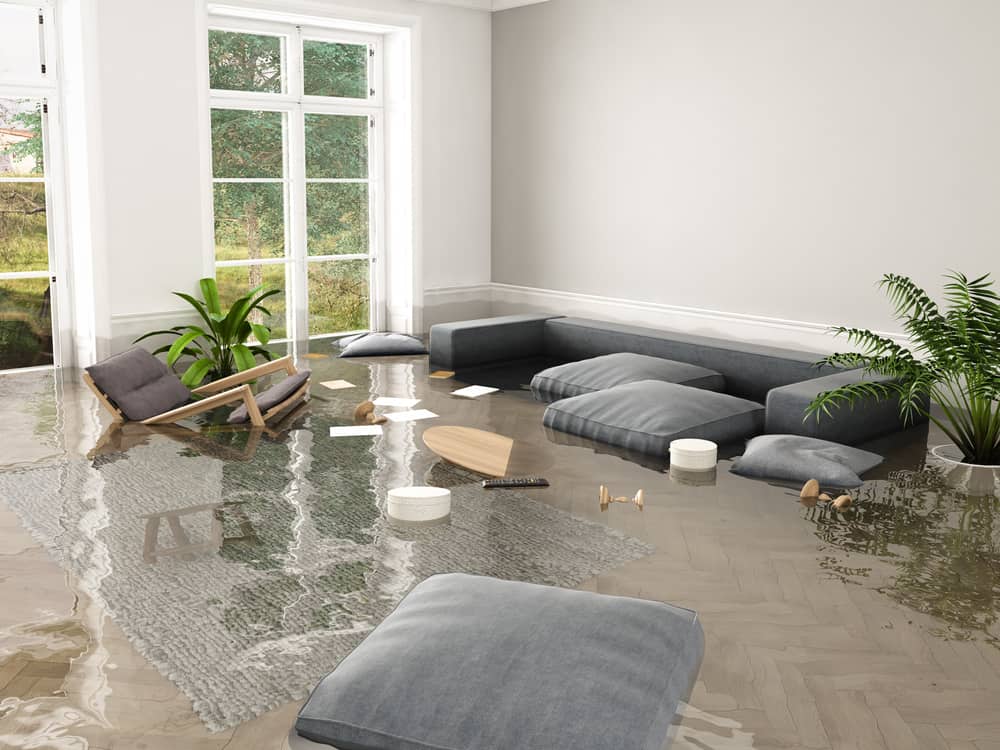
Once the scope is mapped, extraction begins. Commercial-grade pumps and water extraction equipment remove standing water far more effectively than anything consumer-grade, and the process moves quickly because every hour matters. The EPA is clear that mold can begin forming within 24 to 48 hours of water exposure and in a finished East Hills basement, mold remediation after the fact costs significantly more than preventing it in the first place.
After extraction, industrial air movers and dehumidifiers run continuously until moisture readings confirm the structure is dry. Because restoration work in East Hills requires permits through the Village’s own Building Department separate from Nassau County or the Town of North Hempstead we handle the documentation and coordination that keeps the job compliant. From there, repairs and reconstruction bring the space back to the condition it was in before the water got in. Your insurance company is billed directly throughout the process, so you’re not left managing paperwork on top of everything else.
Ready to get started?
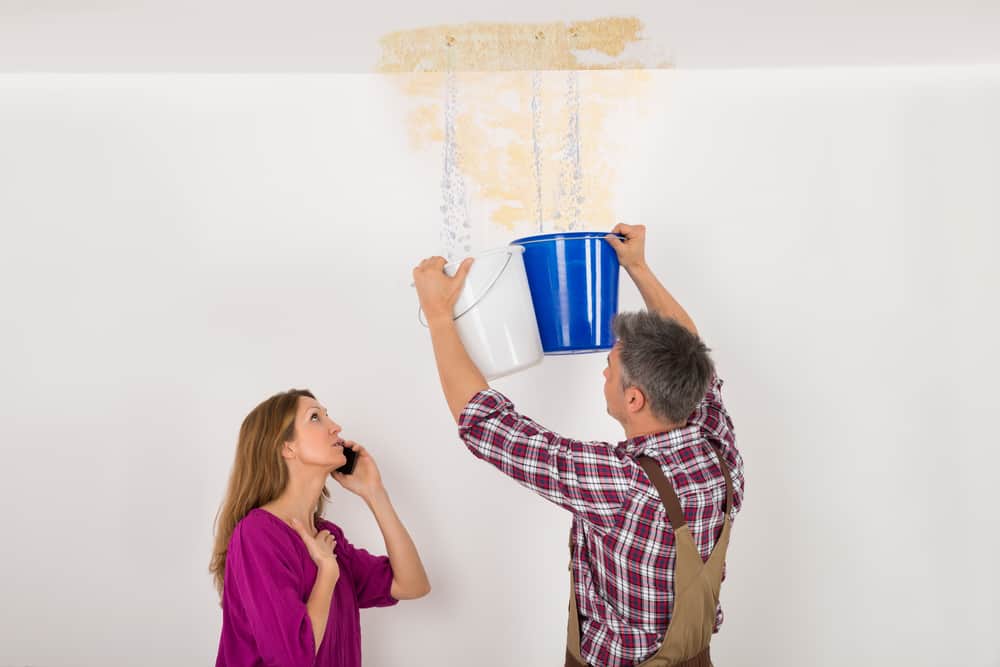
Burst Pipe Water Damage Repair East Hills NY
Water damage restoration in East Hills covers the complete scope emergency water removal, structural drying, dehumidification, mold prevention, and full reconstruction of affected areas. We handle the entire job with no handoffs to separate contractors, which matters in a community where the finishes being restored aren’t standard materials and the insurance claims involve serious dollar amounts.
The most common water damage scenarios in East Hills are internal: burst pipes in homes with aging galvanized steel plumbing, sump pump failures during heavy storms, water heater connections that give out, and appliance supply lines that fail quietly behind finished walls. East Hills sits on hilly terrain, and while the village is not in a FEMA flood zone, heavy rainfall events like the record storms that hit Nassau County’s North Shore in August 2024 and during Hurricane Ida in September 2021 can overwhelm drainage systems and push water into basements that homeowners assumed were dry. A finished basement in a Country Estates Colonial or a Strathmore ranch is not the place to find that out the hard way.
For homeowners managing a flooded basement cleanup in East Hills, the insurance piece is often the most stressful part. We work directly with your insurance company from the initial damage assessment through final billing, documenting the scope in the format adjusters need to process the claim correctly. IICRC certification means the work follows the S500 standard that insurance carriers recognize which protects the integrity of your claim on a high-value Nassau County property.

Does homeowners insurance cover water damage from a burst pipe in East Hills?
In most cases, yes standard homeowners insurance covers sudden and accidental water damage, which includes a burst pipe, a failed water heater connection, or an appliance supply line that gives out without warning. The key word is sudden. If an adjuster determines the damage resulted from a slow leak that went unaddressed over time, the claim is likely to be denied on the basis of neglect or lack of maintenance.
For East Hills homeowners, this distinction matters a lot. Most homes in the village were built in the late 1940s through the early 1960s, and original plumbing infrastructure galvanized steel supply lines, cast iron drain lines has been in the ground for 60 to 70 years. When those systems fail, they often fail fast and completely, which typically qualifies as a covered event. The documentation we create during professional restoration moisture mapping, extraction logs, drying records is what supports the claim and helps ensure the full scope of damage is captured before the adjuster closes the file. We handle that documentation directly and bill your insurance company throughout the process.
How quickly does mold start growing after water damage in a finished basement?
The EPA states that mold can begin forming within 24 to 48 hours of water exposure under the right conditions. In a finished basement which is common in East Hills homes at this price point that timeline is especially consequential. Mold doesn’t need much: moisture, an organic surface like drywall or wood framing, and a little time. Behind finished walls or under custom flooring, it can establish itself before you see or smell anything.
This is why the response window matters so much. Consumer-grade fans and wet-vacs don’t reach moisture inside wall cavities or under subfloor materials. By the time visible mold appears, remediation is significantly more complex and expensive than prevention would have been. Professional extraction and structural drying with industrial equipment started within that first 24-hour window is what actually stops mold from taking hold. If you’re dealing with water in a finished space in East Hills, the right move is to call immediately rather than wait to see how bad it gets.
East Hills isn't in a flood zone so what's actually causing water damage in homes here?
The village’s own website confirms that East Hills sits at one of the highest elevations in Nassau County and is not designated as a FEMA flood zone. But that elevation doesn’t protect against the water damage sources that actually affect homes in this community. The primary risks are internal: aging galvanized steel supply pipes that corrode from the inside out, cast iron drain lines that crack after decades of use, water heater connections that fail, sump pumps that get overwhelmed during heavy storms, and appliance supply lines behind finished walls that go unnoticed until they’ve caused significant damage.
The terrain also plays a role. East Hills is notably hilly Harbor Hill was one of the highest points on Long Island and that topography creates localized drainage patterns where runoff concentrates at the base of slopes. During intense rainfall events like the storms that hit Nassau County’s North Shore in August 2024, that runoff can overwhelm drainage systems and push water into basements even in elevated areas. The risk is real; it’s just different from the coastal surge flooding that affects South Shore communities.
How long does water damage restoration typically take for a home in East Hills?
The timeline depends on how much water got in and how far it traveled through the structure. For a contained event a water heater that failed, a supply line that burst in a single room extraction and structural drying typically takes three to five days, followed by repairs that can run another one to two weeks depending on what needs to be rebuilt. For more extensive damage involving multiple rooms or a fully finished basement, the total timeline from initial extraction through final reconstruction is often closer to three weeks.
One factor specific to East Hills is the permit process. The Village of East Hills has its own Building Department, and structural restoration work replacing drywall, flooring, or framing requires permits through the village, not through Nassau County or the Town of North Hempstead. We’re familiar with this process and handle the permitting coordination as part of the job. That keeps the work compliant and properly documented, which matters both for the integrity of the restoration and for your insurance claim.
Can I stay in my home during water damage restoration in East Hills?
In most cases, yes but it depends on the extent of the damage and which areas of your home are affected. If the water damage is contained to a basement or a single room and the rest of the home is functional, most families can remain in place during the drying and restoration process. The equipment runs continuously air movers and dehumidifiers are not quiet but it’s manageable for most households.
Where it gets more complicated is when the damage affects living areas, HVAC systems, or creates air quality concerns from mold risk. If moisture has reached the HVAC system, it can circulate throughout the home and affect areas that weren’t directly damaged. In those situations, temporary relocation may be the better option, and your homeowners insurance policy may cover additional living expenses during that period. We’ll give you a straight answer about what’s realistic for your specific situation after the initial assessment not a blanket recommendation either way.
How does First Response Restoration and Cleaning Inc. handle the insurance claim process for East Hills homeowners?
We work directly with your insurance company from the start meaning we handle the documentation, the billing, and the communication with your adjuster throughout the entire job. You don’t have to serve as the go-between for your contractor and your insurer while also managing the disruption happening in your home.
For East Hills homeowners, where claims often involve high-value finishes and significant dollar amounts, this matters more than it might in other markets. The documentation we create moisture mapping, extraction records, drying logs, photo documentation of affected materials is formatted to meet the standards insurance adjusters use when reviewing claims on Nassau County properties. IICRC certification backs that documentation with the industry credential that carriers recognize. The goal is to make sure the full, legitimate scope of your damage is captured and submitted correctly the first time, so the claim reflects what actually happened rather than a partial picture that leaves money on the table or invites a dispute.
Useful Links
Other Services we provide in East Hills