
Water Damage Restoration in East Northport, NY
When a 1959 Split-Level Floods, Every Hour Counts
Hear from Our Customers

Flood Restoration East Northport NY
When the water is gone and the fans are off, what you actually want is confidence confidence that the moisture inside your walls is gone too, that your insurance claim is solid, and that you’re not going to find mold behind the drywall six weeks from now. That’s the real outcome of professional water damage restoration done right, and it’s what separates a proper job from a surface-level cleanup that leaves hidden problems behind.
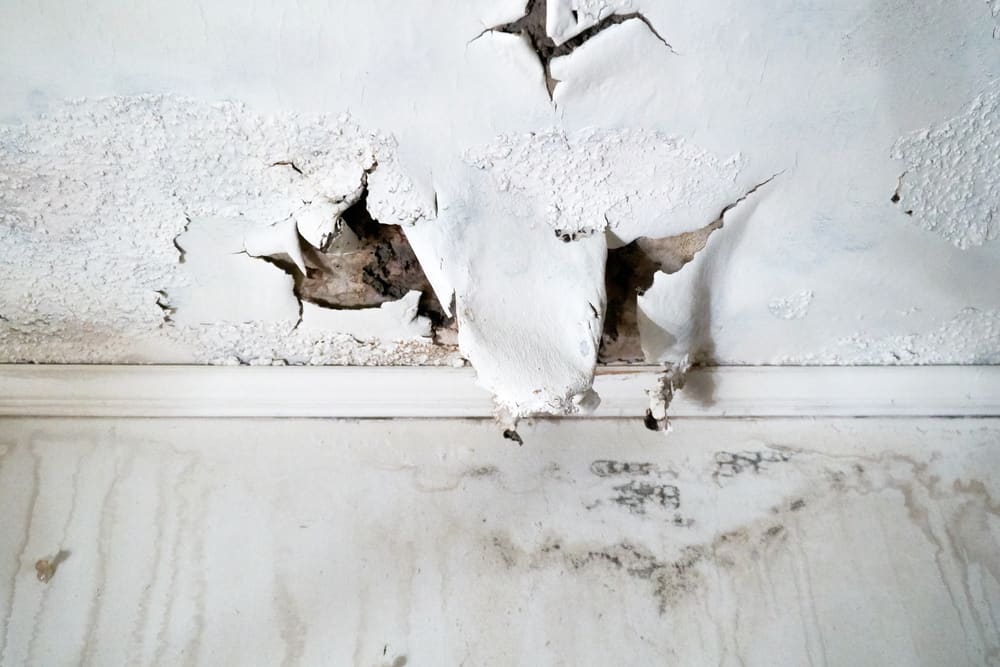
East Northport homes present a specific challenge that flat South Shore communities simply don’t have. The glacially sculpted terrain here means water doesn’t just fall on your property it runs downhill from neighboring lots, accumulates against foundation walls, and finds every gap in waterproofing that’s been sitting there since the Eisenhower administration. The French drain systems installed when most of these homes were built in the 1950s and 1960s were never designed for the storm intensity Long Island sees today. When they fail, and they do fail, the water has nowhere to go but through your basement.
On top of that, the mature tree canopy that makes East Northport’s streets so appealing becomes a liability during a nor’easter. Clogged gutters overflow along rooflines. A single downed branch can breach a roof and send water through multiple floors of a split-level before anyone realizes what’s happening. Getting the right crew in fast one that understands these specific conditions is what determines whether you’re dealing with a contained restoration or a full mold remediation months down the road.
Residential Water Damage Repair East Northport
We’ve been restoring Long Island homes for nearly three decades. That means our technicians have worked inside the same split-levels, colonials, and cape cods that define East Northport homes built in the 1950s through 1970s with the plumbing, wall assemblies, and basement configurations of that era. We’re not learning your home’s quirks on the job.
We’re fully IICRC-certified, licensed, bonded, and insured. We work directly with your insurance company, handling the documentation and billing so you’re not stuck playing middleman between your contractor and your adjuster. That matters a lot when the claim involves aging infrastructure exactly the situation many homeowners in East Northport face when a pipe finally gives out after six decades of Long Island winters.
Our dedicated Suffolk County line (631-587-5300) connects you to a local team, not a national dispatch center. When a storm rolls in off Long Island Sound and knocks out power on Larkfield Road at 2 in the morning, you want someone who picks up and actually knows where they’re going.
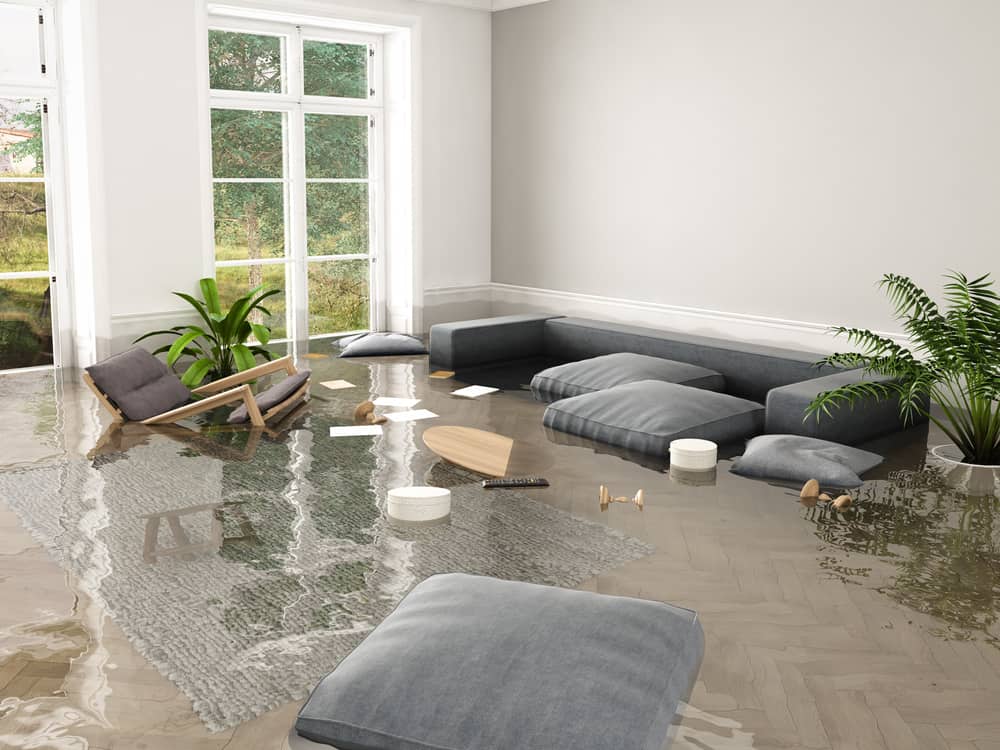
Basement Water Extraction East Northport NY
The process starts the moment you call. We’ll get a crew to your home, assess the scope of the damage, and begin water extraction right away. In a community where many residents commute some catching the LIRR from Northport Station on Larkfield Road water damage often goes undetected for hours. The faster extraction begins, the less structural material gets saturated, and the shorter the overall job timeline.
After extraction comes the drying phase, and this is where the work gets technical. We position industrial-grade air movers and dehumidifiers to pull moisture out of wall cavities, subfloor assemblies, and finished basement ceilings the places a shop-vac and household fan simply cannot reach. Calibrated moisture meters track progress inside the structure, not just at the surface. The drying phase typically runs three to five days for most homes, though East Northport’s older construction and the elevated ambient humidity from Long Island Sound can extend that timeline in more severe cases.
Once structural drying is confirmed, we handle antimicrobial treatment to prevent mold from taking hold, document everything for your insurance claim, and walk you through the scope of any repairs needed. If the job requires reconstruction drywall, subfloor, or anything structural that’s handled under the same roof. Work requiring building permits falls under the Town of Huntington Building Department’s jurisdiction, and our licensed status means that process is straightforward, not a surprise.

Ready to get started?
Storm Damage Restoration East Northport NY
Water damage restoration in East Northport isn’t a one-size job. A burst pipe in a finished basement is a different situation from a nor’easter that drives wind-blown rain through a roofline for 18 hours straight. We handle both and everything in between.
Our full scope of services includes emergency water removal, structural drying, basement water extraction, flood restoration, storm damage restoration, mold inspection, mold remediation, and complete reconstruction. For East Northport homeowners dealing with sewage backup a Category 3 water situation that requires a different remediation protocol entirely we’re equipped and trained for that as well. Suffolk County has its own environmental and health regulations governing sewage cleanup at scale, and working with a licensed, IICRC-certified company ensures the work meets those standards and holds up if your insurer scrutinizes the documentation.
One thing worth knowing if you haven’t been through this before: standard homeowners insurance covers sudden, accidental water damage from internal sources a burst pipe, a failed water heater, an appliance overflow. It does not cover flooding from outside the home, which requires a separate flood insurance policy. In a community where aging plumbing is common, the line between “sudden pipe failure” and “gradual deterioration” is exactly where insurers sometimes push back. Our documentation process is built to support your claim from the first assessment, not after the fact. The free on-site assessment is where that process starts no pressure, no guesswork, just a clear picture of what you’re dealing with.

Does homeowners insurance cover basement flooding in East Northport, NY?
It depends on the source of the water, and that distinction matters a lot for East Northport homeowners. Standard homeowners insurance covers sudden, accidental water damage from internal sources a burst pipe, a failed water heater, a washing machine supply line that gives out. If the water came from inside your home and the failure was sudden rather than gradual, you’re likely covered.
What standard homeowners insurance does not cover is flooding meaning water that enters your home from outside, whether that’s groundwater pushing through your foundation during a heavy rain or surface runoff accumulating against your basement walls. That type of coverage requires a separate flood insurance policy through the National Flood Insurance Program. Given East Northport’s hilly terrain and the way runoff behaves during a significant storm, this distinction is worth understanding before you need it.
The tricky middle ground is when aging infrastructure is involved. Insurers may attempt to classify a pipe failure in a 65-year-old East Northport home as gradual deterioration rather than sudden failure which would shift it from covered to not covered. Working with an IICRC-certified restoration company that documents the damage thoroughly from the start gives you the strongest possible footing in that conversation.
How fast does mold start growing after a basement floods?
Faster than most people expect. The EPA’s guidance is clear: water-damaged areas need to be dried within 24 to 48 hours to prevent mold growth. Mold spores are already present in the air they don’t need to travel in from somewhere else. They just need moisture and a surface, and they begin germinating within 24 hours under the right conditions. Visible growth typically appears within 48 to 72 hours, but by then the colonization process is already underway inside wall cavities and under flooring where you can’t see it.
This timeline is particularly relevant in East Northport because the ambient humidity from Long Island Sound is already elevated compared to inland areas. Basements in North Shore homes tend to run more humid year-round, which means the baseline conditions for mold growth are closer to the threshold even before a flooding event. A basement that floods during a nor’easter and isn’t professionally dried within that 24-to-48-hour window is a basement that is very likely developing a mold problem even if it looks dry on the surface after you run a shop-vac over it.
The 24-to-48-hour window is also why calling immediately matters more than waiting to see how bad it gets. Every hour of delay compresses the timeline between “water damage job” and “water damage plus mold remediation job.”
What causes burst pipe water damage in East Northport homes specifically?
East Northport’s median home construction year is 1959, which means the typical home here is roughly 65 to 70 years old. The plumbing in homes of that era galvanized steel supply pipes, older copper with soldered joints, cast-iron drain lines is well past its expected service life. Galvanized steel pipes corrode from the inside over decades, narrowing the pipe and weakening the walls until they eventually fail. Copper joints soldered in the 1960s and 1970s become brittle after decades of thermal cycling through Long Island winters and can crack under pressure.
The freeze-thaw cycle is the most acute short-term risk. East Northport’s winters bring regular below-freezing temperatures, and homes of this era frequently have pipe runs in exterior walls, unheated garages, or crawlspaces that were not insulated to modern standards. When temperatures drop sharply overnight, those pipes freeze. When they thaw, they burst often while the homeowner is asleep or at work, which means the water can run for hours before anyone discovers it.
The combination of aging materials and thermal stress makes burst pipe water damage one of the most common calls in East Northport, particularly in January and February. If your home was built before 1975 and you haven’t had a plumbing assessment recently, it’s worth knowing where your vulnerable runs are before a cold snap makes the decision for you.
How long does water damage restoration take for a typical East Northport home?
For most homes, the full process from initial water extraction through final repairs runs somewhere in the range of two to three weeks, though that range shifts depending on how much structural material got saturated and how long the water was sitting before extraction began.
The extraction phase itself getting the standing water out typically takes one to three days. Structural drying follows and usually runs three to five days for most homes, but East Northport’s older construction can extend that. Homes built in the 1950s and 1960s often have wall assemblies and subfloor configurations that trap moisture more than newer construction, and the elevated ambient humidity from Long Island Sound means dehumidification takes longer to drive moisture levels down to acceptable thresholds. Drying is complete when moisture meter readings confirm the structural materials are within acceptable limits not when the surface looks dry.
If the job requires reconstruction replacing drywall, subfloor sections, or insulation that adds time on top of the drying phase. Work that involves structural changes will require a permit from the Town of Huntington Building Department, which is standard and straightforward when you’re working with a licensed contractor. The free assessment at the start of the job gives you a realistic timeline based on your specific situation, not a generic estimate.
Can I stay in my home during water damage restoration in East Northport?
In most cases, yes but it depends on the scope of the damage and where it’s located. If the water damage is contained to a basement or a single area of the home and the rest of the living space is unaffected, most families can stay put during the drying and restoration process. The equipment runs continuously industrial dehumidifiers and air movers are not quiet but they’re typically confined to the affected area.
Where staying becomes more complicated is when the damage involves sewage backup, significant mold growth, or structural damage to areas of the home that are actively used. Category 3 water situations sewage backup, groundwater infiltration involve contamination that creates real health risks, and in those cases temporary relocation is often the safer choice while remediation is underway.
If you’re a commuter household catching the LIRR from Northport Station, the day-to-day disruption of having a restoration crew in your home is manageable for most families. The crew works through the drying phase systematically, and once equipment is placed, the daily interruption is minimal. The free on-site assessment will give you a clear picture of what the job involves and whether staying in the home is realistic for your specific situation.
How do nor'easters affect water damage risk for East Northport homeowners?
Nor’easters are the storm pattern that matters most for East Northport specifically more than hurricanes in most years, and very differently from the storm surge events that dominate the South Shore. A nor’easter parks over the region and drives wind-blown rain from the northeast for 12 to 36 hours continuously. For North Shore homes, that means sustained pressure against north-facing walls, rooflines, and window assemblies that were built decades ago and may not be sealing the way they once did.
The power outage dimension is what catches a lot of East Northport homeowners off guard. A nor’easter that knocks out electricity for six hours will flood a basement that has a perfectly functional sump pump because the pump needs power to run. The storm that’s filling your sump pit is the same storm that’s taken out your ability to drain it. Sump pump failure during a power outage is one of the most common causes of basement flooding in East Northport, and it happens on exactly the nights when conditions are worst and calling for help is most urgent.
The wooded character of East Northport’s neighborhoods adds another layer. Mature trees that line the streets and yards become a roof breach risk during high-wind nor’easters. A limb through a roofline during a storm that’s still actively raining means water is entering the structure before anyone can respond. We’re on call 24/7 for exactly this scenario because the call that needs to be made at 3 AM during a nor’easter shouldn’t have to wait until morning.
Useful Links
Other Services we provide in East Northport