
Water Damage Restoration in East Norwich, NY
When East Norwich's Postwar Homes Meet Rising Water
Hear from Our Customers

Flood Restoration, East Norwich, NY
When water gets into your East Norwich home whether it’s a sump pump that gave out during a nor’easter, a pipe that finally let go in your 1950s cape on Radcliff Drive, or groundwater pushing through a foundation wall that’s been holding it back for decades the clock starts immediately. The EPA is clear: you have 24 to 48 hours before mold becomes a real problem. What you do in that window determines whether this is a manageable restoration job or a months-long ordeal.
What you actually want out of this isn’t just dry floors. You want to know the moisture is gone not just from the surface, but from inside the walls, under the subfloor, and anywhere else it traveled before you caught it. You want documentation your insurance company will accept without a fight. And you want to hand this off to someone who handles it completely, so you’re not coordinating three different contractors while you’re trying to get to work.
East Norwich’s North Shore soil holds water differently than communities further inland. The clay-mixed ground creates persistent hydrostatic pressure against foundation walls especially in the older subdivisions where drainage systems haven’t been updated since the homes were built. That’s not a theoretical risk. It’s a condition that East Norwich homeowners have been dealing with for fifty years, and it means a surface-level cleanup isn’t enough.
Residential Water Damage Repair, Nassau County
First Response Restoration & Cleaning has been working in Long Island homes for nearly three decades. We’ve been inside the exact housing stock that defines East Norwich postwar capes, 1960s split-levels, and the colonials along The Hollows on Route 25A that are now worth well over a million dollars. We know how these homes are built, where water travels inside them, and what it takes to actually get them dry.
We’re based in West Babylon, NY, and maintain a dedicated Nassau County team. When you call the 516 number, you’re reaching a local operation not a national dispatch center routing a crew from out of state. That matters when a nor’easter is moving through Long Island Sound and your basement is taking on water at midnight.
Our technicians are IICRC-certified, fully licensed, bonded, and insured. We handle direct insurance billing in-house. You don’t have to become an expert in your homeowner’s policy while you’re dealing with a flooded basement. That part is handled.
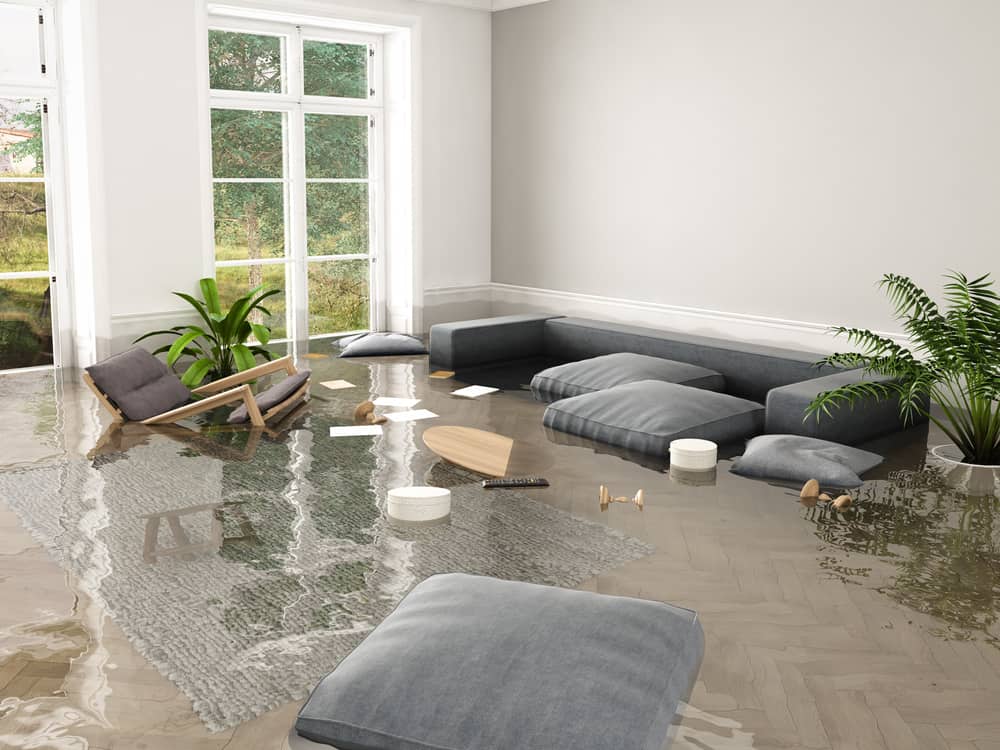
Basement Water Extraction, East Norwich, NY
The first call triggers an emergency response. Someone from our team will assess your situation and get to your East Norwich home fast because every hour of standing water increases both the damage and the cost of fixing it. When we arrive, the first priority is stopping any ongoing water source and beginning extraction. Industrial-grade equipment pulls water from your basement or affected rooms far more thoroughly than any shop vac or consumer fan can manage.
Once the visible water is gone, the real work begins. Moisture meters and thermal imaging locate water that has already migrated into wall cavities, under flooring, behind baseboards. This is the step that separates a professional restoration from a cleanup job. In East Norwich’s older homes, where walls may not have been opened since original construction, this step is critical. Hidden moisture left behind is what turns a manageable water event into a mold remediation project two months later.
Structural drying runs for several days using commercial dehumidifiers and air movers calibrated to the space. We monitor and document progress throughout and that documentation matters when your insurance adjuster reviews the claim. If any work requires a building permit through the Town of Oyster Bay, we coordinate that as part of the process. From extraction through any necessary reconstruction, we handle the full scope.
Ready to get started?
24/7 Water Damage Restoration, East Norwich, NY
Water damage restoration in East Norwich covers the full sequence emergency water removal, structural drying, moisture mapping, antimicrobial treatment where needed, and reconstruction if the damage requires it. There are no handoffs to separate subcontractors for different phases. One company, one point of contact, from the first phone call through the final walk-through.
For East Norwich homeowners, a few things are worth knowing up front. New York State’s Article 32 mold law requires that mold assessment and mold remediation be performed by separately licensed professionals the same company cannot legally handle both functions on the same job. If mold is found during the restoration process, we will walk you through exactly what that means and how it gets handled in compliance with NYS DOL requirements. This isn’t a detail most homeowners know about until they’re in the middle of a claim, and it’s the kind of thing that can complicate an otherwise straightforward restoration if it isn’t addressed correctly from the start.
For homes built before 1978 which includes most of the Norwich Green and Radcliff Drive subdivisions any restoration work that disturbs painted surfaces requires compliance with the EPA’s Renovation, Repair and Painting (RRP) Rule. We’re prepared for this. East Norwich’s housing stock is well-known territory, and we account for what these homes actually contain, not just what they look like on the surface.

Does homeowners insurance cover water damage in East Norwich, NY?
Standard homeowners insurance typically covers sudden, accidental water damage a burst pipe, an appliance that overflows, or storm-driven rain that gets in through a damaged roof or window. What it does not cover is flooding, meaning water that enters your home from the ground up due to a storm surge or rising water table. For East Norwich homeowners, this distinction matters because the hamlet’s North Shore soil conditions and groundwater dynamics can produce basement flooding that looks like a plumbing failure but is technically groundwater intrusion and those two things are treated very differently by insurance adjusters.
If your claim involves groundwater seepage or surface flooding, you would need a separate flood insurance policy through the National Flood Insurance Program (NFIP) for that to be covered. Most East Norwich homeowners carry standard homeowners insurance and may not have flood coverage. The good news is that many of the most common water damage scenarios pipe failures, sump pump discharge failures, storm-driven rain intrusion do fall under standard coverage. We work directly with your insurance company, handle the documentation, and coordinate the billing so you’re not navigating that process alone.
How fast does mold actually grow after a basement floods?
Mold spores can begin germinating within 24 hours under the right conditions. Visible mold growth typically appears within 48 to 72 hours, but the microscopic growth starts before you can see anything. This is why the window between when water enters your home and when you get professional drying equipment running is not a grace period it’s the most critical part of the entire restoration process.
In East Norwich’s older homes, where basements may have absorbed moisture repeatedly over decades, the conditions for mold are already favorable. Organic materials like wood framing, drywall paper, and subfloor underlayment provide the food source mold needs. Add moisture and the right temperature, and growth happens fast. Consumer-grade fans and dehumidifiers slow the process but cannot match the output of commercial drying equipment, and they cannot reach moisture that has already migrated into wall cavities or under flooring. Getting industrial equipment running within that first 24-hour window is the single most effective thing you can do to prevent a water damage event from becoming a mold remediation project.
My basement in East Norwich has had water issues for years is that covered?
Chronic, recurring water intrusion is treated differently by insurance than a sudden event. If your basement has been taking on water seasonally for years which is genuinely common in East Norwich’s older subdivisions, particularly in the Norwich Green and Radcliff Drive areas where drainage systems date back to the 1950s your insurer may classify that as a maintenance issue rather than an accidental loss. Claims tied to gradual damage or lack of maintenance are frequently denied.
That said, if a specific event causes a sudden worsening a sump pump failure during a nor’easter, for example that discrete event may be claimable even if the underlying moisture vulnerability has existed for years. The documentation of what happened, when it happened, and what caused it is what determines how the claim is classified. This is exactly the kind of situation where having a restoration company that understands insurance claims from the inside makes a real difference. We document the cause and scope of damage in a way that gives your claim the best possible foundation, regardless of the history of the space.
How long does water damage restoration take for a typical East Norwich home?
For most residential water damage situations a flooded basement, a burst pipe affecting one or two rooms, storm intrusion through a roof or window the drying phase alone typically takes three to five days with commercial equipment running continuously. Water extraction itself is usually completed within the first one to three days. From that point, if structural repairs or reconstruction are needed, the total timeline for a moderate water event runs roughly two to three weeks from start to finish.
More extensive damage widespread flooding, significant mold involvement, or structural issues can extend that timeline considerably. For East Norwich homes with finished basements, the scope of work expands because finished walls and flooring have to be removed, dried behind, and then rebuilt. The age of the home also plays a role: older construction sometimes reveals surprises once walls are opened, and those discoveries affect the timeline. We’ll walk you through the timeline clearly after the initial inspection, not after the work has already started.
What's the difference between water extraction and full water damage restoration?
Water extraction is one step in a larger process it’s the removal of standing water using pumps and wet-extraction equipment. It’s what happens in the first hours after a flood. Restoration is everything that follows: structural drying, moisture mapping, antimicrobial treatment, any necessary demolition of unsalvageable materials, and reconstruction of what was removed. Extraction without the full drying and monitoring process is like treating a symptom without addressing the underlying condition.
This distinction matters because some companies or even well-meaning homeowners will extract the standing water, run a few fans, and consider the job done. In East Norwich’s older homes where walls may have original insulation from the 1950s and subfloors that have absorbed moisture over decades that approach consistently leads to mold growth weeks later. The moisture that matters most is the moisture you can’t see. Commercial drying equipment, moisture meters, and thermal imaging are what find and eliminate it. Extraction is where the job starts, not where it ends.
Can I stay in my East Norwich home during water damage restoration?
In most cases, yes particularly when the water damage is contained to a basement or a single area of the home. Commercial drying equipment is loud and runs continuously, which affects comfort, but it doesn’t make the home uninhabitable in most situations. The decision really depends on the scope of the damage, which areas are affected, and whether any safety concerns electrical hazards from standing water, air quality issues from mold, or structural concerns are present.
If the damage involves Category 3 water sewage backup, floodwater, or heavily contaminated groundwater temporary relocation is typically recommended during the active remediation phase due to health risks. For East Norwich homeowners with families and children in the home, this is worth discussing directly with our team during the initial assessment. We’ll give you a straight answer about what’s safe and what isn’t based on what we actually find not a blanket policy that doesn’t account for your specific situation. If temporary relocation is needed, that cost may also be covered under your homeowners insurance as additional living expenses, which is something worth confirming with your adjuster.
Useful Links
Other Services we provide in East Norwich