
Water Damage Restoration on Fire Island, NY
When the Bay Comes In, Fire Island Needs a Crew That Knows the Ferry
Hear from Our Customers

Flood Restoration Fire Island, NY
Water damage on Fire Island doesn’t behave the way it does on the mainland. You’re surrounded by the Atlantic on one side and Great South Bay on the other, and the humidity here is relentless. When water gets into your home whether it’s storm surge pushing through your first floor, saltwater infiltrating a crawl space, or a pipe that froze and burst over the winter while you were off-island the clock starts moving faster than you might expect.
Mold doesn’t wait for business hours, and on a barrier island with ocean-level humidity, it doesn’t wait as long as it would in a drier environment either. What you need on the other end of this is a home that’s genuinely dry not surface-dry, but structurally dry. Moisture inside walls, under flooring, and in framing cavities is what causes the real long-term damage.
When we finish a job on Fire Island, you get moisture readings, documentation, and a clear picture of what was done. For property owners managing high-value second homes in Ocean Beach, Seaview, or Fire Island Pines who weren’t present when the damage happened, that level of accountability isn’t optional. It’s the whole point.
Residential Water Damage Repair Fire Island, NY
We’re based in West Babylon, which puts us on the South Shore of Suffolk County a short drive from the Bay Shore ferry terminal that serves Ocean Beach, Fair Harbor, Saltaire, Dunewood, Atlantique, and the western Fire Island communities. That proximity isn’t a coincidence. The South Shore is our territory, and that includes what’s across the bay.
We’ve been doing this for nearly three decades. That means we’ve worked through post-Sandy emergencies, winter pipe bursts in vacant seasonal homes, and storm surge events that left first-floor living spaces completely saturated. Our technicians are IICRC-certified, and we’re licensed, bonded, and insured. We work directly with your insurance company handling the documentation, communication, and billing so you’re not stuck managing a claim from a distance while coordinating a restoration.
Fire Island has its own logistics. We understand that. And we come prepared for them.
24/7 Water Damage Restoration Fire Island, NY
The moment you call, we start coordinating. For Fire Island, that means more than dispatching a crew it means planning the ferry crossing, organizing equipment transport, and making sure everything needed for a full assessment and extraction arrives at your property ready to work. Industrial dehumidifiers, air movers, moisture meters none of that moves by truck on a car-free island. We’ve done this before, and we plan for it from the first call.
Once we’re on-site, the first step is a thorough assessment. We use moisture meters and thermal imaging to find water that isn’t visible inside walls, beneath flooring, in structural cavities. On Fire Island, where saltwater intrusion and high ambient humidity are both factors, that assessment has to be precise. Saltwater damage falls under Category 3 contamination under IICRC standards, which means it requires a different extraction and treatment protocol than a standard pipe burst.
We document everything as we go, which matters enormously when you’re filing a claim with both a homeowners policy and a separate flood policy. After extraction comes structural drying typically several days of continuous monitoring with equipment running. We track moisture levels throughout, adjusting as needed until readings confirm the structure is genuinely dry. From there, if repairs or reconstruction are needed, we handle that too. One company, one scope of work, one coordinated process from the dock to the final nail.

Ready to get started?
Burst Pipe Water Damage Fire Island, NY
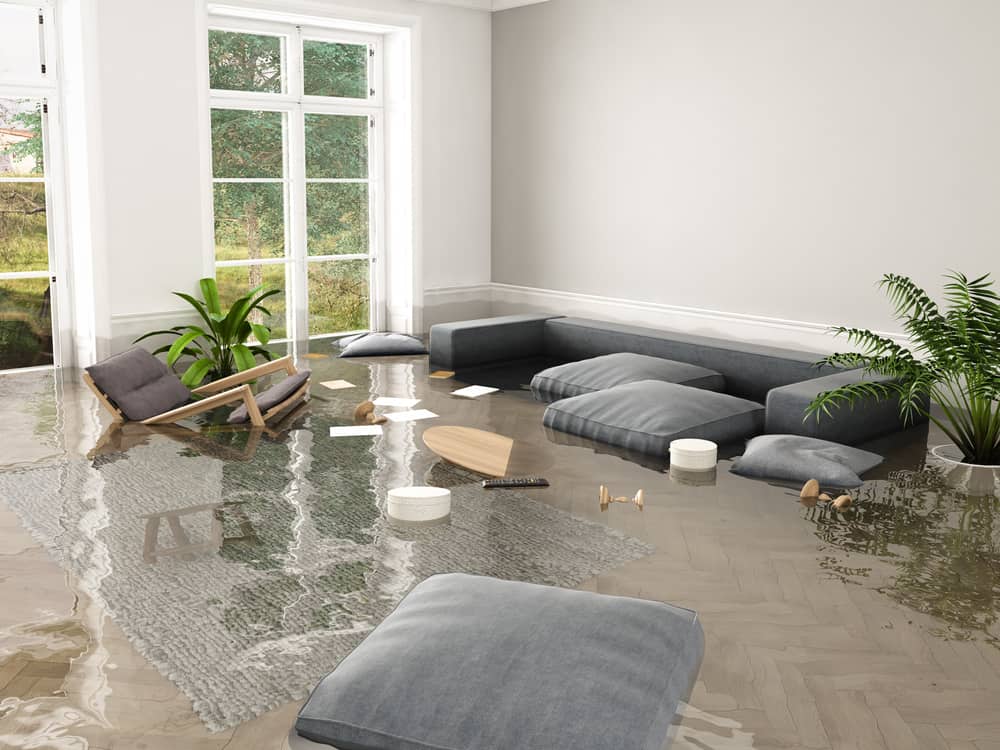
Water damage restoration on Fire Island covers a wider range of scenarios than most mainland jobs. Storm surge flooding, bay water intrusion, burst pipes in unheated seasonal homes, saltwater infiltration through siding and structural members these are the real situations Fire Island property owners deal with, and each one requires a specific response.
When you call us, the service includes water extraction, structural drying, dehumidification, moisture monitoring, antimicrobial treatment where contamination is a factor, and full documentation for insurance purposes. For Fire Island properties in FEMA Special Flood Hazard Areas which covers the entire island that documentation needs to be thorough enough to support claims across both a homeowners policy and a separate flood insurance policy. We handle both. We work directly with adjusters, provide the moisture readings and scope of work they need, and take that process off your plate.
Because many Fire Island homes are stick-built bungalow-style structures some dating back to the mid-20th century without conventional basements, the damage profile here often involves ground-level flooding, crawl space saturation, and first-floor inundation rather than a traditional basement scenario. We adapt to what’s actually in front of us. When restoration work requires permits through the Town of Islip or Town of Brookhaven, depending on your community’s jurisdiction, we’re familiar with how that process works for barrier island properties.

How does a restoration company actually get equipment to Fire Island?
This is the first real question most Fire Island property owners have, and it’s a fair one. There are no roads into the residential communities everything travels by ferry and then by hand cart or wagon along the boardwalks. We coordinate equipment transport from the South Shore, staging out of the Bay Shore area for western Fire Island communities like Ocean Beach, Fair Harbor, and Saltaire, and working with the Sayville and Patchogue ferry routes for communities further east like Cherry Grove, Fire Island Pines, and Davis Park.
The key is planning it correctly from the first call. Industrial drying equipment dehumidifiers, air movers, extraction units all needs to be broken down, transported by ferry, and moved to the property before work can begin. We factor that into our response timeline and arrival coordination. It adds a logistical step that doesn’t exist on the mainland, but it’s a step we’ve handled before. When you call, we’re already thinking through the ferry schedule and equipment staging not figuring it out after the fact.
My Fire Island home is a seasonal rental what if I'm not there when damage happens?
This is one of the most common situations we see with Fire Island properties. A large portion of the island’s homes are second homes or seasonal rentals, and many owners live in New York City or elsewhere on Long Island. A winter pipe burst, storm surge event, or plumbing failure can sit undetected for weeks and by the time you return in spring or a neighbor alerts you, what could have been a contained extraction job has turned into a mold remediation and structural drying project.
If you’re managing the situation from off-island, we can still move forward. We document everything photos, moisture readings, full scope of work so you have a clear record of what happened and what was done, even if you weren’t present. We also work directly with your insurance company, which means you’re not trying to coordinate a claim, an adjuster, and a restoration crew across the bay while you’re in the city. We handle the communication and paperwork on your behalf and keep you informed throughout. For property owners managing high-value homes in Fire Island Pines or Seaview, that kind of remote coordination isn’t a convenience it’s a necessity.
Does homeowners insurance cover water damage on Fire Island?
It depends on the source of the water, and this is where Fire Island gets more complicated than most places. Standard homeowners insurance typically covers sudden, accidental water damage from internal sources a burst pipe, an appliance overflow, a water heater failure. What it does not cover is flooding. Flooding meaning water that enters from outside the structure due to storm surge, bay overflow, or rising groundwater requires a separate flood insurance policy, typically through the National Flood Insurance Program or a private carrier.
Because Fire Island is entirely within FEMA-designated Special Flood Hazard Areas, any mortgaged property on the island is required to carry flood insurance. That means most Fire Island property owners are dealing with two separate policies when a storm event causes damage and the line between what’s covered by which policy isn’t always obvious. Storm surge that pushes through your first floor may be a flood claim. A roof leak that lets rain in during the same storm may be a homeowners claim. We document damage in a way that supports both, and we work directly with your adjusters to make sure nothing falls through the gap between the two policies.
How fast does mold grow after water damage on Fire Island?
The EPA’s standard guidance is that mold can begin forming within 24 to 48 hours of water damage. On Fire Island, that window is effectively shorter. The island sits between the Atlantic Ocean and Great South Bay, and the ambient humidity here is persistently higher than anywhere inland on Long Island. Salt air compounds the problem it increases the moisture-absorbing properties of building materials and slows the drying process.
This is why response time matters so much, and why the logistics of getting to Fire Island need to be worked out quickly rather than slowly. The longer water sits in a structure especially in the walls, under the flooring, or in a crawl space the more likely you’re looking at mold remediation in addition to structural drying. Calling sooner rather than later keeps the scope of work manageable. If mold has already taken hold by the time we arrive, we handle remediation as part of the restoration process but catching it before that point saves significant time and cost.
What's the difference between flood damage and water damage for insurance purposes?
This distinction matters a lot, and it’s one of the most misunderstood parts of the claims process. Water damage covered by standard homeowners insurance refers to damage caused by water that originates inside the structure or falls from above. A burst pipe, a leaking roof, an overflowing appliance. Flood damage covered only by a separate flood insurance policy refers to water that enters from outside the structure as part of a broader flooding event. Storm surge, bay overflow, groundwater rising after heavy rain.
The confusion arises because a single storm event can cause both simultaneously. If a nor’easter damages your roof and rain gets in while storm surge pushes through your ground floor, you may have a homeowners claim and a flood claim happening at the same time. The documentation has to be specific enough to support both. This is exactly why working with a restoration company that understands insurance coordination matters not just a crew that extracts water and leaves. We document damage by source and type, provide the scope of work adjusters need, and work directly with both your homeowners carrier and your flood insurer so the right damage goes to the right policy.
Can water damage restoration work be done on Fire Island in the off-season or winter?
Yes, and honestly, winter is when some of the most serious water damage on Fire Island happens. Seasonal homes that are minimally heated or left unoccupied are vulnerable to pipe freezes, and when those pipes burst, there’s often no one there to catch it early. By the time spring arrives and an owner returns to open the house, the damage has been sitting for weeks sometimes months. What would have been a straightforward burst pipe water damage job in December becomes a full structural drying and mold remediation project by April.
The logistical reality of winter restoration on Fire Island is that ferry service runs on a reduced schedule, which affects how quickly we can mobilize equipment and crew. That’s a factor we plan around, not a reason to delay calling. The sooner you reach out after discovering or suspecting damage even if you’re calling from off-island and haven’t been to the property yet the sooner we can coordinate access, assess the situation, and begin the response. For communities like Kismet, which has the emergency access road from West Islip as a potential alternative route, or for eastern communities accessible via Sayville or Patchogue ferry, we work out the best approach based on current conditions and ferry availability. The goal is the same regardless of season: get there, assess it accurately, and dry it completely before the damage compounds further.
Useful Links
Other Services we provide in Fire Island