
Water Damage Restoration in Floral Park, NY
Floral Park's Older Homes Don't Forgive a Slow Response
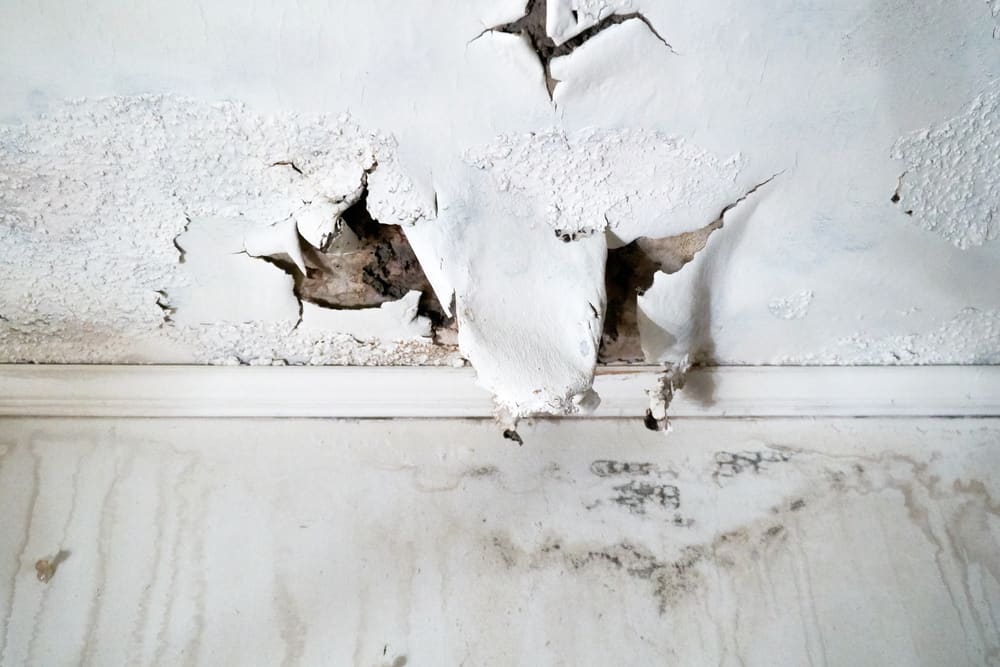
Hear from Our Customers

Flood Restoration Services in Nassau County
Water damage in Floral Park rarely looks like what you’d expect. You might come home from the LIRR to a finished basement that’s been sitting wet for eight hours. Or you wake up to a sewer backup that smells wrong before you even see the water. Either way, the clock started the moment the water appeared and what happens in the next 24 to 48 hours determines whether you’re dealing with a cleanup or a mold remediation project three months from now.
What you get on the other side of this process is a home that’s genuinely dry not surface dry, but structurally dry. We pull moisture from inside walls, from under original hardwood floors, from the cavities behind plaster that pre-war construction creates. Floral Park’s housing stock is older than almost anything else in Nassau County, and older homes hold moisture in places that a fan and a wet-vac will never reach.
You also get documentation. Every reading, every affected area, every step of the drying process recorded in a format your insurance company can actually use. For a home worth $600,000 or more in a village where property taxes run close to $10,000 a year, getting that claim handled correctly isn’t optional it’s the whole point.
Residential Water Damage Repair in Floral Park
We’ve been doing this work on Long Island since the mid-1990s. That means we were here through Hurricane Floyd, through Irene, through Sandy, and through every nor’easter that pushed water into Nassau County basements in between. The experience in those years is specific to Long Island homes, Long Island soil, and Long Island insurance adjusters.
Floral Park sits at the western edge of Nassau County, right where Long Island meets Queens. The homes here Colonials, Tudors, Victorians, Cape Cods were built before modern waterproofing standards existed. We understand how water moves through that kind of construction because we’ve worked in it for decades, not just read about it.
We’re IICRC-certified, licensed, bonded, and insured. There’s a dedicated Nassau County line (516 area code) because this is genuinely local work, not a national franchise routing calls through a call center. When you call, you’re reaching people who know the difference between a Floral Park address and a form letter.
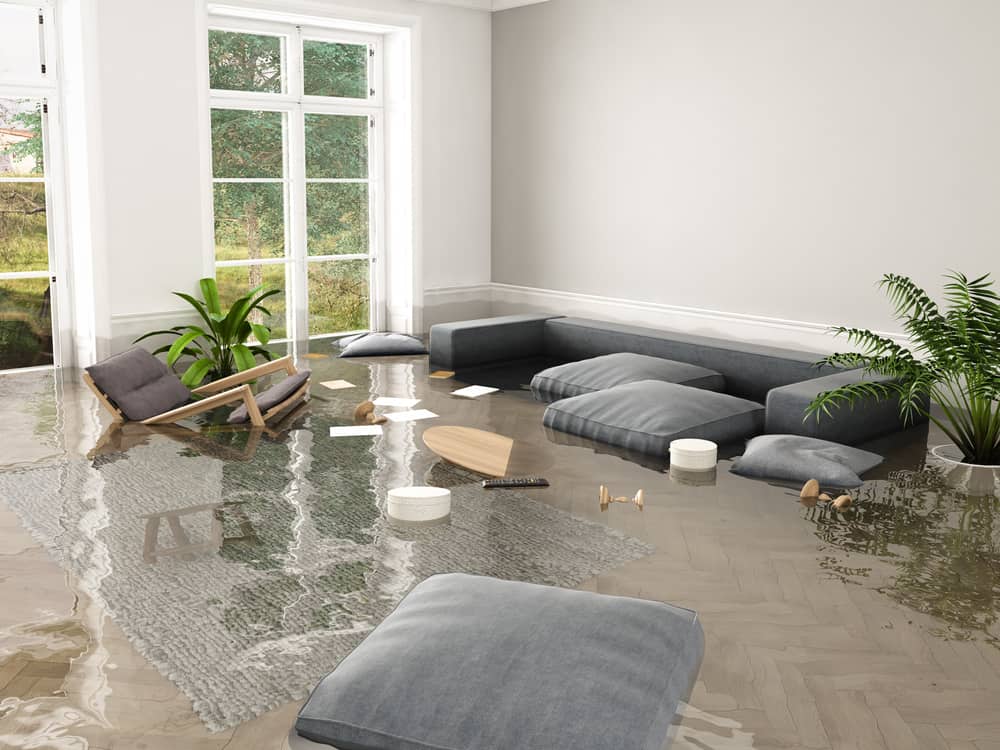
24/7 Water Damage Restoration Process Floral Park
The first call triggers a same-day response. Given that many Floral Park residents are commuters off the LIRR by early evening, sometimes later that 24/7 availability isn’t just a feature, it’s a practical necessity. We can dispatch a crew while you’re still processing what you walked into.
On arrival, our first priority is assessment. We use industrial moisture meters and thermal imaging to identify where water has traveled not just the visible puddle, but the moisture that’s already wicking into plaster walls, moving under original hardwood floors, or sitting in the structural cavities that older Floral Park homes have in abundance. If the source is still active, we address that first. If it’s a sewer backup a documented issue in this village given the mature tree roots and aging clay pipe infrastructure we identify the contamination level immediately, because Category 3 black water requires a different response than a clean pipe burst.
From there, extraction, drying, and dehumidification run in sequence using commercial-grade equipment. We log moisture readings throughout. Once the structure hits the target drywall moisture levels, the drying phase closes and we compile the documentation package for your insurance company. If reconstruction is needed drywall, flooring, structural repairs we handle that under the same roof, same company, one point of contact from start to finish. The Village of Floral Park’s building department handles permits for any structural work, and we coordinate that process as part of the job.

Ready to get started?
Burst Pipe and Basement Water Extraction Floral Park
Water damage isn’t one problem it’s several, depending on where the water came from. A burst pipe in a Floral Park home built in the 1930s with original galvanized plumbing is a different situation than a basement that flooded during a nor’easter because the clay soil around the foundation finally hit capacity. And both of those are fundamentally different from a sewer backup caused by tree roots infiltrating aging clay pipes under one of the village’s mature-canopied residential streets.
We handle all of it. Clean water from a burst pipe or appliance overflow. Gray water from a washing machine or toilet. Black water from sewage backup or groundwater intrusion which requires full biohazard-level remediation, antimicrobial treatment, and documentation that meets the standards your insurer will expect. Storm damage restoration after a nor’easter or a heavy summer storm that overwhelmed Floral Park’s drainage system falls within scope as well.
Our service runs from initial extraction through structural drying, mold prevention treatment, and full reconstruction if needed. Everything is documented to IICRC S500 standards the protocol insurance companies recognize. We also work directly with your insurance company, handling the billing and claims coordination so you’re not stuck in the middle trying to translate between your adjuster and your contractor. For Floral Park homeowners protecting a significant asset in one of Nassau County’s most established residential villages, that end-to-end coverage matters.

Does homeowners insurance cover water damage from a burst pipe in Floral Park?
Generally, yes but the details matter. Standard homeowners insurance covers sudden, accidental water damage from internal sources like a burst pipe, a failed water heater, or an appliance overflow. What it typically does not cover is damage that resulted from a slow leak or gradual deterioration over time, which insurers often classify as a maintenance issue rather than a covered event.
This distinction is particularly relevant in Floral Park, where a significant portion of the housing stock includes pre-war homes with original or aging plumbing. Galvanized steel pipes from the 1930s and 1940s don’t fail dramatically they corrode slowly, develop pinhole leaks, and sometimes give way all at once. If an adjuster determines the pipe showed signs of long-term corrosion, coverage can be disputed. Having a professional restoration company document the damage properly from the start including the condition of the source gives you a much stronger position in that conversation. We work directly with insurance companies and understand how to document water damage in a way that supports your claim rather than undermining it.
How fast does mold actually start growing after a basement floods?
The EPA puts the window at 24 to 48 hours. That’s not a worst-case estimate that’s the standard timeline under normal indoor conditions. Mold spores are already present in the air; they just need moisture and a surface to land on. Once those conditions exist, germination begins well before you’d see anything visible.
For Floral Park homeowners, this timeline has a specific implication. If you commute into the city and your basement floods while you’re gone, you may come home to a situation that’s already been wet for eight or ten hours. By the time you call, assess the damage, and wait for a slow response, you’re potentially past the window where you’re dealing with water damage alone. That’s why our 24/7 availability and rapid dispatch matter not as a sales point, but as a practical reality of what the mold clock actually looks like. Getting extraction and drying started within the first day is the difference between a cleanup and a remediation project.
Why does my Floral Park basement keep getting water even when it hasn't rained that hard?
This is one of the most common questions from homeowners in western Nassau County, and the answer usually comes down to two things: clay soil and a high water table. Unlike the sandy soils on Long Island’s South Shore that drain relatively quickly, the clay-heavy soil in Floral Park’s neighborhoods retains water after every rain event. That saturated clay creates hydrostatic pressure against your foundation walls and floor and that pressure doesn’t disappear when the storm ends. It builds and holds until it finds a path in.
Older homes in Floral Park compound this problem. Many were built before modern waterproofing membranes were standard, meaning the foundation walls themselves are the only barrier between that pressurized soil and your basement interior. Hairline cracks from decades of settling, gaps around pipe penetrations, and porous concrete block construction all become entry points. We can perform a professional moisture assessment to identify where intrusion is occurring and whether the issue is surface water, groundwater, or both which affects both the remediation approach and what your insurance may cover.
What's the difference between water damage categories, and why does it matter for cleanup?
The IICRC the organization that sets the standards for professional restoration classifies water damage into three categories based on contamination level, and the category determines everything about how the cleanup is handled.
Category 1 is clean water from a source like a burst supply pipe or a dishwasher overflow. It’s the least hazardous and the most straightforward to remediate. Category 2 is gray water washing machine discharge, toilet overflow without solid waste which carries some level of contamination and requires more protective handling. Category 3 is black water: sewage backup, groundwater intrusion, or floodwater that has picked up contaminants. This is the most serious category and requires full biohazard-level remediation, including antimicrobial treatment and proper disposal of affected materials.
In Floral Park specifically, Category 3 events are more common than many homeowners expect. Tree root infiltration into aging clay sewer pipes is a documented, recurring issue in this village the same mature trees that make the streets beautiful have root systems that work their way into pipe joints over decades. A main sewer line backup isn’t just an unpleasant mess; it’s a biohazard that requires certified handling to address safely and to document correctly for insurance purposes.
How long will water damage restoration take in my Floral Park home?
The honest answer is that it depends on the scope, but there are reasonable ranges you can plan around. For a typical flooded basement one room, moderate water intrusion, no major structural involvement the drying phase alone usually runs three to five days using commercial dehumidifiers and air movers. Total restoration from initial extraction through final repairs generally takes around two to three weeks for a contained event.
More extensive damage widespread flooding, structural material saturation, or mold that developed because the water sat for too long can extend that timeline significantly. In a Floral Park home with plaster walls and original hardwood floors, drying takes longer than it would in a modern drywall-and-OSB build because those older materials hold moisture differently and require more careful monitoring to avoid overcorrection. We use precision moisture meters throughout the process and don’t close out the drying phase until the readings confirm the structure has reached the right targets not just until it looks dry from the outside.
Can I stay in my house during water damage restoration in Floral Park?
In most cases, yes but it depends on the category of water involved and which areas of your home are affected. If the damage is limited to a basement or a single room, and the water source was clean (a burst pipe, an appliance overflow), most families can remain in the home while drying equipment runs. The equipment is loud and the dehumidifiers run continuously, but it’s livable.
If the damage involves Category 3 contamination a sewage backup, for example, which is a real and recurring issue in Floral Park given the village’s aging sewer infrastructure and mature tree root systems temporary displacement is often the safer choice while remediation is underway. The same applies if the damage has reached HVAC systems, because running a contaminated air system through the house creates a different problem entirely. We’ll give you a straight answer about this during the initial assessment, not a blanket policy. The goal is to get you back to normal as quickly as possible, and that sometimes means being honest that staying put during active remediation isn’t the right call for your specific situation.
Useful Links
Other Services we provide in Floral Park