
Water Damage Restoration in Fort Salonga, NY
When a North Shore Nor'easter Drains Into Your Basement
Hear from Our Customers

Flood Restoration Services Fort Salonga NY
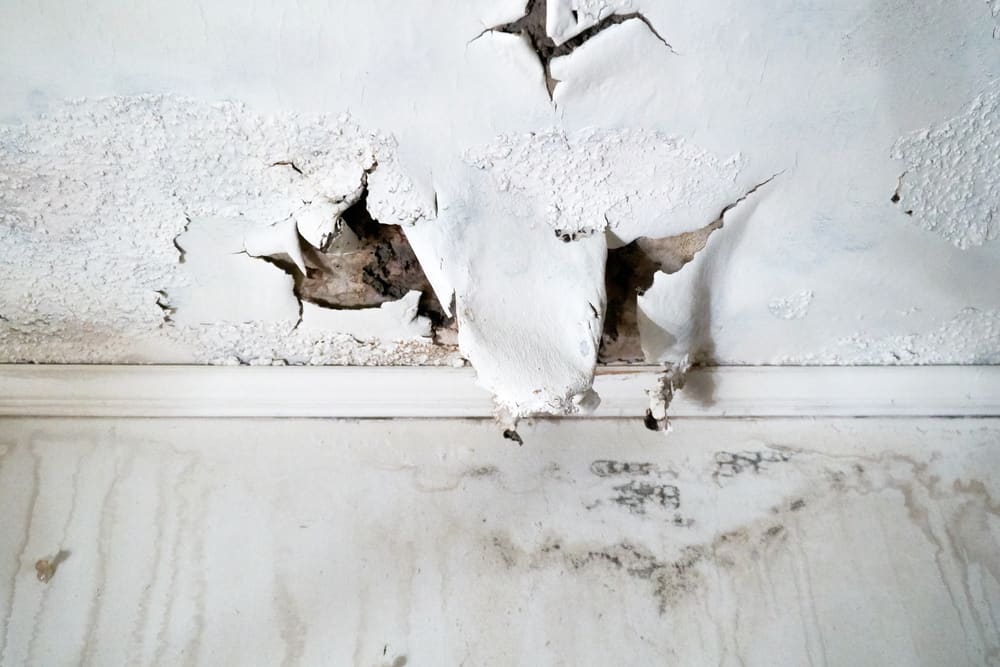
The moment standing water is gone, it feels like the worst is over. It usually isn’t. Moisture that’s soaked into original plaster walls, mid-century subfloor materials, or the insulation behind your baseboards doesn’t evaporate on its own it sits, and within 24 to 48 hours, according to the EPA, mold can begin forming in those hidden spaces.
In a Fort Salonga home where the median construction year is 1964, those materials absorb and hold moisture differently than modern builds. What looks dry on the surface may not be dry where it counts. We’ve seen this pattern repeat across the North Shore for nearly 30 years.
When the process is done right, you’re not just getting water removed you’re getting your home’s structure verified as dry, documented for your insurance claim, and treated to prevent the secondary damage that shows up weeks later. For homeowners along the wooded roads and bluffs of Fort Salonga, where finished basements and custom interiors are the norm rather than the exception, that thoroughness isn’t optional. It’s what protects the actual value of the property.
Residential water damage repair in Fort Salonga also means navigating the dual-township reality of this hamlet. Depending on where your property sits in the Town of Huntington or the Town of Smithtown permit requirements for structural repairs differ. Getting that right from the start prevents delays and complications down the road.
Trusted Water Damage Company Fort Salonga
We’ve been serving Long Island homeowners since the 1990s through nor’easters, pipe failures, flooded basements, and everything in between. That’s not a marketing number. It means our technicians have seen what happens to Fort Salonga homes specifically: how aging drain lines behave when tree roots get into them, how Long Island’s high water table pushes groundwater through foundation walls during a wet spring, and how a sump pump failure during a power outage can fill a finished basement faster than most homeowners expect.
Fort Salonga sits in Suffolk County, within our core service area, reachable at 631-587-5300. We’re IICRC-certified, licensed, bonded, and insured and we work directly with your insurance company so you’re not left managing that process on top of everything else. From Crab Meadow to the Indian Hills corridor, we understand the terrain, the housing stock, and what’s actually at stake.
Water Damage Restoration Process Fort Salonga NY
When you call, the first thing that happens is an assessment not a sales pitch. One of our certified technicians comes to your property, evaluates the extent of the water intrusion, identifies the source, and maps the moisture using professional-grade equipment that reads what’s inside walls and under floors, not just what’s visible.
In Fort Salonga’s older homes, that step is especially important. Original plaster, older insulation, and decades-old subfloor assemblies hold moisture in ways that a visual inspection will miss entirely. We’ve learned where to look because we’ve been doing this work here for nearly three decades.
From there, water extraction begins immediately. Industrial pumps and wet-vacuums remove standing water, followed by the placement of commercial air movers and dehumidifiers that run continuously typically for three to five days until moisture readings return to acceptable levels. This isn’t the same as renting a fan from a hardware store. The equipment is calibrated, monitored, and adjusted throughout the drying phase.
Once structural drying is confirmed, the scope of any needed repairs is documented and submitted as part of your insurance claim. Because Fort Salonga properties may fall under either the Town of Huntington or Town of Smithtown building departments, we navigate the applicable permit requirements for structural work so you don’t have to figure that out mid-project. The goal from start to finish is a home that’s genuinely restored not just surface-dry.

Ready to get started?
Basement Water Extraction Fort Salonga NY
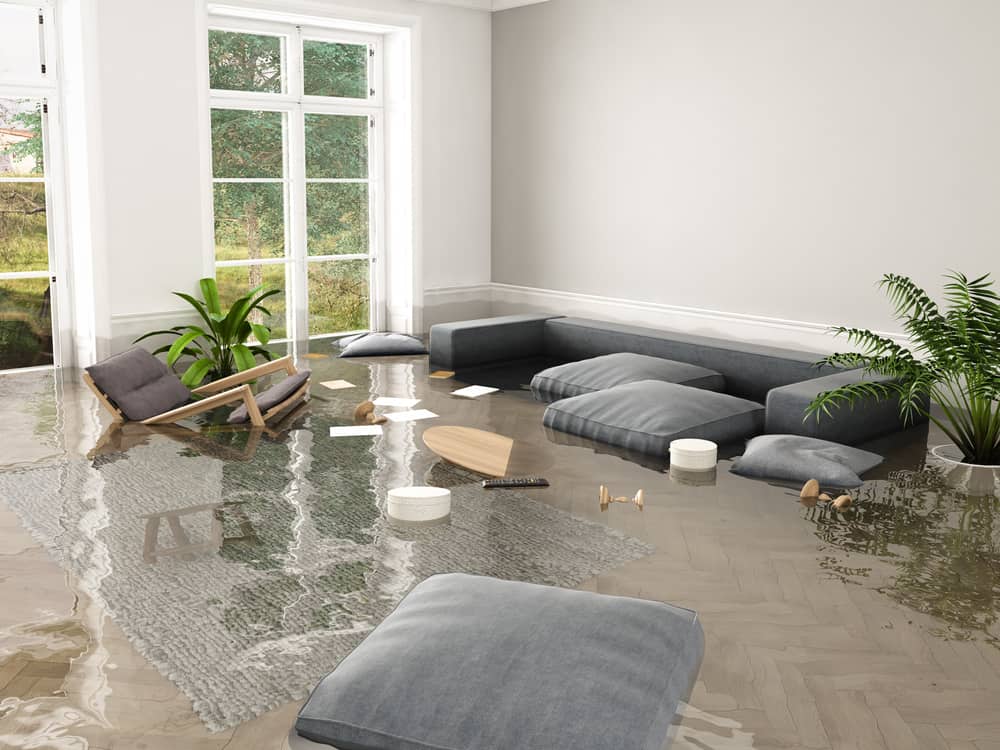
Water damage in Fort Salonga doesn’t follow a single script. Sometimes it’s a burst pipe in a home built in the 1950s, where original supply lines finally give out during a January cold snap. Sometimes it’s a sump pump that lost power during a nor’easter rolling in off Long Island Sound, and a finished basement takes on several inches of water before anyone realizes what happened. Sometimes it’s storm-driven roof damage from a downed tree on a wooded lot, with water tracking down through the structure for hours before it’s found.
Each of those scenarios requires a different response, and we handle all of them. We offer emergency water removal, flooded basement cleanup, structural drying, mold inspection and remediation, fire damage restoration, sewage backup cleanup, deodorizing, and full reconstruction through to rebuild.
For homes near the Crab Meadow shoreline with Coastal Erosion Hazard Area designations, any reconstruction work is handled with awareness of the additional DEC and town-level review that may apply. For properties with Category 3 water intrusion sewage backup or groundwater we follow proper biohazard protocols in compliance with Suffolk County Department of Health Services requirements.
Insurance coordination is built into every job. We bill directly to your insurer, document the damage to the standard adjusters expect, and work through the process with you from the initial claim through final settlement. For Fort Salonga homeowners managing properties worth well over $900,000, that documentation isn’t a formality it’s the difference between a fully covered claim and a disputed one.

Does homeowners insurance cover basement flooding in Fort Salonga, NY?
It depends on what caused the flooding, and the distinction matters more than most homeowners realize. Standard homeowners insurance typically covers sudden, accidental water damage from internal sources a burst pipe, a failed water heater, an appliance overflow. What it does not cover is flooding from an external source, meaning groundwater, storm surge, or overland flow. That type of damage requires a separate flood insurance policy through the National Flood Insurance Program or a private carrier.
In Fort Salonga, this distinction comes up frequently. Long Island’s high water table means that during prolonged rainfall or snowmelt, groundwater can push through basement walls and floors under hydrostatic pressure and that is typically classified as flood damage, not covered under a standard homeowners policy. If your sump pump failed during a power outage and the basement filled with rainwater that entered from outside, the coverage question gets complicated quickly. We work directly with insurance companies and can help you understand what’s documented and how it’s categorized from the first assessment forward.
How fast does mold grow after a basement flood, and why does it matter?
The EPA is clear on this: water-damaged areas need to be dried within 24 to 48 hours to prevent mold growth. That window is not generous, and in Fort Salonga’s older homes it closes even faster than homeowners expect. Original plaster walls, mid-century insulation, and subfloor materials common in homes built in the 1950s and 1960s absorb and retain moisture more aggressively than modern materials. By the time visible mold appears usually after 48 to 72 hours microscopic growth has already started in the spaces you can’t see.
This is why the response timeline matters as much as the quality of the work itself. A shop-vac and a box fan are not going to dry out what’s inside your walls. Professional structural drying equipment commercial dehumidifiers, air movers, and calibrated moisture meters is what actually eliminates the moisture before the mold clock runs out. Getting that equipment on-site within the first 24 hours is the single most important factor in preventing a water damage event from becoming a mold remediation project on top of it.
What should I do immediately after my sump pump fails during a storm?
The first thing to do is stop additional water from entering if you can check whether the pump can be restarted, whether a backup battery system is in place, or whether the circuit breaker tripped. If water is still rising, don’t go into the basement if there’s any chance electrical outlets or panels are submerged. Safety comes before salvage.
Once it’s safe to enter, document everything with photos and video before moving or removing anything. That documentation is critical for your insurance claim. Then call us immediately not the next morning, not after the storm passes. In Fort Salonga, nor’easters frequently knock out power to wooded neighborhoods for hours, and sump pump failures during those outages are one of the most common causes of finished basement flooding in this area. Every hour of delay increases the moisture load in your walls and floors and shortens the window before mold becomes a secondary problem. We’re available 24/7 for exactly this scenario.
How long does water damage restoration take for a Fort Salonga home?
For a typical flooded basement affecting one or two rooms, the full process from initial water extraction through structural drying and any needed repairs generally takes around two to three weeks. The drying phase alone usually runs three to five days, and that timeline can extend depending on how deeply moisture has penetrated the structure.
In Fort Salonga’s older homes, the timeline can run longer than it would in a newer build. Original plaster walls, older insulation, and pre-1980s subfloor assemblies hold moisture differently and sometimes require extended drying cycles before moisture readings stabilize. Homes with finished basements which are common throughout Fort Salonga given the property values and the age of the housing stock also tend to have more layers of material to dry out and potentially replace. The reconstruction phase, once drying is complete and permits are pulled from the appropriate town building department (Huntington or Smithtown, depending on your address), adds additional time. We’ll give you a realistic scope and timeline after the initial assessment not a number pulled from a brochure.
What's the difference between water damage categories, and why does it affect my claim?
Water damage is classified into three categories based on contamination level, and the category directly affects how the work is performed, what materials can be salvaged, and how your insurance claim is documented and valued. Category 1 is clean water a burst supply pipe or appliance overflow. Category 2, sometimes called gray water, involves moderate contamination from sources like washing machine overflow or a backed-up drain. Category 3 is the most serious: sewage backup, groundwater intrusion, or floodwater, which carries biological contaminants and requires full biohazard protocols.
In Fort Salonga, Category 3 situations come up more often than homeowners expect. Root intrusion from the mature trees on large wooded lots is a documented cause of sewer line blockages that can back up into basements. Groundwater pushed through foundation walls by hydrostatic pressure during wet seasons is also Category 3. The distinction matters for your insurance claim because the remediation requirements and costs are significantly higher for Category 3 work, and the documentation needs to reflect that accurately. Our IICRC-certified technicians assess and document the water category from the start, which protects your claim from being undervalued by an adjuster.
How does burst pipe water damage typically happen in Fort Salonga homes, and what's the risk?
Fort Salonga’s housing stock skews old the median construction year is 1964, and nearly one in six homes predates 1950. That means a substantial portion of the community is living with original or near-original plumbing systems: aging supply lines, cast-iron drain pipes, and water heaters that have long since exceeded their intended service life. These systems don’t fail with much warning. A supply line that’s been under pressure for 50 or 60 years can give out on a cold January night, and by morning, a significant portion of a finished basement or first floor can be saturated.
Burst pipe water damage in Fort Salonga also carries a specific seasonal risk. Homes on wooded lots with older insulation in exterior walls and crawl spaces are more vulnerable to pipe freezes during cold snaps and when a frozen pipe thaws and bursts, the water release can be substantial. The damage to high-end finishes, hardwood floors, and finished basement spaces common in homes at this price point adds up quickly. Calling for professional water extraction and structural drying within the first few hours is what keeps a burst pipe from becoming a six-figure restoration project.
Useful Links
Other Services we provide in Fort Salonga