
Water Damage Restoration in Garden City Park, NY
Garden City Park's Aging Foundations Have Met Their Match
Hear from Our Customers

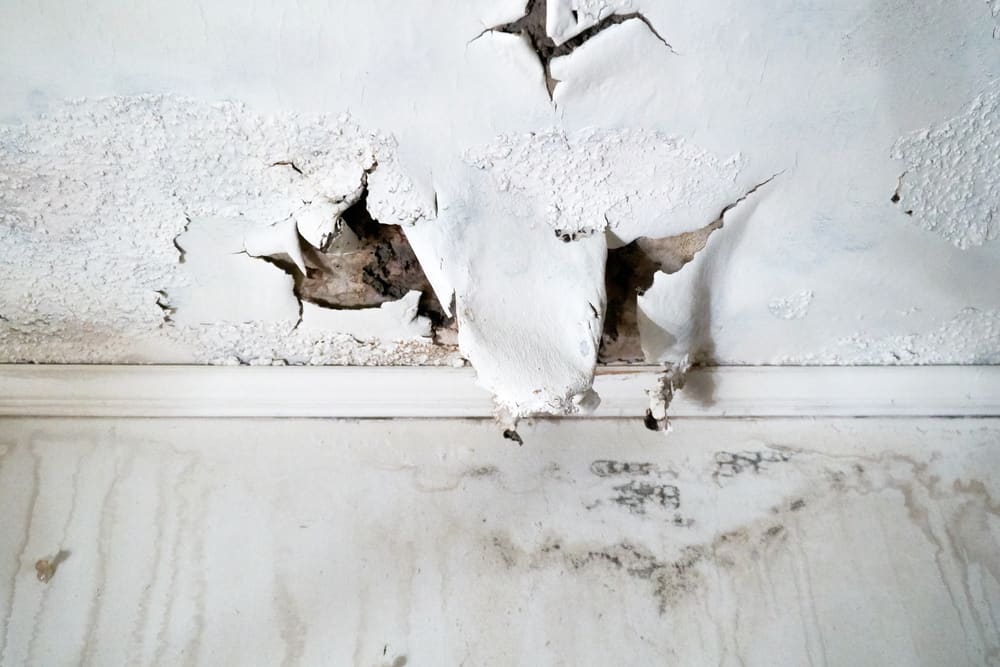
Flood Restoration, Garden City Park, NY
Water damage in Garden City Park doesn’t always announce itself dramatically. Sometimes it’s a sump pump that quit during a Tuesday night storm. Sometimes it’s a galvanized pipe under the kitchen sink that’s been quietly corroding since the Eisenhower administration. Either way, by the time you’re standing in a wet basement, the clock is already running the EPA is clear that mold can begin forming within 24 to 48 hours of water exposure, and in a post-war home with original framing and plaster walls, that moisture travels fast and hides deep.
What you get when the job is done right isn’t just a dry floor. It’s a home where the moisture inside the walls has been found, measured, and eliminated not just the moisture you could see. It’s documentation our insurance adjuster can actually work with. It’s the confidence that six months from now, you won’t be calling a mold remediation company to deal with what a rushed cleanup left behind.
Garden City Park homes sit on Nassau County’s glacial outwash plain, where groundwater naturally rises close to the surface. That’s not a weather problem it’s a geology problem, and it doesn’t go away. Getting the restoration done correctly the first time, by a team that understands what that specific building stock holds onto, is what separates a real fix from a temporary one.
Nassau County Water Damage Restoration Experts
We’ve been working in Nassau and Suffolk counties for close to three decades. That’s not a marketing number it’s the actual length of time we’ve been responding to flooded basements, burst pipes, storm damage, and everything in between across Long Island’s post-war neighborhoods, including Garden City Park, where the housing stock and the water table both demand a higher level of attention.
We’re fully licensed, bonded, and insured, and every technician on our team is IICRC-certified the certification that insurance companies recognize and that governs how water damage work is documented, categorized, and completed. That matters when you’re filing a claim on a home worth close to $860,000.
We also work directly with your insurance company. We handle the paperwork, the documentation, and the billing coordination so the claim process doesn’t fall on you during an already stressful situation. You’ve got enough to manage we handle that part.
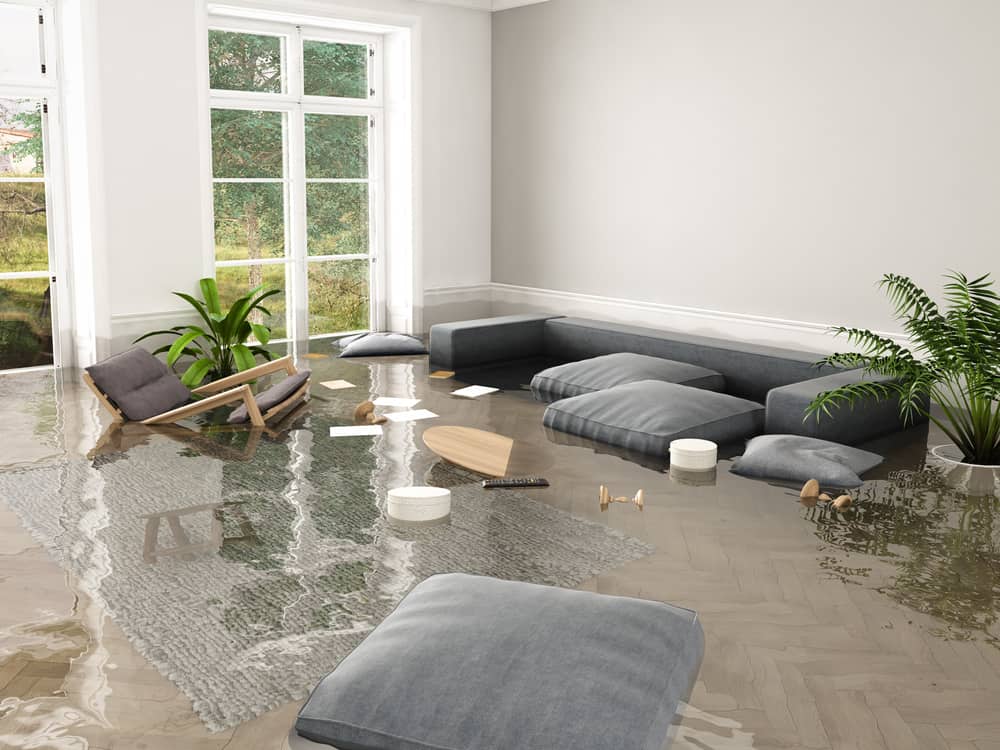
Burst Pipe Water Damage Repair, Garden City Park, NY
When you call, the response is immediate 24 hours a day, seven days a week. A crew arrives, assesses the source of the water intrusion, and begins extraction right away. In Garden City Park homes, where many basements have original drain tile systems and foundations that have been absorbing water pressure for 60 or 70 years, the extraction phase is just the beginning. Getting the visible water out is step one, not the finish line.
After extraction, the structural drying process begins. This is where industrial-grade air movers, dehumidifiers, and moisture meters do the work that a consumer fan cannot. In the post-war Cape Cods and split-levels that make up much of Garden City Park’s housing stock, moisture wicks into wall cavities, travels along wood framing, and pools beneath original subfloor assemblies in places you can’t see from the surface. Thermal imaging and moisture mapping locate it. The drying equipment eliminates it. The readings are documented throughout, which matters for your insurance claim and for confirming the job is actually done.
If the restoration requires structural repairs replacing water-damaged framing, drywall, or flooring we handle that too, through the full rebuild. Any structural work in Garden City Park falls under the Town of North Hempstead’s permitting requirements, and our team navigates that process correctly from the start. The job isn’t complete until the home is back to pre-loss condition and you’ve had the final walkthrough.
Ready to get started?
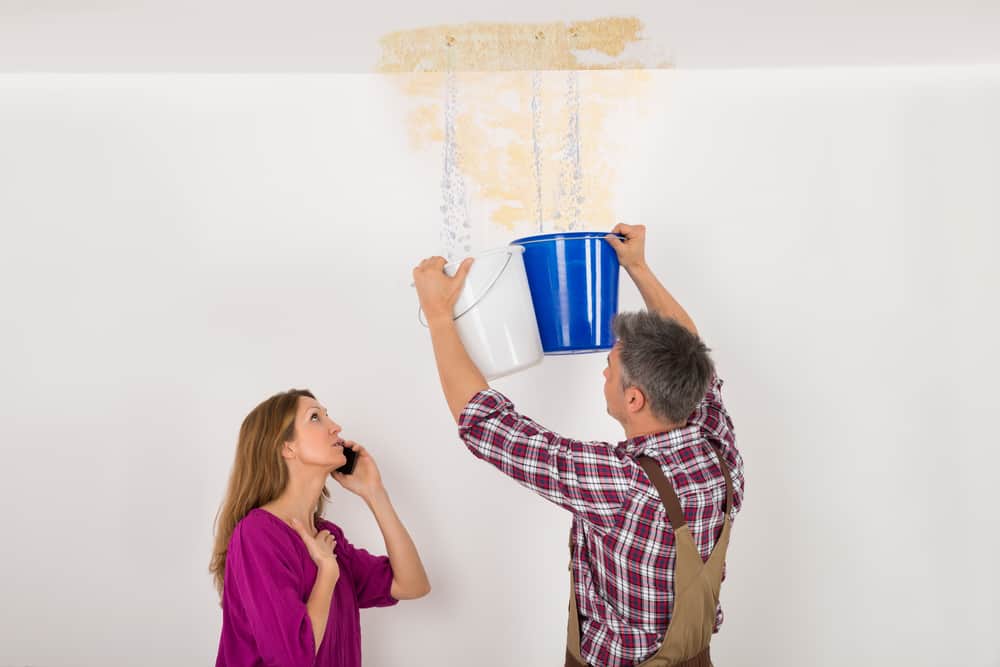
Residential Water Damage Repair, Garden City Park, NY
Water damage restoration in Garden City Park covers a wider scope than most homeowners expect when they first make the call. It starts with emergency water removal getting standing water out of the basement, the living space, or wherever the intrusion occurred. From there it moves into structural drying and dehumidification, antimicrobial treatment to address any mold risk, and full moisture documentation throughout the process.
For Garden City Park’s older homes, the service has to account for what those buildings actually hold. Plaster walls absorb water differently than modern drywall. Original subfloor assemblies trap moisture in ways that newer construction doesn’t. Galvanized and cast-iron plumbing still present in many homes throughout the hamlet can fail in ways that look minor on the surface but have been spreading moisture inside the wall cavity for hours before anyone noticed. The assessment at the start of the job is designed to find all of it, not just the obvious damage.
The service also includes full insurance coordination. We document the damage in the format insurers require, communicate directly with your adjuster, and handle the billing on that side so you’re not stuck in the middle. If the scope of the work requires reconstruction framing, drywall, flooring, or anything structural that’s included as well, all the way through to the final inspection under the Town of North Hempstead’s building requirements. One company, one call, from the emergency through the rebuild.

Why does my Garden City Park basement keep flooding even without major storms?
Garden City Park sits on Nassau County’s glacial outwash plain a layer of permeable sand and gravel left behind by glaciers that allows groundwater to sit very close to the surface year-round. This is a permanent geological condition, not a weather-driven one. When the water table is already high and a heavy rain hits, the ground around your foundation becomes fully saturated quickly, and water finds any weakness in the foundation wall, the drain tile system, or the window wells.
Most of Garden City Park’s housing stock was built between 1940 and 1969, which means the foundations were constructed to the standards of that era not engineered for the waterproofing expectations of modern construction. Over time, the mortar joints in block foundations crack, the drain tile systems deteriorate, and the sump pump systems that were added later become the only real line of defense. When a sump pump fails during a storm even a moderate one the water that was being held back comes in fast. The answer to recurring basement flooding isn’t just cleanup; it’s understanding the source and making sure the restoration addresses the moisture that got into the structure, not just the water on the floor.
Does homeowners insurance cover water damage from a burst pipe or basement flooding?
Standard homeowners insurance typically covers sudden, accidental water damage from internal sources a burst pipe, a failed water heater, a washing machine hose that gives out. What it does not cover is flooding from an external source, like groundwater coming in through the foundation during a storm. For that type of coverage, you’d need a separate flood insurance policy through the National Flood Insurance Program or a private insurer.
The distinction matters in Garden City Park because the most common water damage scenarios here fall on both sides of that line. A pipe that bursts because of a January freeze covered under most standard policies. Groundwater that enters through a saturated foundation after a heavy rain typically not covered unless you have flood insurance. The documentation you have at the time of the claim makes a significant difference in how quickly it’s processed and whether it’s approved. We document the source, the category of water damage, and the full scope of the loss in the format your insurer needs, which reduces the back-and-forth with your adjuster and strengthens the claim from the start.
How fast does mold start growing after water damage in an older home?
The EPA’s guidance is clear: mold can begin forming within 24 to 48 hours of water exposure under the right conditions. In an older Garden City Park home where plaster walls, solid wood framing, and original subfloor assemblies are common those conditions are almost always present. Older building materials are more porous than modern construction, which means they absorb moisture faster and hold it longer. Mold doesn’t need much to get started, and once it’s inside a wall cavity, it’s no longer a cleanup problem it’s a remediation project.
This is why the timing of the response matters as much as the quality of the work. A surface-level cleanup that removes visible water but leaves moisture inside the wall assembly gives mold exactly what it needs. The structural drying process using industrial dehumidifiers, air movers, and moisture meters to track readings inside the wall cavity is what actually closes that window. Visible mold growth typically appears within 48 to 72 hours, but microscopic growth starts earlier. Getting a certified team on-site quickly, especially in a home where the building materials are decades old, is the most effective way to prevent a water damage situation from becoming a mold remediation situation.
Do I need a permit for water damage restoration work in Garden City Park?
It depends on the scope of the work. Water extraction, drying, and dehumidification don’t require permits those are mitigation services. But if the restoration involves replacing structural framing members, opening walls, or performing any electrical work that was affected by the water damage, you’re into permit territory. Garden City Park falls under the jurisdiction of the Town of North Hempstead for building permits and inspections, not a village building department. That means any structural repair work needs to be permitted through the Town of North Hempstead Building Department.
This is a step that less experienced contractors sometimes skip, either because they’re not familiar with the local jurisdiction or because they’re trying to move faster. Skipping it creates problems down the road unpermitted structural work can complicate a future home sale, create liability issues, and in some cases affect the validity of an insurance claim. A contractor with nearly 30 years of experience working in Nassau County knows the permitting process for North Hempstead and handles it correctly from the start, so the restoration is done to code and fully documented.
How long does water damage restoration typically take for a Garden City Park home?
For a typical basement flood in a Garden City Park home say, a sump pump failure during a summer storm that left several inches of standing water you’re generally looking at three to five days for the structural drying phase after the initial water extraction. The extraction itself usually takes one to three days depending on the volume of water and the materials involved. If the damage is limited to the basement and the building materials dried cleanly without mold or structural damage, the total mitigation timeline is often under two weeks.
Where it gets longer is when the water has been sitting for an extended period, when the damage extends beyond the basement into the living space, or when the building materials in an older home have absorbed moisture deeply into the wall assembly. Garden City Park’s post-war construction plaster walls, original wood framing, older subfloor systems tends to hold moisture longer than modern materials, which can extend the drying timeline. If structural repairs or reconstruction are needed after the drying phase, that adds additional time depending on the scope. The assessment at the start of the job gives you a realistic timeline based on what’s actually in front of the crew, not a generic estimate.
What should I do immediately after discovering water damage in my home?
The first thing to do is stop the source if you can shut off the water supply if it’s a burst pipe or appliance failure. If it’s groundwater coming in through the foundation, there’s no shutoff, but you can move belongings out of the affected area and reduce the spread. Don’t run residential fans or a shop vac and assume the job is done consumer equipment doesn’t have the capacity to dry a wall cavity or a subfloor assembly, and in Garden City Park’s older homes, that’s exactly where the moisture goes.
Call a restoration company before you call your insurance company. That order matters. Getting a certified team on-site first means the damage is properly documented source, category, scope, moisture readings before anything is disturbed. That documentation is what your insurer needs to process the claim efficiently. If you call the insurance company first and then try to document it yourself, you may be missing the technical detail that an adjuster requires. We can be reached around the clock, and the sooner the call comes in, the smaller the gap between the water event and the start of drying which is the gap where mold takes hold in Nassau County’s older housing stock.
Useful Links
Other Services we provide in Garden City Park