
Water Damage Restoration in Gilgo, NY
When Storm Surge Hits Both Sides of Your Barrier Island Home
Hear from Our Customers

Flood Restoration Gilgo, NY
Living on Jones Beach Island means you already know the risk. The Atlantic pushes from the south, the Great South Bay rises from the north, and when a nor’easter or tropical storm rolls through, water enters from below and the sides not through a basement floor like it does on the mainland.
When First Response Restoration & Cleaning finishes a job in Gilgo, the goal isn’t just visibly dry floors. It’s moisture-free structural cavities, no hidden dampness behind cedar siding, no residual conditions inside crawl spaces that quietly grow into a mold problem three months later. In a community where homes sit on leased land from the Town of Babylon and your structure is your entire investment, that thoroughness isn’t optional it’s the whole point.
The other thing that changes after professional restoration is the insurance piece. Gilgo homeowners often carry both a standard homeowners policy and a separate NFIP flood insurance policy, and coordinating the two while also managing a damaged home is genuinely overwhelming. We work directly with your insurance companies both of them to handle documentation, scope of work, and billing so you’re not the one stuck in the middle.
Residential Water Damage Repair Gilgo, NY
First Response Restoration & Cleaning is based in West Babylon the same Town of Babylon that governs Gilgo. That’s not a coincidence that helps us on paper; it means we operate under the same municipal jurisdiction, we understand the Town of Babylon’s building and permit requirements for floodplain restoration work, and we’ve been serving Gilgo and Suffolk County’s south shore communities through multiple major storm cycles for nearly three decades.
That includes the storms that closed Ocean Parkway, stripped dunes from the Gilgo Beach project, and left barrier island homeowners dealing with damage that generic suburban restoration companies weren’t equipped to handle. Our IICRC-certified technicians are trained to work in the specific conditions that elevated coastal construction creates the crawl spaces, the structural cavities, the salt-corroded building envelopes that let moisture in even between storms.
We’re licensed, bonded, and insured. When you call our 631 number, you’re reaching a local team not a national dispatch center routing your emergency to whoever’s available.
Emergency Water Removal Gilgo, NY
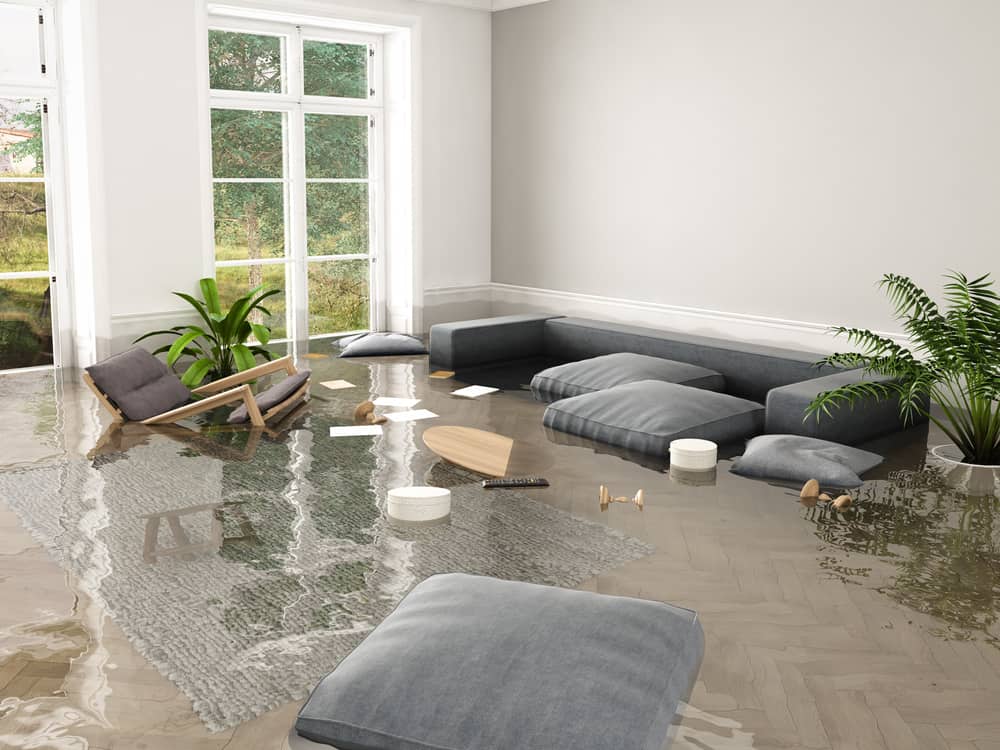
The first thing we do when we arrive is assess not just what’s visible, but what isn’t. In Gilgo’s elevated beach homes, water from storm surge or a burst pipe doesn’t behave the way it does in a mainland colonial with a basement. It enters from below and the sides, wicks into structural framing, and settles into crawl spaces and floor cavities that you’d never think to check. We use professional moisture meters and thermal imaging to map exactly where the water went, not just where it pooled.
Once we know the full scope, we extract standing water, set up industrial-grade air movers and dehumidifiers, and begin the structural drying process. This isn’t consumer equipment it reaches moisture inside walls, beneath elevated floors, and behind siding in ways that a rented fan simply cannot. For Gilgo properties, we also account for the salt air environment: salt retains humidity and corrodes building seals, which means drying protocols here need to address chronic moisture pathways, not just the immediate intrusion event.
If the damage triggers a permit requirement which it often does for structural repairs in the Town of Babylon’s floodplain zones we work within that regulatory framework from the start. Documentation is handled throughout the process, which matters when you’re filing claims across two separate insurance policies and need the paperwork to hold up.

Ready to get started?
Storm Damage Restoration Gilgo Beach, NY
Water damage restoration in Gilgo covers the full range of what barrier island living throws at a home. Storm surge cleanup, flood damage restoration, basement water extraction for homes with lower-level garages, burst pipe water damage repair, mold remediation, structural drying, and complete rebuild all handled by one team, start to finish. You don’t need to coordinate a separate mold inspector, a separate contractor, and a separate insurance advocate. That’s all under one roof here.
The mold piece deserves specific attention for Gilgo homeowners. Salt air corrodes building seals and retains humidity year-round, which means the conditions for hidden mold growth exist even in homes that haven’t experienced a dramatic flood event. If you’ve had any water intrusion from a storm, a plumbing failure, or just the slow accumulation of coastal moisture a professional moisture assessment is worth having. The EPA is clear that water-damaged areas need to be dried within 24 to 48 hours to prevent mold growth, and in a community where Ocean Parkway can close during a storm and delay access for hours, that clock is already running before we can get to you.
For 24/7 water damage restoration in Gilgo and across Suffolk County, call First Response Restoration & Cleaning at 631-587-5300. The moment the road is open, we’re ready to move.

Does homeowners insurance cover storm surge water damage in Gilgo, NY?
This is one of the most important questions for Gilgo homeowners to understand before a storm hits, not after. Standard homeowners insurance covers sudden, accidental water damage from internal sources like a burst pipe or an appliance failure but it does not cover flooding. Storm surge, which is the primary water damage risk on a barrier island like Jones Beach Island, is classified as flooding. That means it falls under a separate NFIP flood insurance policy, not your standard homeowners coverage.
Many Gilgo residents carry both policies, which is the right call given the community’s documented flood exposure. But filing claims under two separate policies simultaneously with different documentation requirements, different adjusters, and different coverage scopes is genuinely complex. We work directly with both your homeowners insurer and your flood insurer, handling the documentation and coordination so you’re not left navigating that process alone while also managing a damaged home.
How fast does mold grow after water damage, and why does it matter in Gilgo?
Mold can begin germinating within 24 hours under the right conditions, and visible growth typically appears within 48 to 72 hours. That window is tight under any circumstances, but in Gilgo it’s tighter for a specific reason: Ocean Parkway the only road on and off the barrier island can close during major storms. If a nor’easter or tropical system causes significant water intrusion, the mold clock starts immediately, but emergency response may not be able to reach you until the road reopens.
That’s why calling First Response Restoration & Cleaning the moment access is restored is critical. Every hour of delay after that point increases the likelihood that moisture inside your walls, crawl spaces, and structural framing has already created conditions for mold growth. Coastal homes face an additional layer of risk: salt air corrodes building seals and retains humidity year-round, which means the baseline moisture environment in a Gilgo beach house is already more favorable to mold than a typical mainland home. Professional drying equipment and antimicrobial treatment address both the immediate intrusion and the underlying coastal conditions that allow mold to return.
What's different about water damage restoration in an elevated beach house versus a regular Long Island home?
Most water damage restoration content is written for the standard Long Island scenario: a basement that flooded, water coming up through the floor drain, a burst pipe in a finished lower level. Gilgo homes don’t follow that template. The majority of structures in Gilgo Beach and West Gilgo Beach are built on stilts or elevated foundations, often with an open garage or utility space beneath the living area. When storm surge hits, water enters from below and the sides not from a rising water table through a basement floor.
That changes the restoration approach significantly. Moisture doesn’t pool in one predictable location; it wicks upward into floor joists, sideways into wall framing, and accumulates in crawl spaces and structural cavities that require targeted equipment to dry. Consumer-grade fans and wet-vacs don’t reach those areas. We use industrial dehumidifiers, air movers, and professional moisture meters to map and eliminate moisture throughout the structure including the areas you can’t see. Cedar siding, common in Gilgo’s older beach cottages, also absorbs and retains moisture differently than vinyl or fiber cement, which factors into how we approach the drying and assessment process.
Do I need a Town of Babylon permit for water damage repairs in Gilgo?
Depending on the scope of the work, yes. The Town of Babylon has a Flood Damage Control chapter in its municipal code that requires a floodplain development permit for construction and significant repairs in areas of special flood hazard which includes Gilgo Beach and West Gilgo Beach, both of which sit in FEMA-designated flood zones. If your restoration involves structural repairs, not just surface cleanup and drying, a permit is likely required before that work can proceed.
This matters for two reasons. First, unpermitted structural work in a floodplain zone can create complications with your insurance claim and with the legal status of your home. Second, work in FEMA V-zones the coastal high hazard areas that cover much of Gilgo’s ocean-facing properties must meet specific elevation and structural standards. We operate within the Town of Babylon’s regulatory framework and account for permit requirements from the beginning of the restoration process. That documentation also supports your insurance claim, which is important when you’re dealing with adjusters from both a homeowners policy and a flood insurance policy simultaneously.
How long does water damage restoration take for a Gilgo Beach property?
The honest answer depends on the scope of the damage. For a localized intrusion say, a burst pipe that affected one area of the home the drying phase typically runs three to five days, with the full restoration process wrapping up within one to three weeks depending on what repairs are needed. For significant storm surge damage that has affected structural framing, subfloors, and multiple areas of an elevated beach house, the timeline extends further, sometimes into several weeks or longer if reconstruction is involved.
What affects the timeline in Gilgo specifically is the nature of elevated coastal construction. Moisture that enters during a storm surge event doesn’t just sit on the surface it moves into structural cavities and framing that take longer to dry than a standard basement floor or drywall. Salt air also slows the drying process by maintaining higher ambient humidity levels than you’d find in a mainland environment. We monitor moisture levels throughout the drying phase using professional meters, and we don’t move to the repair phase until readings confirm the structure is genuinely dry not just dry on the surface. Cutting that process short is exactly how hidden mold problems develop months later.
Is it worth calling a professional if I think I already dried out the water myself?
It depends on what you used and how quickly you acted but in most cases in a Gilgo beach house, the honest answer is yes, it’s worth having a professional assess the situation. Consumer-grade fans and wet-vacs are effective at removing surface water and speeding up evaporation in open areas. What they can’t do is extract moisture from inside wall cavities, beneath elevated floor systems, or from the structural framing members that absorb water during a storm surge or pipe failure.
In Gilgo specifically, the combination of elevated construction and year-round salt air exposure means that moisture hides in places that look and feel dry from the outside. Salt retains humidity, which means the interior of a wall cavity or crawl space can stay damp long after the visible water is gone. A professional moisture assessment uses thermal imaging and calibrated moisture meters to check the areas you can’t see and if those readings show elevated moisture, we can address it before it becomes a mold problem. Given that homes in the Gilgo and West Gilgo Beach area represent significant financial investments, the cost of a professional assessment is a straightforward trade-off against the cost of mold remediation or structural damage discovered months down the road.
Useful Links
Other Services we provide in Gilgo