
Water Damage Restoration in Halesite, NY
Huntington Harbor Flooding Doesn't Wait Neither Do We
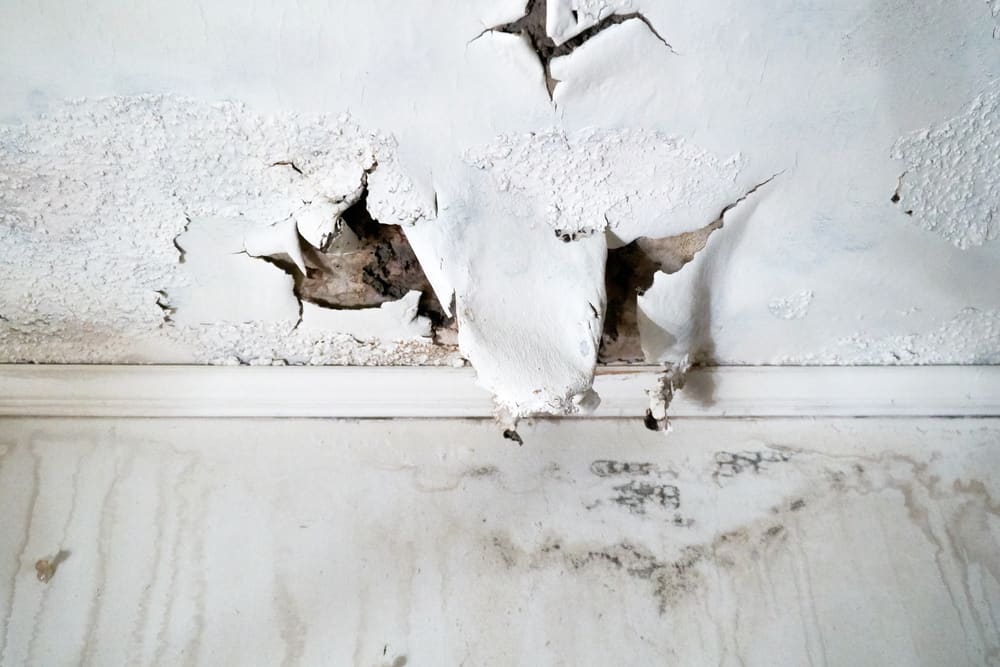
Hear from Our Customers

Flood Restoration Services in Halesite
When water damage is handled properly fully extracted, dried to the studs, and documented for your insurance company you don’t spend the next six months wondering if something is growing behind your walls. That peace of mind is the real outcome. Not just a dry floor, but confidence that the job is actually done.
For Halesite homeowners, that matters more than most places on Long Island. The harbor surge mechanism here Long Island Sound water funneling into Huntington Harbor during nor’easters and late-season storms can push water into homes that aren’t technically on the waterfront. And when that happens, the water isn’t always clean. Harbor surge can carry sediment and debris that changes how the damage needs to be handled, both for your health and for your insurance claim.
Then there’s the housing stock. Most homes in Halesite were built before 1960. Older plaster walls, original subfloor assemblies, and structural cavities that don’t behave like modern construction when water gets inside. In a home worth close to a million dollars or more incomplete restoration isn’t just a health risk. It’s a financial one. Moisture left behind in a wall cavity today is a mold disclosure problem tomorrow, and a remediation bill that dwarfs what proper restoration would have cost.
Trusted Water Damage Repair in Suffolk County
We’ve been operating on Long Island for nearly three decades. That means we’ve worked through nor’easters, Sandy’s aftermath, and every freeze-thaw cycle that Long Island throws at older homes. The Huntington Harbor area and Halesite are familiar territory, not a pin dropped on a map.
We’re based in West Babylon, Suffolk County, with a dedicated Suffolk line (631-587-5300) a real local operation, not a national franchise routing calls through a distant call center. Our technicians are IICRC-certified, which is the certification that insurance adjusters actually recognize and that governs how water damage is properly categorized and remediated.
Halesite is a small, tight-knit community of around 2,500 residents. Reputation here travels fast neighbor to neighbor, down New York Avenue, and out to the waterfront. We’ve built our Long Island reputation the same way it matters here: one thoroughly restored home at a time.
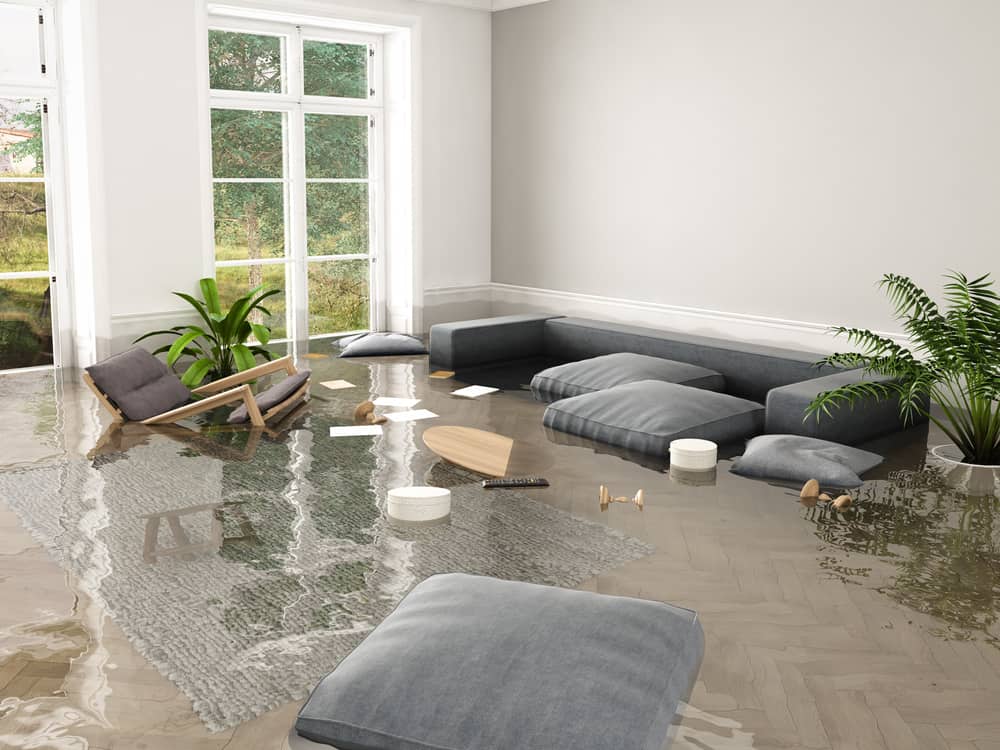
Our Water Damage Restoration Process in Halesite
The first step is a free on-site assessment. We come to your home, look at what actually happened, and give you a clear picture of the scope not a ballpark guess over the phone. For homes near the harbor or along the lower-lying streets off New York Avenue, that assessment includes checking for water intrusion in places that aren’t immediately visible: wall cavities, subfloor assemblies, and crawl spaces where moisture hides in older construction.
From there, extraction comes first. Industrial-grade equipment removes standing water far more completely than any consumer wet-vac can. Then the drying phase begins air movers, commercial dehumidifiers, and moisture meters tracking progress inside the structure, not just on the surface. For Halesite’s pre-1960 homes, this phase takes careful attention. Original plaster walls and older framing absorb and hold moisture differently than modern drywall, and the drying protocol adjusts accordingly.
Throughout the process, everything is documented. That documentation matters when your insurance claim goes to an adjuster. We coordinate directly with your insurance company handling the paperwork, the communication, and the billing so you’re not caught in the middle trying to translate restoration work into insurance language. If the damage requires structural repairs or reconstruction after the drying phase, that’s handled under the same roof, so there’s no gap between contractors where moisture can sit and problems can grow.

Ready to get started?
Residential Water Damage Services in Halesite, NY
Water damage restoration in Halesite isn’t a single service it’s a sequence. Extraction, structural drying, moisture mapping, antimicrobial treatment, and then reconstruction if the damage has reached walls, floors, or framing. We handle all of it, which matters in a community where the housing stock dates back decades and the damage often goes deeper than the surface suggests.
For homes in and around the East Shore Road Historic District where some residences date to the 1860s and 1900s the restoration approach has to account for original materials. Period millwork, original hardwood floors, and plaster walls need careful handling. The goal isn’t just to dry the home; it’s to restore it without compounding the damage with a careless process.
Storm damage restoration and flooded basement cleanup are among the most common calls we receive from Halesite, particularly after nor’easters push surge water up Huntington Harbor. But burst pipe water damage is just as frequent especially in winter, when Halesite’s older galvanized and cast-iron pipes are most vulnerable to freeze-thaw stress. Whether it’s a harbor surge event or a pipe that finally gave out behind a wall, our response is the same: fast, thorough, and fully documented for your insurance company. We are licensed, bonded, and insured, and the work is performed to IICRC standards from start to finish.

Does homeowners insurance cover water damage from Huntington Harbor flooding in Halesite?
This is one of the most important distinctions to understand before you file a claim. Standard homeowners insurance covers sudden, accidental water damage from internal sources a burst pipe, an appliance overflow, a water heater failure. It does not cover flooding. If water entered your Halesite home because Huntington Harbor surged during a nor’easter or storm event, that is typically considered flood damage and falls under a separate NFIP flood insurance policy, not your standard homeowners coverage.
Some Halesite properties near the harbor were reclassified into Special Flood Hazard Areas when FEMA updated its flood maps for the Huntington Harbor area, which means those homeowners may already carry both policies. If you’re not sure which policy applies to your specific situation, that’s exactly where our insurance coordination experience helps we work directly with insurers and can help ensure the damage is documented and categorized correctly from the start, which protects your claim regardless of which policy is responding.
How quickly does mold start growing after a basement flood in Halesite?
The EPA’s guidance is clear: mold can begin establishing within 24 to 48 hours of water intrusion under the right conditions. In Halesite, those conditions are often already present. The hamlet sits directly on Huntington Harbor, and ambient humidity along the waterfront particularly in summer and during storm events is elevated compared to inland communities. That means the window between water intrusion and active mold growth can be tight.
What makes this especially relevant for older Halesite homes is that mold doesn’t need visible standing water to get started. It needs moisture, and moisture in a pre-1960 home can persist inside wall cavities, under original hardwood floors, and in crawl spaces long after the surface looks dry. Consumer fans and wet-vacs don’t reach those spaces. Professional drying equipment industrial dehumidifiers, air movers, and moisture meters tracking readings inside the structure is what actually closes that window. The faster professional extraction and drying begins, the less likely you are to be dealing with a mold remediation project on top of the original water damage.
What happens if a pipe bursts in my older Halesite home during a winter freeze?
Burst pipe water damage in an older home is a different situation than in newer construction, and Halesite’s housing stock makes that distinction important. Galvanized steel and cast-iron pipes common in homes built before 1960 corrode from the inside over decades. When a freeze-thaw cycle stresses an already-weakened pipe, it doesn’t always fail with a dramatic burst. Sometimes it develops a slow leak that saturates wall cavities and subfloor assemblies over days before anyone notices a stain on the ceiling or a soft spot in the floor.
By the time it’s visible, the moisture has often traveled further than the source location suggests. The first step after shutting off the water supply is a professional moisture assessment not just of the obvious wet area, but of the surrounding structure. We use moisture meters and thermal imaging to map where the water actually went, which is the only way to ensure the full scope of the damage is addressed rather than just the surface that’s easy to see. Structural repairs and drywall replacement, if needed, are handled as part of the same process so there’s no gap in accountability.
How long does water damage restoration typically take for a home in Halesite?
The honest answer is that it depends on the scope of the damage, but most water damage restoration projects follow a predictable sequence. Water extraction typically takes one to three days. The drying phase getting structural moisture levels back to safe readings generally runs three to five days for most homes, though older construction can extend that timeline. If structural repairs or reconstruction are needed after drying, that adds additional time depending on what’s involved.
For Halesite homes, the drying phase deserves particular attention. Pre-1960 construction with plaster walls and original framing holds moisture differently than modern drywall, and rushing the drying phase to hit an arbitrary timeline is how hidden moisture problems develop later. We monitor moisture readings throughout the drying process rather than working to a fixed schedule, which means the work is done when the readings confirm it not when it’s convenient to wrap up. For a typical flooded basement affecting a couple of rooms, a full project from initial extraction through final repairs generally runs around three weeks.
Should I call my insurance company or a restoration company first after water damage?
You can call a restoration company first, and in many cases it’s the better move. Here’s why: when an adjuster comes to assess your damage, the documentation of what happened the moisture readings, the affected areas, the category of water involved is already established by the restoration team. That documentation supports your claim rather than leaving the adjuster to assess a situation where damage may have already worsened or been partially cleaned up in ways that obscure the original scope.
This is particularly relevant if your damage involves harbor surge water or any water source that might be classified as contaminated. The IICRC categorizes water damage by contamination level clean water from a burst pipe is handled differently than gray or black water from a surge event carrying debris and sediment. Getting that categorization documented correctly from the start affects both the remediation protocol and what your insurance policy will cover. We coordinate directly with insurance companies after the initial assessment, handling the communication and paperwork so you’re not navigating that process alone.
Why do so many Halesite homeowners deal with basement flooding even when they're not near the waterfront?
Halesite’s geography plays a bigger role than most residents expect. The hamlet sits on a relatively compact 0.86 square miles, and the combination of its position near Huntington Harbor, a high water table in parts of the area, and an older stormwater drainage infrastructure means that heavy rain events can overwhelm the ground’s ability to absorb water. When that happens, water follows the path of least resistance and in older homes, that path often leads into the basement through foundation walls, floor cracks, or failing sump pump systems.
The Town of Huntington has documented flooding as a recurring issue during heavy rain events, with multiple areas affected even in storms that don’t rise to the level of a named storm. For Halesite homeowners with basements in pre-1960 homes, the original waterproofing if it was ever applied has often degraded to the point where it provides minimal protection. Flooded basement cleanup in this context isn’t just about removing standing water; it’s about drying the foundation assembly, treating for microbial growth, and identifying whether the entry point needs to be addressed to prevent recurrence. That’s the full-scope approach we bring to every basement water extraction job in the area.
Useful Links
Other Services we provide in Halesite