
Water Damage Restoration in Hauppauge, NY
When Hauppauge's Water Table Rises, You Need a Fast Answer
Hear from Our Customers

Flood Restoration Hauppauge, NY
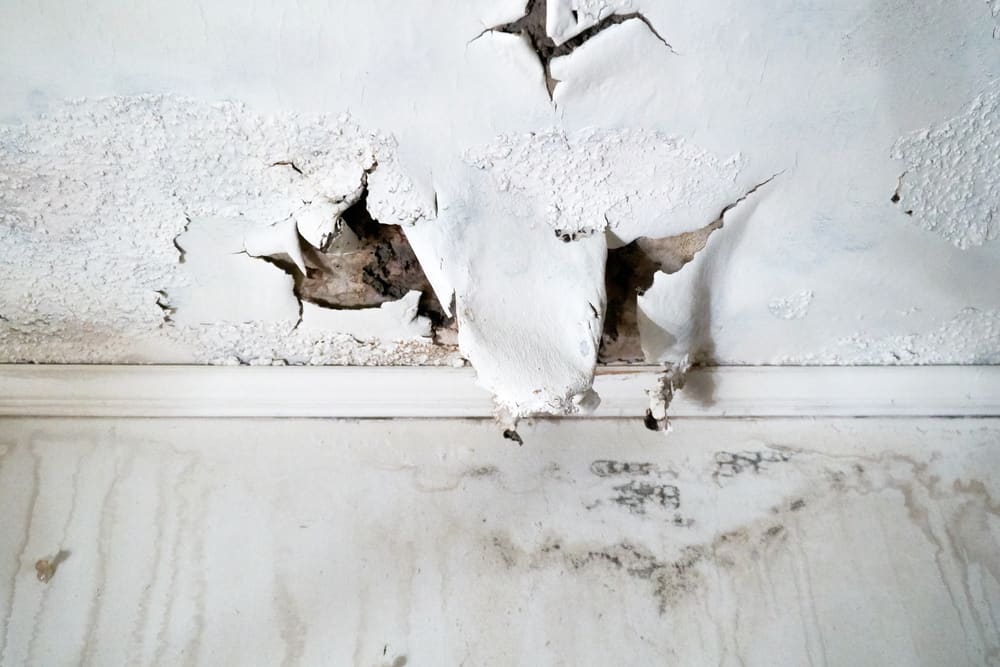
When the water is gone and the fans are running, most homeowners assume the hard part is over. It isn’t. Moisture left inside wall cavities, under subfloors, or behind the original drywall of a 1970s Hauppauge split-level doesn’t announce itself it just quietly feeds mold until you start smelling it six weeks later.
What you actually need is a restoration team that treats the job as done only when the moisture readings say it’s done, not when it looks dry to the naked eye.
For Hauppauge homeowners specifically, that standard matters more than it does in newer communities. The housing stock here was built in a concentrated window mostly the 1960s through the 1980s which means the plumbing systems, sump pits, and subfloor materials in most homes are between 40 and 60 years old. When those systems fail, water doesn’t just pool on the floor. It travels. It wicks into original hardwood, migrates through concrete block foundation walls, and saturates insulation that was never designed to dry out on its own.
The outcome you’re after isn’t just extracted water. It’s a home that’s been properly mapped, dried to standard, treated against microbial growth, and documented thoroughly enough that your insurance claim holds up. That’s what a complete restoration actually looks like.
Residential Water Damage Repair Hauppauge, NY
We’ve been restoring Long Island homes since the mid-1990s. That’s not a tagline it’s a track record built job by job across Nassau and Suffolk counties, long before most of the companies currently competing for your search were even incorporated.
We’re based in West Babylon, Suffolk County, which puts us roughly 10 to 12 miles from Hauppauge via Route 111 and the Long Island Expressway. When you call the 631 number, you’re reaching a local Suffolk County operation not a national call center routing your emergency to whoever’s available in the region.
Our technicians are fully IICRC-certified, we’re licensed, bonded, and insured, and we work directly with your insurance company so you’re not stuck playing middleman between your adjuster and your contractor. For a community like Hauppauge where homes are worth real money and the aging infrastructure creates real risk that combination of local roots, certified expertise, and insurance experience is exactly what the situation calls for.
24/7 Water Damage Restoration Hauppauge, NY
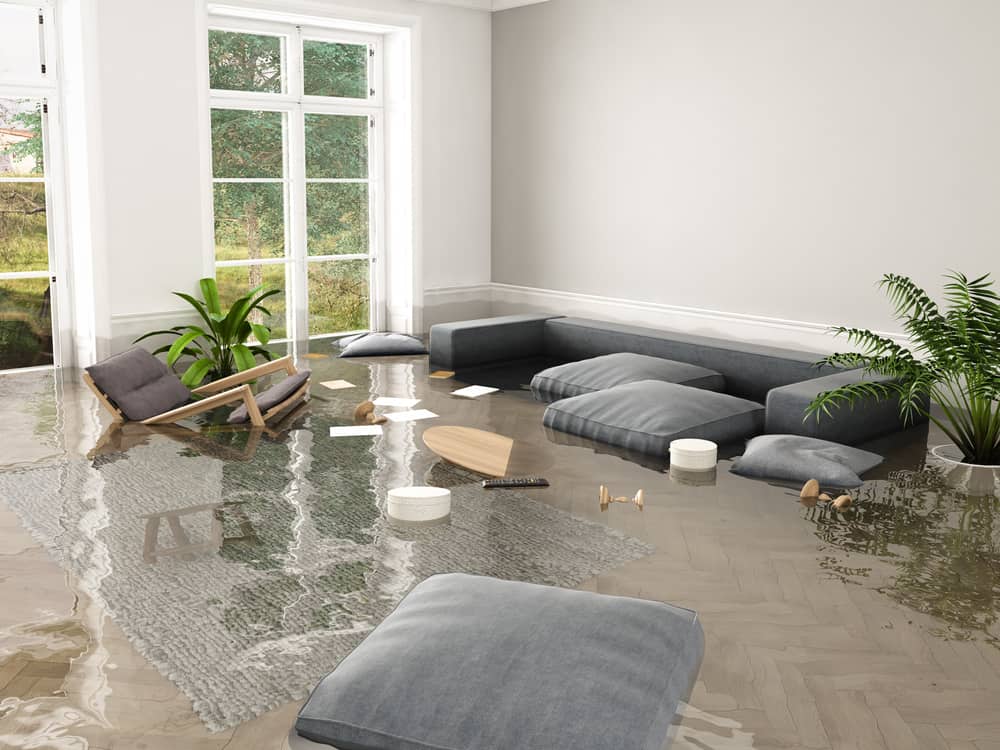
The process starts the moment you call. We’re available around the clock, which matters in Hauppauge because the most common flooding scenarios here don’t follow business hours. Sump pump failures during nor’easters, pipe bursts on January nights, and basement flooding from severe thunderstorms these happen at midnight just as often as they happen at noon.
Once our team arrives, the first step is damage assessment and moisture mapping. This isn’t a visual walkthrough it’s a systematic measurement of moisture levels inside walls, under floors, and in structural materials using professional-grade equipment. That data drives every decision that follows.
Standing water is extracted using industrial pumps and wet-extraction tools that go well beyond what any consumer-grade equipment can reach, including water that has migrated into the concrete block foundations common in Hauppauge’s older homes.
After extraction comes structural drying. Commercial dehumidifiers and air movers are positioned based on the moisture map, not guesswork, and readings are monitored until the structure meets drying standards. Antimicrobial treatment is applied to prevent mold from taking hold during the drying phase.
Throughout the entire process, we document the damage in a format your insurance adjuster can work with directly. Because Hauppauge properties straddle the Town of Islip and the Town of Smithtown, any reconstruction work that requires permits is coordinated with the appropriate municipal office whichever side of Townline Road your property sits on.
Ready to get started?
Burst Pipe and Flooded Basement Cleanup Hauppauge, NY
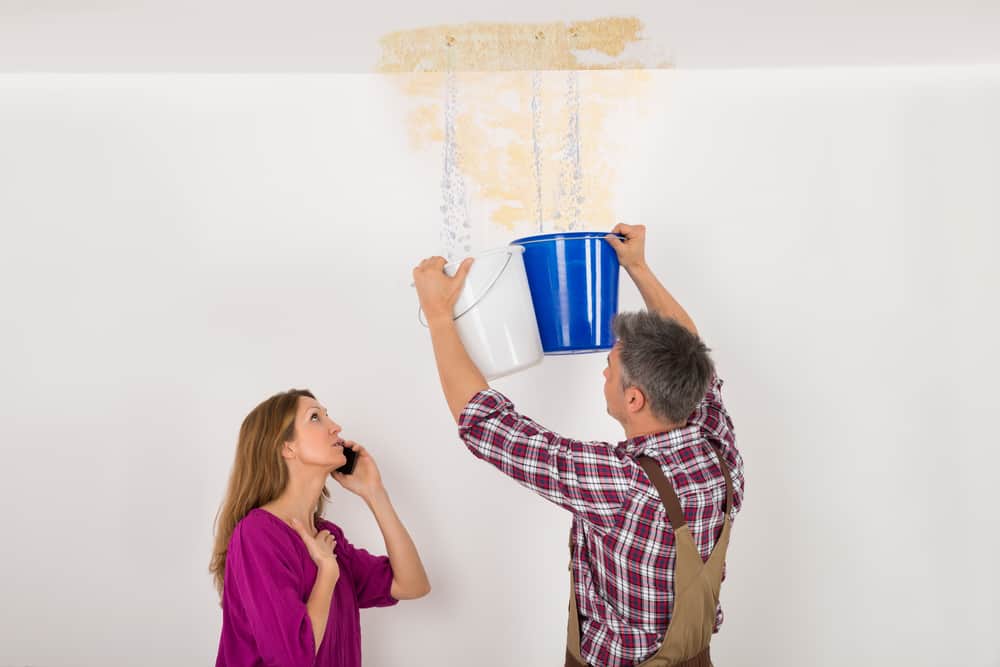
Water damage in Hauppauge doesn’t come from one direction. It comes from aging plumbing systems in homes built before 1985, from sump pumps overwhelmed by the area’s naturally high water table during heavy storms, from ice dams forming on roofs during freeze-thaw cycles in winter, and from the intense, localized thunderstorms that can dump several inches of rain in a matter of hours.
We handle all of it burst pipe water damage, flooded basement cleanup, storm damage restoration, and sewage backup under one roof, with one team, on one timeline.
For residential properties along Veterans Memorial Highway, in the neighborhoods near Blydenburgh County Park, or in South Hauppauge and East Hauppauge where drainage challenges are well-documented, our service includes full moisture mapping, water extraction, structural drying, mold prevention treatment, and complete reconstruction where needed. You don’t have to coordinate separate contractors for the drying phase and the rebuild we take the job from initial emergency response through finished restoration.
We also serve commercial properties in and around the Long Island Innovation Park. Whether it’s an office space, a warehouse, or a light manufacturing facility dealing with a roof leak or a burst pipe, the same IICRC-certified process and direct insurance coordination applies. Hauppauge’s dual identity as a residential community and one of the largest employment hubs in the country means water damage here isn’t always a home problem and we’re equipped for both.

Does homeowners insurance cover basement flooding in Hauppauge, NY?
It depends entirely on what caused the flooding, and the distinction matters more than most people realize. Standard homeowners insurance typically covers sudden, accidental water damage from internal sources a burst pipe, a failed water heater, a washing machine that overflowed.
If your basement flooded because your sump pump gave out during a nor’easter and groundwater came in through the foundation, that’s a different conversation. Sump pump failure coverage is sometimes available as an add-on rider, but it’s not automatic. Flooding caused by surface water or groundwater rising from outside the home is generally not covered under a standard homeowners policy that falls under flood insurance, which is a separate policy entirely.
For Hauppauge homeowners, this distinction is particularly important because the area’s high water table means that during heavy rain events, water can enter a basement from multiple directions simultaneously through a floor drain, through foundation wall seepage, and from a failed sump pit. Documenting exactly how and where the water entered is critical to making a successful claim. We handle that documentation from the moment we arrive, which gives your claim the clearest possible foundation before the adjuster ever shows up.
How fast does mold start growing after a basement flood?
Faster than most people expect. The EPA’s guidance is clear: water-damaged areas need to be dried within 24 to 48 hours to prevent mold growth. Mold spores are already present in the air they don’t need to travel anywhere. They just need moisture and a surface, and they can begin germinating within 24 hours under the right conditions.
Visible growth typically appears within 48 to 72 hours, but by that point, microscopic colonization has already started in materials you can’t see. In a Hauppauge home with original 1960s or 1970s construction, the materials most at risk are the ones that absorb and hold moisture wood subfloors, drywall, fiberglass insulation, and the paper backing on older insulation batts.
These materials don’t dry on their own with a box fan. Once mold establishes itself inside a wall cavity or under a floor, the remediation scope and the cost expands significantly. Calling for professional water extraction and structural drying as soon as possible after a flood isn’t overcautious. It’s the decision that keeps a manageable situation from becoming a months-long project.
What usually causes basement flooding in Hauppauge homes specifically?
The most common culprit in Hauppauge isn’t a dramatic storm event it’s a sump pump failure. Hauppauge sits on naturally wet ground; the name itself traces back to a Native American term referencing the swampy, water-saturated character of the land. That hydrology hasn’t changed.
Central Suffolk County’s water table sits close to the surface in many areas, which means most Hauppauge homes with full basements rely on sump systems as their primary defense against groundwater intrusion. When the power goes out during a nor’easter which happens regularly along the I-495 corridor the sump pump stops, and the water table, already elevated by the storm, begins pushing in.
Beyond sump failures, the aging plumbing in Hauppauge’s 1960s through 1980s housing stock is a consistent source of water damage. Galvanized steel pipes corrode from the inside over decades. Copper joints crack after years of thermal cycling. Water heaters pushed past their 15-year lifespan eventually fail.
Properties near Blydenburgh County Park also face drainage-related water intrusion due to the low-lying terrain and the park’s pond and stream system. Knowing which of these sources caused your flooding matters both for the restoration approach and for how the insurance claim gets filed.
How long does water damage restoration typically take in a Hauppauge home?
For a typical basement flood in a Hauppauge split-level or ranch the kind caused by a sump pump failure or a burst pipe the full process from initial water extraction through final repairs generally runs about two to three weeks. The first phase is extraction and drying, which usually takes three to five days depending on the extent of saturation and the materials involved.
Older homes with original hardwood subfloors or concrete block foundations can take longer to dry than newer construction with modern materials. After the structure reaches the target moisture levels confirmed by instrument readings, not visual inspection the reconstruction phase begins. That’s where drywall replacement, flooring, and any structural repairs happen.
If the damage affected finished living space, like a renovated basement or a main-floor laundry room, the timeline extends to accommodate those finishes. For more extensive damage involving mold remediation or structural issues, the timeline can stretch considerably longer. The honest answer is that every job is different, which is why the free on-site assessment matters it gives you a realistic scope and timeline before any work begins.
Will First Response Restoration and Cleaning Inc. work directly with my insurance company?
Yes, and this is one of the more practical reasons to call us first rather than waiting to hear from your adjuster. We work directly with insurance companies we handle the documentation, the billing, and the coordination so you’re not caught in the middle trying to translate between a restoration contractor and an insurance adjuster who may not speak the same language.
What makes this especially relevant for Hauppauge homeowners is the property values involved. With median home values approaching $707,000 in this community, the stakes on a water damage claim are significant. An average water damage insurance claim runs between $11,000 and $14,000 nationally, and claims on higher-value homes can run well above that.
The way the damage is documented from the first hour moisture readings, source identification, material assessments directly affects how the claim is evaluated. Our IICRC-certified technicians follow the documentation protocols that insurance adjusters expect to see, which reduces the friction in the claims process and gives your settlement the strongest possible foundation.
Can water damage in a Hauppauge commercial property be handled the same way as residential?
The core process is the same extraction, moisture mapping, structural drying, mold prevention, documentation but commercial jobs in Hauppauge come with their own set of practical considerations. The Long Island Innovation Park alone contains roughly 1,400 businesses across nearly 11 square miles of industrial, R&D, and office space.
A burst pipe in a warehouse facility or a roof leak in an office park creates a different scope than a flooded basement in a ranch home, both in terms of the volume of water and the business interruption implications. We handle commercial water damage restoration with the same IICRC-certified team and the same direct insurance coordination we bring to residential work.
For a business owner dealing with water damage in the Innovation Park or in any of the commercial corridors along Veterans Memorial Highway or Motor Parkway, the priority is minimizing downtime while ensuring the restoration is done completely not just cosmetically. Incomplete drying in a commercial space creates the same hidden mold risk as in a home, and in a facility where employees work daily, that’s not a risk worth taking. The free assessment applies to commercial properties as well, so you can understand the scope before committing to a course of action.
Useful Links
Other Services we provide in Hauppauge