
Water Damage Restoration in Huntington, NY
When Huntington's Storms Hit Home, You Need More Than a Mop
Hear from Our Customers

Flood Restoration Services in Huntington, NY
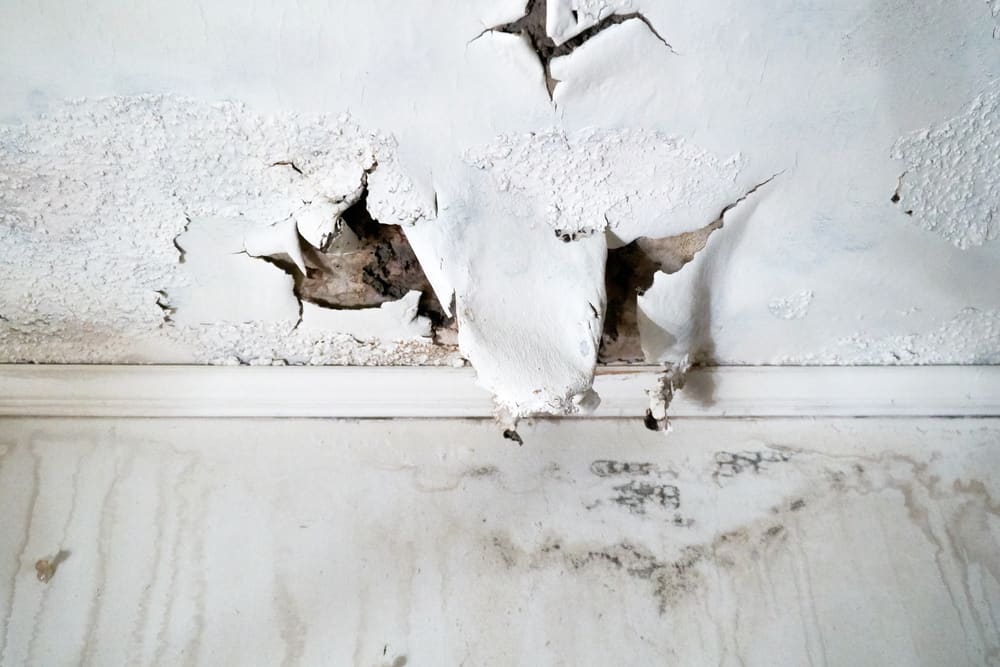
Water damage doesn’t stay where you can see it. It moves into wall cavities, under subfloors, behind baseboards and if it isn’t pulled out completely within 24 to 48 hours, mold takes over. The EPA has documented this timeline, and it’s exactly why the speed and thoroughness of the response matters more than almost anything else.
For Huntington homeowners, the stakes are real. The town recorded nearly five inches of rain in a single overnight event in August 2024 producing flooded basements across the township, sinkholes, road closures, and enough volume that the Town Supervisor issued an emergency waiver allowing residents to pump water directly into the street. That’s not a freak occurrence anymore. It’s a pattern.
The homes in Huntington Station, Dix Hills, and South Huntington many of them built in the 1960s and 1970s weren’t designed for this kind of stress on their drainage systems. When the job is done right, you’re not just getting dry floors. You’re protecting a home that, in this market, is likely worth $700,000 or more. You’re preventing a mold disclosure that could complicate a future sale. You’re avoiding the structural damage that comes from moisture sitting in places no one thought to check.
That’s the actual outcome not just cleanup, but protection of the asset you’ve spent years building equity in.
Trusted Water Damage Repair in Huntington, NY
We’ve been serving Suffolk County homeowners for nearly three decades. That means our team has worked through every kind of water damage scenario Huntington produces, from Sound surge flooding harbor communities in Northport and Centerport to sump pump failures in the wooded neighborhoods of Dix Hills and West Hills during spring thaw.
We’re based in West Babylon and carry a dedicated 631 area code a Suffolk County team, not a national franchise dispatching crews from out of state. Our technicians are fully IICRC-certified, and we’re licensed, bonded, and insured to perform restoration and mold remediation work in New York State and under Suffolk County’s home improvement licensing requirements.
What that means for you practically: the work follows documented, insurance-accepted protocols, the paperwork gets handled directly with your insurer, and the team that shows up knows the difference between a Category 1 burst pipe situation and the kind of contaminated water that can come in from a flooded harbor. That distinction matters both for your health and for how your claim gets processed.
Emergency Water Removal Process in Huntington, NY
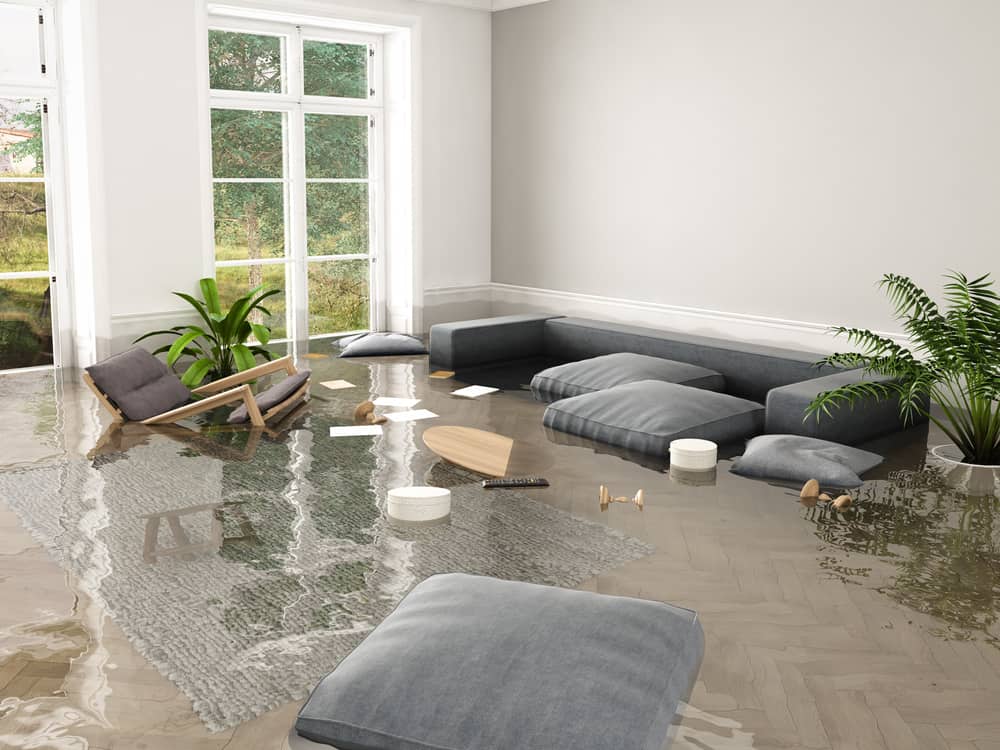
The first step is getting someone to your Huntington property fast. When you call, we assess the situation and mobilize because in a water damage scenario, the clock is already running. Whether it’s a burst pipe in a Huntington Station split-level at 11 p.m. or storm surge that pushed water into a Northport harbor home overnight, our response is the same: immediate.
Once on-site, our first priority is stopping any ongoing water source and extracting standing water using industrial-grade equipment. This isn’t a shop vac situation it’s truck-mounted extraction that can pull hundreds of gallons quickly. After extraction, we use moisture meters and thermal imaging to map exactly where water has traveled inside walls, under floors, into structural cavities. This step is what separates a thorough job from one that looks fine on the surface but leaves hidden moisture that becomes a mold problem six weeks later.
From there, industrial air movers and dehumidifiers run continuously typically for three to five days until moisture readings confirm the structure is dry. Throughout the process, everything is documented for your insurance claim: photos, moisture logs, written scope. If your home is in one of Huntington’s incorporated villages like Northport or Huntington Bay, we’re familiar with the separate building department jurisdictions that apply when structural repairs require permits. Once drying is complete, reconstruction and repairs follow all under one roof, one company, one point of contact.

Ready to get started?
Residential Water Damage Services in Huntington, NY
Water damage restoration in Huntington isn’t a one-size situation. A flooded basement in Huntington Station after a heavy rain event looks different from storm surge damage in a Northport harbor home, which looks different again from a burst pipe in a Cold Spring Harbor Colonial with original plaster walls and a 1950s-era drainage system. The work has to match the actual problem and that requires a team with enough experience to read the situation correctly from the start.
We handle water extraction and emergency water removal, structural drying and dehumidification, mold remediation and prevention, fire and smoke damage restoration, board-up service for storm-damaged structures, and reconstruction through to completion. For homeowners dealing with sewage backup which can happen in older Huntington Station infrastructure during heavy storm events the contamination protocol is entirely different from clean water damage, and we’re trained and equipped to handle it safely.
For Huntington homeowners with properties in FEMA-designated flood zones, documentation is especially important. Damage that exceeds 50% of a home’s market value triggers Substantial Damage rules under FEMA guidelines, which can affect what’s required before reconstruction begins. We work with homeowners through that process, not just the cleanup side of it. The goal is a complete resolution not a job that closes a ticket but leaves you with questions six months later.

Does homeowners insurance cover basement flooding after a storm in Huntington, NY?
This is one of the most common questions and the answer depends on what caused the flooding. Standard homeowners insurance typically covers sudden, accidental water damage from internal sources, like a burst pipe or a water heater that fails. What it does not cover is flooding meaning water that enters your home from outside, whether that’s storm surge from Huntington Bay, groundwater pushing up through your foundation, or surface water coming in through a window well during a heavy rain event.
For that kind of coverage, you’d need a separate flood insurance policy through the National Flood Insurance Program or a private carrier. Given that portions of the Town of Huntington fall within FEMA-designated flood zones particularly the harbor communities along the Sound shore this is worth knowing before a storm, not after. If you’re unsure what your policy covers, call your insurer and ask specifically about water damage versus flood damage. We work directly with insurance companies and can help document the damage in a way that supports your claim, whatever the source.
How fast does mold start growing after a flooded basement in Huntington?
Faster than most people expect. Mold spores can begin germinating within 24 hours under the right conditions warm temperature, moisture, and an organic surface like drywall, wood framing, or carpet backing. Visible growth typically appears within 48 to 72 hours, but the problem starts well before you can see it.
In Huntington, this timeline is especially relevant after the kind of heavy overnight rain events the town has been seeing. The August 2024 storm that dropped nearly five inches in a single night left a lot of basements wet by morning and homeowners who waited a day or two to figure out next steps were already behind the curve on mold prevention. Professional drying equipment runs continuously and pulls moisture from inside wall cavities and subfloor systems where consumer fans simply can’t reach. Getting that equipment in place within the first 24 hours is the single most effective thing you can do to prevent a water damage event from becoming a mold remediation project on top of it.
What's the difference between water damage categories, and why does it matter for my claim?
The IICRC the industry’s governing certification body classifies water damage into three categories based on contamination level. Category 1 is clean water from a supply line, like a burst pipe or appliance overflow. Category 2 is gray water, which includes washing machine discharge or toilet overflow without solid waste it’s not immediately hazardous but requires more careful handling. Category 3 is black water, which includes sewage backup, floodwater from outside, and groundwater it’s considered highly contaminated and requires a different remediation protocol entirely.
This matters for your insurance claim because the category affects the scope of work, the cost, and what documentation your insurer expects. It also affects health decisions Category 3 damage in a finished basement means the space shouldn’t be used until remediation is complete. For homeowners in older Huntington Station neighborhoods where municipal sewer laterals can back up during peak storm events, understanding that a sewage backup is a Category 3 situation not just a messy cleanup is important. Our IICRC-certified technicians classify the damage correctly from the start, which protects both the claim outcome and your family’s health.
How long does water damage restoration take for a typical Huntington home?
For most residential water damage situations a burst pipe, a sump pump failure, a flooded basement after heavy rain the drying phase takes three to five days with professional equipment running continuously. Water extraction itself typically takes one to three days depending on the volume. After drying is confirmed with moisture meters, the reconstruction phase begins, and for a typical basement flood affecting a couple of rooms, the full project from initial dry-out through final repairs runs about three weeks.
More significant damage storm surge flooding in a Northport harbor home, for example, or a tree impact through the roof of a Dix Hills Colonial that allowed water to spread through multiple rooms can take longer, particularly if structural repairs are involved or if permits are required. In Huntington’s incorporated villages like Northport or Huntington Bay, permits go through the village’s own building department rather than the town’s, which can add some time to the reconstruction phase. We manage that process and keep you informed at each stage so there are no surprises about where things stand.
My basement dried out on its own after the storm do I still need a professional inspection?
Yes and this is one of the most common mistakes homeowners make after a flooding event. What you can see and feel on the surface doesn’t tell you what’s happening inside the wall cavities, under the flooring, or in the insulation behind your drywall. Consumer-grade fans move air across surfaces but don’t extract moisture from structural materials. If water wicked into your framing, subfloor, or basement walls before it evaporated, that moisture is still there and it’s enough to support mold growth.
This is especially relevant for Huntington’s older housing stock. A 1960s split-level in Huntington Station or a 1970s Colonial in Greenlawn often has wall construction and insulation configurations that trap moisture in ways that aren’t visible for weeks. By the time you notice a musty smell or see discoloration on drywall, the mold is already established. A professional moisture assessment uses thermal imaging and calibrated meters to find what you can’t see and if the readings come back clean, you have documented confirmation that the structure is actually dry. That’s worth knowing either way.
Can a burst pipe in a Huntington home cause mold even if I cleaned up the water quickly?
It can, and it happens more often than homeowners realize. The speed of cleanup matters, but so does the completeness of it. A burst pipe especially in an older Huntington home where supply lines may run through uninsulated exterior walls or inside cabinet cavities can release a significant volume of water before the break is even noticed. That water spreads fast, and it follows the path of least resistance: under flooring, into wall cavities, along joists.
Even if you mopped up standing water within an hour, the moisture that absorbed into drywall, wood framing, and insulation doesn’t evaporate on its own at a rate that prevents mold. Professional structural drying uses industrial dehumidifiers and air movers calibrated to pull moisture out of building materials not just the air in the room. For homes in Cold Spring Harbor or Huntington Village with older plaster walls or original wood framing, this is especially important because those materials are more porous and hold moisture longer than modern construction. A professional assessment after any pipe burst even one that seemed minor is the only way to confirm the structure is actually dry.
Useful Links
Other Services we provide in Huntington