
Water Damage Restoration in Lake Success, NY
When a $2M Home Floods, You Can't Afford Guesswork
Hear from Our Customers

Flood Restoration Lake Success, NY
When water damage is handled correctly, you get more than a dry floor. You get documented proof that the moisture is gone from inside the walls, under the subfloor, behind the baseboards not just from the places you can see. That matters everywhere, but it matters especially in Lake Success, where a finished basement with custom millwork or a home theater isn’t a nice-to-have. It’s a significant part of your property’s value.
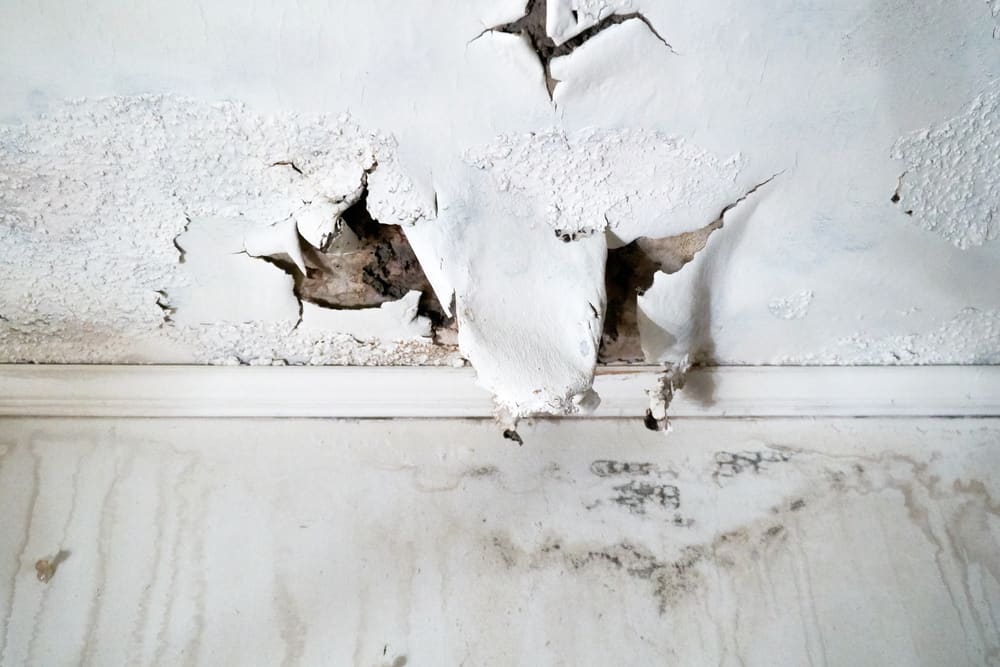
The village’s median home was built in 1957. That kind of housing stock post-war colonials, expanded ranches, cast-iron drain lines that are now pushing 70 years old responds to water intrusion in ways that newer construction simply doesn’t. Hidden moisture in aging walls doesn’t announce itself. It quietly feeds mold for weeks before you notice anything, and by then the remediation scope has grown considerably.
What you should walk away with after a proper restoration is certainty. Moisture readings that confirm the structure is dry. A clear record of what was found, what was done, and how it was documented which matters directly to your insurance adjuster. And a home that isn’t going to develop a mold problem six months from now because someone dried the surface and called it done.
Residential Water Damage Repair Nassau County
First Response Restoration & Cleaning has been restoring Long Island homes since the early 1990s. That’s not a franchise talking point it’s nearly three decades of working in the exact type of homes that make up Lake Success: postwar colonials, split-levels, and expanded ranches with aging plumbing, finished basements, and the kind of interior investment that makes water damage genuinely costly.
We are IICRC-certified, licensed, bonded, and insured. Every technician follows the documented protocols that insurance companies recognize and adjusters expect which is especially important when a claim involves a high-value North Hempstead property where the numbers are well above the Long Island average.
We maintain a dedicated Nassau County line (516-698-1776) because Lake Success and the North Shore aren’t an afterthought here. This is our territory, and the team that picks up is the team that shows up.
Burst Pipe Water Damage Restoration Lake Success
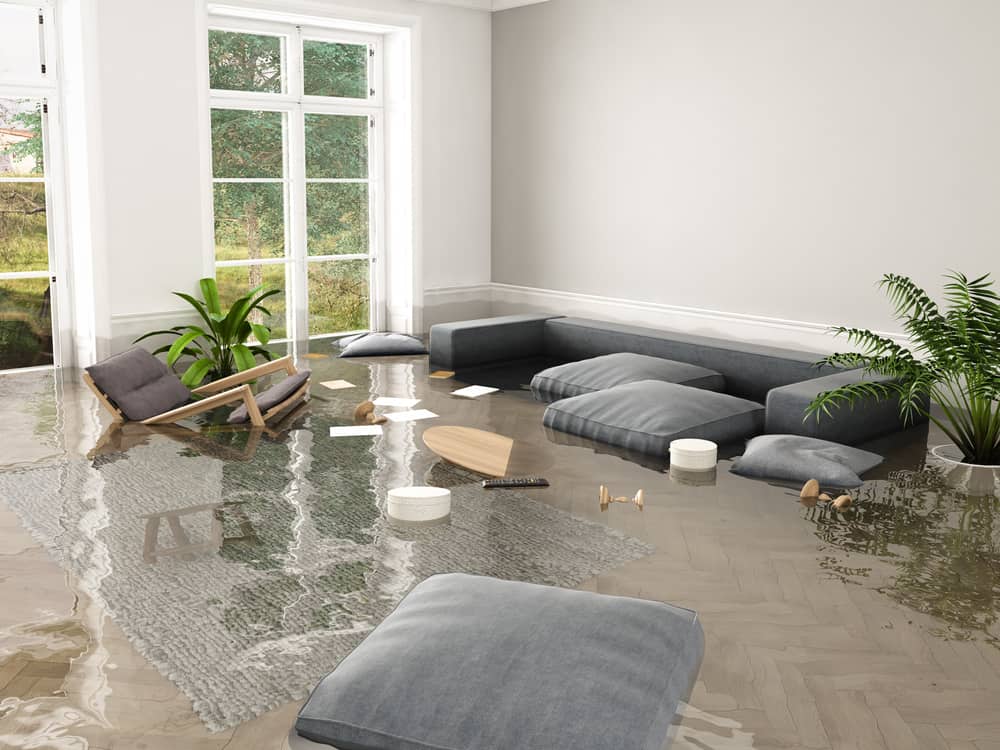
The first call triggers an emergency response 24 hours a day, seven days a week. When a pipe bursts in a Lake Success colonial at 2 AM or a sewer backs up into a finished basement on a Tuesday afternoon, waiting until morning isn’t an option. The EPA is clear that mold can begin developing within 24 to 48 hours of a water event, and in a home with the kind of finished spaces common in this village, that window is not theoretical.
Once on site, our first priority is stopping any active water source and assessing the full scope of the damage using industrial moisture meters and thermal imaging. This step matters more than most homeowners realize. What looks like a localized floor issue is often moisture that has wicked into wall cavities, insulation, and structural framing especially in a 1957 home where the building materials absorb and hold water differently than modern construction. The assessment also produces the documentation your insurance adjuster will need.
From there, water extraction and structural drying begin. We run industrial air movers and dehumidifiers until moisture readings confirm the structure has reached safe levels not until it looks dry. All work in Lake Success is coordinated with the village’s permit requirements; any reconstruction phase is scheduled within the village’s Monday–Friday, 8 AM to 5 PM construction window. When the job is complete, you get a full account of what was found, what was done, and what was repaired.
Ready to get started?
Flooded Basement Cleanup Lake Success, NY
The Village of Lake Success’s own public works department has issued standing warnings to residents about sewer backups into homes significant enough to appear on the village’s official website, with a DPW contact number and a note that basement plumbing below grade is vulnerable. When sewage enters a basement, that’s not a cleanup situation. Under IICRC S500 standards, it’s a Category 3 black water contamination event requiring full personal protective equipment, antimicrobial treatment, and a remediation protocol that goes well beyond extraction and drying. We handle Category 3 events completely, from initial containment through structural drying and air quality treatment.
Beyond sewer backups, our full scope of services covers water removal and basement water extraction, structural drying, mold inspection and remediation, storm damage restoration, and complete reconstruction when structural materials need to be replaced. For Lake Success homeowners dealing with burst pipe water damage a real risk in aging homes during Nassau County’s winter freeze cycles the process includes locating the source, extracting standing water, mapping hidden moisture, and drying the structure to confirmed safe levels.
We also hold NYS Article 32 mold remediation licensing, which is required by New York State for any mold remediation project affecting 10 square feet or more. In a village where aging housing stock and a documented sewer backup history create genuine mold exposure risk, that licensing isn’t a formality it’s a legal and practical requirement that protects you and the work.

Does the Village of Lake Success have specific rules that affect water damage restoration work?
Yes, and it’s worth knowing before work begins. The Village of Lake Success Building Department requires permits for all plumbing and structural construction work. Beyond that, the village enforces a strict construction schedule: work is only permitted Monday through Friday, 8:00 AM to 5:00 PM. No weekend construction is allowed.
In practical terms, this affects the reconstruction phase of a restoration project the portion where damaged drywall, flooring, or structural materials are replaced. Emergency water extraction and the operation of drying equipment are generally not subject to the same restrictions, which means the critical first response can happen around the clock. But any rebuilding work needs to be planned within the village’s permitted hours. We coordinate all permit requirements and scheduling with the village’s building department, so you’re not left managing that process on your own during an already stressful situation.
My basement flooded in Lake Success will my homeowners insurance cover it?
It depends on the source of the water, and that distinction matters more than most people realize. Standard homeowners insurance typically covers sudden, accidental water damage from internal sources a burst pipe, a washing machine overflow, a water heater failure. These are the types of events that happen without warning and aren’t the result of deferred maintenance. If your basement flooded because a pipe froze and burst during a Nassau County cold snap, that’s generally a covered event.
What standard homeowners insurance does not cover is flooding from external sources groundwater, storm surge, or overland water entering the home. For that, you’d need a separate flood insurance policy through the National Flood Insurance Program or a private carrier. There’s also an important distinction around maintenance: if an adjuster determines that a slow leak went unaddressed for an extended period, the claim may be denied on neglect grounds.
This is exactly why documentation matters from the first hour. We work directly with your insurance company, handle the documentation, and communicate with your adjuster throughout the process. In a Lake Success home where the claim value can run well above the national average, having that coordination handled by an experienced team makes a real difference in how the claim resolves.
How quickly does mold actually develop after water damage in an older home?
Faster than most people expect. The EPA states that mold can begin developing within 24 to 48 hours of a water event under the right conditions and in a home built in the 1950s or 1960s, those conditions are often already present. Older building materials like wood framing, plaster, and older drywall formulations are more porous than modern materials, which means they absorb and hold moisture more readily. Mold spores don’t need much to get started, and once they do, visible growth typically appears within 48 to 72 hours.
The more dangerous scenario in a Lake Success home is hidden moisture water that has wicked into wall cavities, under hardwood floors, or behind tile work and isn’t visible from the surface. A basement that looks dry after a cleanup isn’t necessarily dry inside the structure. That concealed moisture is where mold colonies establish themselves weeks before you see or smell anything. Professional moisture mapping with industrial meters and thermal imaging is the only reliable way to confirm that the structure is actually dry not just dry on the surface.
What is Category 3 water damage, and why does it matter for a sewer backup in my Lake Success home?
Under the IICRC S500 standard the industry benchmark for professional water damage restoration water is classified into three categories based on contamination level. Category 1 is clean water from a supply line or appliance. Category 2 is gray water, which carries some contamination. Category 3 is black water: sewage, floodwater, or any water that has come into contact with waste. It is the most contaminated classification and requires a completely different response protocol.
The Village of Lake Success’s public works department has documented sewer backups into residents’ homes as an ongoing issue significant enough to appear on the village’s official website. When sewage enters a basement, everything it contacts is considered contaminated: flooring, drywall, framing, personal property, and air. The remediation process requires full personal protective equipment, containment of the affected area, removal of contaminated porous materials, antimicrobial treatment of all surfaces, and air quality treatment before the space is considered safe. This is not a job for a shop vac and a fan. Our IICRC-certified technicians are trained specifically in Category 3 remediation protocols and hold the NYS Article 32 mold remediation license required for this type of work in New York State.
How long does water damage restoration take for a Lake Success home?
The honest answer is that it varies based on how much water entered, how long it sat, what materials were affected, and whether mold has already started. For a straightforward burst pipe event caught quickly water extraction and structural drying with no mold involvement the drying phase alone typically takes three to five days using industrial equipment. A more involved event, like a sewer backup into a finished basement with custom flooring and built-in cabinetry, can extend the process to several weeks once you account for material removal, remediation, and reconstruction.
One factor specific to Lake Success is the village’s construction schedule restriction. Reconstruction work replacing drywall, flooring, or structural materials can only be performed Monday through Friday between 8:00 AM and 5:00 PM. This doesn’t affect emergency response or the drying phase, but it does affect how quickly the rebuild portion of the project can be completed. We’ll give you a realistic timeline during the initial assessment, broken down by phase, so you know what to expect at each stage and can plan accordingly.
Why should I call a restoration company before calling my insurance company?
Calling a restoration company first is actually the smarter sequence, and here’s why. The moment water damage occurs, the clock starts on mold growth, on structural absorption, on the condition of your property. Getting a certified team on site quickly means the damage is documented in its actual state, before anything dries out, shifts, or gets cleaned up in ways that can complicate your claim later. A professional assessment creates the scope-of-loss record that your adjuster needs to evaluate the claim accurately.
If you call your insurance company first and wait for an adjuster to be scheduled, you may be looking at 24 to 48 hours or more before anyone assesses the damage during which mold can begin developing and materials continue to absorb moisture. In a Lake Success home where the affected spaces may include finished basement areas, hardwood floors, or custom materials with significant replacement value, that delay has real financial consequences.
We work directly with your insurance company once you’ve made contact with them handling documentation, direct billing, and adjuster communication throughout the process. You don’t have to manage that back-and-forth on your own. The goal is to make sure the claim reflects the full, accurate scope of what happened, which protects your payout and gets the home restored correctly.
Useful Links
Other Services we provide in Lake Success