
Water Damage Restoration in Lakeview, NY
When Hempstead Lake's Water Table Finds Your Basement
Hear from Our Customers

Flood Restoration Lakeview, NY
When water gets into your Lakeview home whether it’s a burst pipe in a 1940s-era Cape Cod or groundwater pushing through a foundation wall after heavy rain the goal isn’t just to clean up what you can see. It’s to make sure nothing is hiding behind your walls or under your floors that turns into a mold problem six weeks from now. That’s what professional water damage restoration actually means.
Lakeview’s housing stock was built primarily in the 1940s through 1960s, and those homes were not designed for the drainage pressure that exists today. The Southern State Parkway runs along the northern edge of the hamlet and channels significant stormwater runoff directly toward the residential streets below it. Add the elevated water table from Hempstead Lake which sits right on Lakeview’s eastern boundary and keeps the surrounding soil saturated during wet seasons and you have a combination that makes basement water intrusion a recurring reality for many homeowners here, not a freak occurrence.
What you get when the job is done right is a home that’s genuinely dry not surface-dry, but structurally dry. Moisture mapped, extracted, and documented. You also get a clear record of what was done, which matters enormously when your insurance company is involved. Knowing the claim is handled correctly and the damage is fully remediated is what actually lets you move on.
Residential Water Damage Repair Lakeview, NY
We’ve been serving Long Island homeowners for nearly three decades. That means the technicians who show up at your door have worked inside hundreds of homes just like yours the same post-war Cape Cods, split-levels, and ranch homes that fill Lakeview’s residential blocks. We know how water moves through original plaster walls, how it wicks into hardwood subfloors that were never meant to get wet, and what it takes to dry a 1940s foundation properly.
We’re based in West Babylon and maintain dedicated Nassau County coverage, so when you call the 516 number, you’re reaching a local team not a national dispatch center routing a crew from three counties away. We’re IICRC-certified, licensed, bonded, and insured, and we work directly with your insurance company on documentation and billing. For Lakeview homeowners navigating a restoration claim, that direct coordination removes one of the most stressful parts of the entire process.
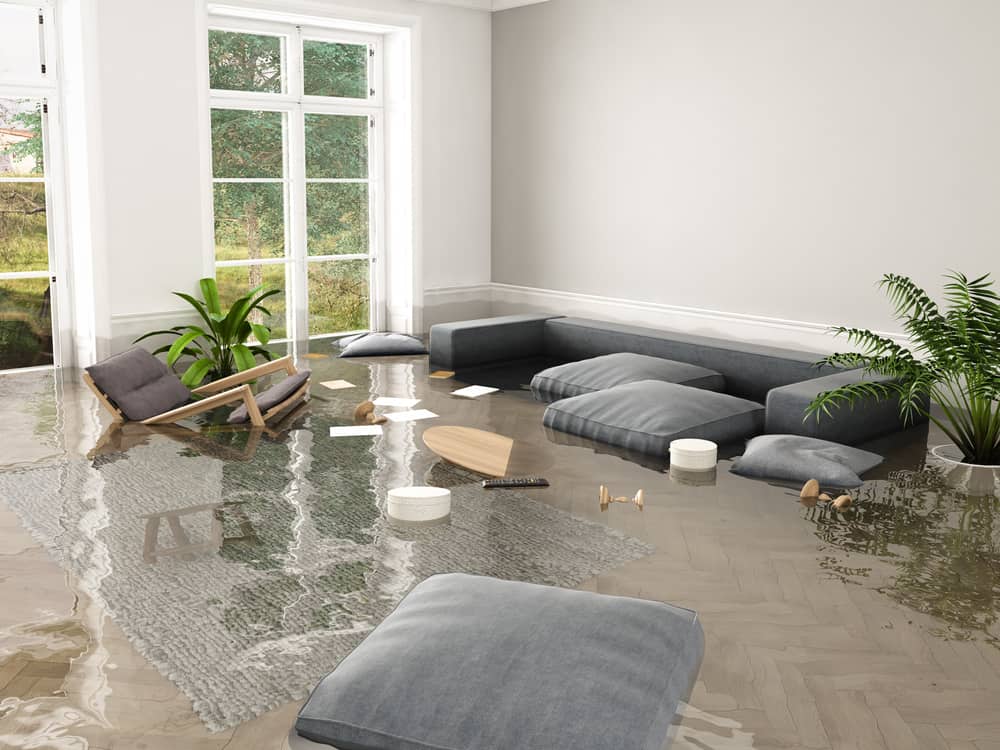
24/7 Water Damage Restoration Lakeview, NY
The first call triggers an immediate response. Because water damage is time-sensitive the EPA is clear that mold can begin developing within 24 to 48 hours of water exposure getting a certified team on-site quickly is the single most important factor in how the restoration turns out. We operate around the clock, which matters in a commuter community like Lakeview where the average resident spends nearly 50 minutes each way getting to and from work. You may not discover the flooding until you walk in the door at 7 PM. That’s not too late to call.
Once on-site, we start with a full moisture assessment not just what’s visible, but what’s inside your walls, under your floors, and in the structural cavities that a shop vac and a box fan will never reach. Industrial-grade extraction equipment removes standing water first. Then the drying phase begins, using commercial dehumidifiers and air movers calibrated to the specific conditions of your home. In Lakeview, where homes often have original plaster walls and older subfloor construction, this phase requires more precision than a newer build the materials absorb and hold moisture differently.
Throughout the process, everything is documented for your insurance claim. If reconstruction is needed drywall, flooring, structural repairs we handle that work too, so you’re not coordinating multiple contractors while your home is still mid-restoration. The Town of Hempstead requires permits for structural reconstruction work, and we navigate that process as part of the job.
Ready to get started?
Basement Water Extraction Lakeview, NY
Water damage restoration isn’t a single service it’s a sequence of connected steps, and skipping any one of them is how you end up with a mold problem three months later. We handle the full scope: emergency water extraction, structural drying and dehumidification, moisture mapping, mold prevention treatment, and complete reconstruction when the damage requires it.
For Lakeview homeowners specifically, the most common scenarios involve groundwater intrusion through aging foundation walls particularly in homes along the western edge of Hempstead Lake State Park burst pipes in older plumbing systems that have reached or exceeded their service life, and storm-related flooding during nor’easters or heavy summer thunderstorms when the drainage infrastructure between the Southern State Parkway and the residential streets below it gets overwhelmed. Each of these scenarios requires a different approach, and we assess your specific situation before any work begins.
Flood damage restoration, storm damage restoration, and burst pipe water damage are all within scope. So is sewage backup cleanup, mold remediation following water intrusion, and fire and smoke damage restoration if your situation involves multiple damage types. The free on-site assessment is where the scope gets defined what needs to be done, in what order, and what the insurance implications are. No guesswork, no surprises after the fact.

Why does my Lakeview basement keep flooding even without a major storm?
The most likely explanation is the water table. Lakeview sits directly adjacent to Hempstead Lake, and that proximity keeps the groundwater level elevated throughout the hamlet particularly during wet seasons, spring snowmelt, and periods of sustained rainfall. When the water table rises, it pushes against basement foundation walls and slab edges, seeping through expansion joints, cracks, and porous concrete in ways that have nothing to do with a burst pipe or a roof leak. It’s not dramatic it often looks like dampness along the base of the wall or a wet floor after rain but it’s an active moisture intrusion event.
The problem with groundwater seepage is that it’s chronic and cumulative. Each wet season adds more moisture to the same walls and floors, and over time that creates the conditions mold needs to establish itself. A professional moisture assessment can tell you exactly where the intrusion is occurring in your Lakeview home, how far the moisture has spread into your structure, and what remediation and waterproofing steps make sense for your specific house. That assessment is where you start not with a dehumidifier from the hardware store.
Does homeowners insurance cover water damage from a burst pipe in Nassau County?
Standard homeowners insurance in New York typically does cover sudden, accidental water damage from internal sources a burst pipe, a failed water heater, a washing machine overflow. The key word is “sudden.” If the damage happened because a pipe froze and burst during a cold snap, or because a supply line failed without warning, that’s generally a covered event. What insurers routinely deny are claims tied to gradual damage a slow leak under a sink that went unaddressed for months, or recurring moisture intrusion that was never professionally remediated.
For Lakeview homeowners, the distinction matters because a lot of the water damage in this area comes from aging plumbing systems in homes built in the 1940s and 1950s. Galvanized pipes in older kitchen and bathroom additions are at or past their expected service life, and when they fail, they fail suddenly. That’s typically a covered scenario. What helps your claim is having proper documentation from an IICRC-certified restoration company the kind of documentation that shows the damage was sudden, the response was prompt, and the remediation followed industry-standard protocols. That documentation is part of what we provide on every job.
How quickly can mold develop after a basement flood in my home?
The EPA’s guidance is 24 to 48 hours that’s the window between water exposure and the conditions under which mold begins to develop. Mold spores are already present in the air in virtually every home. What they need to activate is moisture and a surface to land on. In a flooded basement, they have both immediately. Visible mold growth typically appears within 48 to 72 hours, but microscopic growth can begin earlier than that before you can see anything wrong.
In a Lakeview home with 1940s-era construction, the timeline is compressed further because the materials involved original plaster, older wood framing, hardwood subfloors absorb and retain moisture more readily than modern building materials. Water that appears to be “mostly cleaned up” after a flood event can still be actively feeding mold growth inside your walls for weeks. This is the core reason why professional drying with commercial-grade equipment matters: it removes moisture from inside the structure, not just from the surface. Consumer fans and wet-vacs do not reach the places where mold actually starts.
What should I do immediately after discovering water damage in my home?
Stop the source if you can shut off the water supply valve if it’s a burst pipe, or stop using any fixtures connected to a backed-up drain. Then get out of any standing water if there’s any possibility it has contacted sewage or electrical systems. After that, your next call should be to a restoration company, not your insurance company. This surprises a lot of people, but calling the restoration team first means the damage gets documented properly before an adjuster sees it and that documentation strengthens your claim significantly.
While you’re waiting for the team to arrive, don’t run fans or a household dehumidifier and assume you’re getting ahead of the problem. Those tools move surface air but don’t extract moisture from inside walls, under flooring, or in structural cavities. If you have valuables, important documents, or electronics in the affected area, move them to a dry location. Take photos of everything visible before any cleanup begins your own photos are useful supplementary documentation even when the restoration company is handling the official assessment. The faster you make that first call, the better the outcome every hour matters when mold has a 24 to 48 hour clock.
How long does water damage restoration typically take for a Lakeview home?
The honest answer is that it depends on the scope, but there are useful benchmarks. For a contained event a burst pipe that affected one room, caught within a few hours the drying phase alone typically takes three to five days with professional equipment. Full restoration including any necessary repairs can wrap up within one to two weeks. For a more extensive basement flood that has saturated walls, flooring, and structural framing, the process runs longer three weeks is a reasonable average for a job that requires full drying, mold prevention treatment, and reconstruction.
In Lakeview specifically, the age of the housing stock adds a variable. Homes built in the 1940s and 1950s have original materials that absorb moisture more deeply and dry more slowly than modern construction. A technician using moisture meters in the walls of a 1940s Cape Cod may find moisture levels that require extended drying time even after the visible water is gone. This isn’t a reason to panic it’s a reason to have a certified team doing the assessment rather than guessing. The drying phase is monitored and measured, and the job isn’t considered complete until the readings confirm the structure is genuinely dry, not just surface-dry.
Does First Response Restoration and Cleaning Inc. serve Lakeview and the surrounding West Hempstead area?
Yes Lakeview and the broader West Hempstead area fall within our Nassau County service territory. We maintain dedicated Nassau County coverage with a local 516 area code number, and the team dispatched to your home is a Long Island-based crew, not a franchise operation routing calls through a national center. For a compact hamlet like Lakeview, that proximity means faster response times which directly affects how the restoration turns out, given the 24 to 48 hour window before mold becomes a factor.
The surrounding communities West Hempstead, Malverne, Rockville Centre, and the broader Town of Hempstead are all within the same service area. If you’re in the 11552 zip code or anywhere in Nassau County’s South Shore communities, you’re covered. We’ve been working in Nassau County homes for nearly 30 years, which means the team showing up at your door has real, hands-on experience with the specific housing stock, drainage conditions, and seasonal water damage patterns that are particular to this part of Long Island.
Useful Links
Other Services we provide in Lakeview