
Water Damage Restoration in Levittown, NY
When Levittown's Original Plumbing Fails, We're Ready
Hear from Our Customers

Flood Restoration Services Levittown, NY
When water gets into a Levittown home, the clock starts immediately. Mold can begin forming within 24 to 48 hours of flooding, and in a slab-foundation or shallow-basement home the kind that makes up most of this community moisture doesn’t just sit on the floor. It wicks into drywall, travels under flooring, and settles into wall cavities where no fan or shop-vac can reach it. Getting the right team in fast is the difference between a contained water removal job and a months-long remediation project.
For Levittown homeowners specifically, that urgency is compounded by the community’s construction history. The original Cape Cod and Ranch homes built between 1947 and 1951 were set on concrete slabs with no vapor barriers beneath them. Pipes were embedded directly in that concrete. When those systems develop slow leaks and at 73 to 78 years old, many of them do the damage builds silently before it ever becomes visible.
A professional restoration response doesn’t just extract standing water. We map hidden moisture, document everything for your insurance claim, and dry the structure to a standard that actually holds up over time. What you’re left with after a proper restoration is a home that isn’t hiding a problem. No residual moisture behind the baseboards. No musty smell six weeks later. No mold showing up in a corner you didn’t know was wet.
With median home values in Levittown approaching $600,000, protecting that asset with a thorough, documented restoration isn’t optional it’s the smart call.
Residential Water Damage Repair Levittown, NY
First Response Restoration and Cleaning Inc. has been serving Nassau and Suffolk County homeowners for nearly three decades. That means our technicians have worked in homes just like yours, in Levittown and across Long Island, through nor’easters, pipe failures, sump pump collapses, and everything in between. We know what a 1950s Cape Cod looks like when water gets under the slab. We know what Nassau County insurance adjusters need to see in a claim file. That kind of experience doesn’t come from a franchise manual.
Based in West Babylon and serving all of Nassau County with a dedicated 516 number, we’re a real Long Island company not a national call center routing your emergency to whoever’s available. Our team is IICRC-certified, licensed, bonded, and insured. When you call, you’re reaching people who know the Southern State Parkway as well as you do, and who can be at your Levittown door without a two-hour dispatch window.
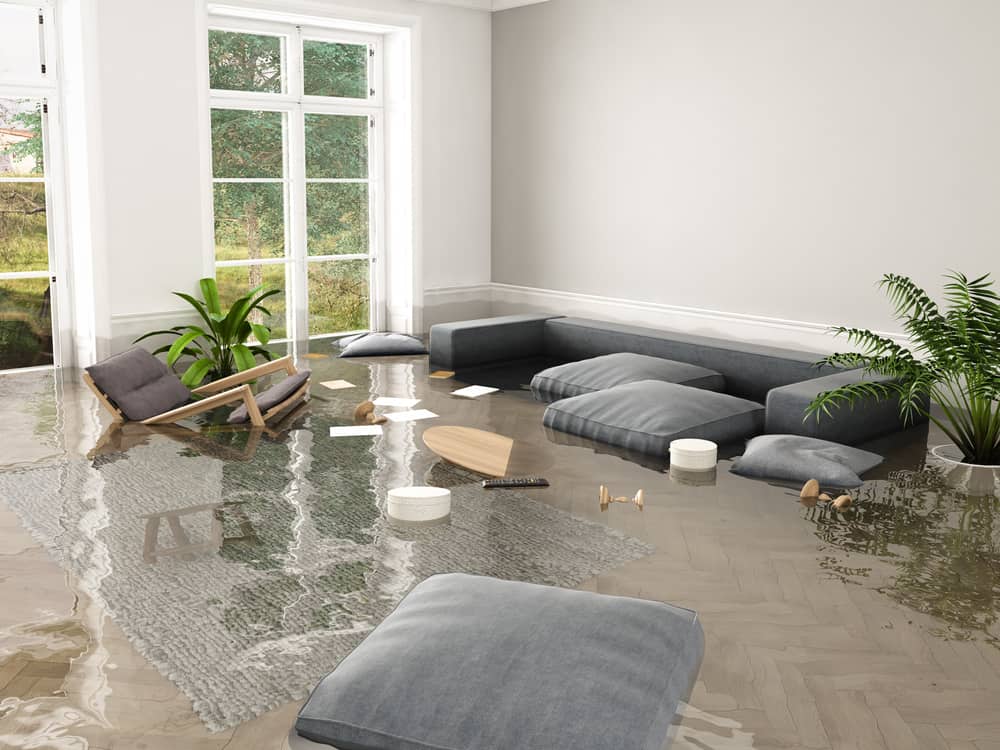
Emergency Water Removal Process Levittown, NY
When you reach out to First Response Restoration and Cleaning Inc., our first priority is getting someone to your home fast because in water damage situations, every hour matters. Once on site, we do a thorough assessment before anything else. That means moisture meters and thermal imaging to find water that isn’t visible, not just a visual walkthrough.
In Levittown homes with slab sections or shallow foundations, this step is especially important hidden moisture under concrete or behind original drywall can be missed entirely without the right equipment. After the assessment, water extraction begins using industrial-grade equipment that pulls moisture from surfaces, cavities, and structural materials that consumer-grade tools simply can’t reach.
Then comes the drying phase: air movers, commercial dehumidifiers, and antimicrobial treatment where needed. This phase typically runs three to five days depending on the extent of the damage, and we monitor moisture levels throughout to confirm the structure is genuinely dry not just surface dry. Throughout the process, we handle the documentation your insurance company needs.
In Nassau County, mold remediation projects affecting 10 square feet or more require a licensed mold assessor under New York State Labor Law Article 32, and the assessor must be separate from the remediator. If your damage reaches that threshold, we’ll walk you through what that means and how to handle it correctly, so your claim and your project both stay on solid footing.
Ready to get started?
Burst Pipe and Flood Restoration Levittown, NY
Water damage restoration in Levittown covers more ground than most homeowners expect when they make that first call. The full scope runs from emergency water extraction and structural drying through mold prevention, documentation, and reconstruction all under one roof, without you coordinating between multiple contractors. For a community where 92 percent of residents are homeowners with significant equity on the line, having one accountable company handle the entire process matters.
The specific services that come into play most often in Levittown reflect the community’s construction realities. Burst pipe water damage and slab leak response are frequent calls here, given the age of the original galvanized and copper plumbing in homes built before 1952. Sump pump failure and basement water extraction are equally common particularly after nor’easters and tropical storms that knock out power along the Southern State Parkway corridor at exactly the moment rainfall is heaviest.
Storm damage restoration following those events often involves not just the basement but water intrusion through the building envelope as well. For homes where mold has already taken hold or where a prior cleanup left hidden moisture behind we also handle full mold remediation in compliance with New York State’s Article 32 requirements. Every project includes moisture mapping, drying verification, and complete documentation.
If your homeowners insurance covers the damage, we work directly with your insurer to handle the billing and claim support so you’re not stuck in the middle trying to translate between an adjuster and a contractor.

Does homeowners insurance cover water damage from a burst pipe in Levittown?
In most cases, yes standard homeowners insurance covers sudden, accidental water damage from internal sources like a burst pipe, a failed water heater, or a washing machine overflow. The key word is sudden. If the damage happened quickly and wasn’t the result of long-term neglect or deferred maintenance, your policy will typically cover the restoration costs. The average water damage insurance claim runs between $11,000 and $14,000, so it’s worth understanding exactly what your policy includes before you assume you’re on your own.
Where it gets complicated is with slow leaks. If an adjuster determines that a pipe had been leaking gradually over months and the damage was a foreseeable result of neglect, the claim can be denied. This is especially relevant in Levittown, where galvanized supply pipes in homes built before 1952 can develop slow, hidden leaks inside concrete slabs damage that builds quietly before it becomes visible. Proper documentation from the moment the damage is discovered is critical. We handle that documentation process directly and work with your insurance company so you’re not navigating the claim alone.
How long does water damage restoration typically take for a Levittown home?
The honest answer is that it depends on how much water got in and where it went. For a straightforward sump pump failure in a finished basement, the extraction and drying phase typically runs three to five days, with the full restoration taking one to two weeks once repairs are factored in. For more extensive damage water that’s gotten into walls, under flooring, or into structural framing the timeline can stretch to three weeks or longer.
In Levittown specifically, slab-foundation homes add a layer of complexity that can affect the timeline. When moisture gets beneath a concrete slab or into the original construction’s embedded pipe channels, drying takes longer because you’re working against dense material with limited airflow. We use moisture meters throughout the drying phase to confirm when the structure has actually reached acceptable levels not just when it looks dry on the surface. Cutting the drying phase short to speed up repairs is one of the most common causes of mold problems appearing weeks after an apparent cleanup, and it’s not something we do.
My basement flooded after a power outage during a storm is that covered by insurance?
This is one of the most common questions in Levittown, and the answer depends on what caused the flooding. If your basement flooded because a sump pump failed during a power outage, coverage depends on whether your homeowners policy includes a sump pump failure or water backup endorsement. Standard homeowners policies typically do not cover sump pump failure on their own that rider has to be added separately. If you don’t have it, you may be paying out of pocket.
If the flooding came from groundwater or surface water entering the home directly storm surge, overland flooding, water coming through foundation walls that’s considered flood damage, and it requires a separate flood insurance policy through the National Flood Insurance Program. Standard homeowners insurance never covers flooding. This distinction matters in Levittown because the community’s flat outwash plain and water table sitting just six to twelve feet below grade means that heavy rain events can push water toward foundations from multiple directions at once. Knowing which type of water damage you have before you file a claim can save you a significant amount of time and frustration.
How do I know if I have hidden water damage in my Levittown slab-foundation home?
The signs aren’t always obvious, and that’s exactly what makes slab leaks and hidden moisture so problematic in Levittown’s original Cape Cod and Ranch homes. The most common indicators are a musty or earthy smell that doesn’t go away, unexplained increases in your water bill, warm or damp spots on the floor, and flooring that feels soft or slightly uneven. In some cases, homeowners notice mild efflorescence white mineral deposits on concrete surfaces near the base of walls, which indicates water has been moving through the material.
The challenge with Levittown’s original construction is that the copper radiant heating pipes were embedded directly in the concrete slab with no vapor barrier beneath. Even in homes that converted to other heating systems decades ago, those abandoned pipe channels still exist in the slab. When supply lines running through or beneath the foundation develop slow leaks, the water doesn’t pool it disperses into the ground and into the concrete, causing damage that builds for weeks or months before it becomes visible. If you’re noticing any of those warning signs, a professional moisture assessment with thermal imaging and moisture meters is the only way to know for certain what’s happening beneath your floors.
Can I stay in my home during water damage restoration in Levittown?
In most cases, yes particularly for contained water damage in one area of the home, like a basement or a single room. Our restoration equipment runs continuously during the drying phase, which means air movers and dehumidifiers operating around the clock, but most families stay in the home throughout the process without significant disruption. We’ll let you know upfront if conditions in the affected area create any air quality concerns that would make temporary relocation advisable.
Where it becomes more complicated is with Category 3 water damage sewage backup, floodwater, or groundwater that’s entered the home. That type of contamination involves pathogens that require more aggressive remediation protocols, and depending on the extent of the affected area, temporary relocation may be the safer choice for families with children. In Levittown, where roughly a third of households include children under 18, this is a conversation worth having early. We’ll give you a straight answer about what the conditions in your specific home require not a blanket policy that doesn’t account for what’s actually in front of us.
What should I do in the first hour after discovering water damage in my home?
The most important thing you can do in that first hour is stop the source if you can and call a restoration company immediately. If it’s a burst pipe, shut off the main water supply. If it’s a sump pump failure, check whether the pump can be manually reset or if a backup battery unit can be activated. Don’t wait to see how bad it gets the 24 to 48 hour window before mold begins forming is not a comfortable margin, and it goes fast.
While you’re waiting for our team to arrive, document everything you can see with your phone photos and video of standing water, affected materials, and any visible damage to walls, flooring, or belongings. This documentation supports your insurance claim and establishes the condition of the home at the time of discovery, which matters if there’s any dispute about the extent or cause of the damage. Don’t throw anything away yet, even if it looks unsalvageable your insurance adjuster may need to see it. And if the water involves anything other than a clean water source a backed-up drain, storm water, or anything with an odor keep people and pets out of the affected area until our team can assess the contamination level.
Useful Links
Other Services we provide in Levittown