
Water Damage Restoration in Manhasset, NY
When Water Hits a 90-Year-Old Colonial, Surface Fixes Don't Cut It
Hear from Our Customers

Flood Restoration Manhasset, NY
When water damage is handled correctly, you stop worrying about what’s hiding behind the walls. No second-guessing whether the moisture is truly gone. No discovering mold six months later in a dining room with original plaster ceilings you can’t replace. That’s what a complete restoration looks like not just dry on the surface, but dry all the way through, verified with equipment that actually measures what’s inside the structure.
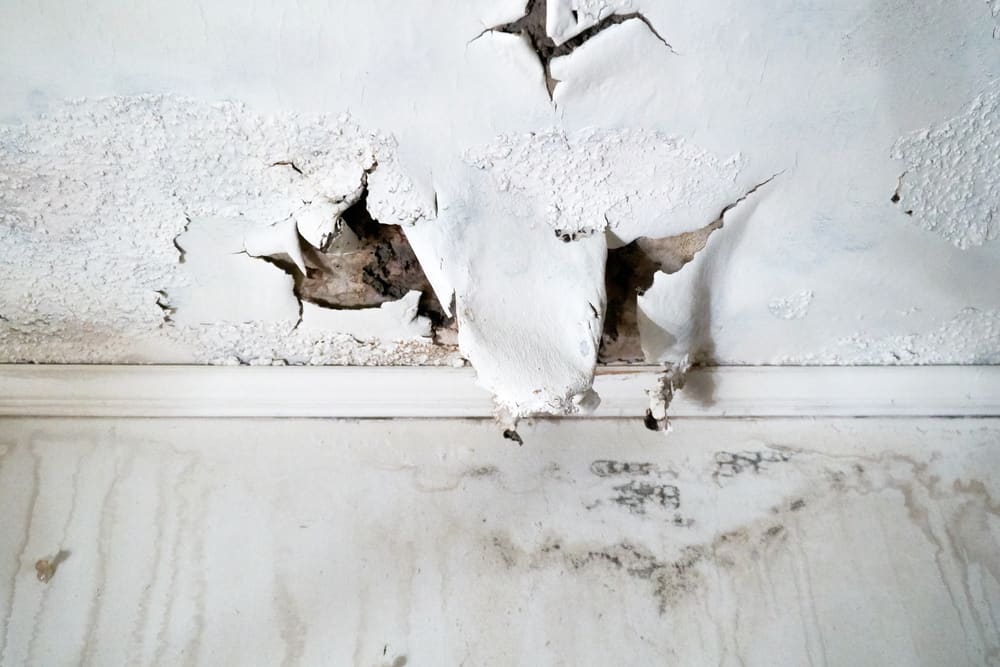
That matters more in Manhasset than almost anywhere else in Nassau County. The Colonial Revival and Tudor homes in Munsey Park and the surrounding villages were built in the 1920s and 1930s. Plaster walls absorb water slowly and silently, pulling moisture far from the source before any visible sign appears. Original wood subfloors trap it underneath. Masonry foundations in pre-war construction wick groundwater in ways that don’t announce themselves with puddles.
Getting it right the first time also means your insurance claim is handled cleanly. Proper documentation from an IICRC-certified team gives your adjuster exactly what they need. No gaps, no disputes, no denied claims because the scope wasn’t assessed to the right standard.
Residential Water Damage Repair Manhasset, NY
First Response Restoration and Cleaning Inc. has been serving Long Island homeowners for close to three decades. That means our technicians have worked inside hundreds of Manhasset homes, including the pre-war Colonials and Tudors that define Munsey Park, Plandome, and Plandome Heights. We know how plaster walls behave when they’ve absorbed water for 48 hours. We know where moisture hides in original cast iron drain systems. We’ve seen what happens when a nor’easter pushes Manhasset Bay water into lower-elevation properties near the water.
We’re IICRC-certified, licensed, bonded, and insured and we work directly with your insurance company so you’re not stuck managing that process on top of everything else. Our dedicated Manhasset team responds with local knowledge, not a national call center script. When you call, you reach people who actually know this area.
Basement Water Extraction Manhasset, NY
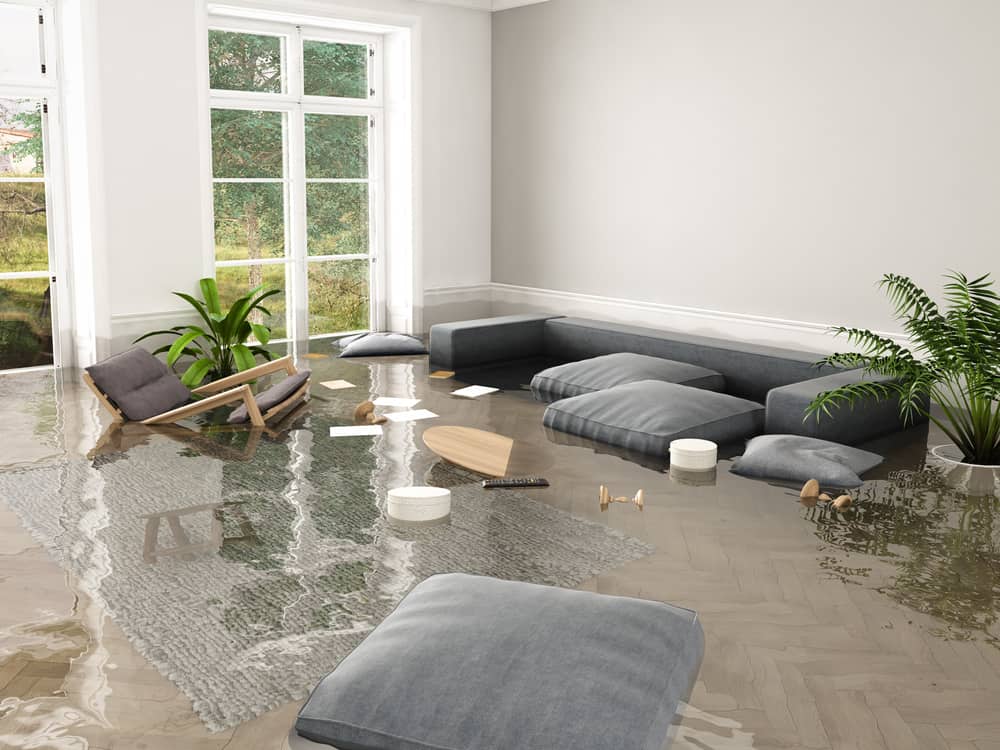
The process starts the moment you call. We ask a few quick questions to understand what you’re dealing with whether it’s a burst pipe in a Munsey Park Colonial, a flooded basement after a storm pushed water through an aging combined sewer connection, or a roof breach from a tree that came down on a windy night. Then we get someone there. Fast. Because the 24 to 48 hour window before mold begins to develop is real, and every hour counts.
On arrival, our first priority is stopping any active water source and assessing the full scope of the damage including what you can’t see. We use moisture meters and professional-grade detection equipment to map where water has traveled inside the structure. In Manhasset’s older homes, that often means checking inside plaster walls, beneath original hardwood floors, and along masonry foundation lines that can wick moisture well beyond the visible wet area.
Once the scope is clear, we move into extraction and structural drying using industrial dehumidifiers and air movers equipment that reaches moisture in places a box fan never could. We monitor the drying process with daily readings until the structure hits the right levels. From there, if reconstruction is needed whether that’s drywall, flooring, or anything structural we handle it. One company, start to finish.
We also coordinate directly with your insurance carrier throughout, so the documentation is accurate and the claim process moves forward without you having to chase it. Under New York State’s Article 32 mold law, if mold is present and remediation is required, a licensed assessor and remediator must handle that work separately we’ll walk you through exactly what that means for your specific situation.
Ready to get started?
Storm Damage Restoration Manhasset, NY
Manhasset’s storm damage profile is genuinely different from what happens in the inland Nassau suburbs or the South Shore flood towns. Water can come from two directions at once. During a nor’easter, Manhasset Bay tidal surge threatens lower-elevation properties near the water. At the same time, the mature tree canopy throughout Munsey Park, Plandome, and Plandome Heights produces above-average roof breach events during high-wind storms.
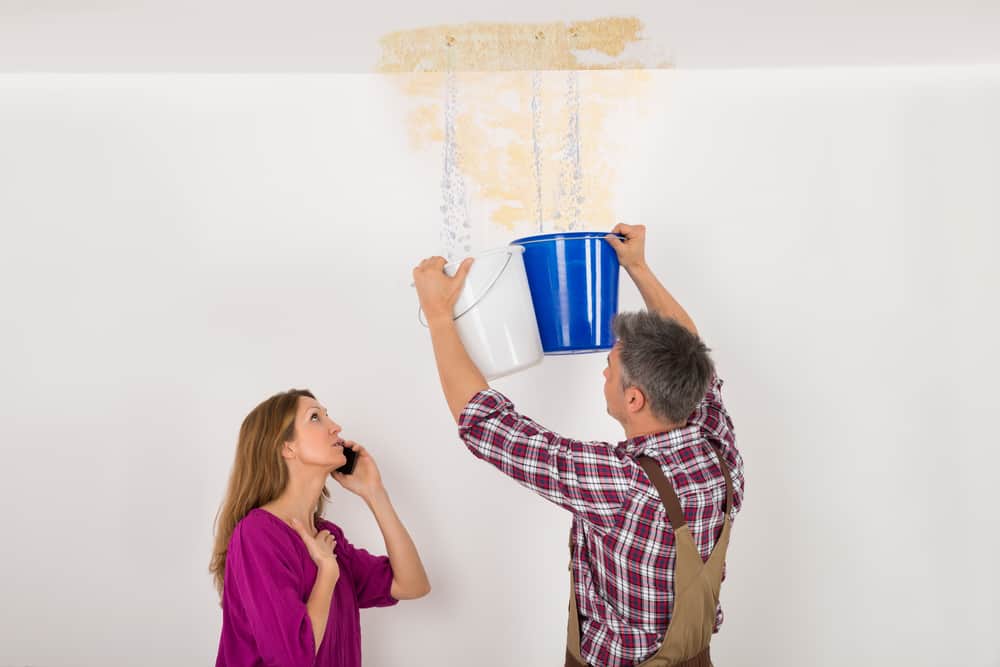
A large limb through a roof on a 1930s Colonial isn’t just a structural problem it’s an immediate water intrusion event that needs to be treated as such, not patched on the surface and monitored. We handle the full scope of what that damage requires: water extraction, structural drying, moisture mapping, mold prevention, and complete rebuild.
We also respond to the everyday causes of water damage that affect Manhasset’s pre-war housing stock year-round burst pipe water damage from frozen pipes in under-insulated walls, sump pump failures during spring snowmelt, and basement flooding from aging sewer connections that back up under heavy rain. Because Manhasset falls under Town of North Hempstead jurisdiction, structural repairs following water damage require permits through North Hempstead and we handle that coordination as part of the job.

Does homeowners insurance cover water damage in a Manhasset home?
It depends entirely on the source of the water and this is where a lot of Manhasset homeowners get caught off guard. Standard homeowners insurance covers sudden, accidental water damage from internal sources: a burst pipe, a washing machine that overflows, a water heater that fails. It does not cover flooding.
If Manhasset Bay surge during a nor’easter pushes water into your basement, that’s a flood event and without a separate flood insurance policy, your standard homeowners policy won’t pay for it. Here’s the additional wrinkle for Manhasset specifically: the hamlet is classified as FEMA Zone X, meaning it’s not in the 100-year flood plain and flood insurance isn’t mandatory. Many homeowners here don’t carry a separate flood policy because no lender required it. That creates a real coverage gap for storm-related water events that come from outside the home.
For water damage that originates inside the home pipes, appliances, roof breaches from storm debris you’re likely covered, but proper documentation is critical. An IICRC-certified assessment gives your adjuster the scope they need to process the claim correctly. We handle that documentation as part of every job.
How quickly does mold start growing after a basement floods in Manhasset?
The EPA is clear on this: water-damaged areas need to be dried within 24 to 48 hours to prevent mold growth. Mold spores can begin germinating within the first 24 hours under the right conditions, and visible growth typically appears between 48 and 72 hours.
In Manhasset’s older homes, that window matters even more than it does in newer construction. Plaster walls common throughout Munsey Park, Plandome, and Plandome Heights absorb moisture slowly and hold it longer than modern drywall. A flooded basement in a 1930s Colonial can have moisture traveling up through plaster walls well above the waterline, and it won’t be visible from the surface. By the time you see discoloration or smell something musty, the mold colony is already established.
That’s why the response window is so critical here, and why consumer-grade fans and a wet-vac aren’t enough. Industrial drying equipment and professional moisture mapping are what actually interrupt the mold timeline in a pre-war Manhasset home.
What causes burst pipe water damage in Manhasset homes during winter?
Manhasset’s pre-war housing stock is particularly vulnerable to frozen and burst pipes during Long Island’s winter freeze cycles. Homes built in the 1920s and 1930s which make up the majority of the housing in Munsey Park and the surrounding villages often have minimal or deteriorated pipe insulation in exterior walls, crawl spaces, and unheated areas of the basement.
When temperatures drop hard and stay there, water inside those pipes freezes and expands. The pipe cracks under the pressure. Then when temperatures rise, the frozen plug thaws and water starts flowing through the crack. The damage can be significant before anyone notices. A pipe inside a plaster wall can release water for hours before it reaches a visible surface.
Long Island experienced a notable freeze-thaw event in February 2026 that caused costly damage for homeowners across Nassau County and Manhasset’s older homes were among the most exposed. If you’ve had a hard freeze and your water pressure feels off, or you notice a soft spot in a wall or ceiling, don’t wait to find out. Getting a professional assessment done quickly is the difference between a contained repair and a full-scale restoration.
How long does water damage restoration typically take?
The honest answer is that it varies but you deserve a real range, not a non-answer. For a moderate water damage event, like a burst pipe affecting one or two rooms, the drying phase alone typically takes three to five days using professional equipment. Water extraction usually happens in the first one to three days. A general restoration project from initial dry-out through final repairs averages around two to three weeks total, though minor damage can be resolved faster and extensive flooding with structural involvement can take longer.
In Manhasset’s older homes, the timeline can run toward the longer end of that range not because the work is slower, but because pre-war construction requires more careful moisture mapping. Plaster walls and original wood subfloors don’t dry at the same rate as modern materials, and rushing the drying phase to hit an arbitrary timeline is how hidden moisture problems develop later. We monitor drying progress with daily readings and don’t move to reconstruction until the structure is verified dry.
What's the difference between flood damage and water damage for insurance purposes?
This distinction matters a lot, and it’s one that catches Manhasset homeowners off guard more often than it should. For insurance purposes, “water damage” refers to damage caused by water that originates inside the home a pipe that bursts, an appliance that malfunctions, a roof breach that lets rain in. “Flood damage” refers to water that enters from outside the home rising groundwater, storm surge, overflowing drainage systems.
These are covered by completely different policies. Standard homeowners insurance covers water damage from internal sources. Flood damage requires a separate flood insurance policy, typically through the National Flood Insurance Program (NFIP). Because Manhasset is classified as FEMA Zone X, flood insurance isn’t required by lenders and many homeowners here don’t carry it.
If a Manhasset Bay surge event during a major storm pushes water into a lower-elevation property, a homeowner without flood coverage is facing that cost out of pocket. Understanding which category your damage falls into before you file a claim and having proper documentation to support it is exactly where working with an experienced restoration company makes a real difference.
Can I stay in my house during water damage restoration in Manhasset?
In many cases, yes but it depends on the extent of the damage and where in the home it’s concentrated. If the water damage is isolated to a basement or a single room, the rest of the home is typically livable while the restoration work proceeds. The drying equipment runs continuously, which creates noise and some airflow disruption, but it’s manageable for most households.
Where it gets more complicated is when the damage involves main living areas, significant mold presence, or Category 3 water which includes sewage backup or heavily contaminated floodwater. In those situations, staying in the home during active remediation isn’t advisable, and your insurance policy may cover temporary living expenses while the work is completed.
For Manhasset homeowners dealing with water damage in a historic pre-war home, there’s also the practical consideration that some restoration work particularly anything involving structural drying behind plaster walls or subfloor replacement can be disruptive enough that temporary relocation makes the job go faster and cleaner. We’ll give you a straight answer about what your specific situation requires when we assess the damage, so you can plan accordingly.
Useful Links
Other Services we provide in Manhasset