
Water Damage Restoration in Massapequa Park, NY
When Bay Water Backs Up Into Your Basement, Surface Fixes Won't Cut It
Hear from Our Customers

Flood Restoration Services in Nassau County
When water gets into a Massapequa Park home, the visible damage is rarely the whole story. The 1950s Cape Cods and colonials that define this village were built long before modern moisture barriers existed. Water finds its way into layered flooring systems, behind original plaster walls, and into basement cavities that were never designed to keep groundwater out.
What looks like a manageable cleanup on the surface can quietly become a mold problem inside your walls within 24 to 48 hours. By then, you’re dealing with a much larger job than you started with. Getting the water out is just the first step. What matters is that the moisture is gone from places you can’t see under your floors, inside your wall cavities, behind baseboards.
That requires industrial moisture meters and structural drying equipment, not shop-vacs and household fans. We use commercial-grade air movers and dehumidifiers to dry the structure completely, with documentation that holds up when your insurance adjuster reviews the claim.
For homeowners in Bar Harbor and other canal-adjacent areas of Massapequa Park, there’s an added layer of complexity. When South Oyster Bay pushes through the canals during a nor’easter or high-tide storm event, the water entering your basement isn’t clean. That changes the entire response protocol containment, antimicrobial treatment, and proper disposal are all part of the picture. Getting that right the first time protects your family’s health and your home’s long-term value.
Residential Water Damage Repair in Massapequa Park
We’re based in West Babylon, right across the Nassau-Suffolk county line from Massapequa Park. When you call the 516 number, you’re reaching a local team not a regional dispatch center routing a crew from somewhere else on the island. That proximity matters when every hour of delay increases the risk of mold taking hold in your home.
We’ve been operating for nearly three decades in Nassau and Suffolk counties. That history includes serving Massapequa Park residents through the aftermath of Hurricane Sandy, when thousands lost power and the sump pumps standing between their basements and the rising water table stopped working. We’re not learning the South Shore’s specific flood dynamics on the job.
Every technician on our team is fully certified by the IICRC the industry’s recognized standard for water damage restoration. We’re also licensed, bonded, and insured in New York State, and we work directly with insurance companies to handle documentation and billing so you’re not left fighting that battle on your own.
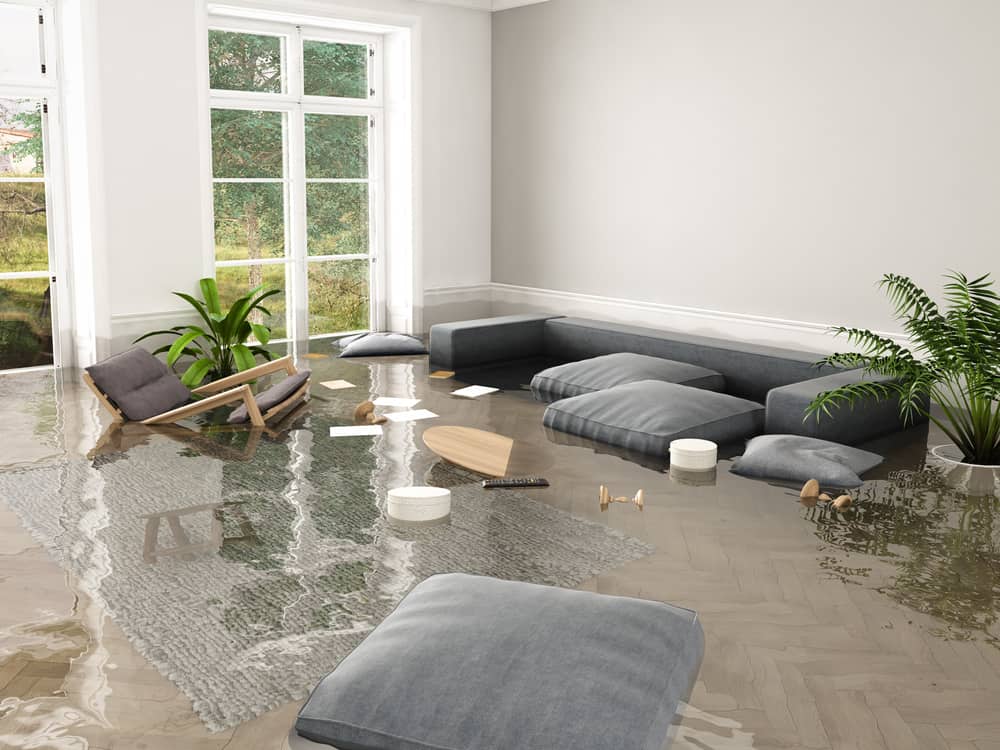
Basement Water Extraction Process in Massapequa Park
The process starts the moment you call. We send a local team to your home to assess the full scope of the damage using professional moisture detection equipment. We map out exactly where the water has traveled including inside walls and under floors where you can’t see it.
In a village where the housing stock is predominantly 1950s construction, this step matters more than it does in newer builds. Older homes in Massapequa Park trap moisture in ways that aren’t obvious from a visual inspection alone.
Once the assessment is complete, extraction begins immediately. Our industrial water removal equipment pulls standing water from the affected areas, followed by the placement of commercial-grade air movers and dehumidifiers to begin the structural drying process. This phase typically runs several days, with moisture readings taken throughout to confirm the structure is drying to the correct levels not just to a point that looks acceptable.
If your home is in a canal-adjacent area like Bar Harbor and the intrusion involved bay water, we also include proper containment and antimicrobial treatment, because that water carries contamination that clean-water events don’t. Throughout the entire job, everything is documented for your insurance claim damage photos, moisture readings, equipment logs, and scope of work.
If structural repairs or reconstruction are needed after drying is complete, we handle that too, so you’re not left coordinating between multiple contractors. The Village of Massapequa Park has its own building department and flood damage prevention ordinance, and we factor permit requirements in from the start when the scope of work calls for it.
Ready to get started?
Storm and Flood Damage Restoration in Massapequa Park, NY
Water damage restoration in Massapequa Park covers a wider range of scenarios than most homeowners expect before they’re dealing with one. Burst pipes in homes with original or aging plumbing are among the most common calls and in a village of 1950s homes, that’s not a rare edge case.
Sump pump failures during power outages are another frequent trigger, particularly during the nor’easters and tropical storms that hit the South Shore every year. Hurricane Sandy alone knocked out power to more than 4,700 customers in Massapequa Park, and without power, sump pumps stop working while the water table keeps rising.
For homeowners in the Bar Harbor canal zone, storm-driven tidal intrusion from South Oyster Bay is a specific and recurring risk. That type of event involves Category 2 or Category 3 water by IICRC standards contaminated bay water that requires a different response than a supply line leak or an appliance overflow.
Our full scope of service includes water extraction, structural drying, moisture mapping, antimicrobial treatment where indicated, mold prevention, contents assessment, and complete documentation for your insurance carrier. Where the damage extends to structural elements drywall, flooring, framing we handle the repair and reconstruction as well. You won’t need to find a separate contractor to finish the job.
We also work directly with insurance companies on your behalf, which is particularly relevant in Nassau County where homeowners may be navigating both a standard homeowners policy and a separate NFIP flood policy depending on the nature of the event.

Does homeowners insurance cover water damage from canal flooding in Massapequa Park?
This is one of the most important questions for homeowners in Massapequa Park, particularly those in the Bar Harbor canal neighborhood. Standard homeowners insurance covers sudden, accidental water damage from internal sources a burst pipe, a washing machine overflow, a water heater failure. It does not cover flooding.
If water entered your home from the canals or from South Oyster Bay pushing through during a storm, that is classified as a flood event, and standard homeowners insurance will not pay for it. Coverage for flood events requires a separate flood insurance policy, typically through the National Flood Insurance Program.
If you have both policies, the question of which covers what becomes more complicated and depends on the specific cause of the damage. This is exactly why proper documentation from the moment restoration begins matters so much the way the damage is categorized and documented directly affects what gets covered and what doesn’t. We work directly with insurance companies and can help ensure the damage is documented accurately from the start.
How fast does mold start growing after a basement floods in Massapequa Park?
The EPA’s guidance is clear: water-damaged areas need to be dried within 24 to 48 hours to prevent mold growth. In practice, mold spores can begin germinating within the first 24 hours under the right conditions and the conditions inside a flooded basement in a 1950s Massapequa Park home are often ideal for it.
Elevated humidity, organic materials like wood framing and drywall paper, and limited airflow create exactly the environment mold needs to establish itself quickly. What makes this particularly important in older homes is that moisture doesn’t stay where you can see it. It wicks into wall cavities, under flooring layers, and into structural framing areas that a surface cleanup won’t reach.
Mold growing inside a wall won’t be visible for weeks or months, but it’s already affecting your indoor air quality and your home’s structure. The window to prevent it is narrow, which is why the response timeline matters as much as the quality of the work itself.
What's the difference between Category 1, 2, and 3 water damage, and why does it matter?
The IICRC the organization that sets the professional standard for water damage restoration classifies water damage into three categories based on contamination level, and the category determines how the job is handled. Category 1 is clean water from a supply line, a faucet, or an appliance inlet. It’s the least hazardous and the most straightforward to remediate.
Category 2, sometimes called gray water, comes from sources like washing machine discharge or toilet overflow it carries some contamination and requires more careful handling. Category 3, or black water, includes sewage, groundwater, and floodwater it’s highly contaminated and requires full containment, antimicrobial treatment, and proper disposal of affected materials.
This matters significantly for homeowners in Massapequa Park’s canal neighborhoods. When South Oyster Bay pushes through the Bar Harbor canals during a storm, the water entering your basement is bay water Category 3 by definition. Treating it like a clean-water event drying it out and moving on is not safe and is not compliant with IICRC standards. It also creates documentation problems with insurance claims. Knowing the category of your water intrusion helps you understand why the response looks the way it does and what’s actually required to do the job correctly.
My sump pump failed during a storm is that covered by insurance?
Sump pump failure is one of the most common water damage triggers on the South Shore, and the insurance coverage question is one that catches a lot of homeowners off guard. Standard homeowners insurance does not automatically cover water damage from a sump pump failure. However, many policies offer a sump pump failure endorsement or rider as an add-on if you purchased that coverage, you may be covered.
If you didn’t, you likely aren’t, regardless of how the failure occurred. This is worth reviewing before you need it, especially in Massapequa Park where power outages during nor’easters and tropical storms are a real and recurring issue. When the power goes out and the sump pump stops working, the water table already elevated on the South Shore continues to rise and can push water through your foundation within hours.
If you’re not sure what your policy includes, the first call after a loss is a good time to ask your insurer directly. We can help document the damage in a way that supports your claim regardless of which coverage applies.
How long does water damage restoration typically take for a flooded basement?
For a moderate basement flood one room or one area affected, no major structural damage the full process from initial extraction through completed drying typically takes somewhere in the range of one to three weeks. The extraction itself usually wraps up within the first day or two. The drying phase, which involves commercial air movers and dehumidifiers running continuously, generally takes three to five days for most homes, with moisture readings taken throughout to confirm the structure is reaching the right levels.
What extends the timeline in Massapequa Park homes specifically is the age of the housing stock. A 1950s home with layered flooring, original plaster walls, and uninsulated basement cavities holds moisture differently than a newer build. The drying equipment has to work harder and longer to reach moisture that’s migrated into older building materials.
If the damage involves structural repairs replacing drywall, flooring, or framing that work begins after drying is confirmed complete, and the total timeline extends accordingly. Every job is different, and the assessment at the start of the process gives you the clearest picture of what to expect for your specific situation.
How do I know if a water damage restoration company is actually qualified to handle the job?
The most reliable indicator is IICRC certification. The IICRC the Institute of Inspection, Cleaning and Restoration Certification sets the professional standard for water damage restoration, and their certification requires technicians to be trained in documented protocols for water extraction, structural drying, mold prevention, and contaminated water handling. Insurance companies recognize IICRC-certified work, which matters when you’re filing a claim and need your documentation to hold up under review.
Beyond certification, look for a company that is licensed, bonded, and insured in New York State, and that has a verifiable local history not just a local phone number. In Nassau County, where the post-Sandy period brought a wave of storm chasers and unlicensed contractors into the market, the difference between a credentialed local company and an opportunistic one has real consequences for your home and your claim.
A company willing to do a free on-site assessment before any work begins using actual moisture detection equipment, not just a visual walkthrough is one that’s giving you real information rather than a sales pitch. That’s the starting point for any restoration job done correctly.
Useful Links
Other Services we provide in Massapequa Park