
Water Damage Restoration in Mastic Beach
When Moriches Bay Comes Indoors, Act Fast
Hear from Our Customers

Flood Restoration Mastic Beach, NY
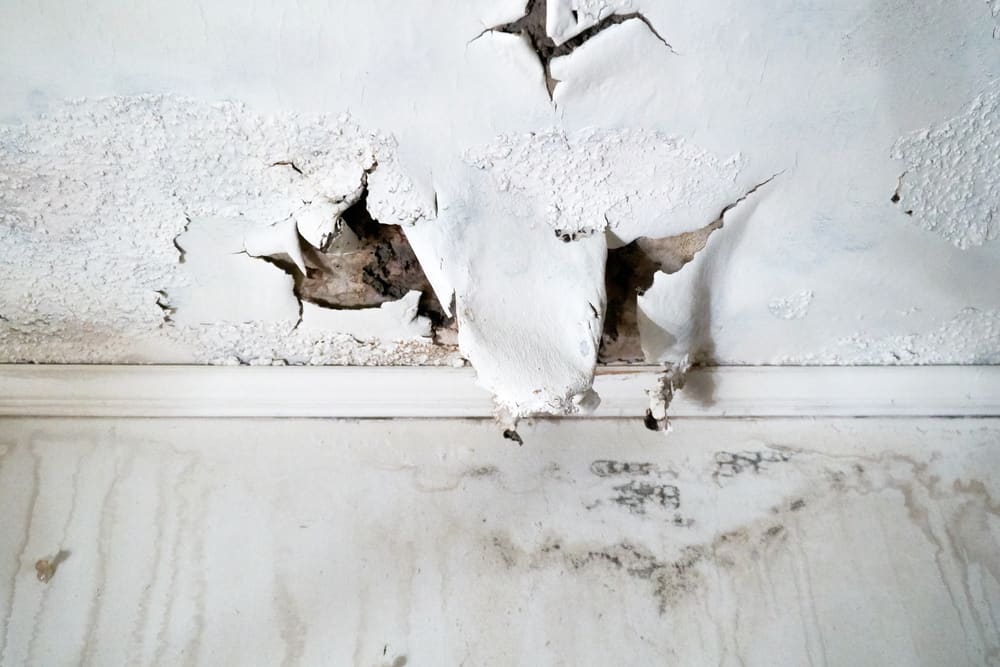
When the water is gone, the real work begins. Moisture hides inside wall cavities, under subfloors, and behind baseboards especially in the 1950s and 1960s bungalows and ranch homes that make up most of Mastic Beach’s housing stock. These homes were built without vapor barriers and modern waterproofing standards. That means water doesn’t just sit on the surface. It wicks into places a fan can’t reach, and if it stays there, mold follows within 24 to 48 hours.
What you get on the other side of a proper restoration isn’t just a dry floor. It’s a home that’s been moisture-mapped, structurally dried with industrial equipment, treated to prevent mold, and fully documented for your insurance claim. For Mastic Beach homeowners carrying NFIP flood insurance through the National Flood Insurance Program, that documentation isn’t a formality it’s what gets your claim processed correctly.
Living this close to Moriches Bay means flooding isn’t a hypothetical. It’s part of life here. What separates a manageable situation from a long-term problem is how quickly and thoroughly the response happens after the water comes in.
Residential Water Damage Repair Mastic Beach, NY
We’ve been serving Long Island homeowners for nearly three decades. That’s not a number for a brochure it’s the difference between a team that has dried out hundreds of South Shore homes and one that learned the work somewhere else. We’re based in West Babylon, in Suffolk County, and operate with a dedicated 631 line for Suffolk residents. When you call, you’re reaching a real Long Island operation.
Mastic Beach carries a specific kind of water damage history. Sandy put over 100 people in emergency rescue situations here some by boat. Dozens of homes were condemned. Many more were damaged badly enough that families couldn’t stay. The community rebuilt, but the flood risk didn’t go away. We understand what that history means for the homes along these streets and what it takes to restore them correctly.
We’re licensed, bonded, insured, and IICRC-certified credentials that matter when your insurance adjuster is reviewing documentation after a storm event.

Basement Water Extraction Mastic Beach, NY
The first call you make sets the clock. We arrive, assess the full scope of the damage including moisture you can’t see and begin water extraction immediately. Industrial pumps and wet-vacs handle the standing water. That part is visible and fast. What comes next is where most of the real work happens.
Once the standing water is removed, we deploy air movers and commercial-grade dehumidifiers to pull moisture out of wall cavities, subfloor materials, and structural framing. In a Mastic Beach home built in the 1960s or 1970s, those spaces are particularly vulnerable because there’s often no vapor barrier between the slab and the living space. Moisture meters and thermal imaging confirm what the eye can’t catch. Drying typically runs three to five days depending on the extent of the damage, and we monitor readings throughout.
If mold is present or the water source was contaminated which matters in a community where many homes still rely on septic systems the remediation protocol changes accordingly. Category 3 contamination from septic backflow requires antimicrobial treatment and controlled material removal, not just drying. Throughout the entire process, everything is documented: drying logs, moisture readings, photos, and damage assessments. That file goes directly to your insurance company, whether that’s a standard homeowners policy or an NFIP flood claim.
The Town of Brookhaven also requires building permits for structural repairs, and we’re familiar with what that process looks like for Mastic Beach properties.

Ready to get started?
Storm Damage Restoration Mastic Beach, NY
Water damage in Mastic Beach doesn’t come from one direction. It comes from Moriches Bay during a nor’easter. It comes from a frozen pipe in a poorly insulated crawlspace during a January cold snap. It comes from a sump pump that stopped working when the power went out during a coastal storm. And sometimes it comes from groundwater pushing up through a cracked slab on a wet spring week, when the water table is already elevated from snowmelt.
We handle all of it. Water extraction and emergency water removal. Structural drying and dehumidification. Mold inspection and remediation. Burst pipe water damage cleanup. Flooded basement cleanup. Fire and smoke damage. Sewage backup remediation which matters specifically in Mastic Beach, where septic system backflow during flood events has been documented going back to Sandy. We also handle board-up services and full reconstruction, so you’re not coordinating multiple contractors after a major event.
For Mastic Beach homeowners in FEMA Zone AE, there’s an added layer of complexity: the 50 percent substantial damage rule. If repair costs reach or exceed half of your home’s pre-damage market value, the structure must be brought into compliance with current floodplain ordinances. Accurate damage documentation by a licensed restoration company isn’t just about the insurance claim it’s about protecting your compliance status. Our IICRC-certified process produces the kind of documentation that holds up in both insurance and regulatory contexts.

Does flood insurance through NFIP cover water damage restoration in Mastic Beach?
NFIP flood insurance and standard homeowners insurance are two separate policies, and they cover different things. Standard homeowners insurance typically covers sudden, accidental water damage from internal sources a burst pipe, an appliance overflow, a roof leak from a storm. It does not cover flooding. If water enters your home from the outside storm surge from Moriches Bay, rising groundwater, or overland flooding that’s a flood event, and it falls under NFIP coverage if you carry it.
Many Mastic Beach homeowners in FEMA Zone AE are required to carry NFIP flood insurance as a condition of their federally backed mortgage. NFIP claims have specific documentation requirements and timelines that differ from a standard homeowners claim. We work directly with insurance companies, including NFIP claims, to handle the paperwork and documentation so you’re not navigating that process on your own after a storm. The IICRC-certified drying logs, moisture readings, and damage assessments we produce are exactly what NFIP adjusters need to process a claim correctly.
How fast does mold grow after a basement floods in Mastic Beach?
Mold spores can begin germinating within 24 hours under the right conditions. Visible growth typically appears within 48 to 72 hours, but microscopic growth starts earlier than that. In a Mastic Beach home where the housing stock skews older, crawlspaces are common, and many properties sit on a high water table the conditions after a flood event are close to ideal for mold: warm air, organic materials in the walls and subfloor, and moisture that consumer-grade fans simply can’t reach.
The 24 to 48 hour window is the critical period. If your home isn’t being actively dried with industrial equipment during that window, mold becomes significantly more likely. Post-storm power outages make this worse when the power goes out, sump pumps stop, and homes that were managing fine begin to take on water. By the time power is restored and you realize the extent of the problem, the mold clock may have already run out. Calling us as early as possible even before you’re sure how bad it is is the move that prevents a water damage situation from becoming a mold remediation situation.
What does water damage restoration actually cost, and will insurance cover it?
Nationally, water damage restoration averages around $3,864, with a range from roughly $450 on the low end to $16,000 or more for extensive damage involving structural repairs or mold. Flooded basement cleanup specifically tends to run between $3 and $7 per square foot depending on the severity. These are national figures the actual cost for your home depends on the extent of the damage, how long the water sat, what materials were affected, and whether contamination is involved.
Whether insurance covers it depends on the source of the water. A burst pipe or a washing machine overflow is typically covered under standard homeowners insurance. Storm surge from Moriches Bay is a flood event and falls under NFIP coverage. Gradual leaks from deferred maintenance are usually not covered under either. The best way to know what applies to your situation is to have the damage assessed and documented by a licensed restoration company before the adjuster arrives not after. We handle the documentation and work directly with your insurance company so the claim reflects the actual scope of the damage.
My Mastic Beach home is in a FEMA flood zone what is the substantial damage rule?
The substantial damage rule applies to properties in FEMA Special Flood Hazard Areas which includes large sections of Mastic Beach designated Zone AE. The rule states that if the cost to restore a structure equals or exceeds 50 percent of its pre-damage market value, the structure is considered substantially damaged. When that threshold is crossed, the home must be brought into compliance with current floodplain management ordinances, which typically means elevating the structure.
For older Mastic Beach bungalows with lower assessed values, this threshold can be closer than homeowners realize. A modest ranch home with a pre-damage value of $200,000 hits the substantial damage threshold at $100,000 in repair costs which is not out of reach after a major flood event. This is why accurate, professional damage documentation matters so much. Under-documentation can create problems with your insurance claim. Over-documentation can trigger a substantial damage determination that forces expensive compliance work. A licensed, IICRC-certified restoration company documents the actual damage no more, no less which is exactly what both your insurer and the Town of Brookhaven’s floodplain administrator need to see.
Can I handle water damage cleanup myself after a storm, or do I need a professional?
You can remove standing water with a wet-vac and run fans, and that’s better than doing nothing. But consumer-grade equipment cannot pull moisture out of wall cavities, structural framing, or the space beneath a slab foundation. In a 1960s Mastic Beach bungalow without a vapor barrier between the slab and the living space, that hidden moisture is exactly where mold starts and you won’t know it’s there until weeks later when it shows up on a wall or a musty smell won’t go away.
There’s also the contamination question. If the flooding involved storm surge, groundwater, or septic backflow all documented scenarios in Mastic Beach the water is not clean. Category 3 contaminated water carries pathogens that require antimicrobial treatment and controlled material removal, not just drying. DIY cleanup in that situation is a health risk, not just an incomplete fix. Beyond the health concern, insurance companies expect documentation of the damage scope before cleanup begins. If you’ve already removed materials or dried surfaces before an adjuster or restoration company assesses the damage, you may have compromised your claim.
How long does water damage restoration take for a typical Mastic Beach home?
For most homes, the water extraction phase takes one to three days. The structural drying phase where industrial air movers and dehumidifiers run continuously typically takes three to five days, though older homes with more porous materials and limited airflow can take longer. If mold remediation is needed, or if there’s structural damage requiring reconstruction, the timeline extends. A general estimate for a moderate flood affecting a couple of rooms is roughly two to three weeks from initial extraction through final repairs.
For Mastic Beach specifically, a few factors can affect timing. Homes on the bay-facing peninsula sections with water on multiple sides can take on water from more than one direction, which increases the scope of the drying work. Older construction with no vapor barriers and slab foundations requires more thorough moisture mapping to confirm the structure is genuinely dry before reconstruction begins. And if the flooding occurred during a nor’easter that knocked out power, the drying timeline effectively starts when power is restored not when the storm passed. We monitor moisture readings throughout the process and don’t move to reconstruction until the readings confirm the structure is dry. That step protects you from mold developing behind new drywall after the job is done.
Useful Links
Other Services we provide in Mastic Beach