
Water Damage Restoration in Merrick, NY
When Merrick's Canals and Bay Flood Your Home, You Need More Than a Mop
Hear from Our Customers

Flood Restoration Merrick, NY
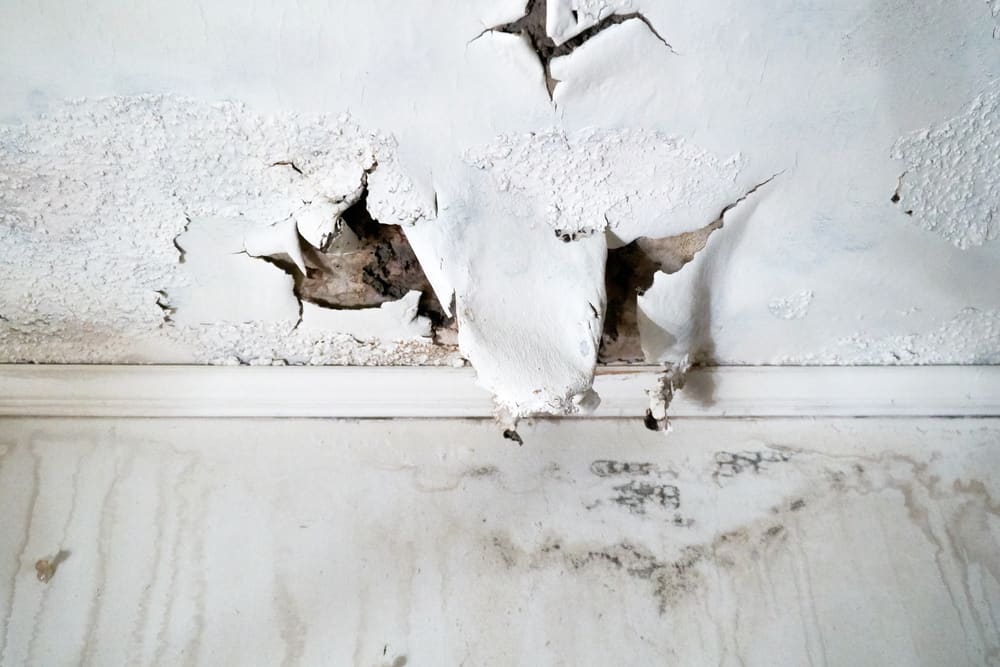
When water gets into a Merrick home whether it’s storm surge pushing in from Merrick Bay, canal overflow soaking into your foundation, or a burst pipe in a 70-year-old wall the damage rarely stops at what you can see. Moisture moves through wall cavities, under subfloors, and behind baseboards in ways that surface-level cleanup simply won’t catch. What you’re left with, if it’s not addressed properly, is hidden moisture that becomes mold weeks later and a repair bill that grows with it.
Getting it done right means your basement is dry not just dry-looking. It means moisture readings inside your walls are back to normal, not just assumed to be fine. It means the structural materials that absorbed water have been properly dried or replaced, and that your home doesn’t carry the lingering risk of air quality problems down the road.
For Merrick homeowners specifically, that matters more than most places. The post-war housing stock throughout this community Cape Cods, Colonials, and ranches built between the 1940s and 1960s was not designed with modern waterproofing in mind. Aging drainage systems and foundation walls that have seen decades of salt air and freeze-thaw cycles don’t respond to water intrusion the same way a newer build would. A thorough restoration here isn’t optional it’s the only version that actually protects what you have.
Water Damage Company Serving Merrick, NY
We’ve been restoring Long Island homes for nearly three decades. That means we were here for the nor’easters that put Merrick streets underwater, for the Sandy aftermath when Nassau County sustained over 74,000 damaged structures, and for every frozen pipe winter that followed. We’re not a national franchise routing calls to distant crews we’re a South Shore Long Island operation based in West Babylon, staffed by people who know this coastline and the specific challenges Merrick homeowners face.
Our team is fully IICRC-certified, licensed, bonded, and insured. That matters practically, not just on paper. IICRC certification means the work follows documented standards that insurance adjusters recognize and accept which directly affects how your claim gets processed.
We also carry a dedicated Nassau County presence, with a 516 area code phone line and crews that know the difference between a Merrick canal-adjacent home and one sitting three blocks north of Sunrise Highway. When you call, you’re reaching people who understand what South Shore flooding actually looks like not someone reading from a general script.
Water Damage Restoration Process in Merrick
The first step is getting someone on-site fast. Water damage has a hard deadline the EPA is clear that mold can begin forming within 24 to 48 hours of water intrusion. In a commuter community like Merrick, where many households board the LIRR in the morning and don’t return until evening, that window can close before the problem is even discovered. That’s why we operate around the clock and move quickly once you call.
On arrival, our team does a full moisture assessment not just a visual check. Industrial moisture meters map exactly where water has traveled, including inside walls, under flooring, and in structural cavities that look fine from the outside. This step matters especially in Merrick’s older homes, where water can wick through aging materials in ways that aren’t immediately obvious. Once the scope is clear, extraction begins. High-capacity pumps remove standing water, followed by industrial air movers and dehumidifiers that pull moisture from the structure itself not just the surface.
From there, the drying phase runs its course typically several days with monitoring equipment tracking progress throughout. If structural materials need to come out, that happens during this phase. Damaged drywall, flooring, or baseboards are removed and replaced as part of the full-service scope. Throughout the process, we document everything for your insurance claim, handling the paperwork and billing directly so you’re not stuck in the middle. If your property falls within one of Merrick’s FEMA flood zones and involves permit-required structural work, we’re familiar with Town of Hempstead requirements and can help navigate that process as well.

Ready to get started?
Residential Water Damage Repair Merrick, NY
Water damage restoration in Merrick covers a wider range of scenarios than most people expect going in. The most common calls come after basement flooding whether from storm surge, canal overflow, a failed sump pump during a power outage, or groundwater pushing up through a slab during a prolonged rain event. We also handle burst pipe water damage, appliance failures, sewage backups, and the kind of slow, hidden leaks that go unnoticed in basement utility areas until the damage is significant.
For southern Merrick neighborhoods near the bay and canal corridors, multi-source flooding is a real pattern not a hypothetical. Storm surge, rising groundwater, and overflowing canals can arrive at the same time, and addressing only one while the others continue is how incomplete jobs happen. Our full-service scope includes water extraction, structural drying, dehumidification, antimicrobial treatment where needed, and complete reconstruction of damaged materials.
Merrick homeowners in FEMA Zone AE and there are many in the southern corridors of this community often carry both a standard homeowners policy and a separate NFIP flood policy. These have different coverage triggers and different documentation requirements. We work directly with both types of insurers, handling the billing and documentation so the claim is supported correctly from the start. There are no named service tiers or packages the scope is built around what your specific situation actually requires, assessed on-site at no charge.

Does homeowners insurance cover water damage from flooding in Merrick, NY?
This is one of the most important distinctions to understand before you file anything. Standard homeowners insurance typically covers sudden, accidental water damage from internal sources a burst pipe, a water heater failure, an appliance overflow. What it does not cover is flooding. If water entered your home from outside storm surge from Merrick Bay, canal overflow, or rising groundwater that falls under flood insurance, which is a completely separate policy through the National Flood Insurance Program.
For Merrick homeowners in FEMA Zone AE, which includes much of the southern part of the community near the bay and canal corridors, carrying both policies is common and, for mortgaged properties in designated zones, required. The tricky part is that the two policies have different adjusters, different documentation requirements, and different coverage triggers. Filing one without properly documenting for the other can create gaps in your claim. We work directly with both types of insurers and handle the paperwork and billing on your behalf, so the documentation supports whichever policy or combination of policies applies to your situation.
How quickly does mold start growing after a basement floods?
The EPA’s guidance is clear: mold can begin forming within 24 to 48 hours of water intrusion under the right conditions. In practice, that means a basement that flooded overnight can already be approaching the threshold for mold growth by the time you call for help the next morning. The timeline is not a worst-case scenario it’s the standard one, especially in a coastal environment like Merrick where humidity levels are already elevated compared to inland communities.
What makes this particularly relevant for Merrick is the commuter dynamic. If a pipe bursts or a sump pump fails while you’re on the LIRR heading into the city, the damage clock starts without you. By the time you’re back home that evening, eight to twelve hours may have already passed. That’s why calling immediately even if you’re not home yet matters. We can get a crew on-site to begin extraction and drying while you’re still in transit, stopping the mold clock before it runs out.
What's the difference between water extraction and structural drying do I need both?
Yes, and understanding why helps explain what a proper restoration actually involves. Water extraction is the first step removing standing water from floors, crawl spaces, and any area where water has pooled. That part is visible and relatively fast. Structural drying is what comes after, and it’s where most DIY or incomplete jobs fall short.
Even after all visible water is gone, moisture remains inside wall cavities, under subfloors, in insulation, and within the structural materials themselves. In Merrick’s post-war homes many built between the 1940s and 1960s with older framing and drainage systems water travels through materials differently than in newer construction. Without industrial dehumidifiers, air movers, and moisture meters tracking readings inside the structure, that hidden moisture stays put. It doesn’t evaporate on its own in a meaningful timeframe. It sits, and eventually it becomes mold. Both phases are necessary, and both are part of what we handle as a single, complete scope of work.
How long does water damage restoration take for a Merrick home?
It depends on the scope, but here’s a realistic framework. For a straightforward basement flooding event a failed sump pump, a burst pipe, water in one or two rooms the drying phase alone typically runs three to five days using professional equipment. Add extraction, assessment, and any necessary material removal, and a moderate job from start to finish is usually in the range of two to three weeks.
For Merrick homes that sustained flooding from a coastal storm where storm surge, canal overflow, and groundwater may have all contributed simultaneously the scope is often larger. Water that entered from multiple directions tends to travel further into the structure, and the drying process takes longer as a result. If structural materials like drywall or subfloor need to be replaced, that adds time as well. Homes in FEMA flood zones that require permit-pulled structural work through the Town of Hempstead may have additional timeline considerations depending on the permit review process. We’ll give you a realistic timeline during the on-site assessment so you’re not guessing.
Can I stay in my home during water damage restoration?
In many cases, yes but it depends on the extent of the damage and where it’s located. If the flooding is confined to a basement or a single room and the rest of the living space is unaffected, most families can remain in the home during the drying and restoration process. The equipment runs continuously, which means some noise and airflow, but it’s generally manageable.
Where it becomes more complicated is when damage has affected main living areas, when there’s a sewage component involved, or when mold is already present and remediation is underway. In those situations, temporary relocation may be the safer and more practical choice. For Merrick homeowners with significant flooding particularly from coastal storm events that pushed water through multiple entry points the scope of disruption is often larger, and we’ll be honest with you about what the process looks like day to day. If relocation is necessary, that’s also something your insurance policy may cover under loss of use provisions, which is worth confirming with your adjuster.
Why does burst pipe water damage in older Merrick homes often cost more to restore?
The age of the housing stock is the primary factor. Most of Merrick’s residential neighborhoods were built between the 1940s and 1960s, and homes of that era were constructed with materials and methods that absorb and retain water differently than modern construction. Older drywall, wood lathe, plaster walls, and uncoated concrete block foundations all hold moisture longer and require more time and more equipment to dry properly.
There’s also the infrastructure factor. Plumbing in homes of this age is more likely to have galvanized steel or older copper lines that have corroded over decades of use, particularly in a coastal environment where salt air accelerates the process. When a pipe fails in one of these homes, it often fails in a wall cavity or behind finished basement paneling, meaning the water has been running longer before it’s discovered and has traveled further through the structure. That combination older, more absorbent materials and a longer undetected run time is what drives restoration costs higher compared to a similar event in a newer home. Getting a professional moisture assessment done immediately, rather than waiting to see how things dry out, is the most effective way to limit how far the damage spreads.
Useful Links
Other Services we provide in Merrick