
Water Damage Restoration in Munsey Park, NY
When a 90-Year-Old Munsey Park Home Meets a Modern Water Emergency
Hear from Our Customers

Flood Restoration Services in Munsey Park
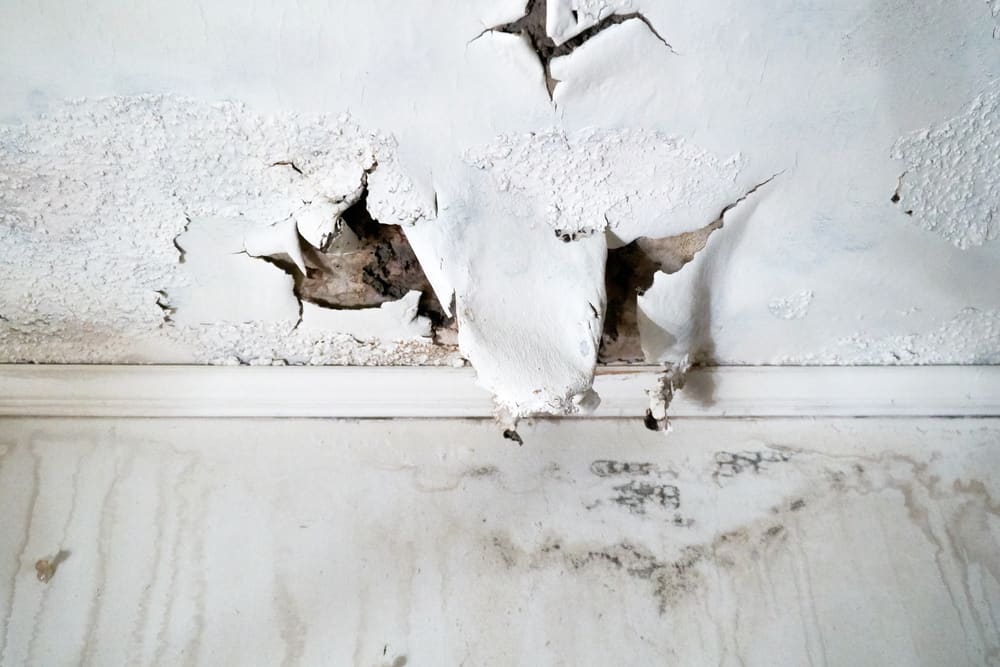
When water damage happens in Munsey Park, the stakes are higher than most places on Long Island. You’re dealing with homes that were built in the 1920s and 30s beautiful, architecturally significant properties where original plaster walls, hardwood floors, and period millwork aren’t just finishes, they’re what makes the home worth what it is. Water that gets behind those surfaces doesn’t announce itself. It wicks through original framing, hides in wall cavities that haven’t been opened in decades, and creates the conditions for mold growth long before you can smell it.
What professional water damage restoration actually delivers here is more than extraction and drying. It’s moisture mapping that finds what consumer-grade equipment misses. It’s structural drying that reaches inside walls, under floors, and into the spaces where hidden moisture becomes a mold problem six weeks after you thought everything was fine. It’s documentation that holds up when your insurance adjuster asks exactly how the work was performed and to what standard.
Nassau County’s groundwater table sits only a few feet below the surface in most areas, and it rises with every significant rainfall. For a home built on a pre-war foundation before modern waterproofing technology existed that means hydrostatic pressure pushing against every crack and joint that 80 or 90 years of settlement have created. Getting the water out is step one. Making sure it stays out, and that nothing is hiding behind your walls, is what actually protects a $2 million property in Munsey Park.
Residential Water Damage Repair in Munsey Park
We’ve been serving Nassau and Suffolk County homeowners for nearly three decades. That means our team has worked in homes just like the ones along Sargent Place and Eakins Road. Pre-war construction, original plaster, cast-iron drain stacks, foundations that predate modern waterproofing we’ve seen what happens to these building assemblies when water gets in, and we know how to address it properly.
Every technician on our team is IICRC-certified, which matters in Nassau County specifically the county’s Fire Prevention Ordinance requires restoration companies to hold that certification. We’re also licensed, bonded, and insured, and we work directly with insurance companies so you’re not stuck managing paperwork and adjuster calls on top of everything else.
We’re based in West Babylon with a dedicated Nassau County team. When you call our 516 number, you’re reaching people who know Munsey Park, know its housing stock, and have been doing this work here long enough to have earned a reputation worth protecting.
24/7 Water Damage Restoration Process Munsey Park
The process starts the moment you call. We respond around the clock because whether a pipe fails at 2 a.m. or a nor’easter drives water through a dormer flashing on a Sunday, the 24 to 48 hour window before mold can begin to develop doesn’t adjust to business hours. Our crew arrives, assesses the extent of the damage, and begins emergency water extraction using industrial-grade equipment that goes well beyond what any consumer-grade wet-vac can do.
Once the standing water is out, the focus shifts to what you can’t see. We use moisture meters and thermal imaging to identify where water has traveled inside walls, under original hardwood floors, behind baseboards, into structural cavities. In a Munsey Park home built in the 1930s, that hidden moisture is often the real threat. Commercial air movers and dehumidifiers are set up to dry the structure from the inside out, and we monitor the process over several days to confirm the moisture readings are reaching safe levels throughout.
If the restoration involves any demolition of painted surfaces or building materials, we follow EPA lead-safe work practices required for pre-1978 homes, which covers virtually every original home in Munsey Park. Throughout the entire process, damage is documented in a format that supports your insurance claim. We handle the communication with your insurer directly, so you’re not left translating between an adjuster and a contractor on your own.

Ready to get started?
Burst Pipe and Flood Damage Restoration Munsey Park
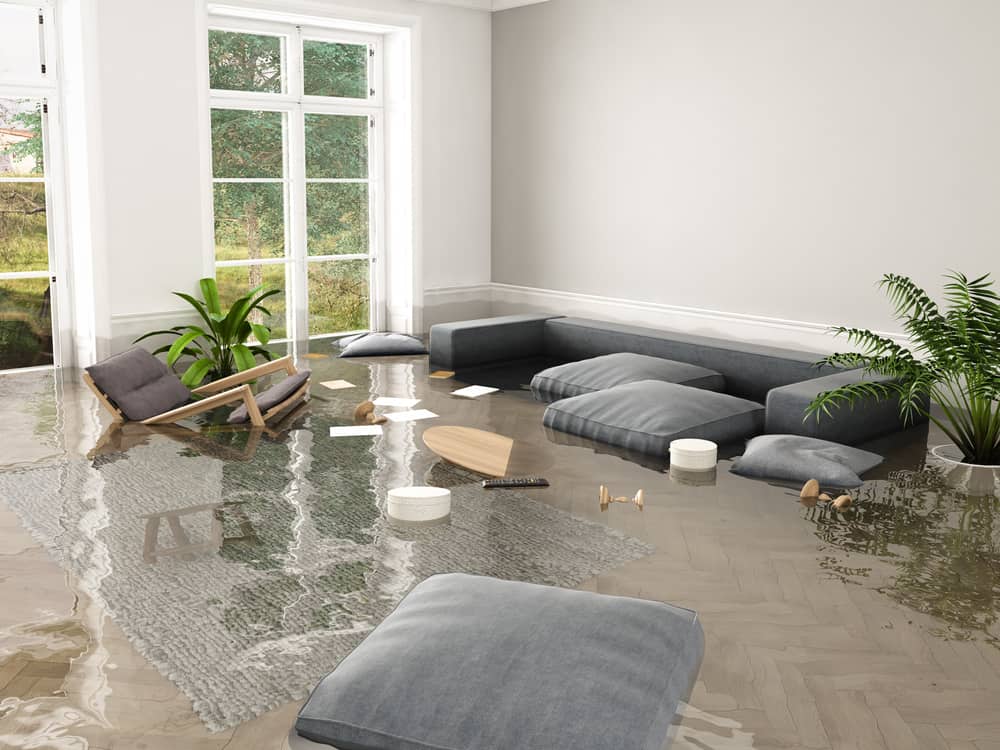
Water damage restoration in Munsey Park covers a wide range of scenarios, and we handle all of them under one roof. Burst pipe water damage is one of the most common calls older galvanized and copper supply lines in pre-war homes become more vulnerable over time, and when they fail, water travels fast through original framing and plaster. Flooded basement cleanup is another frequent need, driven by Nassau County’s high groundwater table and the hydrostatic pressure that aging foundations face during heavy rainfall or spring snowmelt. Storm damage restoration after a nor’easter when wind-driven water finds its way through aging roof valleys, dormers, or flashing rounds out the most common situations in this area.
Every job includes emergency water removal, structural drying and dehumidification, moisture mapping, antimicrobial treatment where needed, and full documentation for insurance. For situations where water damage has led to mold growth, we handle mold remediation as part of the same process no need to coordinate a separate company. When structural repairs or reconstruction are required following water damage, that’s covered too, from start to finish.
Because Munsey Park’s village architectural review process requires that alterations maintain the community’s design standards, we perform restoration work here with the care that a planned Olmsted-designed community demands. The goal isn’t just to dry the structure it’s to return it to the condition it was in before the damage, in a way that holds up to the standards Munsey Park has maintained since the late 1920s.

Does homeowners insurance cover water damage in Munsey Park, NY?
Standard homeowners insurance typically covers sudden, accidental water damage from internal sources a burst pipe, a washing machine overflow, a water heater failure. What it does not cover is flooding from external sources like groundwater or storm surge, which requires a separate flood insurance policy. If you’re in a Munsey Park home and your basement flooded after a heavy rain raised the water table and pushed through your foundation, that’s often considered groundwater intrusion rather than a covered water damage event under a standard policy.
The distinction matters a lot in Munsey Park, where pre-war foundations are the norm and groundwater pressure is a real and recurring factor. The best thing you can do when damage happens is call us before you call your insurer proper documentation of the source and extent of the damage, gathered before anything is disturbed, is what gives your claim the best chance of being processed accurately. We work directly with insurance companies and handle the documentation and adjuster communication as part of the job.
How quickly does mold start growing after a basement floods?
The EPA is clear on this: mold can begin developing within 24 to 48 hours of water exposure under the right conditions. Mold spores are always present in the air what they need to activate is moisture and a surface to land on. In a pre-war Munsey Park home, that means original wood framing, original plaster, and decades of organic material inside wall cavities that mold finds ideal. Visible growth typically appears within 48 to 72 hours, but microscopic growth starts earlier than that.
This is why the timeline for calling us matters so much. If you spent the first day trying to dry things out with fans and a wet-vac, and you’re now on day two wondering if it worked, the honest answer is that consumer equipment cannot remove moisture from inside walls or under floors. By the time you can smell mold, it’s already established. Getting a professional moisture assessment done quickly even if the visible water is gone is the only way to know for certain that the structure is actually dry.
What causes basement flooding in older Munsey Park homes specifically?
There are a few causes that come up repeatedly in pre-war Nassau County homes, and Munsey Park’s housing stock checks most of the boxes. The groundwater table in Nassau County sits only a few feet below the surface in most areas. When significant rainfall hits or when spring snowmelt saturates the soil that table rises and pushes directly against foundation walls. In a home built in the 1930s, before modern waterproofing membranes and drainage systems were standard, that hydrostatic pressure finds every crack, joint, and porous section that decades of settlement have created.
Beyond groundwater, aging plumbing is a major factor. Galvanized steel pipes common in homes built through the mid-20th century have a lifespan that many of Munsey Park’s original systems have already exceeded. Corroded pipes, deteriorating joints, and root intrusion into clay sewer laterals all create conditions for water to end up where it shouldn’t. Nor’easters are another consistent source of water intrusion on the North Shore, driving water through aging roof valleys, dormer flashings, and window seals that weren’t designed to handle sustained wind-driven rain.
How long does water damage restoration take in a pre-war home?
The honest answer is that it depends on the extent of the damage and how far the water traveled before it was addressed. For a straightforward burst pipe situation caught early, the extraction and drying phase typically takes three to five days, with the full restoration process running one to three weeks once repairs are factored in. For more extensive flooding particularly in a basement where water has been present for more than a day or two the timeline extends, and mold remediation may need to be part of the scope.
In older homes like those throughout Munsey Park, the drying phase often takes longer than it would in newer construction. Original plaster holds moisture differently than modern drywall. Original wood framing, if it’s been wet, needs to reach specific moisture content readings before the structure can be closed back up. Rushing that phase creates the conditions for mold growth inside a wall cavity after the restoration is technically complete. We use continuous moisture monitoring throughout the drying process to confirm the readings are where they need to be before any reconstruction begins.
Do I need permits for water damage repairs in Munsey Park?
It depends on the scope of the work. Water extraction and structural drying don’t require permits that’s emergency mitigation, and it needs to happen immediately regardless of paperwork. But if the restoration involves replacing structural framing members, significant drywall or plaster work, or any reconstruction that affects the building’s structure, the Town of North Hempstead Building Department requires permits for that work. Munsey Park also has its own village-level architectural review process for alterations and additions, which means significant reconstruction work may require review to ensure it maintains the community’s design standards.
For homes built before 1978 which covers essentially all of Munsey Park’s original housing stock any disturbance of painted surfaces during restoration requires EPA lead-safe work practices. For homes built before 1980, a pre-demolition asbestos survey is required by New York State before any demolition work begins. These aren’t optional steps. A restoration company working in Munsey Park needs to be familiar with and equipped to handle these requirements, and we are.
How does First Response Restoration and Cleaning Inc. handle the insurance claim process for water damage in Munsey Park?
From the moment our team arrives, damage is being documented in a format that supports the insurance claim photos, moisture readings, written scope of damage, and records of the restoration methodology used. This matters because insurance adjusters reviewing claims for older homes often have questions about the building assemblies involved, the materials that need to be replaced, and whether the restoration was performed to industry standards. Our IICRC-certified technicians perform the work to the standards that insurers expect, and that documentation makes the adjuster’s job easier and your claim less likely to hit complications.
Once the scope of damage is established, we communicate directly with your insurance company handling the back-and-forth so you don’t have to become an expert in claims language on top of managing a disrupted home. For Munsey Park homeowners dealing with high-value properties and the architectural complexities of pre-war construction, having a restoration company that understands how to document and present that scope accurately is a real advantage. The goal is to make sure the legitimate extent of the damage is properly represented, so the claim reflects what actually needs to be done to restore the home correctly.
Useful Links
Other Services we provide in Munsey Park