
Water Damage Restoration in Muttontown, NY
Muttontown Estates Deserve More Than a Surface Dry
Hear from Our Customers

Flood Restoration Muttontown, NY
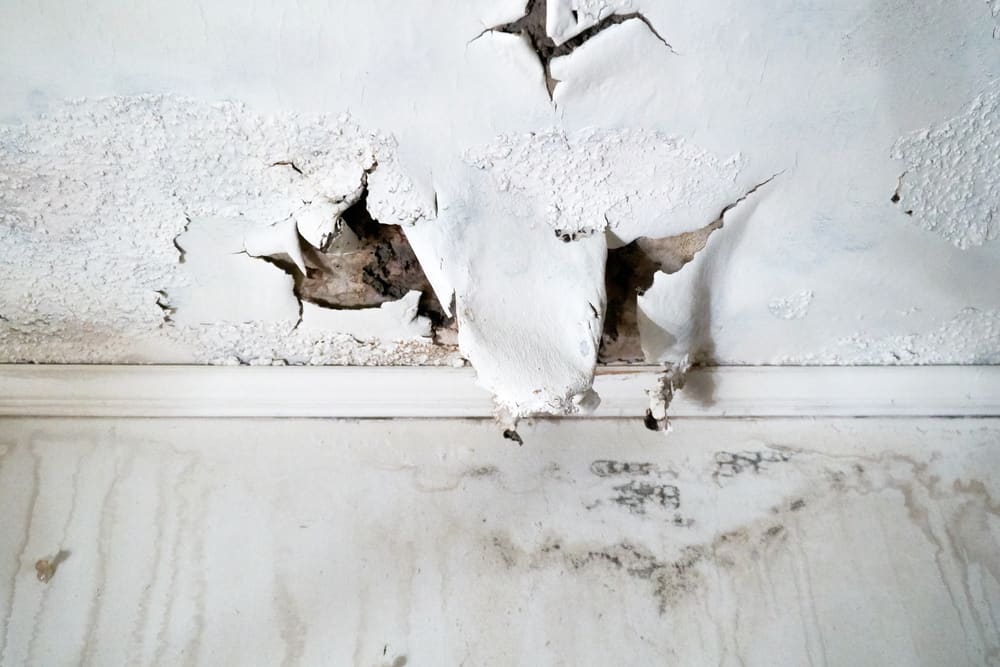
In a village where the average home sold for close to $2 million last year and many estates sit well above that, the margin for error in a water damage situation is essentially zero. Hidden moisture left inside a wall cavity or under a finished basement floor doesn’t announce itself it quietly becomes a mold problem that costs far more to fix six months later than the original damage ever would have.
The outcome you’re looking for isn’t just dry floors. It’s documented, verified dryness inside the walls, under the subfloor, behind the baseboards confirmed with calibrated moisture meters, not guesswork.
Muttontown’s housing stock adds a layer of complexity that generic restoration companies aren’t always prepared for. The median construction year here is 1977, and a meaningful number of homes predate 1950 meaning older plumbing materials, longer pipe runs across large footprints, and structural systems that don’t always respond the way a newer suburban build would. When water moves through a 4,000-square-foot estate, it finds paths that a smaller home wouldn’t have. Getting it all requires the right equipment and the experience to know where to look.
When the job is done correctly, you get your home back without the lingering anxiety of wondering what’s happening behind the drywall. Your insurance claim is properly documented. Your finished basement whether it’s a home theater, a guest suite, or a wine cellar is genuinely restored, not just wiped down.
Residential Water Damage Repair Muttontown, NY
We’ve been restoring Long Island homes since before most of the restoration companies you’ll find online even existed. Based in West Babylon and serving all of Nassau County including Muttontown and the surrounding North Shore communities our team brings IICRC-certified technicians, industrial-grade drying equipment, and a process built around thoroughness, not speed for its own sake.
Muttontown sits in the Town of Oyster Bay, a few miles from Syosset and East Norwich, and the homes here are not typical Nassau County inventory. Large lots, long plumbing runs, multi-zone systems, and older construction all factor into how water damage behaves and how it needs to be addressed. That’s not something you figure out on the first job it comes from decades of working in homes exactly like these.
We are licensed, bonded, and insured, and we handle the insurance coordination directly so you’re not stuck managing an adjuster while also managing a damaged home. One call, one team, one accountable company from water extraction through final repairs.
24/7 Water Damage Restoration Muttontown, NY
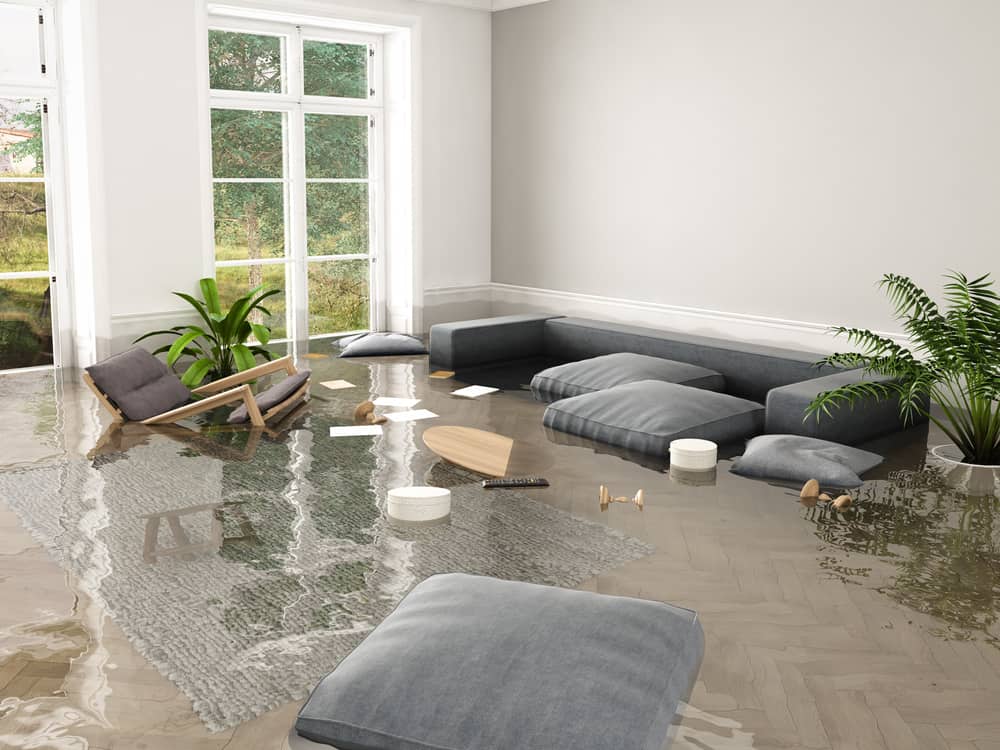
It starts with a call any hour, any day. We operate around the clock because water damage in a Muttontown home doesn’t wait for business hours. A burst pipe on a January night along the Route 106 corridor or a flooded basement after a March thaw can release hundreds of gallons before it’s even discovered. We respond, assess the full scope of the damage, and begin extraction immediately.
After the water is out, the real work begins. Industrial air movers and dehumidifiers are positioned throughout the affected areas including inside wall cavities and under flooring systems where moisture migrates in older homes. Moisture readings are taken at multiple points and tracked over the drying period, typically three to five days for most jobs. This isn’t a set-it-and-forget-it process; we monitor progress and adjust equipment placement as the structure dries.
Because Muttontown falls under Nassau County’s building requirements, any structural repairs that follow the dry-out are permitted and documented appropriately through the village’s Building Department. Once drying is verified, we move into the repair and rebuild phase replacing damaged drywall, flooring, insulation, or structural materials as needed. Throughout the entire process, the damage is documented in a format that supports your insurance claim, and we work directly with your insurer so you’re not navigating that conversation alone.

Ready to get started?
Burst Pipe Water Damage Muttontown, NY
Muttontown’s estate homes present a specific set of challenges that a one-size-fits-all restoration approach doesn’t address well. Homes built before 1980 and there are many here often have galvanized steel supply lines and clay sewer connections that are statistically overdue for failure. Nassau County recently approved $15 million in sewer repairs after documented pipe failures and sinkholes across the county, which tells you something about the age of the infrastructure these homes are connected to. When those systems fail inside a large estate, the water doesn’t stay in one room.
The full scope of what we handle here includes emergency water removal, basement water extraction, structural drying, mold prevention treatment, contents assessment, and complete reconstruction. Storm damage restoration after major weather events is also part of our work Muttontown’s wooded terrain and rolling topography mean that heavy rainfall can push groundwater into basements and crawl spaces in ways that flat suburban communities don’t experience the same way.
The 550-acre Muttontown Preserve and the natural drainage patterns around it affect how water moves through the village during and after significant storms. For homes with finished lower levels and many Muttontown estates have substantial below-grade living space flooded basement cleanup requires the kind of careful, methodical approach that protects custom finishes, built-in cabinetry, and specialty flooring. Every job is handled as if the home’s full value is on the line, because in Muttontown, it is.

Does homeowners insurance cover water damage in Muttontown, NY?
Standard homeowners insurance typically covers sudden, accidental water damage a burst pipe, an appliance that overflows, a water heater that fails without warning. What it does not cover is flooding from outside sources, which requires a separate flood insurance policy. It also generally excludes damage that results from long-term neglect, like a slow leak behind a wall that was never addressed.
For Muttontown homeowners, the distinction matters because the village is in northern Nassau County, where the Long Island Sound shore experienced significant coastal flooding during Hurricane Sandy. If your home is in or near a designated flood zone, your standard policy alone may leave a major gap. Beyond the coverage question, how the damage is documented matters enormously. Insurers look for thorough written records, moisture readings, and a clear scope of work. We handle the documentation and communicate directly with your insurer which protects your claim from the start rather than leaving you to reconstruct the record after the fact.
How quickly does mold start growing after water damage in my home?
The EPA’s guidance is clear: water-damaged areas need to be dried within 24 to 48 hours to prevent mold growth. That window starts from the moment water contacts a surface not from when you discover it. In a large Muttontown home where a pipe could run undetected for hours before anyone notices, that clock may already be running by the time you make the first call.
Mold spores are always present in the air. What they need to grow is moisture and a surface drywall, wood framing, insulation, carpet padding. Once they have both, germination begins within 24 hours, and visible growth typically appears within 48 to 72 hours. In a finished basement with a home theater or a carpeted guest suite, the combination of organic materials and trapped moisture creates exactly the environment mold needs. The only reliable way to stop it is professional drying with equipment that reaches moisture inside structural cavities not surface fans, and not waiting to see how it develops.
How long does water damage restoration typically take for a large estate home?
For most residential jobs, the drying phase takes three to five days. Total restoration from the initial water extraction through the final rebuild averages around two weeks for moderate damage, though significant flooding with structural involvement can extend that timeline considerably. In a large Muttontown estate with multiple affected rooms, a finished basement, and older construction materials that absorb moisture differently than modern drywall, the process often takes longer than it would in a smaller or newer home.
The drying phase can’t be rushed without creating problems later. Cutting the process short and closing up walls before moisture readings confirm dryness is one of the most common causes of mold developing weeks after an apparent cleanup. We track moisture levels throughout the drying period and don’t move to the repair phase until the numbers confirm the structure is genuinely dry not just dry on the surface.
What happens if I already tried to dry it out myself before calling?
It’s a common situation, and it doesn’t mean the job is lost but it does mean a thorough assessment is more important, not less. Consumer-grade fans and wet-vacs are effective at removing surface water and speeding up evaporation in open air. What they can’t do is pull moisture out of wall cavities, subfloor assemblies, or the insulation between floor joists. That moisture stays put, and in a home with the kind of construction complexity found in many Muttontown estates, there are a lot of places for it to hide.
When our team arrives after a DIY attempt, the first step is a full moisture mapping of the affected area using calibrated meters to check every surface, not just the ones that feel damp. If hidden moisture is found, the drying process starts from that point. If the structure is genuinely dry, that gets documented too. Either way, you get a clear, honest picture of where things actually stand.
How does First Response Restoration & Cleaning Inc. handle the insurance claim process?
We work directly with your insurance company that means communicating with your adjuster, providing the documentation the insurer needs, and billing the carrier directly rather than routing everything through you. For Muttontown homeowners who may be managing high-value policies with multiple coverage components, having a restoration company that understands how to document a claim correctly from the start makes a significant difference in how the process goes.
The documentation piece is where a lot of claims run into trouble. If the scope of damage isn’t recorded thoroughly before repairs begin, insurers can dispute what was actually affected. We photograph and log the damage in detail before any work starts, track moisture readings throughout the drying process, and maintain a written record of everything completed. That paper trail is what supports a clean claim and it’s something we build into every job, not something you have to ask for separately.
Are there specific water damage risks in Muttontown that I should know about?
A few factors make Muttontown worth understanding specifically. The village’s older housing stock with a median construction year of 1977 and a notable share of homes built before 1950 means many properties have plumbing materials that are well past their expected service life. Galvanized steel pipes corrode from the inside over decades, and Nassau County’s own infrastructure challenges with aging sewer lines reflect the same pattern. Pipe failures in large estate homes often go undetected longer than they would in smaller homes, simply because the affected area may be in a wing or a basement level that isn’t checked daily.
The village’s terrain adds another dimension. Muttontown’s wooded, hilly landscape the same character that makes it one of Nassau County’s most distinctive communities affects how water moves during heavy rain. Groundwater pressure on basement walls and drainage issues on larger lots can cause water intrusion that isn’t tied to any specific pipe failure. Long Island’s freeze-thaw cycles between December and March also put older pipes at elevated risk, particularly in homes where supply lines run through exterior walls or uninsulated crawl spaces without modern weatherproofing. These aren’t abstract risks they’re the actual reasons Muttontown homeowners call for water damage restoration, and they’re exactly what we’re equipped to handle.
Useful Links
Other Services we provide in Muttontown