
Water Damage Restoration in Nesconset, NY
When Nesconset's Storybook Homes Face Real Water Damage
Hear from Our Customers

Flood Restoration Services Nesconset, NY
When water gets into a Nesconset home whether it’s a burst pipe in a 1960s ranch off Gibbs Pond Road or a flooded basement after a storm overwhelms your sump pump the clock starts immediately. The EPA is clear that mold can begin forming within 24 to 48 hours of water intrusion.
That’s not hypothetical. It’s what happens inside walls and under floors when moisture isn’t pulled out completely and quickly.
What you get on the other side of a proper restoration isn’t just a dry floor. It’s documented moisture readings that hold up with your insurance adjuster, structural drying that reaches the cavities behind your original plaster walls, and confidence that the problem is actually solved not just hidden until a buyer’s inspection uncovers it six months from now.
Nesconset’s housing stock is predominantly post-war construction Storybook Homes-era ranches and colonials with aging plumbing, original foundations, and layered flooring systems that trap moisture in ways a shop vac simply cannot address. The homes here are worth protecting. Doing the job right the first time costs far less than discovering mold in a wall cavity you thought was dry.
Residential Water Damage Repair Nesconset, NY
We’ve been working in Long Island homes for nearly three decades. That means our technicians have seen the inside of homes exactly like yours the aging copper lines, the cast iron drain laterals, the original concrete block foundations that have never leaked until last August.
We’re based in Suffolk County and cover the Smithtown corridor with a 631 area code because this is where we work, not where we dispatch from. When the August 2024 flooding hit Nesconset hard enough to trigger a State of Emergency, local response mattered. A national franchise routing calls through a regional hub is a different experience than a Long Island company that already knows this area’s drainage conditions, soil behavior, and housing stock.
Our technicians are IICRC-certified, licensed and bonded in Suffolk County, and we handle direct insurance billing these aren’t checkboxes. They’re what protect you when the claim gets complicated.
24/7 Water Damage Restoration Nesconset, NY
The process starts the moment you call. A technician is dispatched not a scheduler, not a callback queue. When you’re dealing with a flooded basement or a burst pipe that’s been running while you were commuting back from Hauppauge, the first conversation matters. You’ll get an honest assessment of what you’re dealing with before anything else happens.
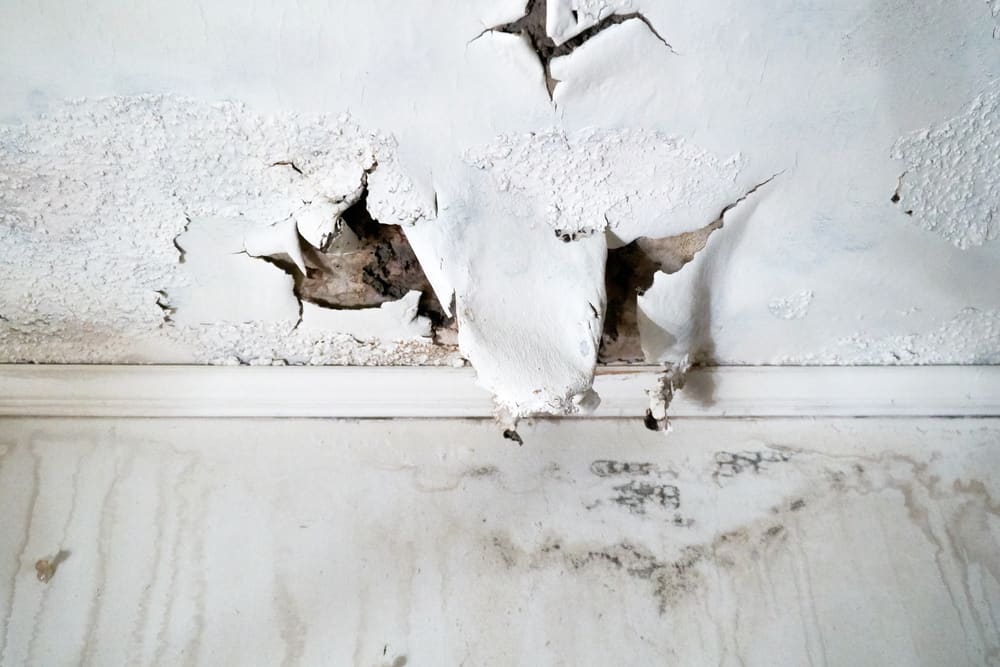
On arrival, we do a full moisture assessment using professional-grade equipment. This isn’t a visual check. Moisture meters and thermal imaging identify exactly where water has migrated into wall cavities, beneath original hardwood floors, behind baseboards, under the layered flooring systems common in Nesconset’s older homes. That mapping drives the entire drying plan, because what you can’t see is usually where the real damage is.
From there, industrial water extraction and structural drying equipment gets to work. Air movers, commercial dehumidifiers, and antimicrobial treatment address the moisture and prevent the conditions mold needs to grow. Throughout the process, everything is documented for your insurance claim scope of damage, moisture readings, drying logs. Any structural repairs or reconstruction needed afterward are handled by us, so you’re not coordinating three different contractors while trying to get your household back to normal. Restoration work in Nesconset falls under Town of Smithtown permitting requirements, and we handle that process as part of the job.

Ready to get started?
Basement Water Extraction Nesconset, NY
Water damage restoration in Nesconset isn’t a single service it’s a sequence of connected work that has to be done in the right order to actually resolve the problem. We cover the full scope: emergency water removal, structural drying, basement water extraction, mold prevention treatment, odor remediation, and reconstruction when structural repairs are needed. One company, one point of contact, from the first call through the finished job.
For Nesconset homeowners specifically, a few things come up consistently. The hamlet’s mixed glacial soils alternating clay and sand mean groundwater can rise faster than expected during heavy rain, and the drainage conditions that overwhelmed homes during the August 2024 storm aren’t going away. Sump pump failures, foundation seepage through aging concrete block walls, and burst pipes in exterior walls during cold snaps are the most common scenarios here. Each one requires a different approach, and the equipment and process adapt accordingly.
Mold remediation is included when moisture mapping identifies conditions that require it this is especially relevant in Nesconset’s older homes, where original plaster walls and decades-old building assemblies can harbor moisture long after the surface appears dry. New York State requires licensed mold assessors and remediators for projects above certain thresholds, and our credentials cover that requirement. We coordinate directly with your insurer, so you’re not left translating between your adjuster and your contractor.

Does homeowners insurance cover water damage from a burst pipe in Nesconset?
In most cases, yes standard homeowners insurance covers sudden and accidental water damage from internal sources like burst pipes, failed water heaters, or washing machine overflow. The key word is sudden. If your insurer can establish that a pipe was leaking gradually over time and wasn’t maintained, that’s where claims get denied. In Nesconset’s older housing stock where original copper supply lines and cast iron drain laterals have been in place for 50 or 60 years the condition of your plumbing matters for how a claim gets evaluated.
The other important distinction is flooding. Standard homeowners insurance never covers flooding from external sources groundwater, storm surge, or overland water entering your home. If your basement flooded during the August 2024 storm because water came in through foundation cracks or overwhelmed your sump pump, that’s typically a flood insurance claim, not a homeowners claim. Knowing which policy applies before you call your insurer saves time and prevents mistakes in how the damage gets documented. We work directly with insurance companies and can help you understand what you’re looking at before the adjuster arrives.
How quickly can mold develop after a basement floods in Nesconset?
Mold spores can begin germinating within 24 hours under the right conditions. Visible growth typically appears within 48 to 72 hours, but microscopic growth starts earlier than that. In a Nesconset basement particularly in homes with original plaster walls, older insulation, or finished basement spaces with layered flooring moisture gets trapped in places that don’t dry on their own even with fans running.
The August 2024 flooding event left many Nesconset basements with standing water that sat for hours before it could be addressed. Any home that experienced that level of intrusion and wasn’t professionally dried within the first 48 hours is at real risk of mold growth behind walls and under flooring, even if the surface looks fine now. Consumer-grade dehumidifiers and box fans don’t have the capacity to pull moisture out of wall cavities or subfloor assemblies. If there’s any question about whether your home was fully dried after a flooding event, a professional moisture assessment is the only way to know for certain.
What should I do immediately after my Nesconset basement floods?
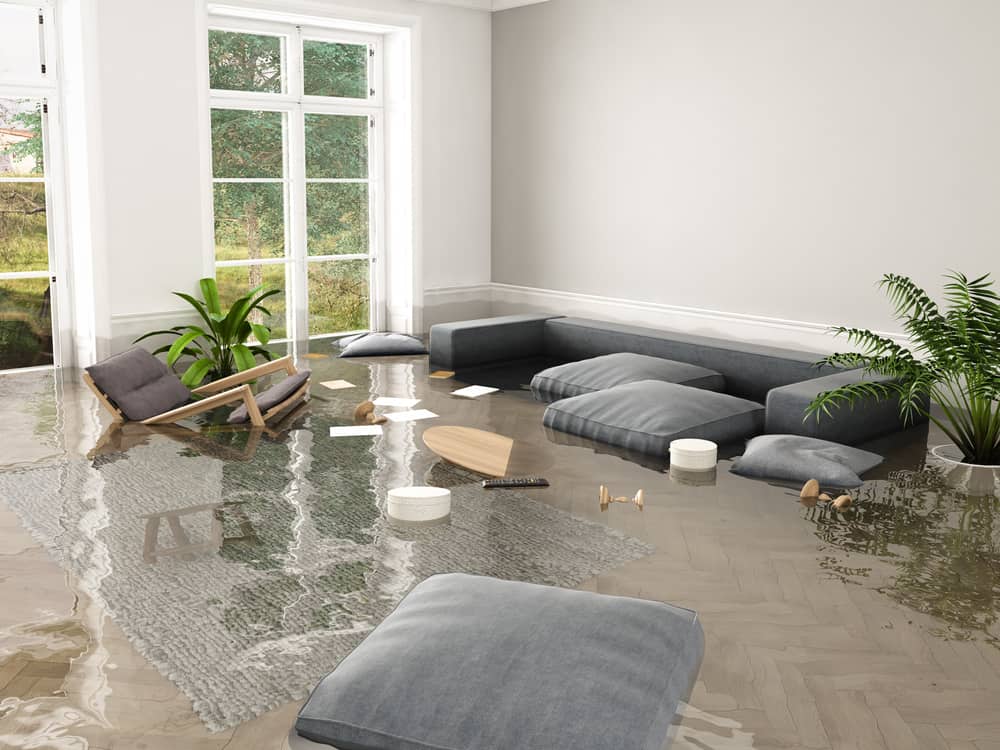
The first priority is safety don’t enter a flooded basement if there’s any chance of electrical contact with standing water. Once it’s safe, call a restoration company immediately rather than waiting to see how things dry out on their own. The 24 to 48 hour window for mold prevention is real, and every hour of delay narrows your options.
While you’re waiting for the team to arrive, document everything you can photos and video of the water level, affected areas, and any visible damage. This documentation matters for your insurance claim. Don’t throw anything away yet, even damaged materials, until the adjuster has had a chance to review the scope. If you have a sump pump that failed or was overwhelmed, note that as well it’s relevant to how the claim gets categorized. In Nesconset specifically, the combination of clay soil pockets and aging foundation walls means water often enters through multiple points simultaneously, so the full scope of entry isn’t always obvious from a single visible source.
How long does water damage restoration take for a Nesconset home?
The drying phase alone typically takes three to five days for most homes, with water extraction happening in the first one to three days. From there, the full restoration timeline depends on the extent of structural damage. A basement flood affecting a couple of rooms generally runs about three weeks from initial dry-out through final repairs. More extensive damage particularly in older Nesconset homes where water has migrated into wall cavities behind original plaster or beneath original hardwood floors can extend that timeline.
What affects the timeline most in this area is the age and construction of the home. The Storybook Homes-era ranches and colonials in Nesconset have building assemblies that weren’t designed to be opened and dried original plaster over wood lath, for example, holds moisture differently than modern drywall. Drying logs track moisture readings throughout the process so we know when structural materials have reached acceptable levels, not just when the surface feels dry. Reconstruction work, if needed, requires Town of Smithtown permits, and that process is factored into the overall project timeline.
Can storm damage from heavy rain cause water damage even if I'm not near the water in Nesconset?
Absolutely and Nesconset is a clear example of why inland location doesn’t mean flood-proof. The hamlet’s mixed glacial soils create unpredictable drainage conditions. Clay pockets beneath the surface impede water percolation, which means that during intense rainfall, groundwater rises faster than it can drain. When 10 inches of rain falls in a single night as happened in August 2024 foundation cracks that have never leaked start weeping, sump pumps get overwhelmed, and window wells fill faster than drainage systems can handle.
Storm damage restoration in Nesconset often involves multiple water entry points that aren’t all visible from inside the basement. Water can enter through foundation cracks, the joint between the foundation wall and the floor slab, window wells, and utility penetrations simultaneously. A proper storm damage assessment identifies all of them, not just the most obvious one. Addressing only the visible entry point and missing the others is one of the most common reasons homeowners end up dealing with the same problem again after the next heavy rain.
Does First Response Restoration and Cleaning Inc. handle insurance claims for Nesconset water damage jobs?
Yes working directly with insurance companies is a standard part of how we handle jobs, not an add-on. We document moisture readings, damage scope, drying logs, and all relevant data in the format insurers need to process a claim. That documentation is submitted directly, so you’re not in the middle trying to translate between your contractor and your adjuster.
This matters more in Nesconset than you might expect. The August 2024 flooding event generated a significant volume of claims across the Smithtown area, and homeowners who went through that process learned quickly how detailed the documentation requirements are. Insurance companies look for specific evidence that damage was sudden, that proper mitigation steps were taken promptly, and that the work performed meets industry standards. Our IICRC-certified technicians perform and document work to those standards which is exactly what holds up when an adjuster reviews the claim. If your insurer has questions about scope or methodology, we can speak to that directly.
Useful Links
Other Services we provide in Nesconset