
Water Damage Restoration in North Amityville, NY
South Shore Homes Built Before Flood Standards Deserve This Level of Response
Hear from Our Customers

Flood Restoration North Amityville, NY
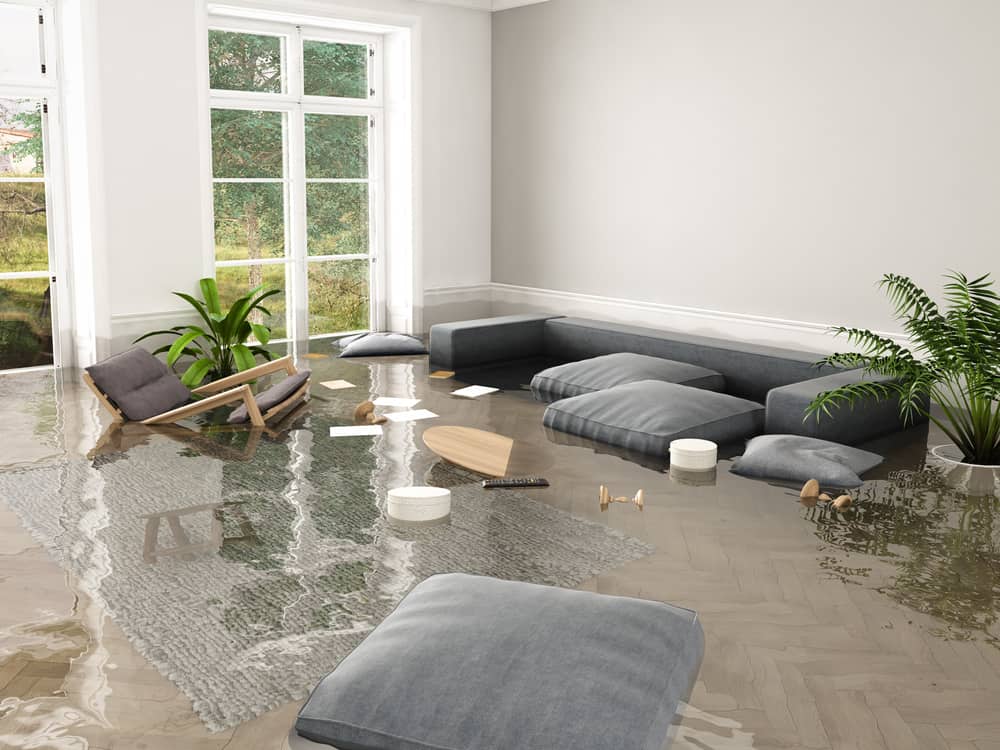
When water gets into a North Amityville home whether from a sump pump that gave out during a power outage, groundwater pushing through a foundation wall after a week of rain, or a burst pipe in a basement that hasn’t been touched since the 1960s the damage moves faster than most people expect.
The South Shore’s shallow water table means moisture doesn’t just sit on the surface. It wicks into drywall, saturates carpet padding, and creeps into the framing of your raised ranch or Garrison Colonial before you’ve even had a chance to call anyone. By the time you can see it, it’s already been spreading for hours.
What you get when the job is done right is more than a dry floor. It’s the confidence that nothing was missed. That the finished basement your family actually uses the one with the family room or the laundry setup is genuinely dry, not just surface-dry. That the moisture readings behind your walls came back clean, not just acceptable. And that your insurance claim was documented correctly from the start, so you’re not fighting a denial six weeks from now.
North Amityville’s housing stock is largely post-war construction homes built in the 1950s and 1960s on land that the Town of Babylon’s own Department of Public Works acknowledges was developed without any concern for flooding. These homes have aging plumbing, older drainage systems, and basements that sit in a FEMA AE6 flood zone where anything under six feet above sea level is considered flood-prone. Getting the restoration right the first time matters here more than almost anywhere else on Long Island.
Residential Water Damage Repair North Amityville, NY
We’re based in West Babylon a few miles from North Amityville, in the same Town of Babylon municipality. That means our team already knows what South Shore homes deal with: the high water table, the FEMA flood zone exposure, the post-war housing stock that responds to water intrusion differently than newer builds.
We’ve been working this corridor through Sandy’s aftermath, through every significant Nor’easter since, and through the routine but damaging pipe bursts and appliance failures that hit these older homes every winter. Our technicians are IICRC-certified, and we’re licensed, bonded, and insured. That matters in a market where unlicensed contractors have shown up after every major storm event since Sandy and left homeowners with incomplete work and insurance complications.
We work directly with your insurance company handling the documentation, the adjuster coordination, and the billing so that process doesn’t fall on you during an already stressful situation.
24/7 Water Damage Restoration North Amityville, NY
When you call, the first thing that happens is a real conversation not a voicemail, not a callback queue. Because water damage in a South Shore home doesn’t get better with time, our response is immediate. A crew is dispatched with industrial-grade extraction equipment, moisture meters, and drying systems that reach the places a shop vac and a box fan simply cannot.
Once on-site, we assess the full scope of the damage not just what’s visible. In North Amityville’s post-war homes, that means checking inside walls, under flooring, and in the structural cavities that hold moisture long after the surface looks dry. Thermal imaging and moisture mapping identify exactly where the problem extends.
From there, water extraction begins, followed by the placement of industrial air movers and dehumidifiers calibrated to the specific volume and material composition of your space. In the summer months, when Long Island’s coastal humidity stays above 70 percent, that calibration matters ambient moisture in the air actively works against the drying process if the equipment isn’t set correctly.
The drying phase typically runs three to five days, with daily monitoring to confirm progress. Any reconstruction work drywall, flooring, insulation requires Town of Babylon building permits, and we’re familiar with that process. Throughout all of it, the damage is being documented in a format that supports your insurance claim, whether that’s a standard homeowners policy covering a burst pipe or a separate flood policy for storm-related intrusion.
Ready to get started?
Flooded Basement Cleanup North Amityville, NY
The full scope of what we handle goes well beyond pumping out the water. For North Amityville homeowners, that’s important because the water you can see is rarely the whole problem.
Water extraction is the starting point. After that comes structural drying, antimicrobial treatment to get ahead of mold before it establishes, and a complete moisture verification process to confirm the job is actually finished, not just visually finished.
For finished basements which are common in North Amityville’s raised ranch and Garrison Colonial homes that means addressing the family room, the home office, the laundry area, or whatever living space was affected. Flooring, drywall, and insulation that can’t be salvaged get removed and replaced. The goal is to return the space to what it was before, not hand you back a gutted shell and call it done.
We handle storm damage restoration, burst pipe water damage, sump pump failure flooding, and sewage backup cleanup. We also handle mold remediation if the damage wasn’t caught quickly enough a real risk in North Amityville given the South Shore’s humidity and the 24 to 48-hour window in which mold can begin establishing in wet drywall.
If your situation involves both a standard homeowners policy and a separate NFIP flood policy which is common for homes in the AE6 zone along the Babylon south shore we coordinate documentation across both, so you’re not managing two separate claims processes on your own.

Does homeowners insurance cover water damage in North Amityville, NY?
It depends on the source of the water, and this distinction matters especially in North Amityville. Standard homeowners insurance covers sudden, accidental water damage from internal sources a burst pipe, a failed washing machine supply line, a water heater that gives out. What it does not cover is flooding. If water enters your home from the outside storm surge, rising groundwater, or overland flow that falls under flood insurance, which is a completely separate policy issued through the National Flood Insurance Program.
Because North Amityville sits in a FEMA AE6 flood zone, many homeowners here carry both policies. The critical issue is that the damage gets documented correctly for the right policy from the start. An insurance company can deny a claim if the cause of loss is misclassified or poorly documented. We work directly with your insurer and if you have both policies, we coordinate the documentation across both so the claim reflects what actually happened and gives you the best chance of a full recovery.
How fast does mold grow after a basement floods in a South Shore home?
Faster than most people expect and faster in North Amityville than in drier parts of Long Island. The EPA’s guidance is clear: water-damaged areas need to be dried within 24 to 48 hours to prevent mold growth. In a coastal community like North Amityville, where summer relative humidity regularly exceeds 70 percent, that window is even tighter. Wet drywall in an unventilated basement can show visible mold growth in as little as 24 hours when ambient humidity is high.
The other issue is that mold doesn’t always start where you can see it. It begins in the wall cavity, behind the baseboard, under the carpet padding places that stay wet long after the surface feels dry. Consumer-grade fans and dehumidifiers don’t reach those spaces. Industrial drying equipment does, and moisture meters confirm when the job is actually done. If you’re dealing with a flooded basement in North Amityville, the window to avoid a mold remediation job on top of a water damage restoration job is short. Acting the same day matters.
What causes most basement flooding in North Amityville homes specifically?
There are a few recurring causes, and they’re connected to North Amityville’s specific geography and housing stock. The most common is groundwater intrusion. The South Shore sits on a shallow aquifer system, and after sustained rain, the water table rises pushing through foundation walls and floor joints in older homes that weren’t waterproofed to modern standards. Many of North Amityville’s post-war raised ranches and ranch homes were built in the 1950s and 1960s on land that, by the Town of Babylon’s own account, was developed without any concern for flooding.
The second major cause is sump pump failure during power outages, which often coincide with the exact storms that raise the water table. When the pump stops and the groundwater pressure is at its highest, basements can fill quickly. Burst pipes are the third common cause particularly in winter, when unheated basement pipe runs in older homes freeze and fail. Storm surge from significant weather events, including Nor’easters and tropical storms, also affects lower-lying streets in North Amityville, especially south of Sunrise Highway.
How long does water damage restoration take for a typical North Amityville home?
For a typical basement flood in a post-war South Shore home a single finished space, moderate water intrusion, no major structural damage you’re generally looking at a three-to-five day drying phase, followed by whatever reconstruction is needed. The drying phase involves daily monitoring with moisture meters to confirm the walls, flooring, and framing are reaching acceptable levels. Rushing that phase is one of the most common mistakes, because drywall that tests at the surface but still holds moisture inside will grow mold within weeks.
If the damage is more extensive multiple rooms affected, structural elements compromised, or mold already present the timeline extends accordingly. Mold remediation adds to the scope. Reconstruction of finished spaces, which requires Town of Babylon building permits for structural work, adds additional time depending on the materials involved. The honest answer is that the timeline is determined by what the moisture readings actually show, not by an arbitrary schedule. We give you daily updates throughout the process so you’re never guessing where things stand.
Can I stay in my house during water damage restoration in North Amityville?
In most cases, yes but it depends on the extent of the damage and where it’s located. If the flooding is confined to a basement or a single area of the home and the rest of the living space is unaffected, most families stay in the house throughout the restoration process. The equipment air movers, dehumidifiers runs continuously and is loud, but it’s manageable. We work around your schedule as much as possible.
If the damage involves Category 3 water which includes sewage backup, floodwater from storm surge, or groundwater that’s picked up contaminants the affected area needs to be isolated and the air quality assessed before it’s safe to occupy normally. This is particularly relevant in North Amityville given documented groundwater quality concerns in the area. If there’s any question about the water source or contamination level, we’ll assess it and give you a straight answer about whether staying in the home is advisable during the work.
What should I do immediately after my basement floods in North Amityville?
The first thing is to make sure it’s safe to enter the space. If there’s any chance the water has reached electrical outlets, the panel, or appliances, don’t go in until the power to that area has been shut off. Water and live electricity is the most immediate danger in a flooded basement, and it’s not worth the risk.
Once it’s safe, call a restoration company before you call your insurance company. This isn’t about bypassing the claims process it’s about making sure the damage is properly documented before anything gets moved, dried, or discarded. Insurance adjusters work from the evidence that exists when they arrive. If you’ve already started pulling up carpet and throwing out damaged materials, you may be reducing your own claim.
We can assess the damage, document it thoroughly, and then coordinate directly with your insurer from that point forward. In North Amityville, where many homeowners are managing both a standard homeowners policy and a separate NFIP flood policy, having that documentation handled correctly from the start can be the difference between a fully covered claim and a partial one. Don’t wait on calling the 24 to 48-hour mold window starts the moment the water enters.
Useful Links
Other Services we provide in North Amityville