
Water Damage Restoration in North Bellport, NY
When Groundwater Rises Through Your Foundation, We Respond Before Mold Does
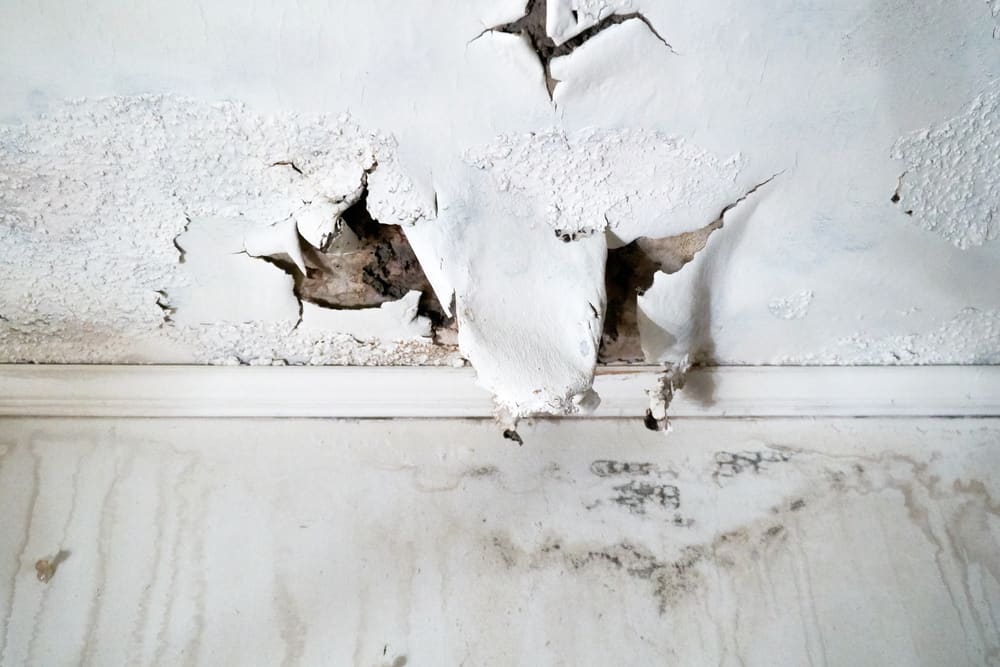
Hear from Our Customers

Flood Restoration Services in North Bellport, NY
The goal isn’t just a dry floor. It’s knowing that the moisture inside your walls, under your subfloor, and behind your baseboards is actually gone not just hidden. That’s the difference between a home that’s been cleaned up and a home that’s been properly restored.
North Bellport sits on a South Shore water table that sits close to the surface year-round. The risk here isn’t only about hurricanes or burst pipes. A few weeks of heavy rain can push water through your basement slab from below, and consumer-grade fans won’t touch the moisture that’s already wicked into your framing.
The homes in North Bellport were built primarily in the post-WWII decades by the Hagerman Land Company most of the housing stock is 60 to 75 years old. Older foundations, original plumbing, and wall cavities that were never designed for moisture inspection mean that hidden water damage is more common here than in newer communities. When we leave, you’ll have documentation showing exactly what was found, what was dried, and what was done which matters significantly when you’re filing a claim with your insurance company.
Residential Water Damage Repair in North Bellport, NY
We’ve been working on Long Island homes for nearly three decades. That span covers every major storm event the South Shore has seen including the nor’easters and tropical remnants that have repeatedly hammered communities along the Sunrise Highway corridor from East Patchogue through Brookhaven. We know what North Bellport homes are made of, how their foundations age, and why groundwater intrusion happens here more often than in newer communities.
We’re IICRC-certified, licensed, bonded, and insured. Our technicians follow the IICRC S500 standard for water damage restoration the protocol that insurance adjusters in Suffolk County expect when they review a claim. That matters in North Bellport specifically, because the 1960s split-level designs common throughout the area can create coverage ambiguities around below-grade living spaces, and having properly documented, certified work is often what separates an approved claim from a denied one.
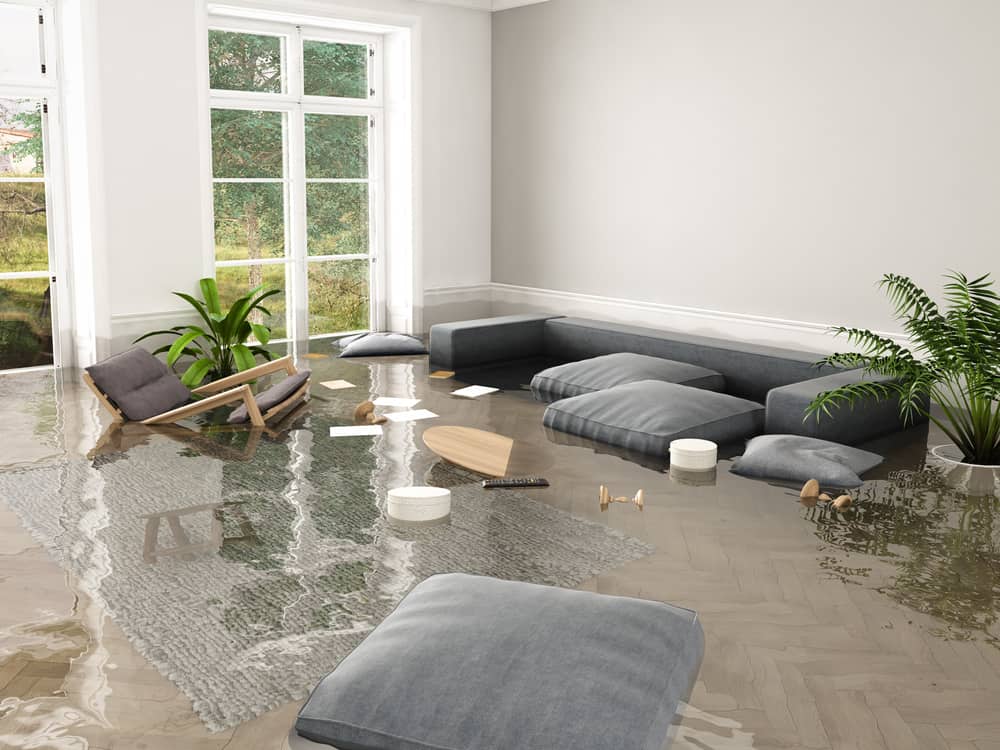
24/7 Water Damage Restoration in North Bellport, NY
When you call, the first thing that happens is a real conversation not a form submission that goes into a queue. We operate around the clock because the 24 to 48 hour window before mold begins forming doesn’t align with business hours. If your basement is taking on water at 11 p.m. on a Sunday, that’s when you need someone, and that’s when we answer.
Once on site, we start with a full moisture assessment not just the visible water, but what’s behind the drywall, under the flooring, and inside the wall cavities. Industrial-grade moisture meters and drying equipment reach places that a shop vac and a box fan simply don’t. In North Bellport, where many homes still have original or near-original plumbing and foundations that predate modern waterproofing standards, that assessment step is where hidden problems get caught before they become mold problems six weeks later.
From there, the process moves through water extraction, structural drying, dehumidification, and antimicrobial treatment as needed. If the damage requires reconstruction drywall, flooring, framing that’s handled under the same roof. Throughout every phase, we document the work in a format that supports your insurance claim directly. We work with your insurer, communicate with the adjuster, and handle the billing coordination so that process doesn’t fall on you while you’re already dealing with a damaged home.

Ready to get started?
Burst Pipe and Basement Flood Cleanup in North Bellport, NY
Water damage in North Bellport doesn’t come from one direction. In spring, it’s the water table rising after snowmelt and rain, pushing through basement slabs from below. In summer and fall, it’s storm surge from South Shore weather systems the Bellport area sits at a historically significant point of exposure, as the 1938 Long Island Express made its first landfall near Bellport. In winter, it’s frozen pipes in the uninsulated wall cavities common in this hamlet’s aging housing stock, bursting when temperatures drop and thaw.
We handle all of it groundwater intrusion, storm flooding, burst pipe water damage, sewage backup, and the mold remediation that follows when any of these events aren’t addressed quickly enough. Sewage backup is a specific risk in North Bellport: portions of the hamlet still rely on cesspools and septic systems rather than municipal sewer connections, and when the water table rises, those systems can become hydraulically loaded and back up into basements. That’s Category 3 water damage the most hazardous classification and it requires a different remediation protocol than a clean water pipe burst.
New York State requires a licensed mold remediation contractor for any mold project exceeding 10 square feet under Industrial Code Rule 56. We meet that requirement. Our work is performed to the standard that the Town of Brookhaven and Suffolk County permit processes expect, and the documentation supports both regulatory compliance and insurance claim approval.

Does homeowners insurance cover water damage from basement flooding in North Bellport?
It depends on the source of the water, and this distinction matters a lot for North Bellport homeowners specifically. Standard homeowners insurance typically covers sudden, accidental water damage from internal sources a burst pipe, a washing machine overflow, a water heater failure. It does not cover flooding, which is defined as water entering from outside the structure, including groundwater rising through the foundation or storm surge coming in from the bay system. For that, you’d need a separate flood insurance policy through the National Flood Insurance Program.
The complication in North Bellport is that the water table sits close to the surface year-round, and what looks like “flooding” to a homeowner may actually be groundwater intrusion through a foundation crack which can sometimes be treated differently under a policy than storm surge flooding. Additionally, the split-level and below-grade family room designs common in 1960s Brookhaven construction can create disputes about whether the affected space qualifies as a “basement” under the policy language. Having an IICRC-certified restoration company document the source and category of water damage from the start gives you the clearest possible record to support your claim and avoid a denial based on misclassification.
How quickly does mold start growing after a basement floods?
The EPA is direct about this: water-damaged areas need to be dried within 24 to 48 hours to prevent mold growth. Mold spores are already present in the air and on surfaces in virtually every home they don’t need to be introduced from outside. What they need is moisture, and once they have it, germination can begin within 24 hours. Visible growth typically appears within 48 to 72 hours, but microscopic growth starts earlier than that.
In North Bellport’s older housing stock, this timeline is compressed by the building materials themselves. Original drywall, wood framing, and subfloor materials from the 1950s and 1960s are more porous than modern equivalents and absorb moisture faster. A basement that floods on a Thursday night and isn’t professionally dried until Monday morning may already have active mold growth by the time a technician arrives and at that point, you’re looking at remediation costs on top of restoration costs. The 24 to 48 hour window is not a marketing concept. It’s a biological timeline that determines whether you’re dealing with a water damage job or a water-plus-mold job.
What is the difference between water damage categories, and why does it matter for my claim?
The IICRC S500 standard classifies water damage into three categories based on contamination level, and the category affects both the remediation protocol and what your insurance company expects to see in the documentation. Category 1 is clean water a burst supply pipe, an appliance overflow from a clean source. Category 2 is gray water a washing machine drain backup, a toilet overflow without solid waste. Category 3 is black water sewage backup, groundwater that has picked up contaminants, or floodwater from outside.
This matters for North Bellport homeowners in a specific way. The hamlet’s reliance on cesspools and septic systems in areas without municipal sewer connections means that basement backups during high groundwater events are often Category 3 events, not Category 1. The cleanup protocol for Category 3 is significantly more involved it requires antimicrobial treatment, protective equipment, and in many cases removal of porous materials like drywall and flooring that have been contaminated. If a restoration company treats a Category 3 event like a Category 1 cleanup, the work is inadequate and the insurance documentation will reflect that, which can create problems with your claim and leave health risks in your home.
Can I dry out my basement myself after a flood, or do I need a professional?
You can remove standing water with a wet-vac and run fans, and that’s a reasonable first step while you’re waiting for help. But consumer-grade equipment doesn’t dry a basement it dries the visible surface of a basement. The moisture that has wicked into your drywall, traveled up your wall framing, and settled under your subfloor isn’t accessible to a box fan. It requires industrial air movers, commercial dehumidifiers, and moisture meters that can read inside wall cavities and below floor surfaces.
The practical risk of stopping at the DIY stage is that you end up with a basement that looks dry but isn’t. Six weeks later, you notice a musty smell. You pull back the baseboard and find mold running up the wall framing. At that point, you’re dealing with a mold remediation project on top of the original water damage and the window to file an insurance claim on the initial event may have closed. In North Bellport, where spring groundwater events are a recurring pattern and the housing stock is old enough that this scenario has played out in many homes before, the cost of cutting the process short is almost always higher than the cost of doing it right the first time.
How long does water damage restoration typically take for a North Bellport home?
For a moderate basement flooding event one room, no structural damage, clean water source the drying phase typically runs three to five days using professional equipment. Water extraction itself is usually completed within the first day. After drying is confirmed with moisture readings, any necessary repairs drywall, flooring, framing extend the timeline further, and a full restoration from initial event to completed repairs averages around two to three weeks for a typical basement flood.
The timeline can extend depending on what’s found during the moisture assessment. In North Bellport’s older homes, it’s not uncommon to find that water has traveled further than the visible damage suggests up wall cavities, under multiple layers of flooring, or into adjacent rooms through the subfloor. The assessment phase at the beginning of the job is what determines the actual scope, and it’s better to find that out on day one than to discover it after the repairs are already done. We’ll walk you through the full scope and timeline before work begins, so you’re not guessing about how long you’ll be displaced or what to expect from the process.
Why does my North Bellport basement flood even when there's no storm or broken pipe?
Because the water table in this part of Suffolk County sits close to the surface, and during prolonged rain events it rises and pushes through your foundation from below. This is groundwater intrusion, and it doesn’t require a named storm, a roof leak, or a plumbing failure to happen. The National Flood Insurance Program identifies groundwater as a recurring local threat in coastal communities like North Bellport, which tells you something about how common this problem is in this specific area.
The homes in North Bellport were built primarily in the post-WWII era, before modern foundation waterproofing standards existed. Basement slabs and foundation walls from the 1950s and 1960s were not designed to resist sustained hydrostatic pressure from a high water table. When you add aging mortar joints, foundation cracks that have developed over decades, and the fact that portions of the hamlet are still on cesspools rather than municipal sewers, you have a combination of factors that makes groundwater intrusion a seasonal reality for many homeowners not a freak occurrence. Understanding that the source is groundwater rather than storm surge also affects your insurance coverage options, which is another reason to have a professional assess and document the event properly from the start.
Useful Links
Other Services we provide in North Bellport