
Water Damage Restoration in North Lindenhurst, NY
North Lindenhurst's Aging Homes Deserve More Than a Surface Fix
Hear from Our Customers

Flood Restoration Services in North Lindenhurst
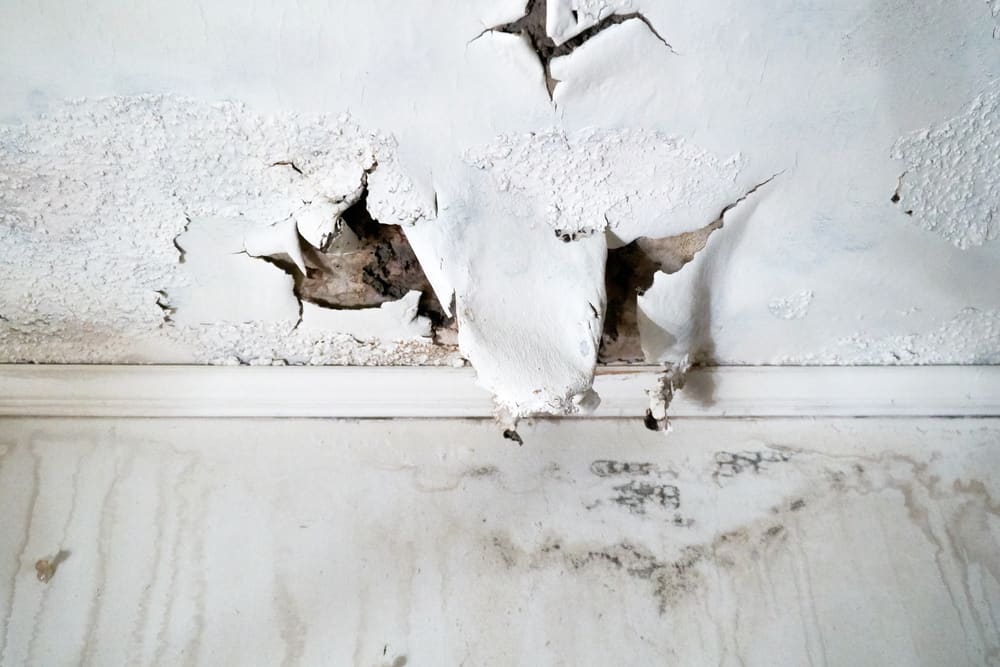
When water gets into a Cape Cod or split-level built in the 1950s, it doesn’t just sit on the surface. It moves through original plaster walls, soaks into wood subfloors that were never designed with modern vapor barriers in mind, and hides in places a shop vac will never reach. What you actually want when this is over isn’t just a dry floor it’s confidence that the moisture is gone everywhere it went, not just the places you can see.
That’s a different outcome than what you get from a quick extraction and a couple of box fans. Real residential water damage repair means moisture mapping the entire affected area, drying the structure not just the surface and verifying the results with equipment before anyone calls the job done. For a home worth $500,000 or more in today’s North Lindenhurst market, that thoroughness isn’t optional. It’s what protects your investment and keeps a water event from turning into a mold problem six weeks later.
The South Shore’s shallow water table adds another layer to this. Groundwater in this corridor can push through basement slabs during a sustained wet stretch even without a dramatic storm event. Slow, quiet, easy to miss until you smell it. Getting ahead of that with the right drying equipment and the right process is what separates a clean outcome from a recurring problem.
Trusted Water Damage Company in North Lindenhurst
First Response Restoration & Cleaning is based in West Babylon which puts us directly inside the Town of Babylon, the same municipal jurisdiction as North Lindenhurst. When you call our 631 number, you’re not reaching a national dispatch center routing a crew from another county. You’re reaching a team that has been working in this specific corridor of Suffolk County for close to three decades.
That matters here more than it might somewhere else. The homes along Wellwood Avenue and Straight Path, the ranches near William Rall Elementary, the older split-levels throughout North Lindenhurst these aren’t generic suburban houses. They have original plumbing, original construction, and water damage patterns that behave differently than newer builds. Our technicians are IICRC-certified and have spent years learning exactly how water moves through this housing stock. Licensed, bonded, and insured, we also work directly with your insurance company so you’re not left managing the paperwork on top of everything else.
Our Water Damage Restoration Process in North Lindenhurst
The first call triggers an emergency response. We arrive, assess the full scope of the damage not just what’s visible and use moisture meters and thermal detection to map exactly where the water has traveled. In North Lindenhurst’s older homes, that often means checking inside wall cavities, beneath original hardwood floors, and along the basement perimeter where groundwater intrusion from the South Shore water table can compound a pipe or appliance failure. That assessment also gives us what we need to document the damage properly for your insurance claim from the start.
From there, we extract standing water and deploy industrial-grade air movers and dehumidifiers. This isn’t the equipment you rent from a hardware store it’s commercial-grade machinery that pulls moisture out of structural materials, not just air. The drying phase typically runs three to five days, depending on the extent of the damage and the construction of your home. We monitor readings throughout and don’t call the job complete until the numbers confirm it.
Once the structure is dry, we assess for any mold risk, treat affected areas with antimicrobial application where needed, and move into repairs and reconstruction as required. Because we handle the full scope from basement water extraction through rebuild you’re not coordinating multiple contractors or explaining the situation from scratch to a new crew. All restoration work requiring permits falls under Town of Babylon’s Building Division, and we handle that coordination as part of the process.

Ready to get started?
Flooded Basement Cleanup and Storm Damage in North Lindenhurst
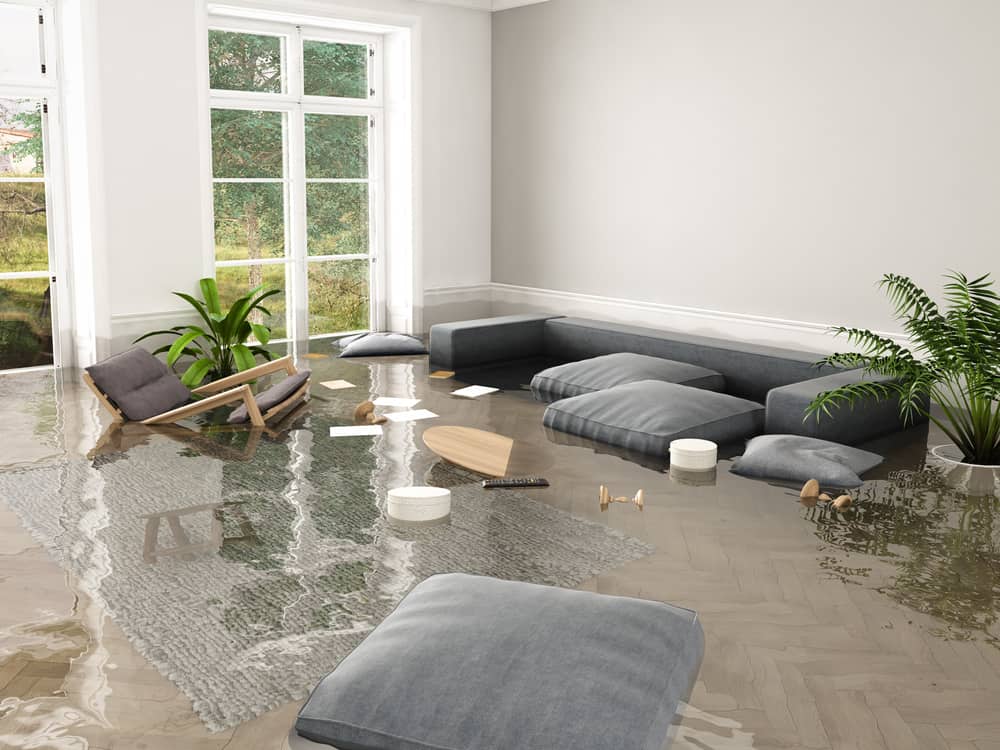
The water damage calls we get from North Lindenhurst follow a few consistent patterns. Burst pipe water damage in winter when a deep freeze hits and the original galvanized pipes in a 1958 Cape Cod finally give way. Sump pump failures during nor’easters that knock out power along the South Shore, sending groundwater into basements that depend on that pump to stay dry. Flooded basement cleanup after a heavy spring rain overwhelms drainage in a densely developed hamlet with limited green space to absorb runoff. And the slower, quieter ones appliance line failures or slow leaks behind walls that go unnoticed for days while the household commutes into the city.
Each of these situations calls for a different response, and each one affects North Lindenhurst homes in ways that are specific to the age and construction of the housing stock here. We handle all of it water removal and drying, mold remediation, structural repairs, 24/7 water damage restoration response for emergencies, and full rebuild when the damage warrants it. We also work directly with your homeowner’s insurance on documentation and billing, which matters in a post-Sandy Long Island insurance environment where claim documentation quality has real consequences.
There are no named service packages here the scope of every job is determined by what the damage actually requires, assessed on-site and documented transparently before work begins.

Does homeowners insurance cover water damage in North Lindenhurst, NY?
Standard homeowners insurance typically covers sudden, accidental water damage a burst pipe, a washing machine line that fails, a water heater that lets go. What it does not cover is flooding. If water enters your home from outside storm surge, groundwater, overflowing drainage that requires separate flood insurance through the National Flood Insurance Program or a private flood policy. This distinction trips up a lot of homeowners in North Lindenhurst and the broader Lindenhurst area, especially after Sandy, when many residents discovered their standard policy didn’t cover what they assumed it would.
The other common issue is documentation. Insurance adjusters evaluate claims based on how damage is recorded what was affected, when, and to what extent. Policies can also deny claims where there’s evidence the damage resulted from deferred maintenance rather than a sudden event. Working with an IICRC-certified company like First Response Restoration & Cleaning means the damage is documented to the standard insurance companies expect, which gives your claim the best possible foundation from the start.
How fast does mold grow after a basement flood in my North Lindenhurst home?
The EPA’s guidance is clear: water-damaged areas need to be dried within 24 to 48 hours to prevent mold growth. That window starts when the water appears not when you discover it. For North Lindenhurst households where both adults are commuting into the city, a pipe that fails on a Tuesday morning can have eight or more hours of undetected spread before anyone gets home. By the time you find it, you may already be inside that mold window.
Mold spores don’t need much. Moisture, a surface, and time that’s the formula. In the older construction common throughout North Lindenhurst, original plaster walls and wood subfloors are particularly hospitable to mold growth once wet. The problem with a DIY cleanup is that consumer-grade fans dry the surface, not the structure. Moisture that remains inside a wall cavity or beneath a subfloor can produce visible mold growth weeks after you thought the problem was resolved. Industrial drying equipment and moisture verification are what close that window reliably.
What should I do immediately after my basement floods?
The first priority is safety don’t enter a flooded basement if there’s any chance of electrical contact. If your breaker panel is in the basement or water is near outlets, cut power at the main before going in. Once it’s safe, call a restoration company before you start trying to clean it up yourself. The reason this order matters is documentation: an adjuster or restoration technician needs to see the damage as it was, not after you’ve moved things around or started drying with fans.
After you’ve made the call, move valuables and furniture out of the affected area if you can do so safely. Don’t run a standard wet-vac and assume the job is done basement water extraction at a professional level involves removing water from structural materials, not just the floor. In North Lindenhurst’s older homes, where original concrete block foundations and wood framing absorb water differently than modern construction, surface-level cleanup consistently leaves hidden moisture behind. Getting a professional assessment done quickly is what keeps a manageable water event from becoming a mold remediation project.
How long does water damage restoration take in a typical North Lindenhurst home?
For most residential water damage situations a burst pipe, a sump pump failure, an appliance line leak the drying phase typically runs three to five days once extraction is complete. The full restoration timeline, including any needed repairs or reconstruction, averages around two weeks for moderate damage. More extensive situations involving structural damage or significant mold growth can run longer.
In North Lindenhurst specifically, the age of the housing stock affects this timeline in practical ways. Older construction materials original plaster, older wood framing, uncoated concrete block foundations absorb and release moisture more slowly than modern materials. That means drying times can run slightly longer than they would in a newer home, and moisture monitoring needs to be more thorough to confirm the job is complete. We track readings throughout the drying phase and don’t move to repairs until the structural moisture levels confirm it’s time. Rushing that step is what leads to mold problems and callbacks.
Can a sump pump failure really cause serious water damage?
Yes and it’s one of the most common water damage scenarios we see in South Shore communities like North Lindenhurst. The water table along this stretch of Suffolk County is shallow and responsive to tidal and storm influence. Many basements in the area depend on a functioning sump pump to stay dry during sustained wet periods, even without a dramatic storm event. When a nor’easter knocks out power which happens regularly in this corridor the pump stops, and groundwater that would normally be redirected starts pushing through the basement slab.
The damage from a sump pump failure can be significant and fast-moving. Water doesn’t need a dramatic entry point it seeps through the slab, along the foundation perimeter, and into finished basement spaces that weren’t designed to handle standing water. The cleanup process is the same as any other flooded basement: extraction, structural drying, moisture verification, and mold prevention treatment where needed. If you have a finished basement, the scope often includes drywall, flooring, and framing all of which need to be assessed and dried or replaced depending on how long the water was present.
How do I know if I need mold remediation after water damage in my home?
You don’t always see mold before it becomes a problem. In the post-WWII construction common throughout North Lindenhurst, moisture can sit inside wall cavities, beneath original hardwood floors, and behind baseboards without any visible sign on the surface. The tell is usually smell a musty odor that develops days or weeks after an apparent cleanup or physical symptoms like increased allergy reactions in household members. By the time mold is visible, it’s typically been growing for a while.
The most reliable way to know is moisture verification during the drying process. If a restoration company uses industrial moisture meters and confirms that structural readings have returned to normal dry-standard levels, the risk of mold growth is substantially reduced. If drying was done with consumer equipment or wasn’t verified with measurements, there’s a real possibility that hidden moisture remains. For homes in North Lindenhurst that have had any kind of water intrusion burst pipe, flooded basement, sump pump failure and weren’t professionally dried and verified, a mold inspection is a reasonable next step, particularly before finishing or re-finishing a basement space.
Useful Links
Other Services we provide in North Lindenhurst