
Water Damage Restoration in North New Hyde Park, NY
When 70-Year-Old Pipes Finally Give Out, You Need More Than a Mop
Hear from Our Customers

Flood Restoration Services in North New Hyde Park, NY
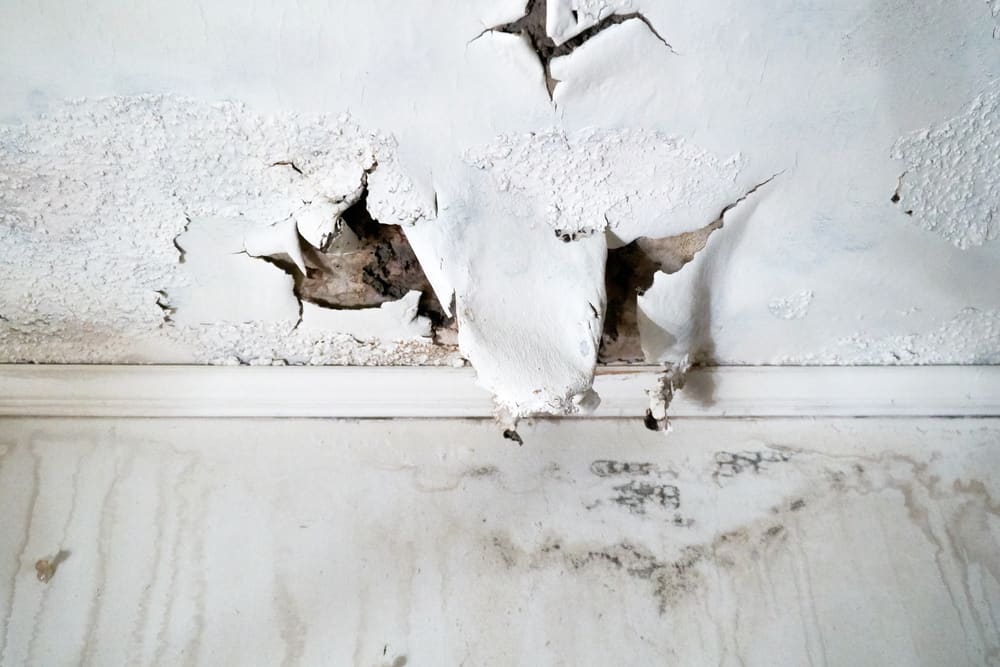
When water gets into a North New Hyde Park home built between the 1940s and 1960s, it doesn’t just sit on the surface. It travels into plaster walls, under original hardwood floors, and into structural cavities that were never designed with moisture intrusion in mind. Getting the water out is only part of the job. Finding every place it went and eliminating it completely is what actually protects your home.
For North New Hyde Park homeowners, the stakes are real. Median home values here run close to a million dollars, and property taxes average over $10,000 a year. That’s not a home you cut corners on. Whether the cause is a burst pipe, a sewer backup through a floor drain during a heavy storm, or hydrostatic pressure seeping through a foundation wall, the outcome you need is the same: a fully dried, professionally documented restoration that holds up with your insurance company.
That documentation matters more than most people realize. A restoration that isn’t properly recorded moisture readings, drying logs, damage photos, scope of work can complicate or even derail your claim. The work done in the first 48 hours determines a lot about how smoothly that process goes.
Residential Water Damage Repair in Nassau County
We’ve been handling water damage on Long Island for nearly three decades. That’s not a marketing number it’s the amount of time it takes to actually know how Nassau County homes behave when water gets in. The pre-war capes and post-war colonials that line the streets of North New Hyde Park respond differently to moisture than newer construction, and we’ve seen every variation.
We’re based in West Babylon and maintain dedicated Nassau County coverage, which means when you call the 516 number, you’re reaching people who are already here not a call center routing your emergency to whoever’s available. IICRC-certified technicians, a fully licensed and insured operation, and direct insurance billing are the baseline. What’s less common is the combination of that credibility with nearly 30 years of genuine Long Island experience behind it.
North New Hyde Park sits in the Town of North Hempstead, and the homes here are among the most valuable in western Nassau County. That’s exactly the kind of property we were built to protect.

24/7 Water Damage Restoration Process in North New Hyde Park, NY
The first call triggers an immediate response. A certified technician comes to your home, assesses the full scope of the damage, and classifies the water source because not all water damage is the same. A burst pipe is very different from a sewer backup through a floor drain, and North New Hyde Park’s older combined sewer system is documented to push sewage back into basements during heavy storm events. That distinction matters for both the remediation protocol and your insurance claim.
Once the assessment is complete, extraction begins. Industrial water removal equipment pulls standing water out fast, followed by professional-grade air movers and dehumidifiers that reach into wall cavities, under flooring, and into the structural areas that consumer equipment simply can’t access. Moisture meters track the drying progress at every stage, so there’s no guessing about whether the job is actually done.
For homes in North New Hyde Park built before 1980 which covers most of the housing stock here any demolition work required as part of the restoration triggers a pre-demolition asbestos survey under Nassau County requirements. We handle that as part of the process, not as a surprise add-on. From there, the scope moves into structural repairs and reconstruction as needed, and the documentation package goes directly to your insurance carrier.
Ready to get started?
Basement Water Extraction and Flood Cleanup in North New Hyde Park, NY
Water damage restoration in North New Hyde Park covers more ground than most people expect going in. Our service runs from initial water extraction through structural drying, antimicrobial treatment, mold prevention, and full reconstruction handled by one company, not a chain of subcontractors you have to coordinate yourself. That matters when you’re dealing with a home that may have cast iron drain pipes, original plaster walls, and insulation that hasn’t been touched since the Eisenhower administration.
Flooded basement cleanup here often involves more than rainwater. The combined sewer infrastructure serving older parts of North New Hyde Park can back up during significant storm events, which means the water coming through your floor drain may be Category 3 sewage-contaminated water that requires a completely different remediation approach than a clean water pipe burst. We identify the water category on arrival and respond accordingly, with the proper containment, disposal, and documentation that a contamination event requires.
Burst pipe water damage, storm damage, appliance failures, and sewer backups are all within scope. So is the insurance coordination that follows. We work directly with your carrier, handle the billing, and provide the documentation your adjuster needs. For North New Hyde Park homeowners managing demanding schedules many of whom work long shifts at the LIJ Medical Center campus right next door that means one less battle to fight while your home gets put back together.

Does homeowners insurance cover basement flooding in North New Hyde Park, NY?
It depends on what caused the flooding, and that distinction matters a lot in North New Hyde Park. Standard homeowners insurance typically covers sudden, accidental water damage from internal sources a burst pipe, a failed water heater, an appliance that overflows. What it does not cover is flooding from outside the home, which requires a separate flood insurance policy through the National Flood Insurance Program.
Here’s where it gets specific to this area: North New Hyde Park’s older combined sewer system can back up into basements during heavy rain events, sending sewage through floor drains. Whether that kind of event is covered depends on your policy and whether you have sewer backup coverage as an add-on which is not automatically included in most standard homeowners policies. Many Nassau County homeowners don’t realize this gap exists until they’re filing a claim.
The best thing you can do in the immediate aftermath is call us before you call your insurance company. Proper documentation of the damage water category, affected areas, moisture readings from the very first hour gives your claim the strongest possible foundation. We handle that documentation as part of the initial assessment.
How fast does mold start growing after a basement floods in Nassau County?
The EPA puts the window at 24 to 48 hours. That’s how long it takes for mold spores which are already present in the air in virtually every home to begin germinating on wet surfaces. Visible growth typically appears within 48 to 72 hours, but microscopic colonization starts earlier than that.
In a home built in the 1940s or 1950s, like most of the housing stock in North New Hyde Park, that timeline is even more consequential. Older plaster walls, original hardwood floors, and the insulation inside exterior walls all absorb and hold moisture in ways that modern materials don’t. A surface that looks dry to the eye can still be holding enough moisture inside the wall cavity to sustain mold growth for weeks.
This is exactly why consumer-grade fans and wet-vacs aren’t sufficient after a significant water event. They can clear standing water and dry the surface, but they can’t reach the moisture that’s already wicked into the structure. Professional moisture meters and industrial drying equipment find and eliminate that hidden moisture which is the only way to actually stop the mold clock from running.
What happens if my sewer backed up into my basement is that different from regular water damage?
Yes, significantly. Sewage backup is classified as Category 3 water damage under the IICRC S500 standard the most serious category, involving water that contains pathogens and contaminants that pose real health risks. It requires a completely different remediation protocol than a burst pipe or appliance overflow, which are typically Category 1 (clean water).
In North New Hyde Park, this is a documented local issue. The community’s older combined sewer infrastructure which carries both stormwater and sanitary sewage in the same pipes can be overwhelmed during heavy rain events, pushing sewage back up through floor drains and basement fixtures. It’s not a rare edge case; it’s a known characteristic of the area’s aging sewer system.
Category 3 remediation involves proper containment to prevent cross-contamination, removal and disposal of affected porous materials that can’t be safely cleaned, antimicrobial treatment of all affected surfaces, and thorough documentation for insurance purposes. Attempting to clean this up with household products is both ineffective and hazardous. It’s one of the clearest situations where calling us immediately rather than trying to handle it yourself is the right call for your health and your claim.
How long does water damage restoration typically take in a North New Hyde Park home?
For most homes, the drying phase alone takes three to five days using professional equipment. Full restoration from initial extraction through structural repairs and reconstruction typically runs about two to three weeks for moderate damage affecting one or two rooms. More extensive damage, or situations where mold has already developed, can extend that timeline significantly.
In North New Hyde Park specifically, a couple of factors can affect the timeline. First, the age of the housing stock matters. Homes built in the 1940s through 1960s often have original plaster walls and subfloor materials that hold moisture longer than modern drywall and OSB. They may also require more careful drying protocols to avoid damaging original hardwood floors and other period materials.
Second, if any demolition is required as part of the restoration removing damaged drywall, flooring, or insulation Nassau County requires a pre-demolition asbestos survey for homes built before 1980. Most homes in North New Hyde Park fall into that category. That survey needs to happen before demo work begins, and while it doesn’t dramatically extend the overall timeline, it’s a step that needs to be planned for. We factor this into the project scope from the start so there are no surprises.
Can I stay in my house during water damage restoration in North New Hyde Park?
In most cases, yes but it depends on the extent of the damage and what type of water is involved. For clean water events like a burst pipe that’s been caught relatively quickly, most homeowners can remain in the home while drying equipment runs. The equipment is loud and the process is disruptive, but it’s manageable.
The situation changes with Category 3 events sewage backups, which are a real risk in North New Hyde Park given the community’s older combined sewer infrastructure. In those cases, the affected areas need to be properly contained, and depending on the scope of contamination, temporary relocation may be the safer and more practical option while remediation is underway.
If mold is present or suspected, that’s another factor to weigh carefully, especially in households with children or anyone with respiratory sensitivities. About 35% of North New Hyde Park households have children under 18, which makes this a real consideration for a significant share of families in the community. The assessment at the start of the job gives you a clear picture of what you’re dealing with and what the realistic options are there’s no one-size-fits-all answer, and we’ll be straight with you about it rather than defaulting to a blanket recommendation.
What should I do in the first hour after discovering water damage in my North New Hyde Park home?
The most important thing is to stop the source if you can. If it’s a burst pipe, find your main water shutoff and turn it off. If it’s a sewer backup through a floor drain, don’t run any water in the house every flush and every faucet adds to the volume coming back up. If the flooding is storm-related and still ongoing, focus on keeping people away from the affected area rather than trying to clean it up mid-event.
After the source is controlled, call us before you call your insurance company. This isn’t about bypassing the claims process it’s about getting proper documentation in place before an adjuster arrives. The photos, moisture readings, and damage assessment that a certified technician captures in that first visit are the foundation of a strong insurance claim. In Nassau County, where home values are high and claims can be significant, that documentation is worth protecting.
Avoid the temptation to run fans and assume you’ve handled it. In North New Hyde Park’s older homes, moisture moves into plaster walls and under original hardwood floors faster than it looks. What appears dry on the surface can still be wet enough inside the wall to grow mold within 48 hours. Getting a professional assessment even if the visible damage looks minor is almost always the right call when you’re dealing with a home worth close to a million dollars.
Useful Links
Other Services we provide in North New Hyde Park