
Water Damage Restoration in North Valley Stream, NY
When a 70-Year-Old House Floods, Surface Cleanup Isn't Enough
Hear from Our Customers

Flood Restoration North Valley Stream, NY
When the water is gone and the fans are running, most homeowners assume the hard part is over. It usually isn’t not in a neighborhood like North Valley Stream, where the average home was built between 1930 and 1950.
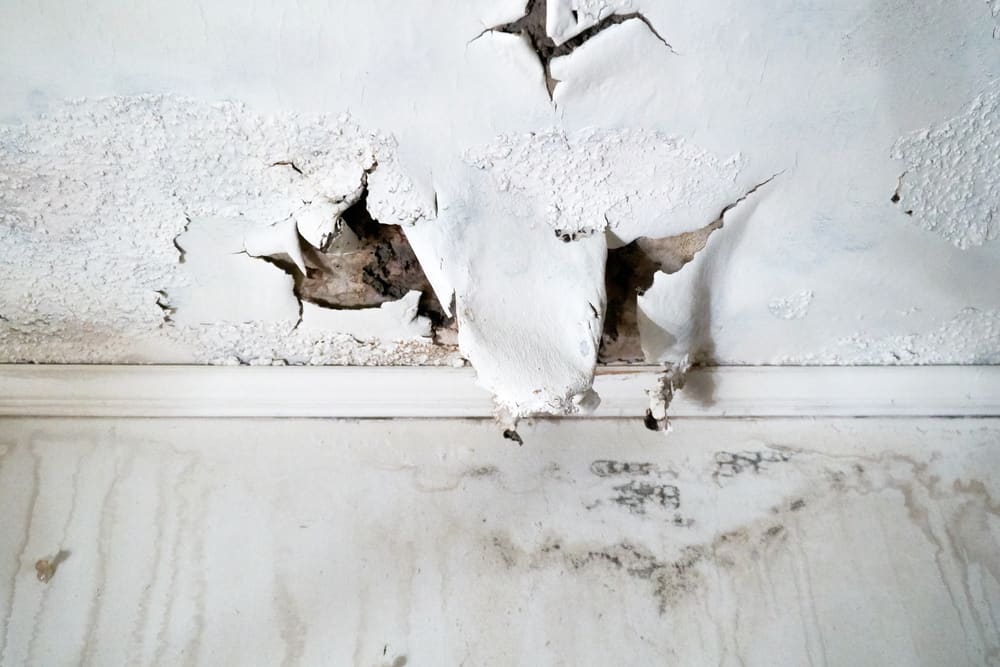
At that age, moisture doesn’t just sit on the surface. It moves into original plaster walls, under hardwood floors that were laid before vapor barriers existed, and into basement foundations that were poured without modern waterproofing. What looks dry to the eye can be saturated behind the wall.
The real outcome of professional water damage restoration isn’t just a dry floor. It’s knowing that the moisture has been fully located and eliminated not just in the visible areas, but in the structural cavities where mold colonies form weeks after a cleanup that looked fine on the surface. The EPA is clear that water-damaged areas need to be dried within 24 to 48 hours to stop mold growth. In a 70-year-old home with no modern moisture barriers, that window matters more than it does in newer construction.
When we finish a job in North Valley Stream, you have documentation that meets insurance standards, a home that’s been dried to professional moisture readings, and a clear picture of what was done and why. That’s what the outcome actually looks like not just dry, but verifiably dry.
Residential Water Damage Repair North Valley Stream, NY
We’ve been serving Long Island homeowners for nearly three decades. That kind of history means something specific in a community like North Valley Stream, where the housing stock is older than most of the families living in it. These aren’t cookie-cutter new builds. They’re Cape Cods and ranch homes with original plumbing, uninsulated basement walls, and decades of settling and our team has worked inside hundreds of them.
We’re based in West Babylon and maintain a dedicated Nassau County line, so when you call, you’re reaching people who know North Valley Stream and the surrounding area not a national call center routing a crew from out of state. Our technicians are IICRC-certified, and we’re fully licensed, bonded, and insured. We work directly with your insurance company, handling the documentation and billing so you don’t have to manage that battle while also dealing with a flooded home.
North Valley Stream homeowners have enough to navigate. We handle the restoration from water extraction through full rebuild, and we make sure the insurance process doesn’t become a second problem on top of the first one.
Basement Water Extraction North Valley Stream, NY
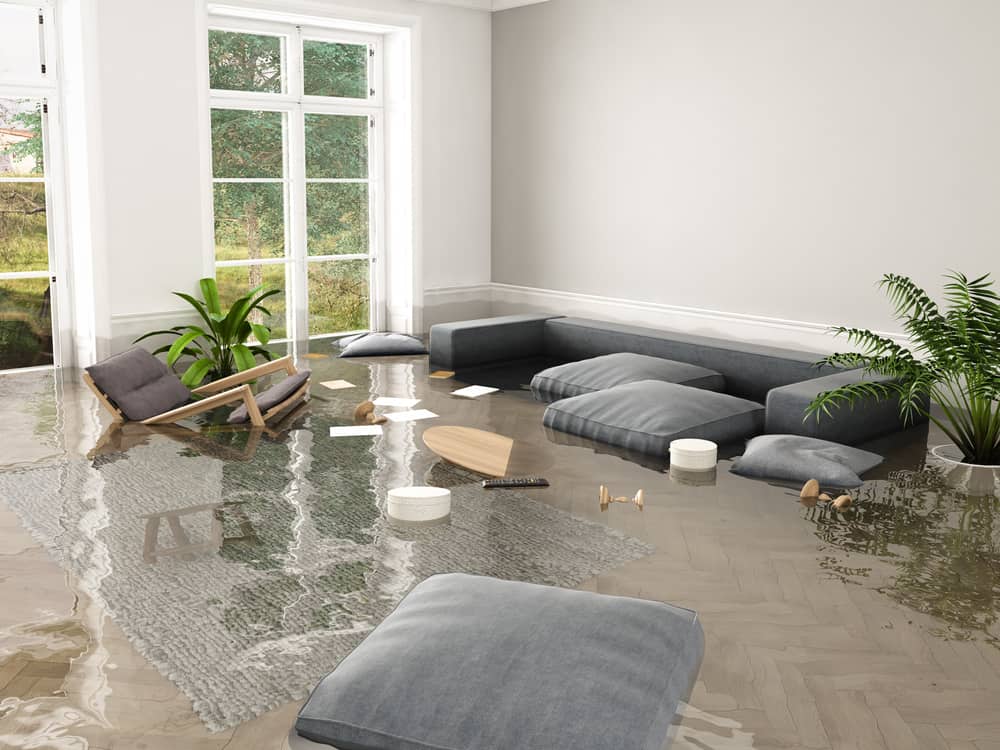
The first call triggers an immediate response 24 hours a day, seven days a week. For North Valley Stream homeowners, that matters more than it might in other communities. This is a commuter hamlet. Many residents leave before 7 a.m. and don’t return until evening. A burst pipe or failed washing machine supply line can run unchecked for hours inside a 1940s Cape Cod before anyone notices. When you call, we move fast because in an older home, every hour of water contact increases the damage.
When we arrive, the first step is assessment. We use professional moisture meters and thermal imaging to map where water has traveled including inside wall cavities, under flooring, and in basement structural materials that aren’t visible to the naked eye. This isn’t optional in a home built before modern waterproofing standards existed. It’s how we find the moisture that causes mold six weeks after a cleanup that seemed complete.
From there, we extract standing water, set industrial drying equipment, and begin the structural drying process. Most jobs require several days of monitored drying before moisture readings reach acceptable levels. Throughout the process, we document everything to IICRC standards the kind of documentation that Nassau County insurance adjusters expect and that protects your claim. Once the structure is dry, we handle any needed repairs and reconstruction, so there’s no second contractor to track down.

Ready to get started?
24/7 Water Damage Restoration North Valley Stream, NY
Water damage in North Valley Stream takes a few consistent forms. Burst pipes in uninsulated basements are common in winter, especially in homes built before modern insulation standards when January temperatures drop into the mid-20s, original galvanized pipes in older homes are operating on borrowed time.
Basement flooding from stormwater is another recurring issue, and part of what drives it is geography: the Southern State Parkway bisects the hamlet east to west, and its wide impervious surface channels significant stormwater runoff into adjacent residential blocks during heavy rain events. The aging municipal drainage system wasn’t designed for that load.
We handle the full range of water damage scenarios storm damage restoration, flooded basement cleanup, burst pipe water damage, sewage backup, and water intrusion from roof or structural failure. We bring industrial extraction equipment, high-capacity air movers and dehumidifiers, and professional moisture mapping to every job. This isn’t consumer-grade equipment. It reaches the moisture that household fans and wet-vacs never touch.
Because the majority of North Valley Stream’s homes were built before 1980, any demolition work required during restoration may involve materials that need professional handling. Our team is experienced with Nassau County’s older housing stock and knows how to navigate the process correctly. We also manage the insurance coordination from start to finish direct billing, IICRC-standard documentation, and claim support so your insurer gets everything they need to process the claim without unnecessary delays.

Does homeowners insurance cover water damage from a burst pipe in North Valley Stream?
In most cases, yes standard homeowners insurance covers sudden, accidental water damage from internal sources like burst pipes, failed supply lines, or appliance overflow. If a pipe freezes and bursts during a January cold snap in your North Valley Stream basement, that’s typically a covered event. What insurance does not cover is flooding from external sources like groundwater, storm surge, or overland water flow that requires a separate flood insurance policy.
The distinction matters a lot in North Valley Stream, where older homes can experience both types of water intrusion at the same time. A major storm might overwhelm your drainage and push water into the basement from the ground while also causing a pipe failure indoors. The internal damage is likely covered; the groundwater intrusion probably isn’t unless you have flood coverage. Proper documentation at the time of the damage is critical to separating the two and protecting your claim. That’s one of the core reasons working with an IICRC-certified restoration company one that documents damage to insurance standards from the start makes a real financial difference.
How long does water damage restoration take for a flooded basement in Nassau County?
For a typical basement flood in a North Valley Stream home, you’re generally looking at three to five days of active drying after the initial water extraction, followed by any needed repairs. The full project from first call through final reconstruction usually runs about two to three weeks for moderate damage. Severe flooding that reaches structural materials or triggers mold growth can extend that timeline significantly.
The age of the home is a real variable here. In a 1940s Cape Cod with original plaster walls and a poured concrete basement, moisture moves differently than in newer construction. It takes longer to dry because there are fewer modern moisture barriers slowing the spread, and it requires more monitoring to confirm the structure is genuinely dry versus surface-dry. Our team checks moisture readings throughout the drying process not just at the start to make sure the timeline reflects actual conditions in your specific home, not a generic estimate.
What causes basement flooding in North Valley Stream homes specifically?
The most common causes in North Valley Stream break down into two categories: internal failures and external water intrusion. Internal failures include burst pipes particularly in winter when basement temperatures drop in homes without modern insulation along with failed water heaters, washing machine supply lines, and aging plumbing that’s operating well past its designed lifespan. Most of the homes here were built between 1930 and 1950, which means the original plumbing systems are anywhere from 70 to 90 years old.
External intrusion is driven by a combination of geography and infrastructure. The Southern State Parkway runs east to west directly through the hamlet, and its wide impervious surface concentrates stormwater runoff into adjacent residential neighborhoods during heavy rain events. North Valley Stream’s municipal drainage system wasn’t built to handle that volume, and the flat-grade lots that characterize post-war suburban construction don’t naturally direct water away from foundations. During intense summer thunderstorms or spring snowmelt, that combination can push water into basement walls and floors even in homes with no obvious plumbing failure.
How do I know if my water damage is fully dry or if there's still hidden moisture?
You can’t tell with the naked eye and that’s the core problem with DIY cleanup in older homes. A basement floor can feel dry to the touch while the wall cavity behind the drywall or plaster is still holding significant moisture. In a North Valley Stream home built in the 1940s, there are no modern vapor barriers or moisture-resistant materials slowing that spread. Water wicks into original plaster, subfloor boards, and poured concrete foundation walls in ways that a surface inspection simply won’t catch.
Professional moisture mapping uses calibrated meters and thermal imaging to measure moisture content inside structural materials not just on surfaces. We take readings at multiple points throughout the affected area, including walls, floors, and structural framing, and we track those readings over the drying period to confirm the numbers are actually declining. The job isn’t finished when the floor feels dry. It’s finished when the moisture readings across the structure reach acceptable levels and hold there. That’s the standard we work to, and it’s the standard that protects you from discovering mold three months after a cleanup that seemed complete.
Can I stay in my home during water damage restoration in North Valley Stream?
In most cases, yes though it depends on the extent of the damage and which areas of the home are affected. If the flooding is confined to a basement or a single room and the rest of the home is structurally sound, most families can stay in place while drying equipment runs. The industrial air movers and dehumidifiers are loud and will run continuously for several days, so it’s worth setting realistic expectations about disruption.
If the damage involves sewage backup, Category 3 contaminated water, or significant mold growth, staying in the home during active remediation is not advisable particularly for households with children, elderly residents, or anyone with respiratory sensitivities. The Dutchgate 55-and-over community in North Valley Stream is one example of a local population where this consideration is especially relevant. We’ll give you a straight answer about what’s safe and practical for your specific situation during the initial assessment not a one-size-fits-all recommendation.
Why does water damage in older North Valley Stream homes tend to cost more to restore?
There are a few reasons, and they’re all connected to the age and construction methods of the housing stock. Homes built between 1930 and 1950 which describes most of North Valley Stream were constructed with materials and methods that predate modern waterproofing standards. Original plaster walls absorb moisture deeply and are harder to dry than modern drywall. Poured concrete foundations without drainage membranes allow water to wick through the wall itself. Subfloor boards from that era are often tongue-and-groove hardwood that swells and warps when wet, requiring more careful drying or replacement.
The other factor is that older homes frequently require more investigation to confirm the full scope of damage. Moisture travels further in structures without vapor barriers, which means more of the home needs to be assessed and potentially treated. Any demolition work involved in accessing affected structural areas also needs to be handled carefully given the age of the materials. None of this means the job is unmanageable it means it needs to be done by a team that actually understands what’s inside a 70-year-old Long Island home, not a crew that’s used to working on newer construction. That’s the difference nearly 30 years of Nassau and Suffolk County experience makes.
Useful Links
Other Services we provide in North Valley Stream