
Water Damage Restoration in Oakdale, NY
When the Connetquot Rises or the Bay Pushes Inland, You Need Fast Action
Hear from Our Customers

Flood Restoration, Suffolk County NY
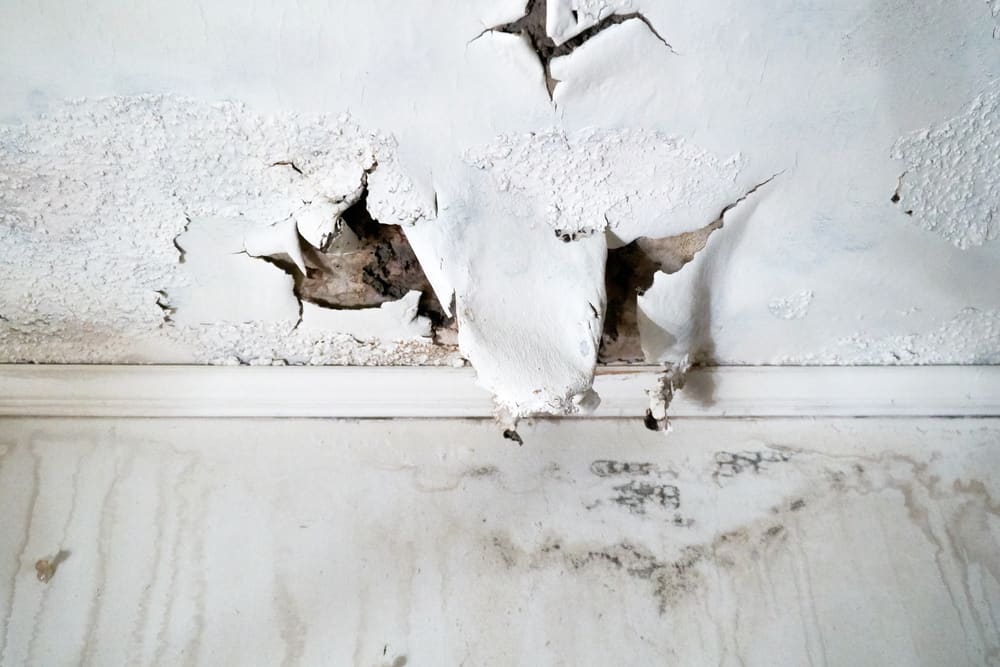
When water gets into your home, the visible damage is rarely the whole story. What you see on the floor or against the baseboard is only part of it. The moisture that settles inside your walls, under your subfloor, and behind your baseboards is what turns a manageable situation into a mold problem three months from now. Getting ahead of that hidden moisture is what real water damage restoration actually looks like.
For Oakdale homeowners specifically, that matters more than most. The hamlet sits at roughly 10 feet above sea level, with the Connetquot River running directly through it and Great South Bay to the south. That combination riverine flooding from upstream rainfall, plus storm surge pushing inland during nor’easters means water can enter your home from multiple directions at once. The flooding on Bluepoint Road during the January nor’easter wasn’t a freak event. It’s the kind of thing that happens here, and homes in this area need restoration work that accounts for that reality.
Add in Oakdale’s housing stock a mix of post-war ranches and hi-ranches built in the 1950s through 1970s, alongside some structures that are well over a century old near the Connetquot and you have homes with aging plumbing, older drainage infrastructure, and in many cases, moisture that has been quietly accumulating for years. A thorough restoration addresses all of it, not just what’s visible on day one.
Residential Water Damage Repair, Oakdale NY
First Response Restoration & Cleaning Inc. has been serving Long Island homeowners for nearly three decades. That’s not a marketing number it means we’ve worked through the storms that hit the Town of Islip’s South Shore communities the hardest, including the events that flooded neighborhoods from Bay Shore to Oakdale. We know what South Shore water damage looks like, how it behaves in these homes, and what it takes to actually fix it.
We’re based in West Babylon, about 10 to 12 miles west of Oakdale along the South Shore corridor. Our Suffolk County team handles everything from the initial water extraction through structural drying, mold prevention, and full reconstruction one company, one call. Our technicians are fully certified by the IICRC, and we’re licensed, bonded, and insured.
We also work directly with your insurance company. Whether you’re dealing with a standard homeowners policy or an NFIP flood policy for a FEMA Zone AE property, we handle the documentation and coordinate with your adjuster so you’re not navigating two separate claims processes alone.
Basement Water Extraction, Oakdale NY
The first call triggers an immediate response. We don’t put you in a queue water damage is time-sensitive, and every hour that passes increases the risk of mold growth and structural deterioration. The EPA is clear that water-damaged areas need to be dried within 24 to 48 hours to prevent mold from taking hold. We take that seriously.
When we arrive, the first step is a full moisture assessment using industrial meters and thermal imaging. This is how we find what you can’t see moisture inside walls, under flooring, and in structural cavities that a visual inspection misses entirely. In Oakdale’s older homes, particularly those near the Connetquot River or in the post-war residential streets off Montauk Highway and Idle Hour Boulevard, this step is especially important because legacy moisture can already be present before a flooding event adds to it.
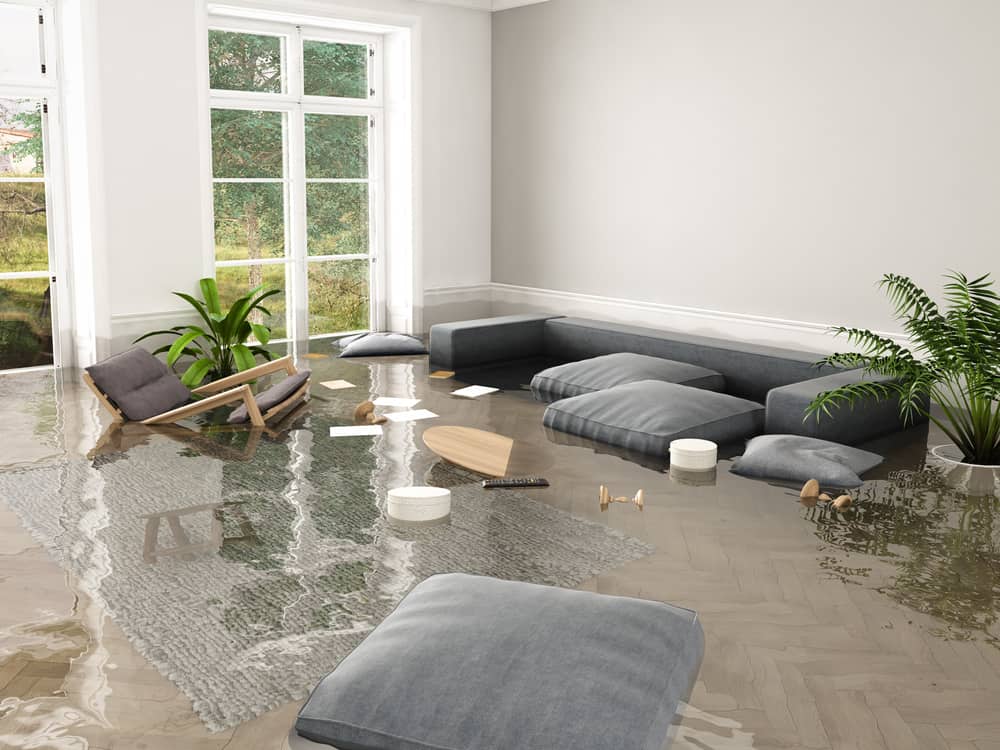
From there, we extract standing water, set up commercial-grade air movers and dehumidifiers, and begin the structural drying process. This typically runs three to five days for the drying phase alone, though the full scope depends on the extent of the damage. Any work that involves structural elements or significant reconstruction will require a Town of Islip building permit we’re familiar with that process and can walk you through what’s needed. Once everything is dry and documented, we move into repairs and reconstruction to bring your home back to where it was.

Ready to get started?
Storm Damage Restoration, Oakdale NY
Water damage restoration in Oakdale covers more ground than most people expect going in. It’s not just extracting the water and running some fans. The full scope includes water removal, structural drying, dehumidification, moisture mapping, antimicrobial treatment to stop mold before it starts, contents assessment, and reconstruction where needed. For homes with finished basements which in Oakdale often serve as living space or home offices that reconstruction component matters a lot.
For flooded basement cleanup specifically, the process accounts for what’s common in Oakdale: hydrostatic pressure from a high water table pushing groundwater up through basement floors and walls, not just surface flooding from a storm event. That’s a year-round condition on the South Shore, not a seasonal one, and it requires a different approach than a simple storm cleanup.
We also handle burst pipe water damage, sewage backup, and storm damage restoration following nor’easters and hurricane-season events. If your property sits in a FEMA Zone AE area which covers a significant portion of Oakdale’s residential core we understand the documentation requirements that come with NFIP flood insurance claims and can make sure the work is recorded in a way that supports your claim rather than complicating it. New York State’s Article 32 mold law also applies here: for any mold remediation project affecting 10 square feet or more, the assessor and remediator must be separate entities, and we operate in compliance with that requirement.

Does homeowners insurance cover water damage from Connetquot River flooding in Oakdale?
This is one of the most important distinctions to understand before you file a claim. Standard homeowners insurance covers sudden, accidental water damage from internal sources a burst pipe, an appliance overflow, that kind of thing. It does not cover flooding. If water enters your home from the Connetquot River overflowing its banks, or from Great South Bay storm surge pushing inland during a nor’easter, that is classified as flood damage and requires a separate flood insurance policy typically through the National Flood Insurance Program (NFIP).
Many Oakdale properties in FEMA Zone AE carry NFIP policies specifically because of this. If you have both a standard homeowners policy and an NFIP flood policy, they cover different damage types and have different documentation requirements. That’s where things get complicated for homeowners managing it on their own. First Response Restoration & Cleaning Inc. works directly with both types of insurers and can help make sure the damage is documented correctly for whichever policy applies or both, if the event involved multiple water sources.
How quickly does mold start growing after a basement floods in Oakdale?
Faster than most people expect. The EPA states that mold can begin developing within 24 to 48 hours of a water damage event and that’s under typical conditions. In Oakdale’s South Shore environment, where humidity levels are already elevated from proximity to Great South Bay and the Connetquot River, conditions for mold growth can be even more favorable. The clock starts the moment water enters the home, not when you call for help.
This is why waiting to “see how bad it gets” is one of the costlier decisions a homeowner can make. Visible mold growth typically appears within 48 to 72 hours, but microscopic growth starts earlier than that. By the time you can see it, it’s already established. If your basement flooded during a storm or from a burst pipe, getting professional extraction and drying equipment in place quickly is the single most effective thing you can do to prevent a secondary mold remediation project on top of the water damage restoration.
What does water damage restoration actually cost for an Oakdale home?
The honest answer is that it depends on how much water there was, how long it sat, and how far it spread. Nationally, the average water damage restoration cost runs around $3,864, but the range is wide from a few hundred dollars for a minor contained event up to $16,000 or more for extensive flooding with structural involvement. A flooded basement in a home like those common in Oakdale post-war ranches and hi-ranches with full basements can fall anywhere in that range depending on whether the space is finished, how much moisture penetrated the walls, and whether mold remediation is also needed.
What affects cost most in Oakdale specifically is the age of the housing stock. Homes built in the 1950s through 1970s which make up a significant portion of the hamlet often have older plumbing, drainage systems, and building materials that respond differently to water intrusion than newer construction. That can affect drying time, the extent of material removal needed, and ultimately the total scope of work. A free on-site assessment is the only way to give you an accurate picture before any work begins.
My basement gets wet every time it rains hard is that a water damage situation or just a drainage problem?
It’s worth taking seriously either way. Recurring basement moisture in Oakdale is common, and the underlying cause is usually hydrostatic pressure the water table on the South Shore sits close to the surface year-round, and after heavy rain, groundwater has nowhere to go but up through basement floors and walls. That’s not a drainage problem in the traditional sense; it’s a structural pressure issue, and it tends to get worse over time as water continues to find the same paths into the home.
The concern from a restoration standpoint is cumulative moisture damage. Even if each individual event seems minor, repeated exposure leads to deteriorating building materials, persistent dampness, and eventually mold growth inside walls and under flooring. If you’ve been dealing with a wet basement repeatedly, a professional moisture assessment can tell you whether hidden damage has already accumulated because what you’re seeing on the surface after each rain event may not reflect what’s happening inside the structure. That’s especially true in Oakdale’s older homes, where materials like older drywall and wood framing absorb and hold moisture differently than modern materials.
How long will water damage restoration take in my Oakdale home?
The drying phase alone typically runs three to five days using commercial-grade air movers and dehumidifiers. That’s not the full timeline it’s just the drying. A complete water damage restoration project, from initial extraction through final repairs and reconstruction, averages around two weeks for moderate damage. More extensive flooding that reaches structural elements or leads to mold growth can extend that significantly.
For Oakdale homeowners, a few local factors can affect the timeline. If the damage involves structural repairs, you’ll need a Town of Islip building permit before that work can begin, which adds some administrative lead time. If the property has NFIP flood insurance, the documentation and adjuster inspection process has its own timeline that runs parallel to the restoration work. And in homes with older construction which is common throughout Oakdale material removal and drying can take longer because older building materials tend to hold moisture more stubbornly than modern ones. We’ll give you a realistic timeline after the initial assessment so you’re not guessing.
How do I know if a burst pipe caused hidden water damage inside my Oakdale walls?
You often can’t tell by looking. A burst pipe especially in an interior wall or under a floor can release a significant amount of water into the structure before it ever becomes visible at the surface. By the time you see a stain on drywall or feel soft flooring, the moisture has typically been spreading inside the wall cavity for long enough to already be a problem.
In Oakdale’s older homes, this is a particular concern. Homes built in the 1950s through 1970s are running on plumbing systems that are now 50 to 75 years old. Pipes that age are more prone to pinhole leaks, joint failures, and freeze-thaw fractures during Long Island winters. The signs to watch for include unexplained increases in your water bill, soft or discolored spots on walls or ceilings, a musty smell in a room with no obvious moisture source, or visible mold appearing on a surface that doesn’t seem wet. Any of these warrants a professional moisture assessment. We use industrial moisture meters and thermal imaging to find exactly where water has traveled inside the structure so if there’s hidden damage from a burst pipe, we’ll find it before it becomes a much larger problem.
Useful Links
Other Services we provide in Oakdale