
Water Damage Restoration in Ocean Beach, NY
When the Bay Meets the Ocean, You Need Someone Ready to Move
Hear from Our Customers

Flood Restoration Ocean Beach NY
Most Ocean Beach homeowners aren’t standing in their living room when the damage happens. You’re on the mainland in Nassau County, New York City, or somewhere in between and you’re getting the news by phone. What you need at that moment isn’t a company that talks about equipment. You need someone who can get to the island, assess the damage thoroughly, and start communicating with you in plain language while we work.
That’s what a completed restoration actually looks like here. Not just dry walls, but moisture readings from inside the framing, documentation your insurance adjuster can actually use, and a clear timeline so you know whether your property will be ready before your summer renters arrive. With seasonal rental income on the line and properties valued well above the million-dollar mark, cutting corners on restoration isn’t just a maintenance risk it’s a financial one.
Ocean Beach homes present specific challenges that mainland properties don’t. The pre-war bungalows along the village walkways have absorbed decades of salt air and storm moisture. Old wood framing holds water differently than newer construction, and hidden moisture in wall cavities and subfloor assemblies can go undetected for weeks especially in a home that’s been sitting empty since October. A thorough restoration here means going beyond the surface, every time.
Residential Water Damage Repair Ocean Beach NY
We’re based in West Babylon, Suffolk County roughly eight miles from the Bay Shore ferry terminal. That proximity isn’t a coincidence. It means when you call about your Ocean Beach property, you’re reaching a local Suffolk County team, not a national call center routing your job to whoever’s available three counties away.
We’ve been restoring Long Island homes and businesses for nearly 30 years. That history means we’ve worked through nor’easters, post-Sandy rebuilds, and the kind of repeated coastal flooding that Fire Island communities know all too well. Every technician on our team is IICRC-certified, and we’re licensed, bonded, and insured which matters in a community that has seen its share of storm chasers show up after a disaster and disappear before the job is done right.
When it comes to insurance, we work directly with your carrier. We handle the documentation, the adjuster coordination, and the direct billing so you’re not managing a claims process from the mainland while your Ocean Beach property sits wet.
24/7 Water Damage Restoration Ocean Beach NY
The process starts when you call. Whether it’s a burst pipe discovered when you opened the house for the season or storm surge damage reported by a neighbor, the first step is a thorough assessment. Because Ocean Beach is accessible only by ferry from Bay Shore, every job requires advance coordination equipment is staged, crew schedules are built around the ferry timetable, and any building materials needed for reconstruction are arranged through the Fire Island Freight service, which only accepts lumber and supplies on weekday mornings. That’s not a complication we figure out on the fly it’s something we plan around from the start.
Once on-site, we use industrial moisture meters and thermal imaging to map the full extent of the damage not just what’s visible, but what’s hiding inside walls, under flooring, and in crawl space assemblies. Ocean Beach homes often sit at or near grade level, and many of the older bungalows have crawl spaces rather than full basements, which means water intrusion can pool in areas that look dry from above. Extraction comes first, then structural drying with commercial-grade dehumidifiers and air movers positioned to pull moisture out of the building assembly, not just the air.
Throughout the drying phase which typically runs three to five days for most homes moisture readings are logged daily. That documentation becomes part of the insurance file. When drying is complete and readings confirm the structure is back to acceptable moisture levels, any needed repairs or reconstruction follow. You get a full record of what was done, what was found, and what it took to fix it.

Ready to get started?
Storm Damage Restoration Fire Island NY
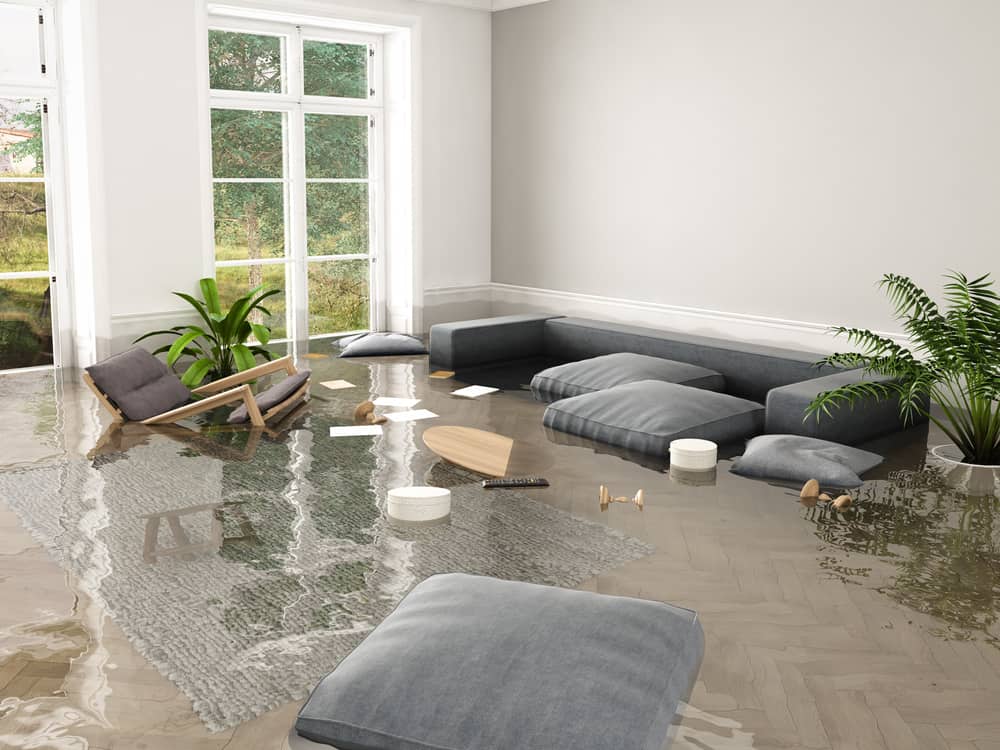
Water damage restoration in Ocean Beach covers a wider range of scenarios than most mainland jobs. Storm surge from the Atlantic and tidal flooding from the Great South Bay can arrive simultaneously the Ocean Beach mayor described December 2023 as the moment “the ocean met the bay,” and it wasn’t a figure of speech. Floodwater that originates outside the home from storm surge, rising bay water, or overwash is classified as Category 3 under IICRC standards. That means it carries contaminants that require antimicrobial treatment, not just drying. We account for that in our restoration process, and the documentation reflects it correctly for both your homeowners insurance policy and your separate flood insurance claim.
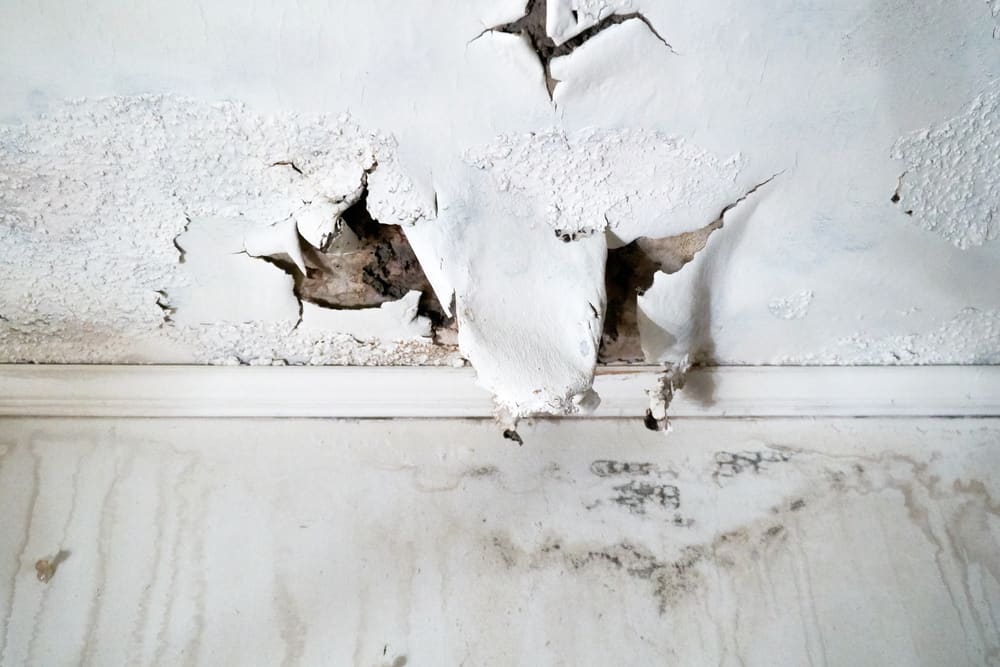
Beyond storm events, the most common water damage scenarios in Ocean Beach involve properties that have been vacant through the winter. A frozen pipe in an unoccupied home can go undetected for weeks. By the time you return in spring, what started as clean water from a burst supply line has had time to wick into framing and insulation and mold has almost certainly begun. We handle the full scope: water extraction, structural drying, mold remediation where needed, and reconstruction through to finished condition. Carpet cleaning, severe odor treatment, and board-up service are also available when the situation calls for it.
For Ocean Beach properties specifically, every job includes thorough moisture mapping, complete drying logs, and photo documentation formatted to support insurance claims under both standard homeowners and NFIP flood policies.

Can a restoration company actually get to Ocean Beach during or after a storm?
During an active storm, no ferry service from Bay Shore suspends when conditions are unsafe, and that applies to everyone, including restoration crews. But the moment conditions clear and the ferries resume, the clock on your restoration starts. We’re available 24/7, which means when you call at six in the morning after a storm passes, we’re ready to coordinate transit and get moving on the first available boat.
The key difference between a company that’s prepared for Ocean Beach and one that isn’t is what happens before we board the ferry. Equipment needs to be staged. Crew schedules need to be built around the timetable. If reconstruction materials are needed, the Fire Island Freight service only accepts lumber and building supplies on weekday mornings that’s a hard constraint that affects every job on the island. Planning around it in advance is what separates a smooth restoration from a delayed one.
Does homeowners insurance cover water damage in an Ocean Beach vacation home?
It depends on the source of the water, and this is where Ocean Beach claims get complicated fast. Standard homeowners insurance typically covers sudden, accidental damage from internal sources a burst pipe, a failed water heater, an appliance overflow. It does not cover flooding. If bay water or ocean surge entered your home during a storm, that’s a flood claim, and it falls under your NFIP or private flood insurance policy not your homeowners policy.
Most Ocean Beach properties carry both policies, which means a single storm event can generate two separate claims with two separate adjusters, two different documentation requirements, and two different timelines. We work directly with insurance companies and understand how to document damage correctly for each policy type. That distinction what gets filed under which policy, and how the damage is categorized can have a significant impact on what you actually recover. Getting it wrong at the documentation stage is a hard mistake to fix later.
How fast does mold start growing after water damage in an Ocean Beach home?
The EPA’s guidance is clear: mold can begin developing within 24 to 48 hours of water exposure under the right conditions. In Ocean Beach, those conditions are almost always present. The marine environment high ambient humidity, salt air, older wood framing that has been repeatedly wetted and dried over decades gives mold very little resistance to overcome. A home that’s been sitting closed since October with a slow leak or post-storm moisture intrusion is an ideal environment for mold to establish well before anyone notices.
This is why the timing of the response matters as much as the quality of it. Visible mold typically appears 48 to 72 hours after water exposure, but microscopic growth starts earlier. By the time you return to open the house for summer and notice a smell or discoloration, the remediation scope has already grown. The faster the moisture is identified and eliminated including moisture hidden inside wall cavities and crawl spaces the smaller and less expensive the mold problem will be.
What happens to an Ocean Beach property left empty after winter water damage?
This is one of the most common scenarios in Ocean Beach, and it’s also one of the most expensive to resolve when it goes unaddressed. A pipe that freezes and bursts in January in an unoccupied home releases clean water Category 1, the least hazardous classification. But water sitting in a closed, unheated structure for weeks doesn’t stay clean. It wicks into wood framing, insulation, and subfloor assemblies. Without airflow or dehumidification, mold colonizes quickly. By the time the owner returns in April or May, what was a manageable water event has become a full mold remediation project.
The practical consequence is significant. A restoration job that might have cost a few thousand dollars if caught within 48 hours can escalate dramatically when mold is involved requiring demolition of affected materials, antimicrobial treatment, and reconstruction before the space is habitable again. For a property that generates seasonal rental income, losing even part of the summer rental season compounds the financial impact. Early detection and rapid response, even when you’re managing the situation remotely from the mainland, is the only way to keep that from happening.
How long does water damage restoration take for a Fire Island home?
For most water damage scenarios, the drying phase alone runs three to five days once equipment is on-site and running. A complete restoration from initial extraction through structural drying, any needed mold remediation, and final repairs typically takes around two weeks for moderate damage. More extensive flooding, particularly if structural materials need to be removed and replaced, can extend that timeline significantly.
For Ocean Beach specifically, the logistics add time that a mainland job wouldn’t have. Equipment transit via ferry, freight delivery constraints for building materials, and the need to work within the village’s car-free environment all affect scheduling. That’s not a reason to delay calling it’s a reason to call sooner. The earlier the process starts, the more of that timeline falls before your summer rental season rather than during it. We provide a clear timeline estimate after the initial assessment so you know what you’re working with before any work begins.
Is burst pipe water damage in an Ocean Beach home covered by insurance?
Generally, yes a burst pipe is the kind of sudden, accidental internal water damage that standard homeowners insurance is designed to cover. The key word is sudden. If the pipe burst because of a freeze event and the damage was discovered promptly, that’s typically a covered claim. If the pipe had been leaking slowly for months and the damage accumulated gradually, insurers often deny the claim on the basis of lack of maintenance or failure to mitigate.
In Ocean Beach, the seasonal vacancy issue creates a specific wrinkle here. If a pipe bursts in January in an unoccupied home and isn’t discovered until April, the insurer may argue that the homeowner failed to take reasonable steps to prevent or limit the damage by winterizing the plumbing, maintaining heat in the home, or checking on the property periodically. Whether that argument holds depends on your specific policy language and the documentation of the event. Having a restoration company that understands how to document the damage correctly and can speak to the timeline credibly makes a real difference in how that claim resolves. We handle the insurance coordination directly, which means that conversation happens between professionals, not between a stressed homeowner and an adjuster looking for a reason to reduce the payout.
Useful Links
Other Services we provide in Ocean Beach