
Water Damage Restoration in Port Jefferson, NY
When Port Jefferson's Hills Send Water Into Your Home
Hear from Our Customers

Flood Restoration Services, Port Jefferson NY
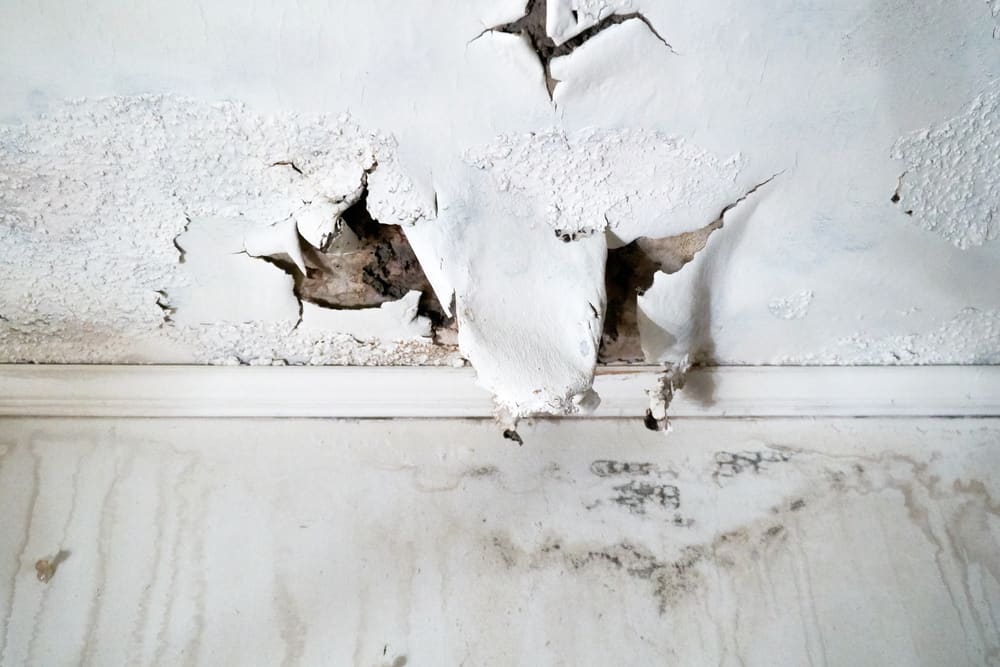
When water gets into your Port Jefferson home whether it rushed down from the hills above downtown, pushed in from Port Jefferson Harbor during a nor’easter, or came from a burst pipe in a century-old wall the damage doesn’t stop when the water stops. Moisture moves. It travels through plaster, under floors, behind baseboards.
If it isn’t pulled out completely within 24 to 48 hours, mold starts. And mold in an older Port Jefferson home isn’t just a health problem it’s a serious threat to the structural and financial value of a property that may have taken decades to build.
What professional water damage restoration actually gives you is certainty. Not just a dry surface, but documented proof that the moisture is gone from places you can’t see and equipment you don’t own. That matters when you’re filing an insurance claim, and it matters even more six months from now when you’re not dealing with a mold remediation bill because someone missed a wet wall cavity.
Port Jefferson’s housing stock is older than most of Long Island. Many homes in the village date back to the 1800s, with construction methods and materials that respond to water intrusion differently than a modern build. Getting the drying right in a home like that takes experience not just equipment.
Residential Water Damage Repair, Port Jefferson NY
We’ve been serving Port Jefferson and Suffolk County homeowners for close to three decades. That’s not a number thrown out for marketing purposes it means we were operating long before the August 2024 storms triggered a FEMA Major Disaster Declaration for Suffolk County, long before Sandy pushed harbor water over the bulkheads on East Broadway, and long before Port Jefferson’s village government had to secure federal funding just to study its own drainage problem.
That kind of history matters when you’re dealing with a home in the Harbor Hills neighborhood, a Victorian cottage on the hillside above downtown, or a property near the waterfront on West Broadway. Our technicians are IICRC-certified, and we are fully licensed, bonded, and insured. We work directly with your insurance company handling the documentation and billing coordination so you’re not stuck in the middle of a complicated claims process while also trying to manage repairs.
We’re a Long Island company. Not a franchise. Not a national brand dispatching crews from out of state. A real team with a Suffolk County number 631-587-5300 and nearly 30 years of experience in homes exactly like yours.
24/7 Water Damage Restoration, Port Jefferson NY
When you call, the first thing that happens is an assessment a real, on-site evaluation of what you’re dealing with. Not a phone estimate, not a guess. Someone comes to your Port Jefferson property, walks the affected areas, and uses moisture detection equipment to map exactly where the water has traveled. In a Port Jefferson home with plaster walls, original hardwood floors, or an older foundation, that step is especially important because water doesn’t stay where you can see it.
From there, the extraction begins. Industrial-grade equipment removes standing water and pulls moisture out of materials that consumer fans and wet-vacs simply can’t reach. Then the structural drying phase starts air movers, dehumidifiers, and monitoring equipment work together over several days to bring moisture levels back to normal. The process is documented throughout, which matters when your insurance adjuster reviews the claim.
Because Port Jefferson is an incorporated village with its own building department, any structural repairs following the restoration drywall replacement, framing work, mechanical repairs will require permits from the Village of Port Jefferson. We handle the restoration scope and can walk you through what the repair phase involves so you’re not caught off guard by the permitting process. From water extraction through full rebuild, the goal is one company, one call, and no loose ends.

Ready to get started?
Flooded Basement Cleanup and Storm Damage, Port Jefferson NY
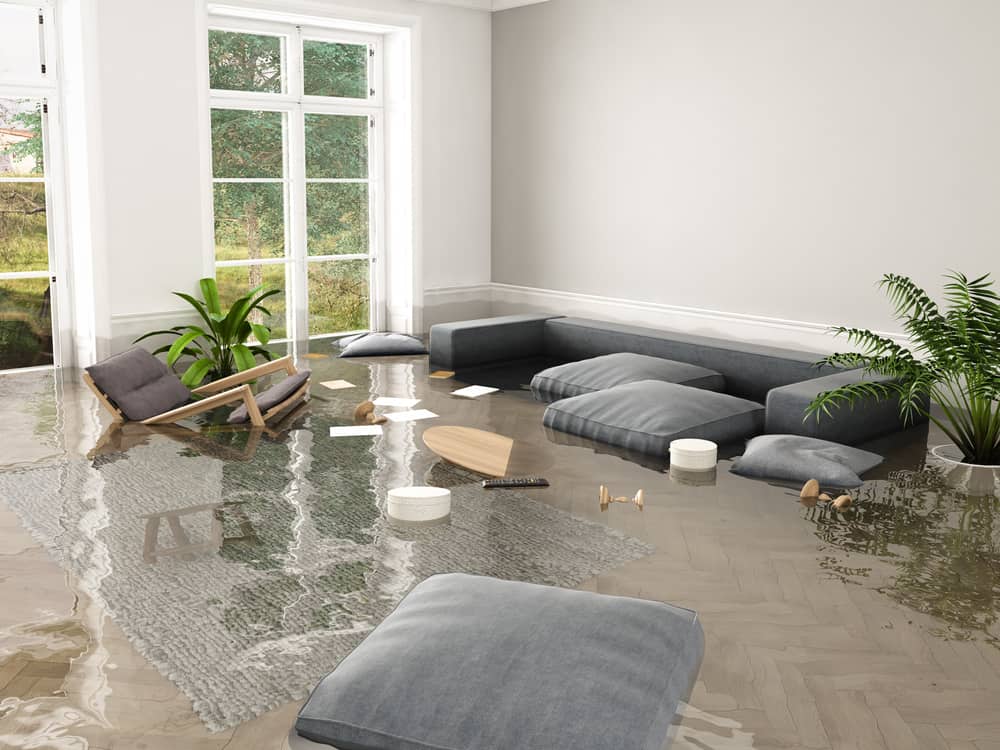
Port Jefferson doesn’t have one flooding problem it has several, and they show up in different ways depending on where you live in the village. The harbor-adjacent properties along East Broadway and West Broadway deal with storm surge from Long Island Sound. The hillside homes in Brick Hill, Cedar Hill, and Harbor Hills deal with runoff that accelerates down steep grades and into basements during heavy rain. Throughout the village, the high groundwater table means that even prolonged rain without a named storm can push water through foundation walls when the ground becomes saturated.
We handle all of it. Flooded basement cleanup and basement water extraction for the groundwater and runoff scenarios. Storm damage restoration when a nor’easter or late-summer system does what the August 2024 storms did. Burst pipe water damage response for the older plumbing systems common in Port Jefferson’s historic homes cast iron, galvanized steel, and aging configurations that weren’t built for modern water pressure. Mold remediation when water damage wasn’t caught in time. And full reconstruction when the damage goes beyond surface-level cleanup.
If you’re asking whether your homeowners insurance covers any of this the answer depends on the source of the water. Sudden, accidental damage from a burst pipe or storm-driven water intrusion is typically covered. Gradual leaks or groundwater seepage without a sudden triggering event often aren’t. We work directly with your insurance company to document the damage properly from the start, which is the most important thing you can do to protect your claim.

Does homeowners insurance cover flooding from Port Jefferson's storm events?
Standard homeowners insurance covers sudden, accidental water damage things like a burst pipe, a storm-driven roof breach, or water that enters your home directly as a result of a specific storm event. What it does not cover is flooding in the traditional sense: water that rises from the ground, overflows from a body of water, or enters through the foundation as a result of surface flooding. That type of damage requires a separate flood insurance policy, typically through the National Flood Insurance Program.
For Port Jefferson homeowners, this distinction is important because the village’s flooding events involve multiple water sources at once. Harbor surge, hillside runoff, and groundwater pressure can all contribute to a single flooding event. How your claim is categorized and how the damage is documented can significantly affect what gets covered. We work directly with your insurance company from the start, documenting the damage in a way that gives your claim the best possible foundation. If you dealt with damage from the August 2024 storms and haven’t yet filed, it’s worth calling to understand your options before the documentation window closes.
How fast does mold actually start growing after a basement floods in Port Jefferson?
The EPA’s guidance is clear: mold can begin growing within 24 to 48 hours of water exposure under the right conditions. In practice, mold spores can start germinating within the first 24 hours, and visible growth typically appears within 48 to 72 hours. By the time you can see it, the problem is already well underway.
In Port Jefferson’s older homes particularly those with plaster-and-lath walls, original wood floors, or older insulation materials moisture gets absorbed quickly and held longer than it would in a modern drywall construction. That means the 24 to 48 hour window is not a comfortable cushion; it’s a real deadline. Consumer-grade fans can move air, but they can’t pull moisture out of the interior of a wall cavity or from beneath a subfloor. If your basement flooded whether from a storm, a burst pipe, or groundwater the most important thing you can do is get professional extraction and drying started as quickly as possible. Waiting to see how bad it gets is how a manageable water damage job becomes a mold remediation project.
What should I do immediately after my basement floods in Port Jefferson?
The first thing is to make sure it’s safe to enter the space. If there’s any chance the flooding has reached electrical outlets, panels, or appliances, don’t go in until the power to that area has been shut off. Once it’s safe, document everything with photos and video before anything is moved or cleaned this documentation is critical for your insurance claim.
After that, call a restoration company. Don’t wait. Every hour of delay allows water to move further into building materials and increases the likelihood of mold. Don’t rely on a wet-vac and fans to handle it they’re not built for what professional extraction equipment can do, and they won’t reach moisture inside walls or under flooring. If the flooding was related to a storm event, check whether your homeowners insurance policy covers the damage and report the claim promptly. Port Jefferson’s village government has resources related to the ongoing flood mitigation study and FEMA assistance programs if your damage was storm-related, it’s worth checking whether any federal assistance remains available from the August 2024 disaster declaration.
How long does water damage restoration take for a Port Jefferson home?
The timeline depends on the extent of the damage, but here’s a realistic breakdown. Water extraction typically takes one to three days. Structural drying getting moisture out of walls, floors, and building materials usually runs three to five days. For a moderate flooding event affecting a basement or a couple of rooms, you’re typically looking at about two to three weeks from start to finish, including any repairs.
For Port Jefferson’s older homes, the drying phase can take longer than it would in a newer build. Plaster walls, older wood framing, and period construction materials absorb and retain moisture differently than modern drywall and engineered lumber. The equipment has to work harder and longer to achieve the same result, and the monitoring process checking moisture levels at regular intervals becomes more important. If the damage is extensive, or if mold has already started, the timeline extends accordingly. We’ll give you a realistic scope after the initial assessment so you know what to plan for not a best-case estimate designed to get you to sign something.
Can a burst pipe in an older Port Jefferson home cause more damage than in a newer house?
Yes, and the reasons are specific to how older homes are built. Many Port Jefferson homes particularly those in the historic district or the hillside neighborhoods have cast iron or galvanized steel plumbing that has been in place for decades. When those pipes fail, they often do so more dramatically than modern PEX or copper systems, and the water can travel through wall cavities, floor systems, and structural framing quickly before anyone notices.
Older construction also means that the materials water contacts are more porous and absorbent. Plaster walls, original hardwood floors, and older insulation hold moisture longer and are harder to dry completely without professional equipment. The risk of hidden moisture moisture that doesn’t show up on the surface but is sitting inside a wall or beneath a floor is higher in these homes. That hidden moisture is what becomes mold in three to six months if it isn’t addressed. Getting a thorough moisture assessment after any burst pipe event in an older Port Jefferson home isn’t optional it’s the only way to know the damage is actually resolved.
How does First Response Restoration and Cleaning Inc. handle the insurance claim process for Port Jefferson homeowners?
We work directly with your insurance company throughout the restoration process. That means we handle the documentation, the damage assessment reports, and the direct billing coordination you’re not left trying to translate between your adjuster’s requirements and our invoice.
This matters more in Port Jefferson than in some other communities because the village’s flooding events often involve overlapping water sources harbor surge, hillside runoff, and groundwater that can create ambiguity about how damage is categorized for insurance purposes. The way damage is documented from the very first visit affects how a claim is reviewed. Our IICRC-certified technicians follow documented industry standards that insurance carriers recognize and accept, which means the paperwork holds up when it matters. If you’ve already filed a claim and feel like it’s stalled or being disputed, that’s worth discussing too proper documentation after the fact can sometimes reopen a conversation with your insurer that felt closed.
Useful Links
Other Services we provide in Port Jefferson