
Water Damage Restoration in Quogue, NY
When Quogue Gets Hit From Both Sides, Act Fast
Hear from Our Customers

Flood Restoration Services in Quogue
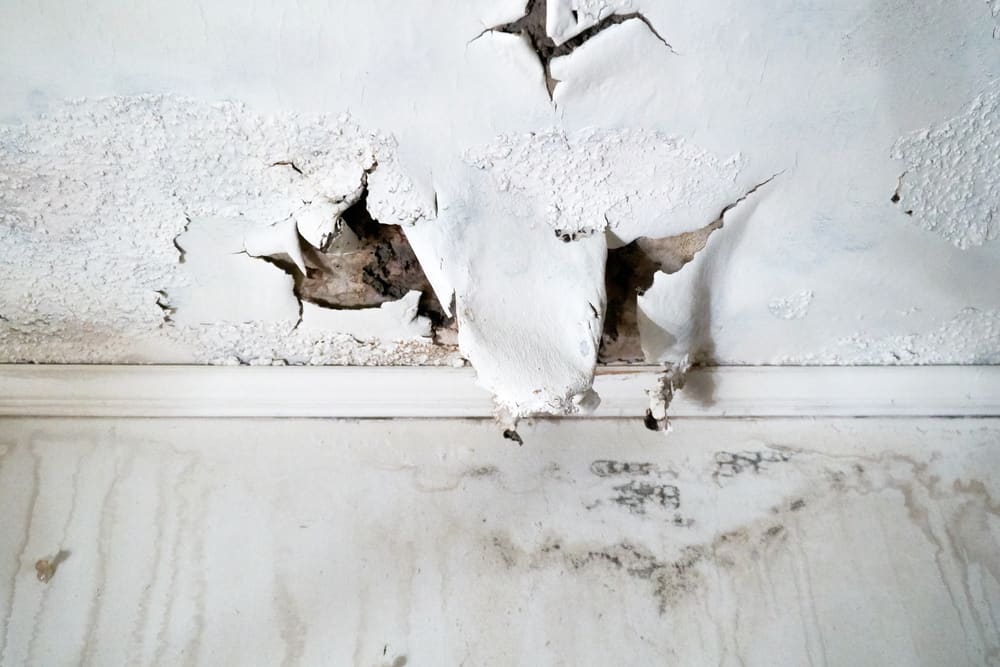
Water damage in Quogue isn’t just about a wet floor. It’s about what’s happening inside the walls, under the subfloor, and behind the original plaster in a home that may have been sitting closed since October. The longer moisture stays hidden, the more it costs and the more it threatens the structural integrity of a property that was built to last a century, not be gutted.
When the work is done right, you’re not just dry you’re protected. No hidden moisture left to turn into a mold problem six months from now. No gaps in the documentation that create headaches when your insurance adjuster shows up. If you’re carrying both a homeowners policy and a separate flood insurance policy through the NFIP which many Quogue properties require given their FEMA flood zone designations having a restoration company that understands how to document for both simultaneously matters more than most people realize.
The end result should be a home that’s genuinely restored, not just surface-dried. For a Victorian-era property in the Quogue Historic District or a bay-front home along Shinnecock Bay, that standard isn’t optional it’s the whole job.
Residential Water Damage Repair, Suffolk County
We’ve been serving Long Island homeowners for nearly three decades. That’s not a number pulled from a brochure it means our team was working through the aftermath of every major storm that has hit the South Fork, including the events that repeatedly battered Dune Road and pushed Shinnecock Bay water into Quogue’s streets. We’ve seen what a nor’easter does to a century-old Shingle Style home. We know what storm surge looks like from both sides of the village.
Based in West Babylon with dedicated Suffolk County coverage, we’re a local company not a national franchise dispatching crews from out of state. When a storm hits the entire East End at once, that distinction matters. Our IICRC-certified technicians are licensed, bonded, and insured, with direct insurance billing built into the process from day one.
If you’re an absentee owner who just got a call from your property manager, or a year-round resident dealing with a flooded basement on a February morning, the response is the same fast, thorough, and handled.
24/7 Water Damage Restoration Process, Quogue NY
The first call triggers an emergency response 24 hours a day, seven days a week. A certified technician arrives, assesses the full scope of the damage, and begins moisture mapping immediately. This isn’t a visual inspection. We use professional moisture meters and thermal imaging tools to find what’s hiding inside walls and under floors the kind of damage that a surface wipe-down will never catch, and that’s especially common in Quogue’s older homes where original building materials absorb and hold water differently than modern construction.
Once the scope is clear, water extraction begins. Our industrial-grade equipment pulls water from the structure at a level no consumer fan or wet-vac comes close to matching. From there, the drying and dehumidification phase runs until moisture readings confirm the structure is genuinely dry not just dry to the touch. For homes in Quogue’s VE or AE flood zones, this phase is documented carefully, because the Village of Quogue’s Chapter 95 Flood Damage Prevention ordinance and FEMA flood insurance requirements both carry specific standards for restoration work in designated flood zones.
Throughout the entire process, we work directly with your insurance company. The documentation, the direct billing, the communication with adjusters that’s handled on your behalf, whether you’re on-site or managing this remotely from the city.

Ready to get started?
Burst Pipe and Storm Damage Restoration, Quogue
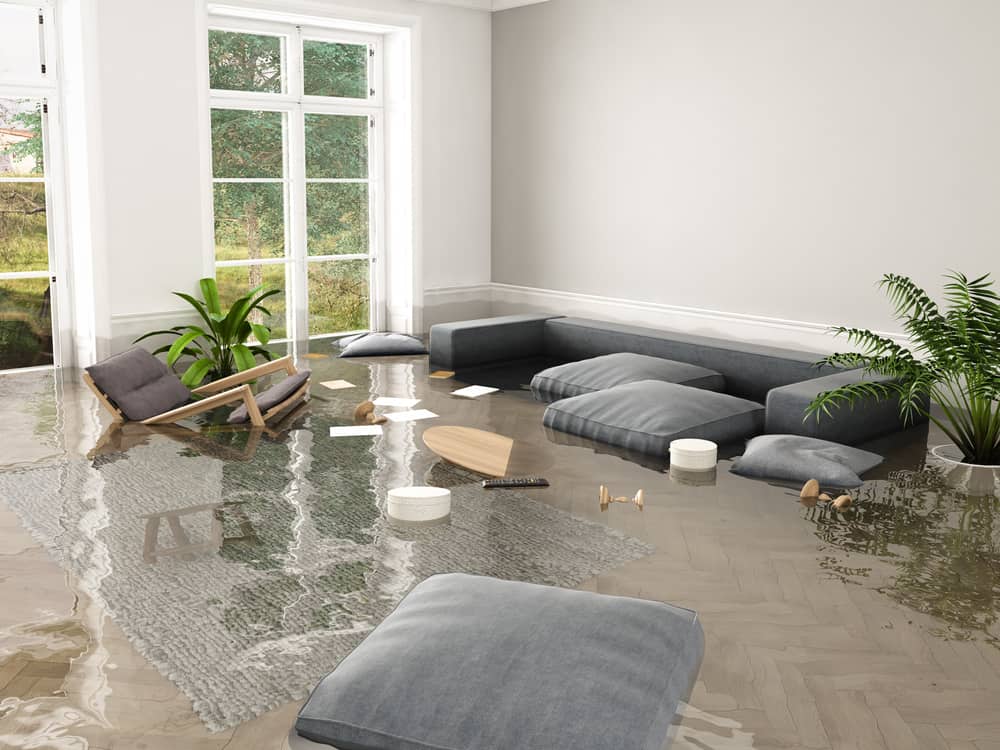
Water damage restoration in Quogue covers a wider range of scenarios than most communities face. Burst pipe water damage in an unoccupied home that’s been closed since fall. Storm surge flooding from Dune Road after a nor’easter overwashes the barrier beach. Basement water extraction after Shinnecock Bay backs up into low-lying properties on the village’s north side. Flooded basement cleanup following a sump pump failure that went undetected for weeks. Each of these situations requires a different response, and we handle all of them.
Our full scope of service runs from initial emergency water removal through structural drying, dehumidification, mold remediation if needed, and complete reconstruction. For properties in the Quogue Historic District homes that are over a century old with original hardwood floors, plaster walls, and antique millwork our approach is careful and deliberate. The goal is to restore what’s there, not replace it with something generic.
For seasonal homeowners who aren’t on-site when damage occurs, we provide clear communication at every stage and full documentation for insurance purposes. Whether your property carries standard homeowners coverage, an NFIP flood policy, or both, the paperwork and direct billing are managed as part of the service not as an afterthought.

Does homeowners insurance cover water damage from Quogue storm flooding?
This is one of the most important distinctions to understand before you file a claim. Standard homeowners insurance typically covers sudden, accidental water damage from internal sources a burst pipe, a failed water heater, an appliance overflow. It does not cover flooding. If Dune Road gets overwashed during a nor’easter and water enters your home from outside, that is classified as flood damage, and it falls under a separate NFIP flood insurance policy not your standard homeowners policy.
Many Quogue properties are required to carry NFIP flood insurance because they sit in FEMA-designated VE or AE flood zones. If you’re in one of those zones and you experience storm surge damage, your flood policy is what responds but the documentation requirements for an NFIP claim are specific and exacting. Working with an IICRC-certified restoration company that understands how to document the damage to NFIP standards makes a real difference in how smoothly that claim resolves. We work directly with both homeowners insurers and NFIP adjusters, so you’re not left navigating two separate claims processes on your own.
How fast does mold grow after water damage in a vacant Quogue home?
Faster than most people expect. The EPA is clear that mold growth can begin within 24 to 48 hours of water intrusion under the right conditions. In a Quogue home that’s been closed up since October and flooded in January whether from a burst pipe, a roof leak, or a sump pump failure that 24-to-48-hour window has already passed long before anyone opens the front door in spring.
By the time a returning seasonal owner discovers winter water damage, the moisture has had weeks or months to migrate through original framing, saturate old-growth wood subfloors, and establish mold growth inside wall cavities that show no surface signs of a problem. This is why a professional moisture assessment matters so much, even when the visible damage looks minor. We use thermal imaging and professional moisture meters to find what’s hidden and if mold remediation is needed alongside the water damage restoration, that’s handled as part of the same process, so you’re not coordinating two separate contractors.
What should I do immediately if my Quogue vacation home flooded while I was away?
Call a restoration company before you call your insurance company. This isn’t about skipping the claims process it’s about getting proper documentation in place before an adjuster arrives. The photos and moisture readings captured by a certified technician in the first hours after discovery are often the most important evidence in a claim, and if you wait for an adjuster to schedule an inspection, you’ve lost that window.
If you’re getting the call from a property manager or caretaker, have them let our team in immediately. Every hour of additional moisture exposure increases the scope of the damage and the cost of remediation. Once we’re on-site, we’ll assess the damage, begin extraction if needed, and start building the documentation trail for your insurance claim whether that’s a homeowners policy, an NFIP flood policy, or both. You don’t need to be physically present for the process to move forward.
How long does water damage restoration take for a home in Quogue, NY?
It depends on the scope, but here’s a realistic framework. Water extraction typically takes one to three days. The structural drying and dehumidification phase generally runs three to five days for most homes, though older properties with original wood framing and plaster walls common throughout Quogue’s historic housing stock can take longer because these materials hold moisture differently than modern drywall and engineered lumber.
For a moderate event like a burst pipe affecting one or two rooms, the full restoration process from extraction through final repairs typically runs about two to three weeks. For more extensive damage storm surge flooding that affects multiple floors, or a winter pipe burst that went undiscovered for months and has produced significant mold growth the timeline can extend considerably. If structural repairs or reconstruction are needed, that adds additional time. The assessment on day one gives you the clearest picture of what you’re actually dealing with, and we’ll walk you through the realistic timeline before any work begins.
Can water damage restoration work be done on historic homes in Quogue's Historic District?
Yes, and it requires a different approach than a standard restoration job. The homes in the Quogue Historic District are over a century old Victorian-era and Shingle Style structures with original hardwood floors, plaster walls, old-growth timber framing, and architectural details that simply can’t be replicated with modern materials. When water enters one of these homes, it travels through the structure differently than it would in a newer build, and the drying process has to account for that.
The goal with a historic property is always to restore what’s there rather than tear it out and replace it. That means slower, more deliberate drying to avoid warping original wood, careful moisture mapping to find what’s hiding behind plaster without unnecessary demolition, and documentation that supports the insurance claim without overstating the scope of work needed. Our nearly 30 years of Long Island experience includes working with exactly this type of coastal historic construction it’s not a new challenge for our team.
Does the NFIP flood insurance policy cover the full cost of water damage restoration in Quogue?
Not always, and understanding the gap matters. NFIP flood insurance policies have coverage limits $250,000 for the building structure and $100,000 for contents under a standard residential policy. For a Quogue property with a median value around $1.78 million, the building coverage limit alone may fall well short of the actual replacement cost, particularly for historic homes with original materials and custom finishes that cost significantly more to restore than standard construction.
Beyond the coverage limits, NFIP policies also have specific documentation requirements. The damage must be clearly attributed to flooding not to a concurrent event like a burst pipe or roof leak and the scope of restoration work must be documented to NFIP standards to support the claim. This is where having an IICRC-certified restoration company involved from the start makes a practical difference. Proper documentation, clear separation of flood damage from other damage types, and direct coordination with the NFIP adjuster all affect how much of the claim gets paid and how quickly. We handle that coordination as a standard part of the service for Quogue homeowners managing flood policy claims.
Useful Links
Other Services we provide in Quogue