
Water Damage Restoration in Roosevelt, NY
Roosevelt's Aging Homes Need More Than a Shop Vac
Hear from Our Customers

Flood Restoration Services, Roosevelt NY
The goal isn’t just getting the water out. It’s making sure nothing’s left behind no hidden moisture in the walls, no mold forming six weeks from now, no insurance headache dragging on longer than it needs to. When the job is done right, you’re not second-guessing whether the problem is actually solved.
Roosevelt’s housing stock makes this harder than it sounds. Most homes here were built in the 1940s, which means original plaster walls, wooden subfloors, and structural cavities that absorb water quickly and hold it longer than modern materials do. Consumer-grade fans don’t reach any of that. Industrial drying equipment and moisture meters do and that’s what we use on every job.
The commuter reality here matters too. A lot of Roosevelt households are empty for ten or eleven hours on a workday. If a water heater lets go at 8 a.m. and nobody’s home until evening, that’s most of a day for water to spread through an older home’s materials. Getting our crew in fast not scheduled for tomorrow is what keeps a manageable situation from turning into a full remediation project.
Water Damage Company Serving Roosevelt NY
We’ve been restoring Long Island homes for close to three decades. That’s not a franchise with rotating crews it’s a locally rooted company based in West Babylon, with dedicated Nassau County coverage and a 516 number that actually connects you to someone who knows this area.
Roosevelt sits right off the Southern State Parkway at Nassau Road, and the drive from West Babylon is straightforward. When you call, the response time reflects that. Our technicians have worked in Nassau County’s South Shore communities long enough to know what 1940s construction looks like from the inside how water travels through those walls, where it hides, and what it takes to actually dry it out.
We’re IICRC-certified, licensed, bonded, and insured. We work directly with your insurance company, handle the documentation, and bill the insurer directly. You’re dealing with enough already the claims process shouldn’t be your problem to manage alone.
Residential Water Damage Repair Process Roosevelt
When you call, the first thing that happens is a real conversation not a form submission or a callback queue. You describe what’s going on, and we get a crew moving. For a Roosevelt homeowner dealing with a burst pipe or a flooded basement, that response time is real, not a marketing promise.
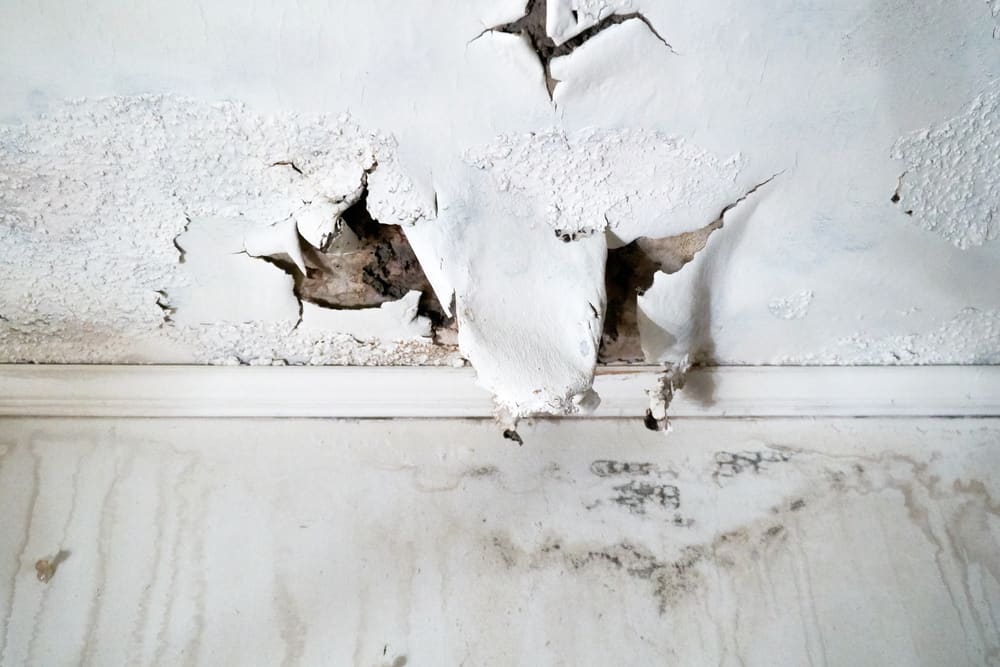
On arrival, our team does a full assessment before touching anything. That means moisture mapping using professional meters and thermal tools to find water that isn’t visible on the surface. In a home built in the 1940s, this step is critical. Water wicks behind plaster and into subfloor assemblies in ways that look dry from the outside. The assessment also documents the full scope of damage for your insurance claim, which matters more than most people realize when the adjuster shows up.
From there, extraction comes first, then structural drying using industrial air movers and dehumidifiers. Depending on the extent of the damage, drying typically takes three to five days. Any reconstruction work drywall, flooring, structural repairs is handled by us, so you’re not coordinating with a separate contractor once the drying is done. In Nassau County, structural repairs require permits through the Town of Hempstead, and we navigate that process as part of the job.

Ready to get started?
Flooded Basement Cleanup and Storm Damage Roosevelt
Water damage in Roosevelt comes from a few predictable places. Aging galvanized supply lines and cast-iron drain stacks fail especially in homes that have never had their plumbing updated. Water heaters in 75-year-old homes are well past their expected service life. Washing machine hoses, sump pump failures, and appliance leaks are all common in a housing stock this age. These are the everyday, non-storm events that homeowners insurance typically covers when they happen suddenly and we handle them regularly across Nassau County.
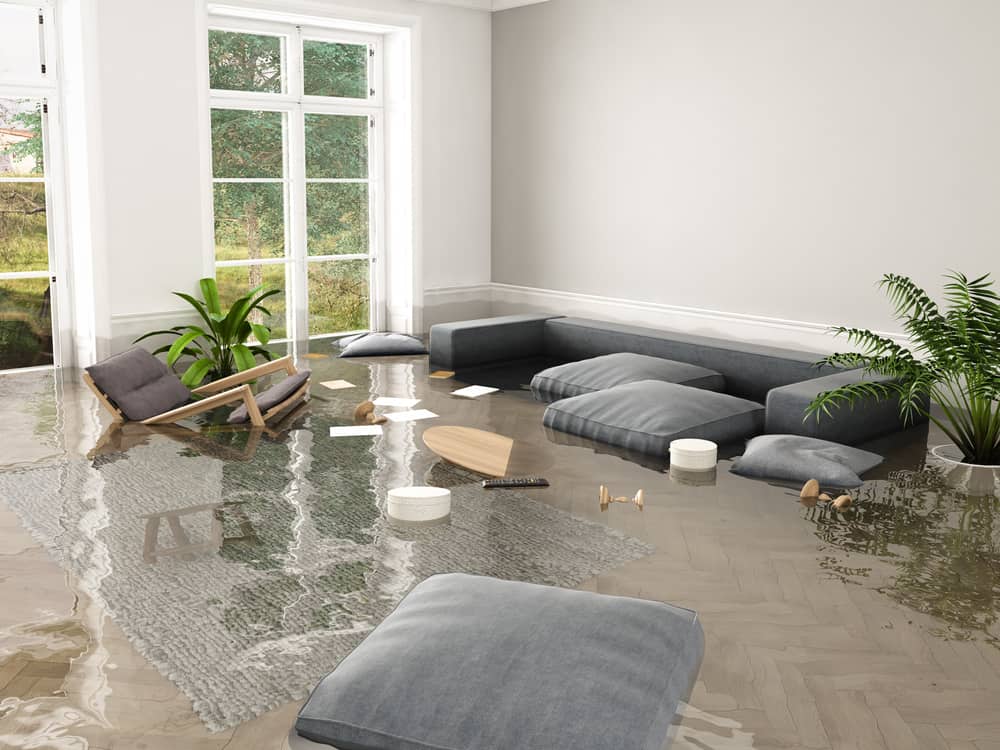
Storm-related flooding is a separate category. Roosevelt’s South Shore position and its density nearly 11,000 residents per square mile means very little permeable ground to absorb runoff when a nor’easter or heavy summer storm hits. Aging drainage infrastructure gets overwhelmed, and basements take on water. We handle flooded basement cleanup and storm damage restoration from initial water extraction through complete structural drying and any needed reconstruction.
Mold remediation is part of the picture too. If water damage isn’t addressed within 24 to 48 hours, mold can begin forming inside walls and under floors often without any visible sign until weeks later. We apply antimicrobial treatment as part of the drying process and handle full mold remediation when it’s needed. In New York State, mold remediation above 25 square feet requires a licensed contractor that’s us.

Does homeowners insurance cover water damage from a burst pipe in Roosevelt?
In most cases, yes but the details matter. Standard homeowners insurance covers sudden and accidental water damage, which includes burst pipes, failed water heaters, and appliance leaks. What it does not cover is flooding from outside the home or damage that resulted from a slow, ongoing leak that wasn’t addressed. The distinction matters because insurers will look at whether the damage was sudden or whether it developed over time due to deferred maintenance.
For Roosevelt homeowners, this is especially relevant given the age of the housing stock. A galvanized pipe that’s been corroding for decades and finally fails is generally still covered as a sudden event but documentation is everything. The sooner our crew is on-site to assess and document the damage, the stronger your claim. We work directly with your insurance company and handle the documentation from the start, which makes a real difference in how the claim gets processed.
How fast does mold start growing after water damage in an older Roosevelt home?
The EPA’s guidance is clear: mold can begin forming within 24 to 48 hours of water exposure. In a Roosevelt home built in the 1940s like most of the housing stock here that window is even more critical because older materials like plaster, original hardwood, and wooden subfloors absorb moisture quickly and hold it longer than modern construction materials do. Mold doesn’t need standing water to grow. It needs moisture in a material, and those older Roosevelt materials provide exactly that.
What makes this harder is that mold often starts where you can’t see it inside wall cavities, under flooring, behind baseboards. By the time there’s a visible sign, it’s been growing for a while. Our professional drying equipment and moisture mapping catch the hidden moisture before it becomes a mold problem. If you’re dealing with water damage in Roosevelt and it’s been more than a day, getting a professional assessment is worth it even if things look dry on the surface.
What should I do immediately after my basement floods in Roosevelt, NY?
The first thing to do is make sure it’s safe to enter if there’s any chance the water has reached electrical outlets, panels, or appliances, don’t go in until the power is off. Once it’s safe, stop the source if you can. If it’s a burst pipe, shut off the main water supply. If it’s stormwater coming in through the foundation, there’s nothing to shut off, but you can start moving valuables off the floor.
Then call us before you call your insurance company. Getting our crew on-site first means the damage gets properly documented before anything is moved or cleaned up and that documentation is what supports your insurance claim. Don’t start running box fans or a wet-vac and assume the problem is handled. In a 1940s Roosevelt home, the water you can see is rarely all the water that’s there. A professional assessment with moisture meters will tell you what’s actually going on inside the walls and under the floor.
How long does water damage restoration typically take?
For a straightforward situation one room, a burst pipe, caught quickly the drying phase alone usually takes three to five days. Water extraction comes first, which can be done in a day or two depending on the volume. After that, industrial air movers and dehumidifiers run continuously until moisture readings come down to an acceptable level. That process can’t be rushed without risking incomplete drying.
If there’s structural damage, mold remediation, or reconstruction involved, the timeline extends. A flooded basement that’s affected multiple rooms and has been sitting for more than a day can take two to three weeks from start to finish, including repairs. In Roosevelt, any structural work requires permits through the Town of Hempstead Building Department, which adds some time to the reconstruction phase. We handle the permitting process as part of the job, so you’re not navigating that on your own while your home is still being dried out.
Can I stay in my house during water damage restoration in Roosevelt?
It depends on the scope and location of the damage. For a single-room situation a burst pipe in a bathroom or a laundry room flood most homeowners can stay in the house while the drying equipment runs. The equipment is loud and the process takes several days, but it’s manageable. If the damage is in a bedroom, a finished basement that’s used as living space, or has affected HVAC systems, staying put becomes harder.
If mold remediation is part of the job, the affected areas need to be contained and you may need to stay out of those sections of your home during the remediation process. For Roosevelt homeowners with families, this is worth asking about upfront we’ll give you a straight answer during the initial assessment about what’s realistic and whether temporary relocation makes sense for your situation. Your homeowners insurance may also cover temporary housing costs if the damage makes the home uninhabitable, which is another reason to get the documentation right from the start.
Why does First Response Restoration and Cleaning Inc. serve Roosevelt specifically?
Roosevelt is in Nassau County, and Nassau County is one of our primary service areas. We’re based in West Babylon, which sits directly to the west along the Southern State Parkway Exit 21 at Nassau Road puts Roosevelt within a straightforward drive, not a long haul across the island. That proximity is part of why our 24/7 response claim is credible here, not just a line on a website.
Beyond geography, the housing stock in Roosevelt is exactly the kind of work we’ve been doing for nearly 30 years. Homes built in the 1940s with original plumbing, plaster walls, and aging infrastructure are common across Nassau County’s South Shore communities, and we have extensive experience with how water behaves in those materials. That’s not something a national franchise with rotating crews can replicate. The combination of genuine local proximity, IICRC-certified technicians, and decades of South Shore experience is what makes our service relevant to Roosevelt homeowners specifically.
Useful Links
Other Services we provide in Roosevelt