
Water Damage Restoration in Sag Harbor, NY
When Bay Water Finds Its Way Into Your Sag Harbor Home
Hear from Our Customers

Flood Restoration Services in Sag Harbor
When water gets into a Sag Harbor home, the EPA is clear: water-damaged areas need to be dried within 24 to 48 hours to stop mold from taking hold. In a village where more than a third of homes were built before 1939many with original plaster walls, wide-plank floors, and old-growth timber framingthat window isn’t just a guideline. It’s the difference between restoration and permanent loss.
What you get on the other side of our process is a home that’s been fully dried, not just surface-cleaned. Moisture that wicked into wall cavities and subfloor materials gets found and eliminated, not left behind to become a mold problem six months from now. Your insurance documentation is handled properly from the start, so the claim reflects the actual scope of damage rather than what was visible on the surface.
For the large number of Sag Harbor property owners who aren’t on-site year-round, this matters even more. A burst pipe in a vacant Main Street Victorian in January can run undetected for weeks. When you call us, the work startswhether you’re standing in the living room or two hours away in the city.
Residential Water Damage Repair in Sag Harbor
We’ve been operating across Long Island for close to three decades. That means we’ve been here through Hurricane Sandy, through nor’easters that pushed water into Sag Harbor’s Long Wharf before the storm even made landfall, and through every freeze-thaw cycle that has stressed the cast iron and clay pipes buried beneath the village’s oldest streets.
We’re a Suffolk County company with a 631 number and local crewsnot a national brand routing your call to whoever’s available. When you reach out to us, you’re dealing with people who know the difference between a flooded cottage in Azurest and a basement seepage issue in a North Haven estate, and who understand what it takes to restore each one correctly.
We’re IICRC-certified, licensed, bonded, and insured. That’s not just a credential listit’s what protects your claim, your property, and your ability to sell or insure that home down the road.
Emergency Water Removal Process in Sag Harbor
The first step is getting someone on-site fast. When you call, our goal is to have a crew moving toward Sag Harbor immediatelyday or night. If you’re not at the property, that’s fine. We can assess and begin mitigation without you present, which matters in a village where a significant number of homes sit vacant between Labor Day and Memorial Day.
On arrival, we do a full moisture assessmentnot just a visual check. Industrial moisture meters and thermal imaging identify where water has traveled inside walls, beneath floors, and into structural cavities that you’d never see by looking. From there, water extraction begins, followed by the placement of commercial-grade air movers and dehumidifiers calibrated to pull moisture out of the structure itself, not just the air.
In Sag Harbor, restoration work that touches structural elements, plumbing, or electrical systems requires permits from the Village of Sag Harbor Building Department. Properties in or near the historic district may also involve additional review. We account for this from the beginning, so the documentation and scope of work are set up correctly before anything gets opened up. Throughout the process, everything is photographed, logged, and reported in the format your insurance company needsso the claim doesn’t stall because of missing paperwork.
Ready to get started?
Burst Pipe and Storm Damage Restoration in Sag Harbor
Water damage in Sag Harbor doesn’t always come through the front door. It comes up through the floor when the water table rises after a heavy rain. It comes in through the foundation of an 1840s Greek Revival that was never designed with modern waterproofing in mind. It comes from a pipe that froze and burst in January while the house sat empty, and it comes from storm surge that pushes up Sag Harbor Cove faster than the drainage can handle.
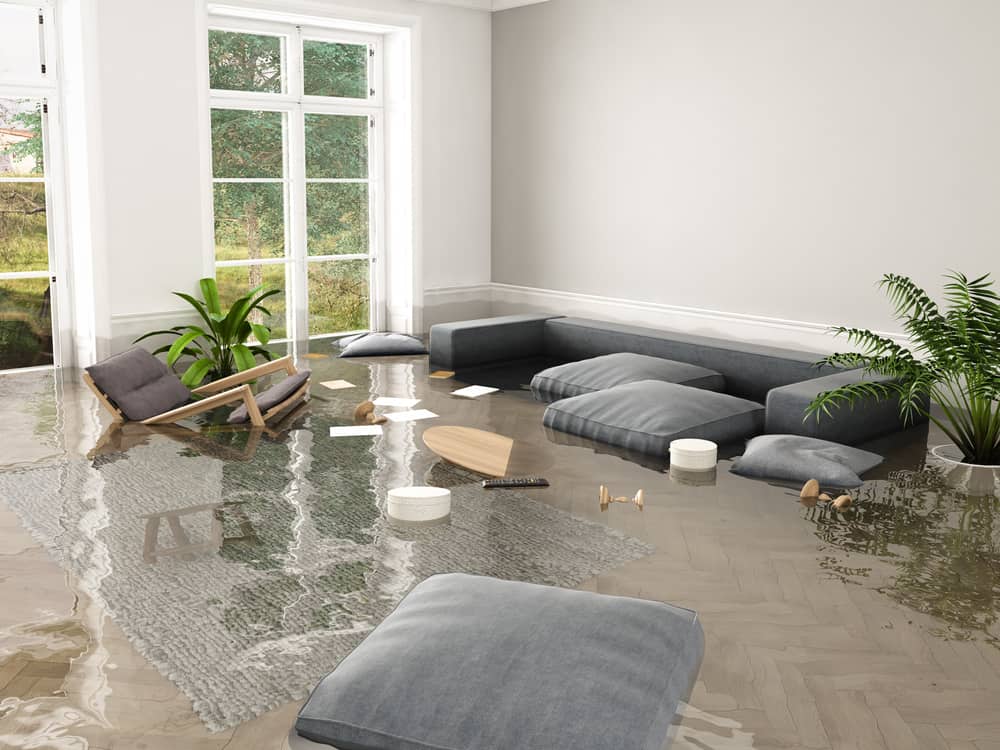
Southampton Town’s hazard mitigation planning identifies shallow groundwater flooding as a recurring hazard in this areanot a freak event. We handle the full range: emergency water removal and basement water extraction, structural drying, mold prevention, flooded basement cleanup, and complete reconstruction when structural repairs are needed.
For properties with historic materialsoriginal plaster, wide-plank floors, antique millworkwe apply drying protocols with care for what those materials are and what they’re worth, both financially and historically. We work directly with your insurance company, handling the documentation and billing so you’re not stuck in the middle. For second-home owners managing a claim remotely, this is handled the same way as it is for year-round residentsthe process doesn’t require you to be standing in the room for it to move forward.

Does homeowners insurance cover water damage in my Sag Harbor home?
Standard homeowners insurance generally covers sudden, accidental water damagea burst pipe, an appliance that overflows, or a roof breach from a storm. What it does not cover is flooding, which is defined as water that enters from outside the structure, including storm surge, rising bay water, or overland flooding from heavy rain.
Given Sag Harbor’s position on Gardiners Bay and Sag Harbor Cove, flood insurance through the National Flood Insurance Program is a separate and important policy for many homeowners here, particularly those in FEMA-designated flood zones. The other thing that trips up claims is the distinction between sudden damage and gradual damage. If a pipe has been slowly leaking behind a wall for months, an insurer may deny the claim on the basis that the damage resulted from a lack of maintenance rather than a sudden event.
This is why thorough documentation from the startincluding moisture readings, photographs, and a written assessmentis critical. We work directly with your insurance company and set up that documentation correctly from day one, which gives your claim the best possible foundation.
How fast does mold actually grow after a basement floods in Sag Harbor?
Mold spores can begin germinating within 24 hours under the right conditions, and visible growth typically appears within 48 to 72 hours. In Sag Harbor’s older homeswhere original plaster, old-growth wood framing, and wide-plank floors are commonorganic materials like these support mold growth faster than modern drywall and engineered lumber.
This is especially relevant for seasonal properties that sit unoccupied. If a basement floods in November and no one opens the door until April, you’re not dealing with a water damage situation anymoreyou’re dealing with a mold remediation situation, which is a different scope of work entirely. The fastest thing you can do when you suspect water has entered a propertyeven if you’re not sure how bad it isis make the call. A free on-site assessment tells you exactly what you’re dealing with before any commitment is made, and it starts the clock on drying before the mold clock runs out.
What happens to my historic home's original floors and walls during restoration?
This is one of the most important questions for Sag Harbor homeowners, and the honest answer is that it depends entirely on how the drying process is managed. Wide-plank wood floors and original plaster walls behave very differently from modern construction materials when they’re wet. Drying them too aggressivelywith too much heat or airflowcan cause warping, cracking, and separation. Drying them too slowly allows mold to establish in the organic material.
The right approach uses moisture meters to track the actual moisture content of the wood and plaster throughout the drying process, adjusting equipment placement and settings as the readings change. It’s not a set-it-and-forget-it operation. Our IICRC-certified technicians follow the IICRC S500 standard for water damage restoration, which includes protocols specifically designed for sensitive and non-standard materials. For a home in the Sag Harbor Village Historic District or the SANS community, where original materials are irreplaceable, this level of care isn’t optionalit’s the only acceptable approach.
My Sag Harbor property is vacant most of the yearhow do I handle a water emergency remotely?
This scenario comes up regularly in Sag Harbor. A significant portion of properties in the villageincluding many in the Sag Harbor Hills, Azurest, and Ninevah Beach neighborhoodswere originally built as seasonal or vacation homes and continue to be used that way. When something goes wrong while the property is unoccupied, the owner is often in Manhattan or elsewhere and cannot get to the East End immediately.
We respond to these calls the same way as any other emergency. Our crew can access and assess the property without you present, document everything with photographs and written reports, begin emergency water extraction and structural drying immediately, and communicate directly with you about what was found and what’s being done. We also interface directly with your insurance company, which means the claims process can move forward even if you’re not on-site to manage it. When you do arrive, you’ll find the situation under controlnot still spreading.
How long does water damage restoration typically take for a home in Sag Harbor?
For most water damage situations, the drying phase alone takes three to five days using commercial-grade dehumidifiers and air movers. The full restoration timelinefrom initial water extraction through any structural repairs and reconstructionaverages around two weeks for moderate damage, though more extensive situations can run longer. A flooded basement that’s also caused damage to finished living space and structural elements can take three weeks or more from start to finish.
In Sag Harbor, a few local factors can affect the timeline. Permit requirements from the Village of Sag Harbor Building Department add lead time for any work that involves structural repairs, plumbing, or electrical systems. Properties in or near the historic district may require additional review before certain materials can be removed or replaced. For seasonal properties where the damage has been running undetected for an extended period, the scope of workincluding mold remediationis typically larger than a fresh emergency, which extends the timeline accordingly. The initial assessment will give you a realistic picture of what to expect before any work begins.
Does the sandy soil and high water table in Sag Harbor make basement flooding more likely?
Yes, and it’s worth understanding why. The South Fork’s coastal plain is characterized by sandy soil that saturates quickly and doesn’t drain efficiently when the water table is already elevated. Southampton Town’s hazard mitigation planning specifically identifies shallow groundwater flooding as a recurring issue in this areameaning the water table can rise close enough to the surface after heavy rainfall or storm events to cause basement flooding even without any surface water intrusion. The bay water surrounding Sag Harbor on multiple sides compounds this during storm surge events.
For homes in lower-lying areasincluding parts of the SANS community along Gardiners Baythis is a seasonal reality, not a once-in-a-decade event. It also means that standard basement waterproofing measures that work well in other parts of Long Island may be less effective here without accounting for groundwater pressure from below. When basement water extraction is needed, the source of the intrusion matters: groundwater flooding requires a different response protocol than a burst pipe or storm-driven surface water. We assess the source as part of the initial inspection, so the remediation addresses the actual problem rather than just the visible water.
Useful Links
Other Services we provide in Sag Harbor